Singapore
Beyond the Deal: Capital Flows and Execution in ASEAN
FDI announcements travel quickly. Realised flows depend on the slower work of land, permits, power and talent reaching the ground. Singapore and Thailand show the way.
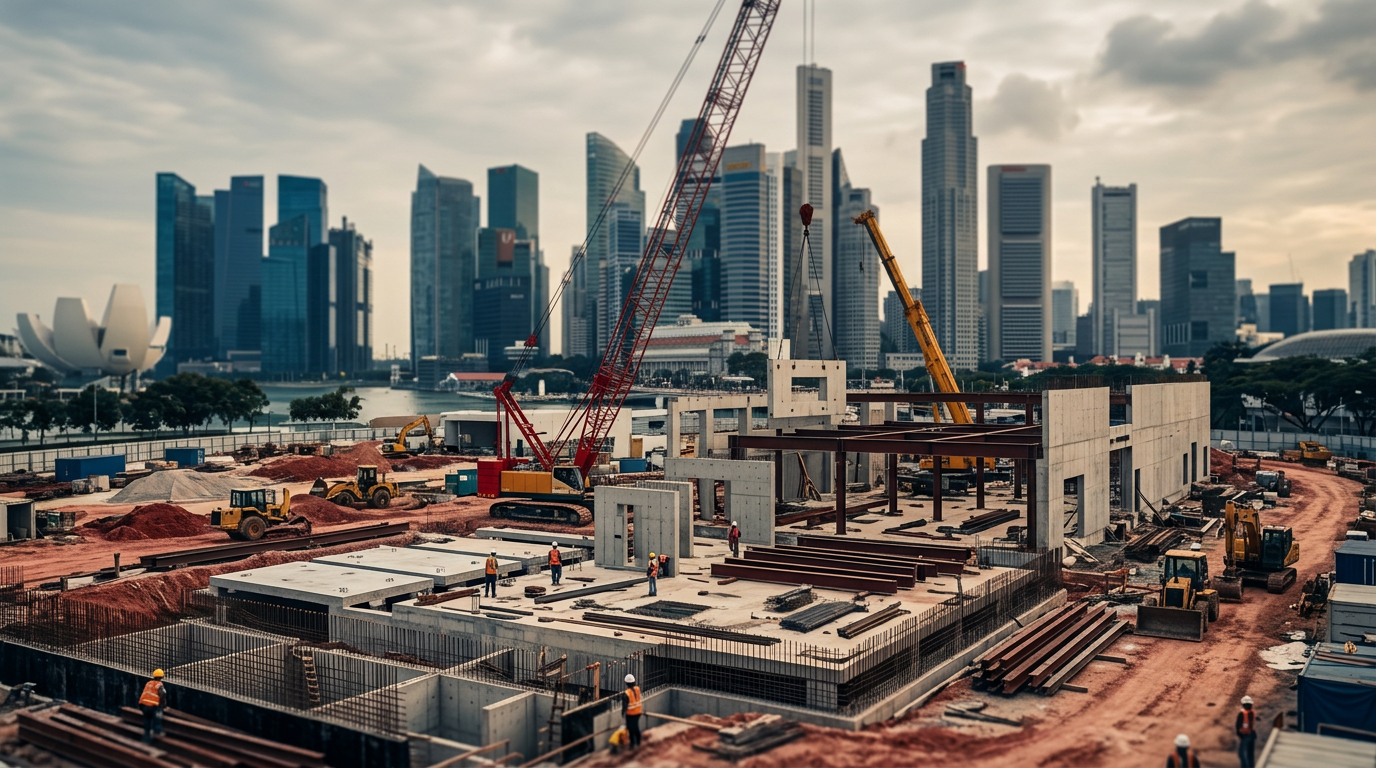
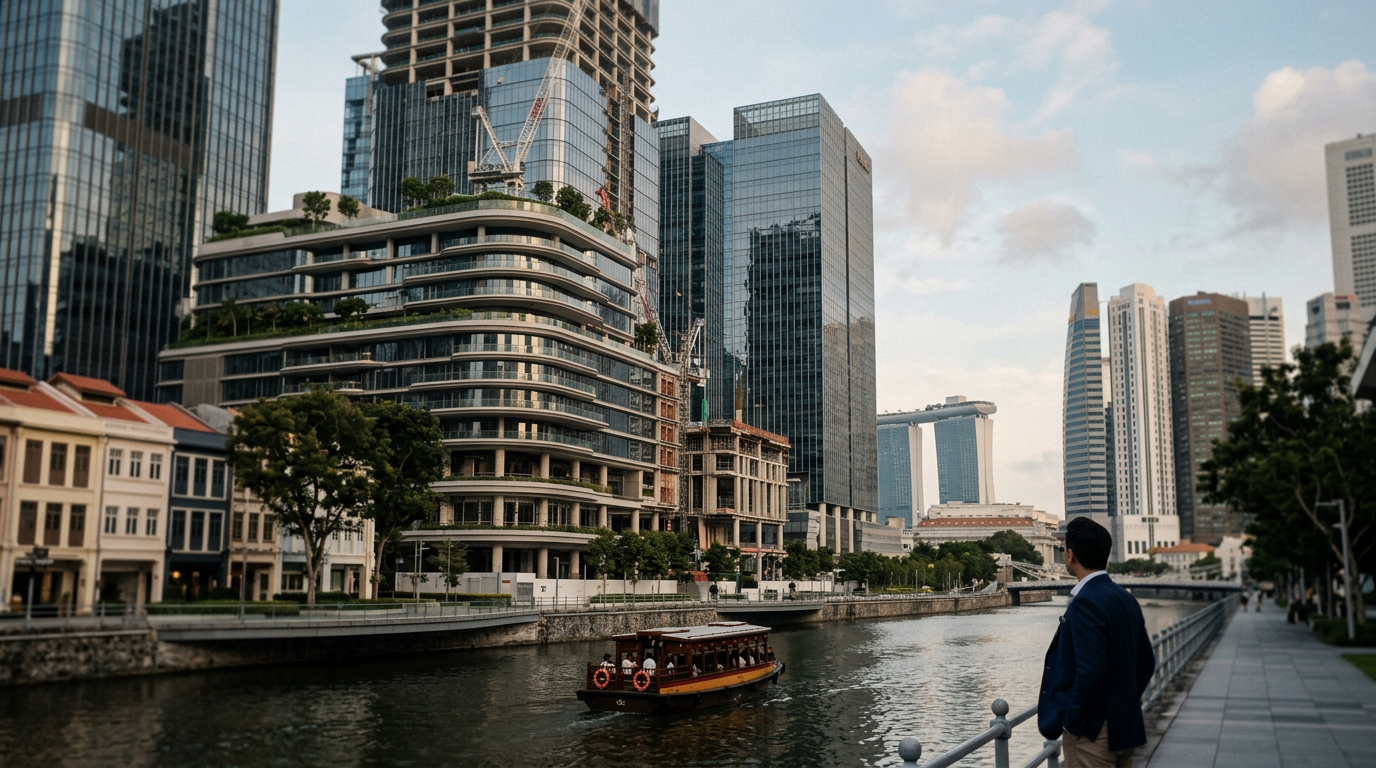
Singapore continues to attract significant foreign direct investment, exemplified by the recent announcement of a luxury mixed-use project along the Singapore River. The development is a joint venture led by a subsidiary of Thai billionaire Charoen Sirivadhanabhakdi's Fraser Property, as reported by VNExpress. While the project's high-end residential units and sky villas make for compelling headlines, the deal is more instructive as a case study in how capital moves and gets put to work within the ASEAN bloc.
Institutions and Trust
The Singapore-Thailand investment corridor is one of the most mature in the region, built on a foundation of legal and financial trust. This project is not an isolated bet. It is part of a multi-billion dollar portfolio of assets held by the developer in Singapore, reflecting a long-term strategy of capital allocation. Singapore's stable institutions and transparent regulatory environment provide the confidence for such large-scale, cross-border commitments. The project relies on a predictable framework for property rights, development approvals, and financial transactions. This environment minimizes the unforeseen risks and delays that can impede large projects elsewhere.
From Announcement to Reality
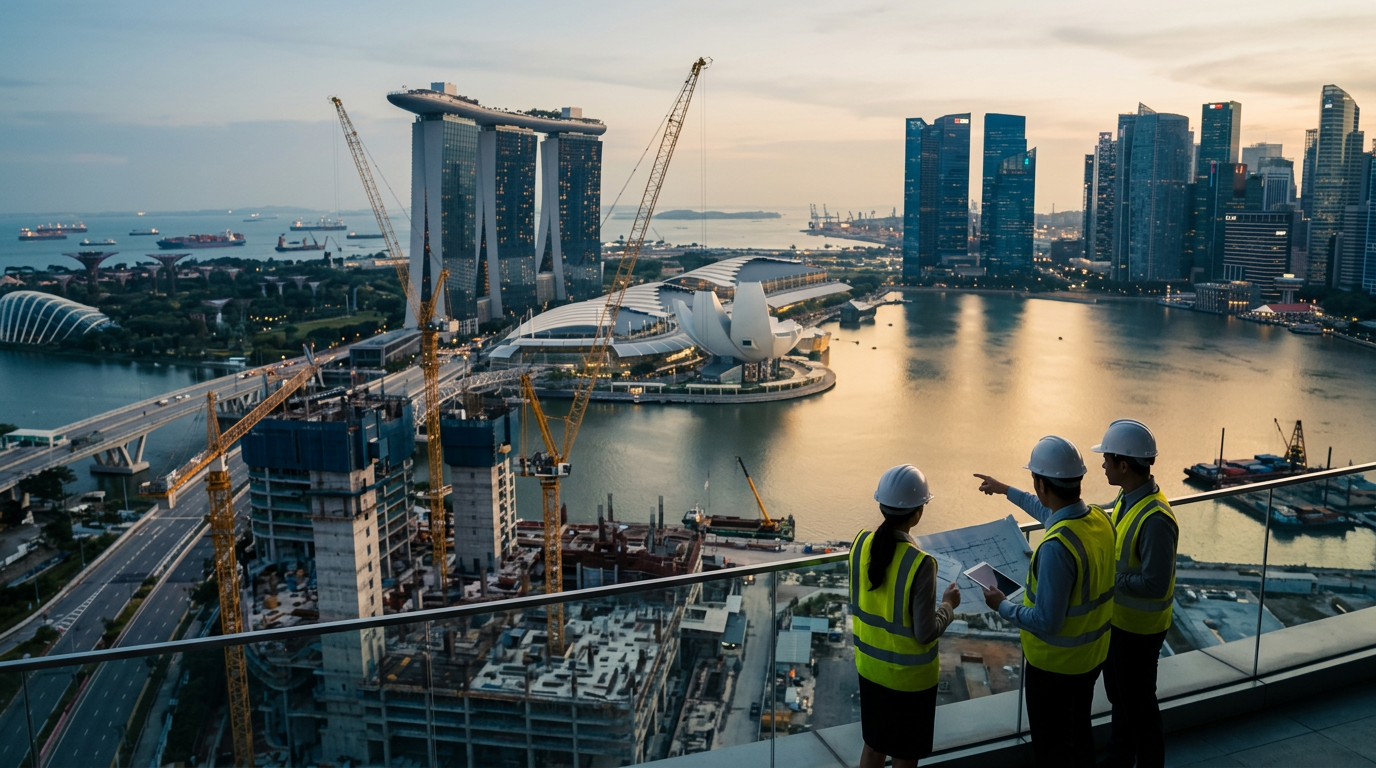
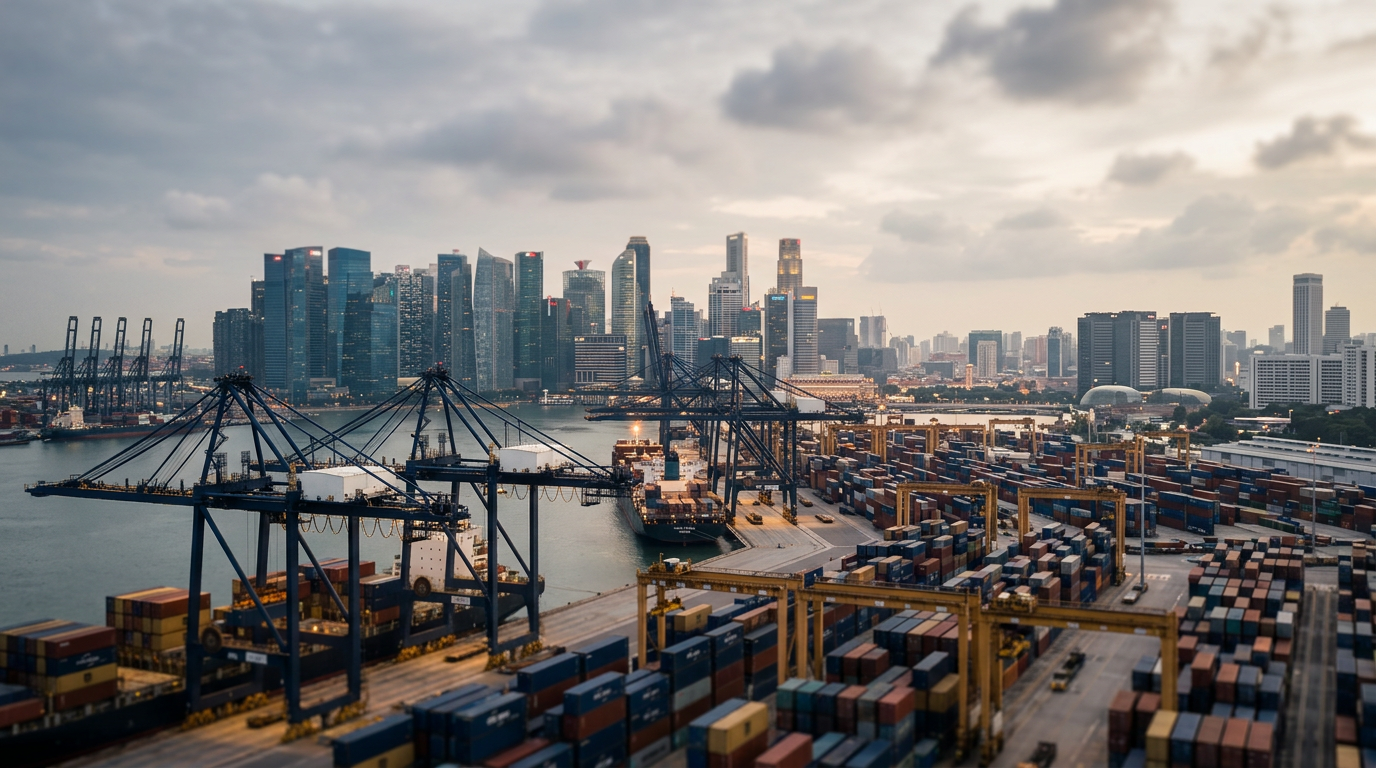
The smooth flow of capital is only the first step. As the book "ASEAN Rising" notes, the real measure of success is turning investment commitments into tangible assets. The new development on the Singapore River will require the coordination of land acquisition, construction permits, utility connections, and a skilled labor force. Singapore's track record in this area is a core part of its value proposition. Its integrated approach to urban planning and infrastructure development ensures that power, water, and transport are available to support new projects. This institutional capacity is what turns a headline-grabbing announcement into a functioning property. The developer's ability to execute a project of this scale leans heavily on this pre-existing, reliable infrastructure.
Inter-ASEAN Flows
The investment also highlights the growing trend of inter-ASEAN capital flows. A Thai-backed entity deploying capital into a Singaporean property development demonstrates a sophisticated, region-focused investment strategy. This is not simply about an external investor choosing a single market. It is about an ASEAN-based conglomerate strategically allocating resources across the region, leveraging the strengths of different member states. This pattern shows a maturing regional market where capital, talent, and expertise are increasingly mobile within the bloc. Such flows build a more integrated and resilient regional economy, where surplus capital in one country can fund productive assets in another.
What to watch
Looking ahead, the key indicator of regional integration will be the extent to which this pattern of intra-ASEAN investment extends into markets with greater execution challenges. The ability of ASEAN investors to navigate the complexities of land, permits, and infrastructure in developing markets will show how deeply the region's institutional frameworks are truly taking hold. The success of projects outside of established hubs will be a strong signal of the region's next phase of growth.