Thailand
's Semiconductor Ambitions Test ASEAN's FDI Execution Gap
Announced foreign direct investment is one thing; realised investment is another. Thailand's push to become a semiconductor hub shows how turning promises into projects requires deep institutional capacity.
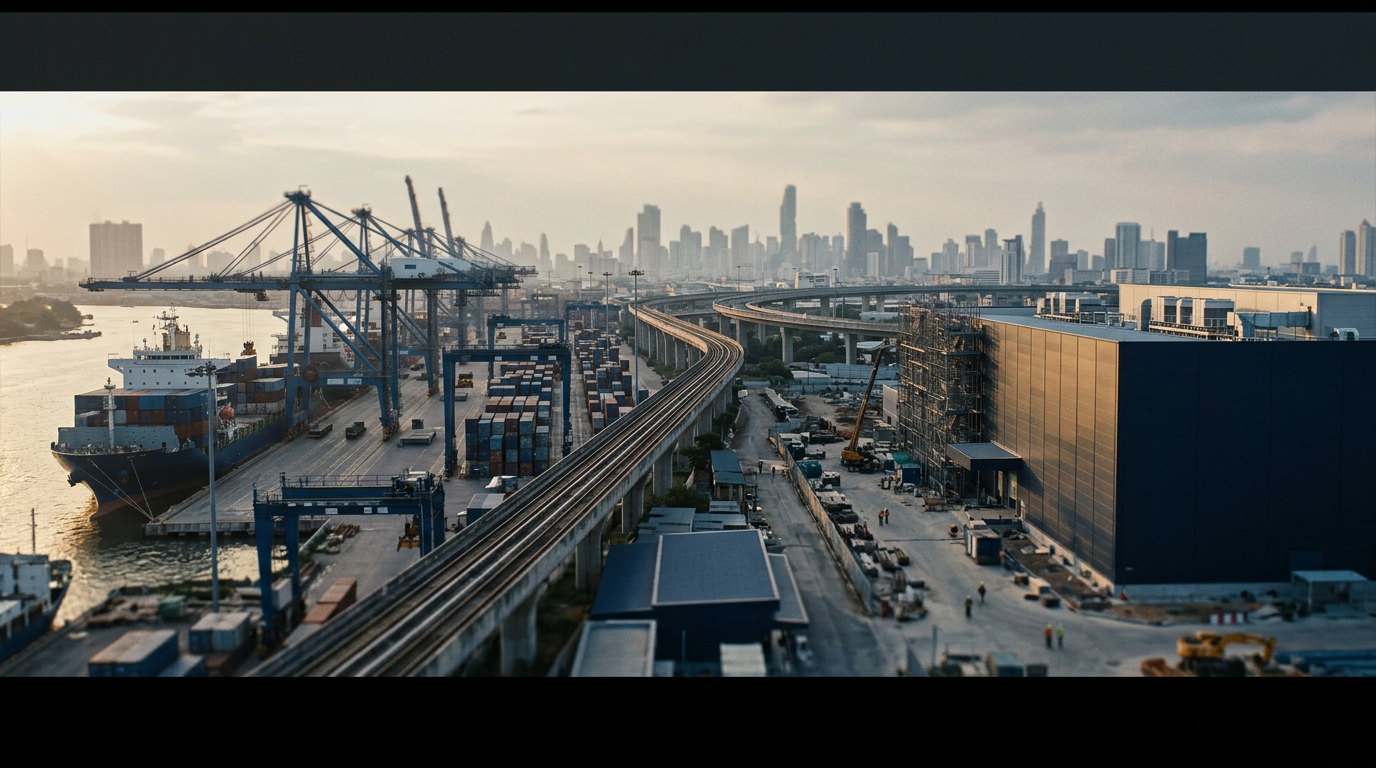
Thailand is intensifying its efforts to become a regional hub for the semiconductor industry, according to a recent report from Vietnam News. The plan includes attracting significant foreign investment, highlighted by a US$1.4 billion commitment from Germany's Infineon Technologies for a new production facility. The move is part of a broader strategy to position Thailand as a key player in the global electronics supply chain, leveraging its existing strengths in automotive and electronics manufacturing.
From Announcement to Implementation
Attracting high-profile foreign direct investment (FDI) is a significant first step, but the real work begins after the press conferences. As the book "ASEAN Rising" notes, turning headline figures into tangible economic impact is a function of institutional effectiveness. While FDI announcements travel quickly, the book explains, "realised flows depend on the slower work of land, permits, power and talent reaching the ground." Thailand's semiconductor goals will depend entirely on its ability to manage these complex, on-the-ground details. The success of multi-billion-dollar projects like Infineon's rests not just on investment incentives but on the government's capacity to facilitate every stage of development.
The Execution Challenge
Building a semiconductor ecosystem is a demanding enterprise that tests every aspect of a nation's infrastructure and regulatory framework. For Thailand, this means ensuring that industrial parks are not just zoned but are also equipped with uninterrupted, high-quality power and water supplies essential for chip fabrication. It requires a transparent and efficient process for securing land titles and construction permits, avoiding the bureaucratic delays that can stall large-scale projects. The country has a solid foundation in electronics assembly, but fabricating advanced semiconductors requires a substantial leap in technical skills and infrastructure.
Cultivating Human Capital
The most complex component may be human capital. A semiconductor industry cannot be built on assembly-line skills alone. It requires a deep pool of engineers, technicians, and research scientists with specialized expertise. Thailand's strategy must include a long-term plan for developing this talent through university programs, vocational training, and partnerships with leading global firms. Attracting and retaining this talent will be as important as securing the initial investment. The availability of a skilled workforce is a primary consideration for any company looking to establish advanced manufacturing operations, and it will be a key determinant of Thailand's success.
What to watch
As Thailand moves to implement its semiconductor strategy, observers should track the progress of realised FDI versus initial announcements. The key indicators of success will not be the headline investment figures, but rather the pace of regulatory approvals, the development of specialized industrial infrastructure, and the growth of a skilled local workforce. The gap between a promising announcement and a fully operational facility is where institutional capability is truly measured.