Singapore
, Thailand, and the Power of Predictability
The launch of a luxury mixed-use project in Singapore, backed by a prominent Thai billionaire, illustrates a core ASEAN theme: the quiet power of reliable institutions to attract and deploy long-term capital.
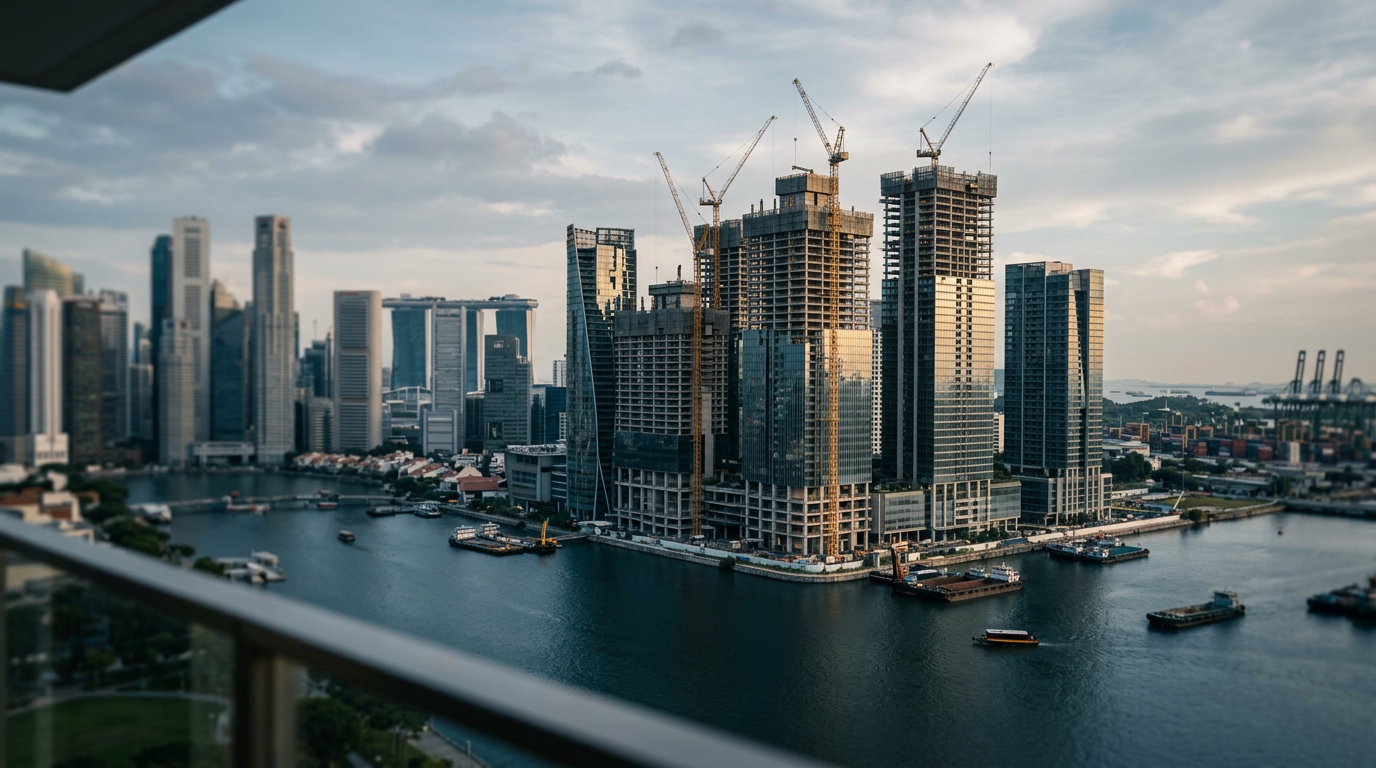
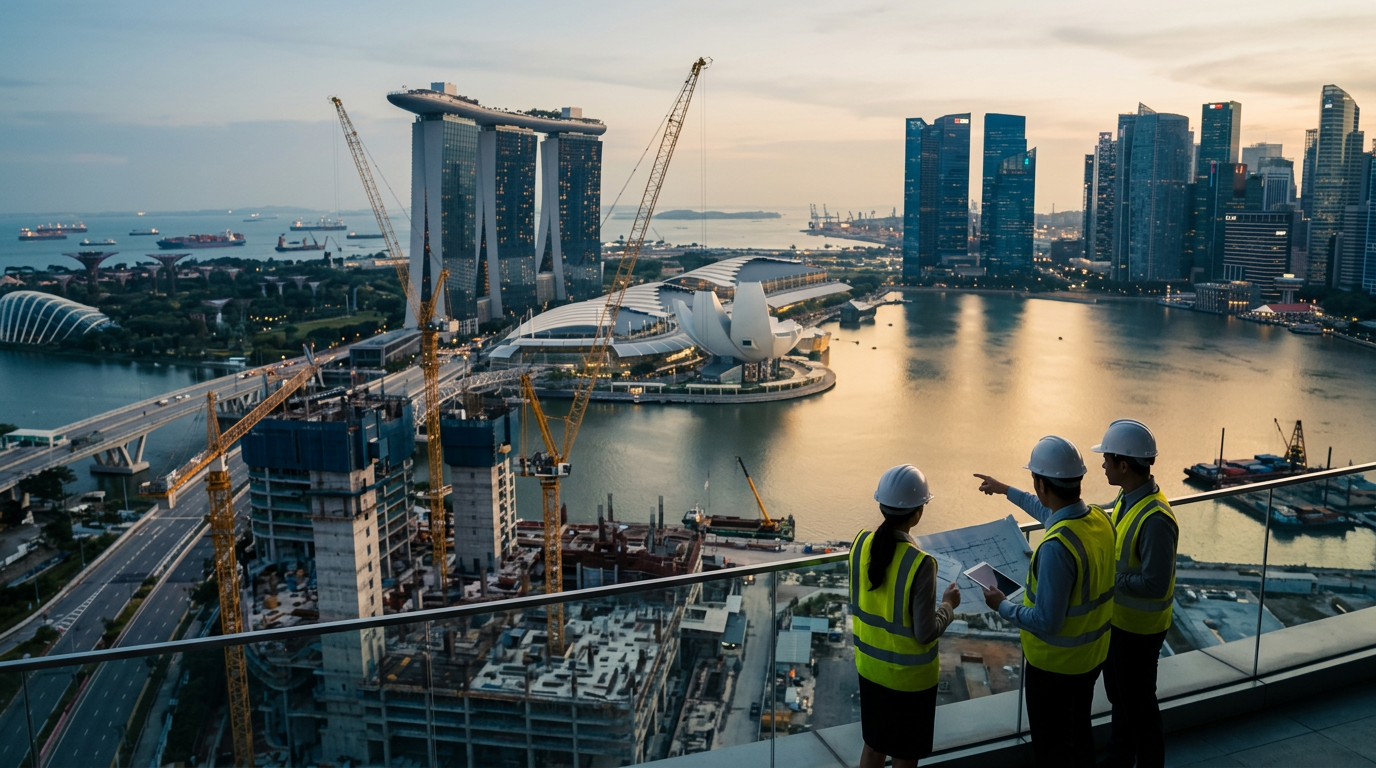
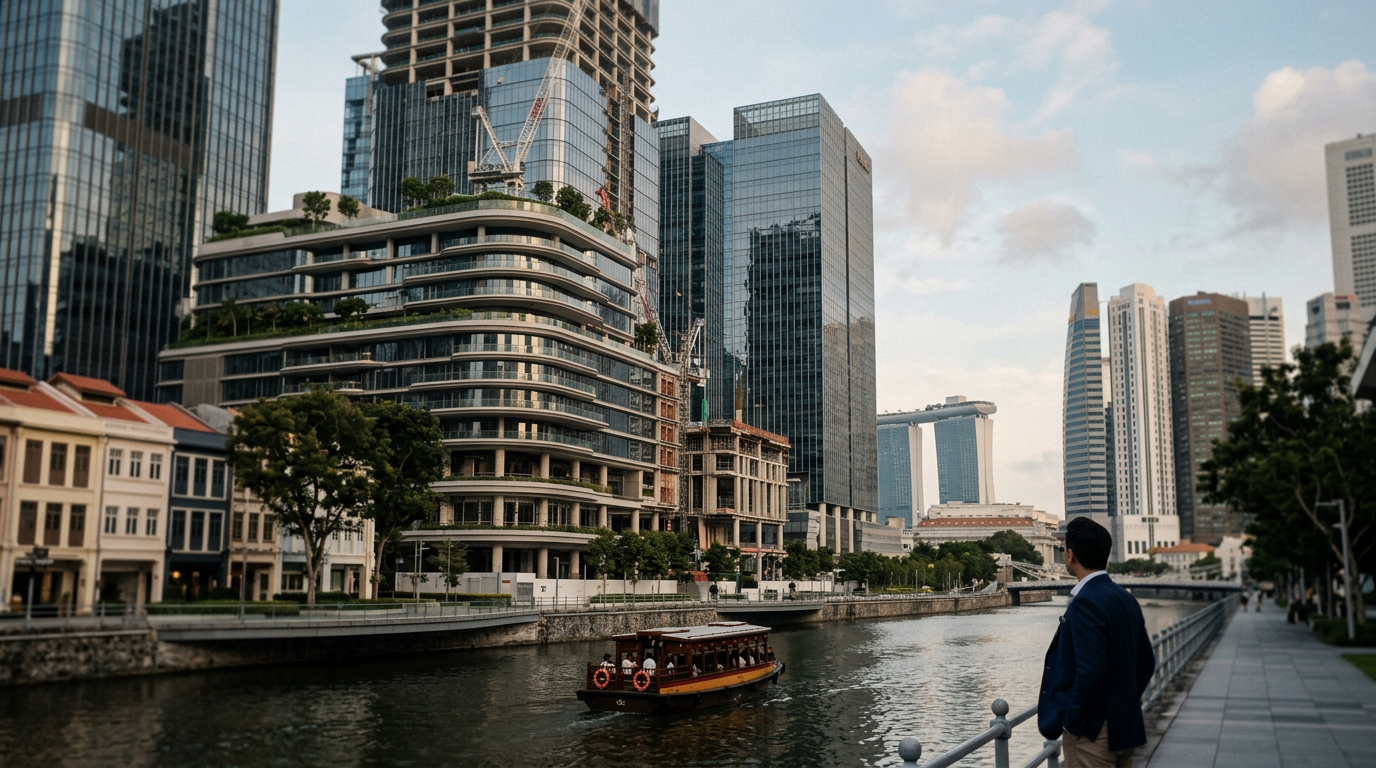
A new luxury mixed-use project is slated to rise along the Singapore River, backed by a joint venture majority-owned by Thai billionaire Charoen Sirivadhanabhakdi. As reported by VnExpress, the development by Frasers Property will feature hundreds of high-end residential units and sky villas. While the project itself is a notable addition to Singapore's prime real estate, its composition highlights a deeper current in the region's investment landscape: the flow of ASEAN capital into member states with a proven track record of execution and institutional integrity.
Institutions and Investable Depth
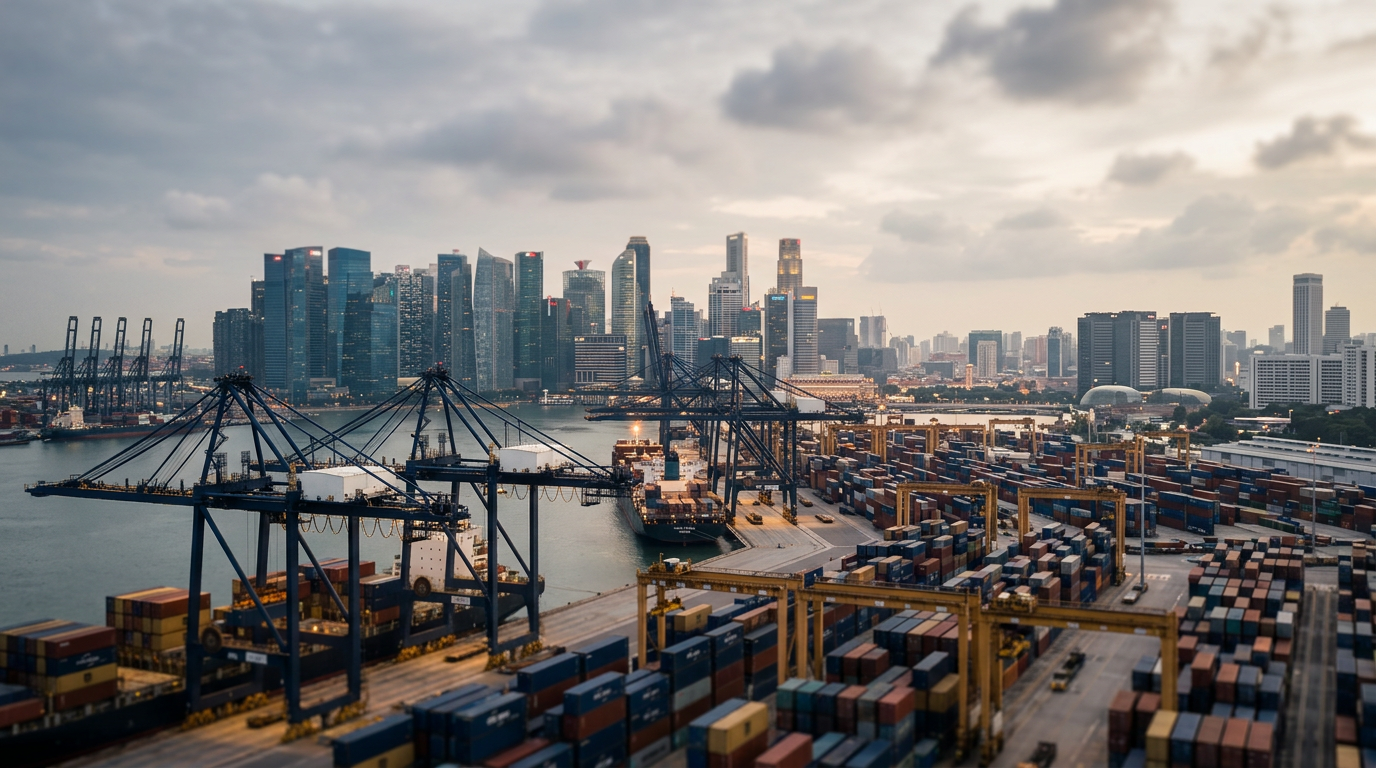
For significant cross-border investments to materialize, capital requires confidence. The decision by a major Thai-led conglomerate to deploy substantial resources into a Singaporean property venture is not merely a vote for the location's enduring appeal. It is a direct reflection of the city-state's institutional strengths. As ASEAN Rising outlines, scale and ambition are common, but "scale matters only when institutions can turn it into investable depth." Announced foreign direct investment (FDI) may generate headlines, but the actual, realized investment depends on the predictable functioning of regulatory bodies and the availability of essential inputs. Singapore's reputation for transparent permitting, reliable infrastructure, and a skilled workforce minimizes the friction that can stall or derail large-scale projects elsewhere.
From Announcement to Execution
The journey from a press release to a completed project is fraught with potential delays and complications. The book notes that while FDI announcements travel quickly, the real test is in "the slower work of land, permits, power and talent reaching the ground." In this context, the Singapore project is emblematic of a system where these elements are aligned. The capacity to assemble land, secure permits without undue friction, guarantee stable power, and draw upon a pool of professional talent is a formidable competitive advantage. This framework allows investors like Frasers Property to model costs and timelines with a high degree of certainty, transforming a promising blueprint into a tangible asset. This successful execution is what underpins the continuous flow of capital into Singapore from its ASEAN neighbors and beyond.
ASEAN Capital Flows
The Frasers Property development is a clear instance of intra-ASEAN investment, a trend that is as significant as FDI from outside the bloc. Capital from economies like Thailand, Malaysia, and Indonesia is increasingly mobile, seeking destinations that offer both growth and stability. While the project is located in Singapore, its funding structure ties together two of the region's major economies. This demonstrates a maturing regional market where investors leverage institutional stability in one country to build assets of lasting value, driven by capital from another. The project serves as a quiet benchmark for what is possible when a predictable institutional environment allows capital to be deployed with confidence.
What to watch: Observe whether capital from major ASEAN business groups continues to favor regional hubs with strong institutional track records like Singapore. Also, monitor if policy adjustments in larger markets like Indonesia and Vietnam, aimed at improving regulatory predictability and project execution, begin to alter these established investment patterns and retain more domestic and regional capital for their own large-scale projects.