Vietnam
's Agri-Export Ambitions Depend on Institutional Depth
Vietnam's ambitious agricultural export targets for the end of 2026 highlight the critical link between investment announcements and the on-the-ground reality of institutional execution.
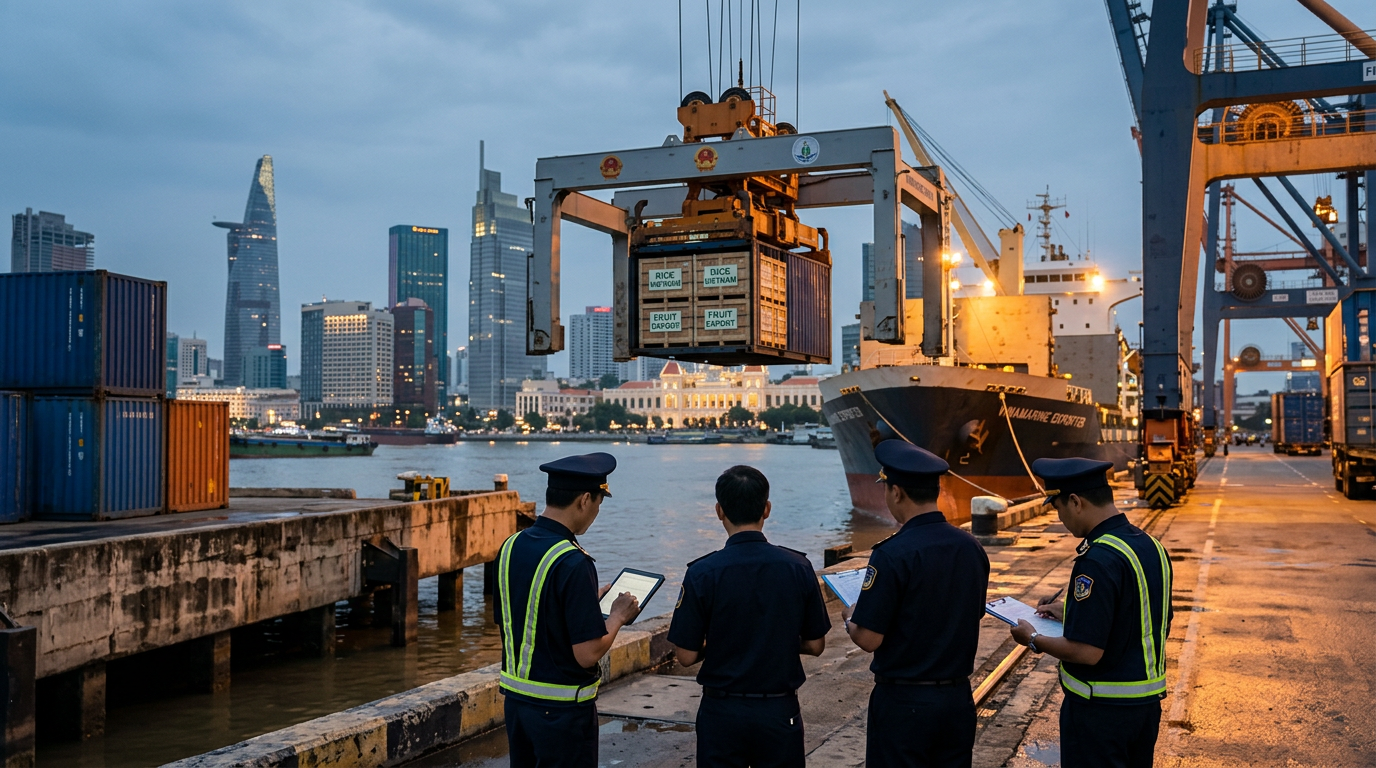
Vietnam has set an ambitious goal to export US$18 billion in agricultural, forestry, and fishery products in the fourth quarter of 2026, aiming for an annual total of at least $74 billion, according to a report from e.vnexpress.net. This target reflects the country's significant scale in agricultural production and its intent to translate that scale into global market leadership. However, achieving these figures will require more than just production capacity; it will test the country's ability to create an environment where investment leads to tangible, realised exports.
From Ambition to Realised Investment
Headline-grabbing foreign direct investment (FDI) announcements are a common feature across Southeast Asia. They signal confidence and capture attention, but the journey from a signed memorandum to a fully operational, exporting facility is long and complex. As the book "ASEAN Rising" notes, the true measure of success lies in the execution of these plans. This involves the slow, detailed work of securing land, navigating permit processes, ensuring reliable power, and developing a skilled workforce.
For Vietnam's agricultural sector, this means building out the cold chain logistics, processing facilities, and quality control systems necessary to meet international standards. While the nation's scale in producing rice, coffee, and seafood is well-established, "scale matters only when institutions can turn it into investable depth." Without the supporting infrastructure and regulatory efficiency, announced FDI can be slow to materialize, and export targets can be missed. The $18 billion quarterly goal is therefore not just a production challenge but an institutional one.
The Infrastructure and Talent Imperative
To consistently hit its export targets, Vietnam must focus on the underlying pillars that support investment. Reliable and affordable electricity is essential for modern processing and cold storage. An efficient transport infrastructure, including ports and roads, is necessary to move perishable goods from farms to international markets quickly. Delays in any of these areas can erode margins and compromise quality, making Vietnamese products less competitive.
Furthermore, the human element cannot be overlooked. A workforce trained in modern agricultural techniques, food safety standards, and supply chain management is required. This involves investment in vocational training and education that is directly aligned with the needs of the agri-export industry. Capital will flow where it can be matched with skilled labor to create value. The government's role extends beyond setting targets to fostering the ecosystem of power, logistics, and talent that makes those targets achievable.
What to watch
As 2026 progresses, the key indicator to monitor will be the rate of realised FDI in Vietnam's agricultural sector, not just the announcements. Observers should track progress on key infrastructure projects, particularly in power and logistics, and look for specific policy measures aimed at streamlining permits and developing a skilled agricultural workforce. The gap between announced investment and on-the-ground implementation will determine whether Vietnam's ambitious export goals become a reality.