Thailand
's FDI Climate and the Challenge of Execution
Thailand is a resilient, upper-middle income economy. But its FDI performance is hampered by execution bottlenecks.
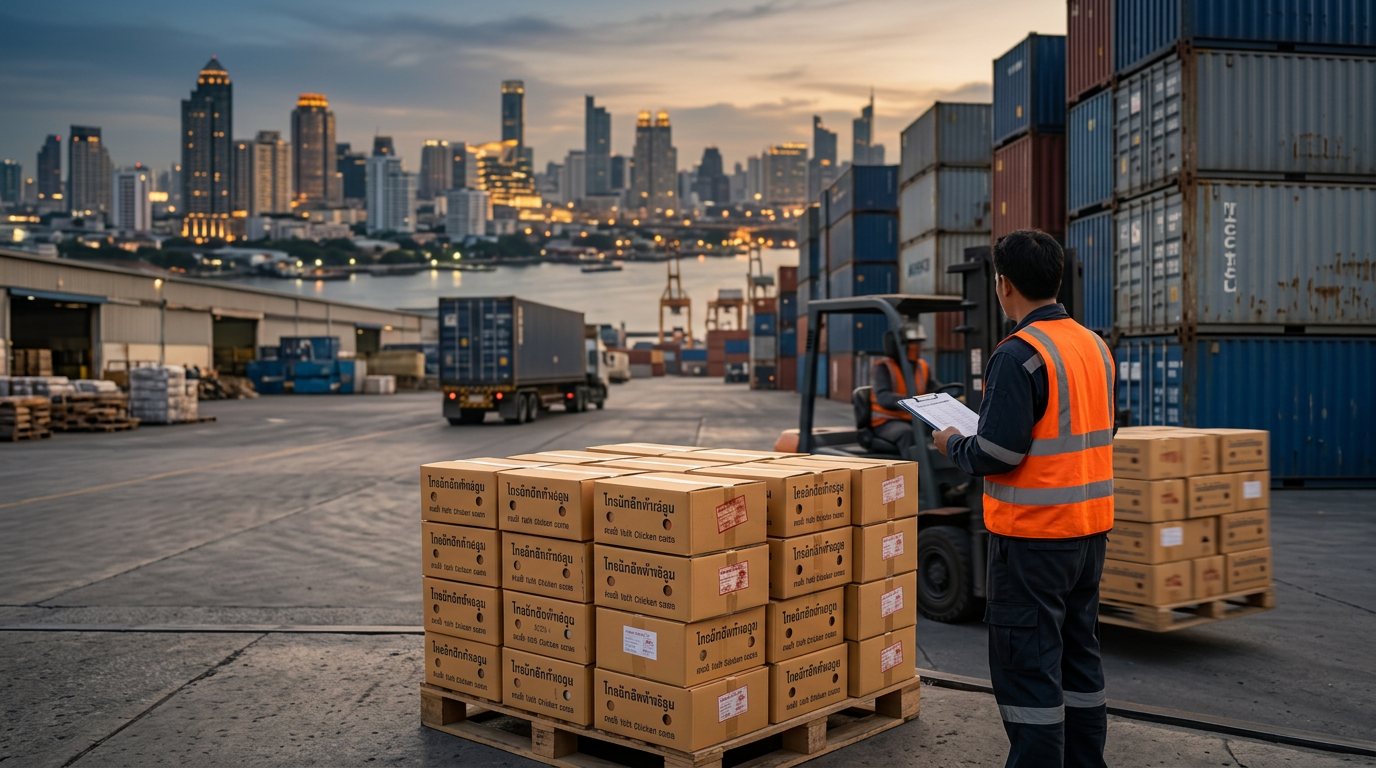
Thailand has asked egg producers to reduce their exports by 30% to 50% through the end of 2026, as reported by the Bangkok Post. The measure follows severe flooding that has disrupted agricultural supply chains and raised concerns about domestic food price inflation. While a temporary restriction on a single agricultural commodity may seem minor, it points to a broader theme for foreign investors in the country: the persistent gap between policy and on-the-ground execution.
The Execution Gap
Thailand possesses many of the ingredients for sustained foreign investment. It has a well-established industrial base, particularly in automotive and electronics, and a strategic location in the heart of mainland Southeast Asia. The government has actively courted FDI through its Thailand 4.0 policy, promoting investment in high-tech sectors. Yet, the country often struggles to translate these advantages into fully realised investment. The recent flooding and subsequent export curbs highlight a vulnerability in infrastructure and supply chain management. For an investor, this introduces a level of operational risk that can outweigh the incentives offered at the policy level. As the book "ASEAN Rising" notes, "Scale matters only when institutions can turn it into investable depth." The effectiveness of investment promotion schemes is ultimately tested by the slower, more difficult work of ensuring that fundamentals like logistics, power, and land are secure.
Beyond the Board of Investment
Thailand's Board of Investment (BOI) is a sophisticated and generally effective agency for attracting investor interest. It provides a clear framework of tax incentives, tariff exemptions, and non-financial permissions. However, the investor journey does not end with a BOI certificate. The challenges often begin when projects move from the planning stage to implementation. Issues such as securing the right permits for land use, obtaining reliable power connections, and navigating a complex regulatory environment can create significant delays and cost overruns. These execution-level hurdles are not always visible from the top. While high-level indicators may show strong investor interest, the actual disbursement of capital and the successful launch of operations depend on the capacity of local institutions and infrastructure to deliver on promises.
Human Capital Constraints
Another critical factor is the availability of skilled talent. While Thailand has a large workforce, investors in higher-value sectors frequently report shortages of engineers, technicians, and other specialised professionals. The education system has not always kept pace with the demands of new industries. This talent gap can force companies to either invest heavily in their own training programs or limit the scope of their operations in the country. For Thailand to successfully move up the value chain and attract the kind of FDI envisioned in its 4.0 strategy, a greater focus on aligning its educational and vocational training systems with the needs of the private sector is essential. Without a deep pool of local talent, even the most attractive investment incentives will fail to produce sustainable growth.
What to watch
Investors will be watching to see if the Thai government's response to the current supply chain disruptions is purely reactive or if it leads to more systemic investments in climate-resilient infrastructure. The ability of institutions to close the gap between investment announcements and the slower work of on-the-ground implementation will determine whether Thailand can consolidate its position as a top-tier FDI destination in ASEAN. Progress in educational reform and talent development will also be a key indicator of the country's long-term competitiveness.