Philippines
Manila Cruise Port Plan Moves to Feasibility Study
A plan to build a new cruise port in Manila is advancing, but the true test lies in its execution. For the Philippines, delivering infrastructure on time is more valuable than just announcing ambitious projects.
A Tale of Two Infrastructures
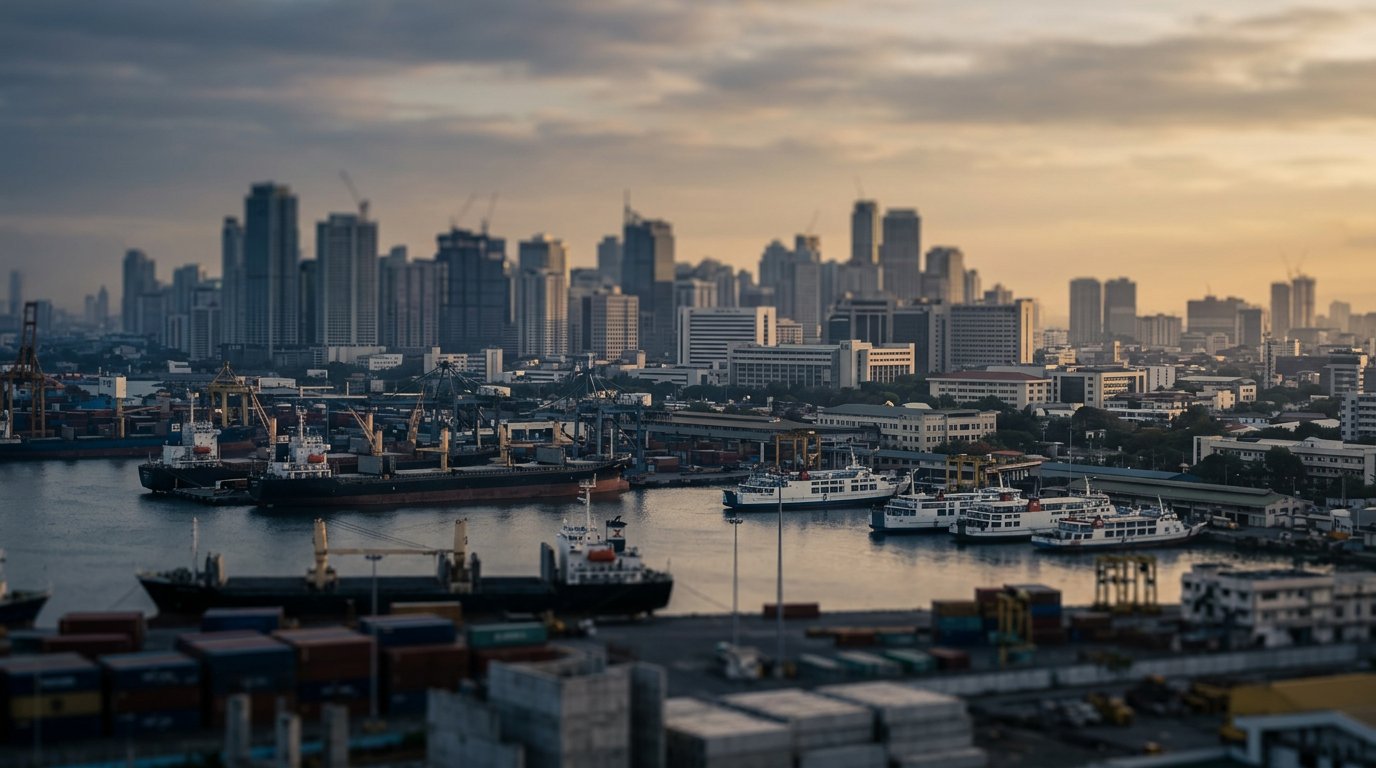
The Philippines' push for a new P5-billion cruise port in Manila is advancing, with a feasibility study now in the works. According to a report from philstar.com, this development is part of a larger government initiative to upgrade the nation's port infrastructure. The project aims to capitalize on the growing tourism sector by providing a modern entry point for international cruise lines.
While the announcement signals ambition, the true measure of success will be in the execution. The journey from a feasibility study to a fully operational port is long and fraught with potential delays. The project's progression will be a test case for the current administration's ability to deliver on its infrastructure promises. In the Philippines, as in many parts of the region, the gap between announced plans and completed projects can be substantial. This is where the concept of a "usable state" becomes relevant. A government that can reliably build what it says it will build gains a significant advantage.
The Cost of Friction
The ability to execute large-scale projects is a core component of state capacity. As discussed in "ASEAN Rising", friction in the form of bureaucratic inefficiency, regulatory hurdles, and financing difficulties can stall even the most promising ventures. For the Manila cruise port, navigating these challenges will be paramount. A transparent and efficient process for procurement, permitting, and construction management will be necessary to keep the project on track.
The timeline and budget are not merely administrative details; they are signals to the market. International investors and cruise operators look for predictability and reliability. A project that is delivered on schedule and within budget demonstrates a stable and attractive investment climate. Delays and cost overruns, on the other hand, can damage a country's reputation and deter future private sector participation. Successful infrastructure development is less about grand vision and more about the meticulous management of details. "Institutional reliability has become part of comparative advantage," and the ability to bring projects to completion is a powerful indicator of that reliability.
Human and Financial Capital
Beyond the concrete and steel, the success of the Manila cruise port will depend on both talent and capital. A project of this scale requires a deep pool of skilled labor, from engineers and construction workers to port operators and hospitality staff. The Philippines has a strong reputation for its workforce, but specialized training will be needed to meet the specific demands of a modern cruise terminal. This represents an opportunity to develop human capital and create long-term, high-value jobs.
Attracting the necessary P5 billion in investment is the other side of the equation. Whether sourced from public funds, private investment, or a public-private partnership, the financing structure will be critical. Investors will scrutinize the project's feasibility study, looking for realistic revenue projections and a clear return on investment. The government's ability to create a secure and profitable framework for investors will be as important as the physical construction itself. Building trust with capital partners is a foundational element of turning ambitious blueprints into tangible assets.
What to watch
The progress of the Manila cruise port feasibility study is a positive sign for the Philippines' tourism and infrastructure goals. Observers should watch for the study's conclusions regarding commercial viability and the proposed financing model. The government's subsequent actions, particularly the timeline for tendering and awarding contracts, will indicate the real pace of the project. The ultimate success will be measured not by the initial announcement, but by the timely completion of a functional and profitable port that enhances Manila's position as a key regional destination.