Vietnam
 Seeks Private Capital for Expressway Expansion
Vietnam is seeking approximately VND846 trillion in private capital for 29 priority projects to expand its expressway network. This highlights a broader ASEAN theme: the push for reliable infrastructure development as a core component of economic competitiveness.

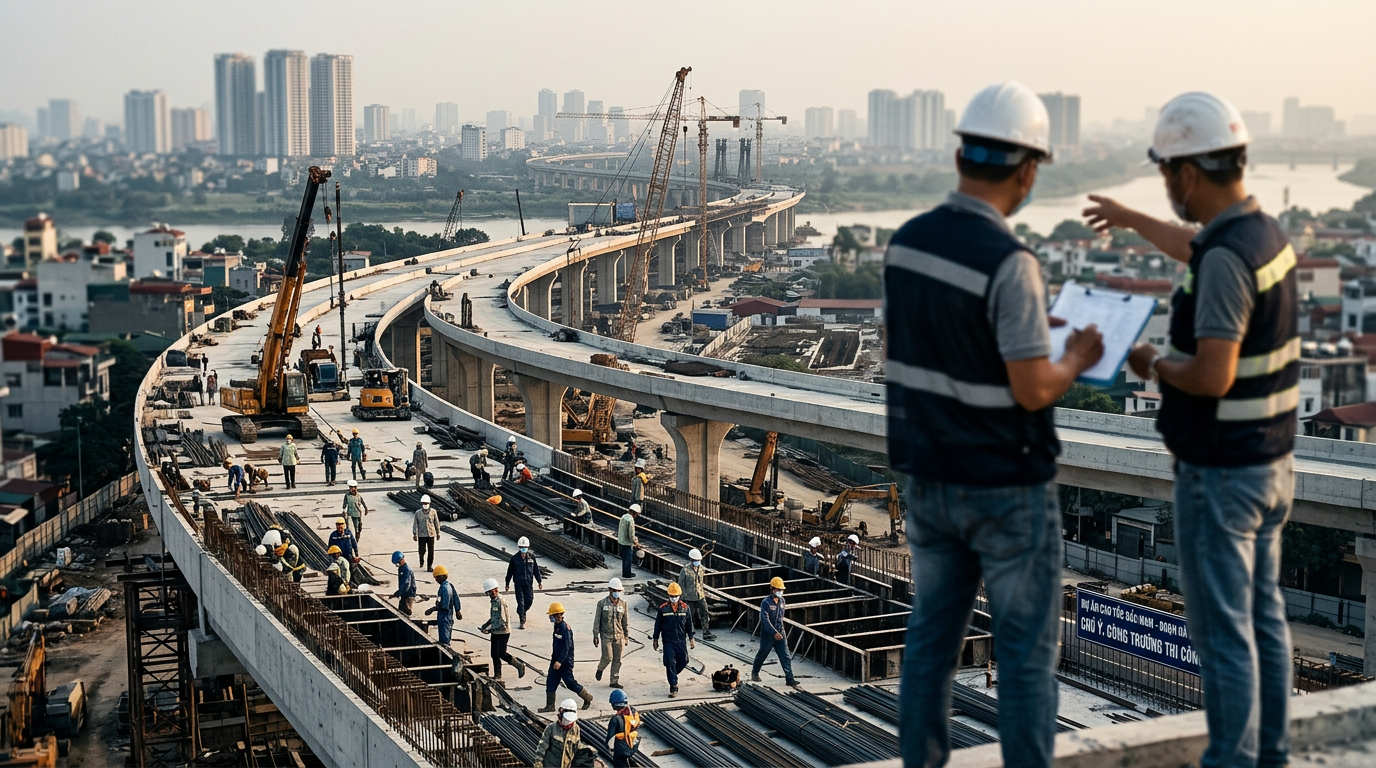
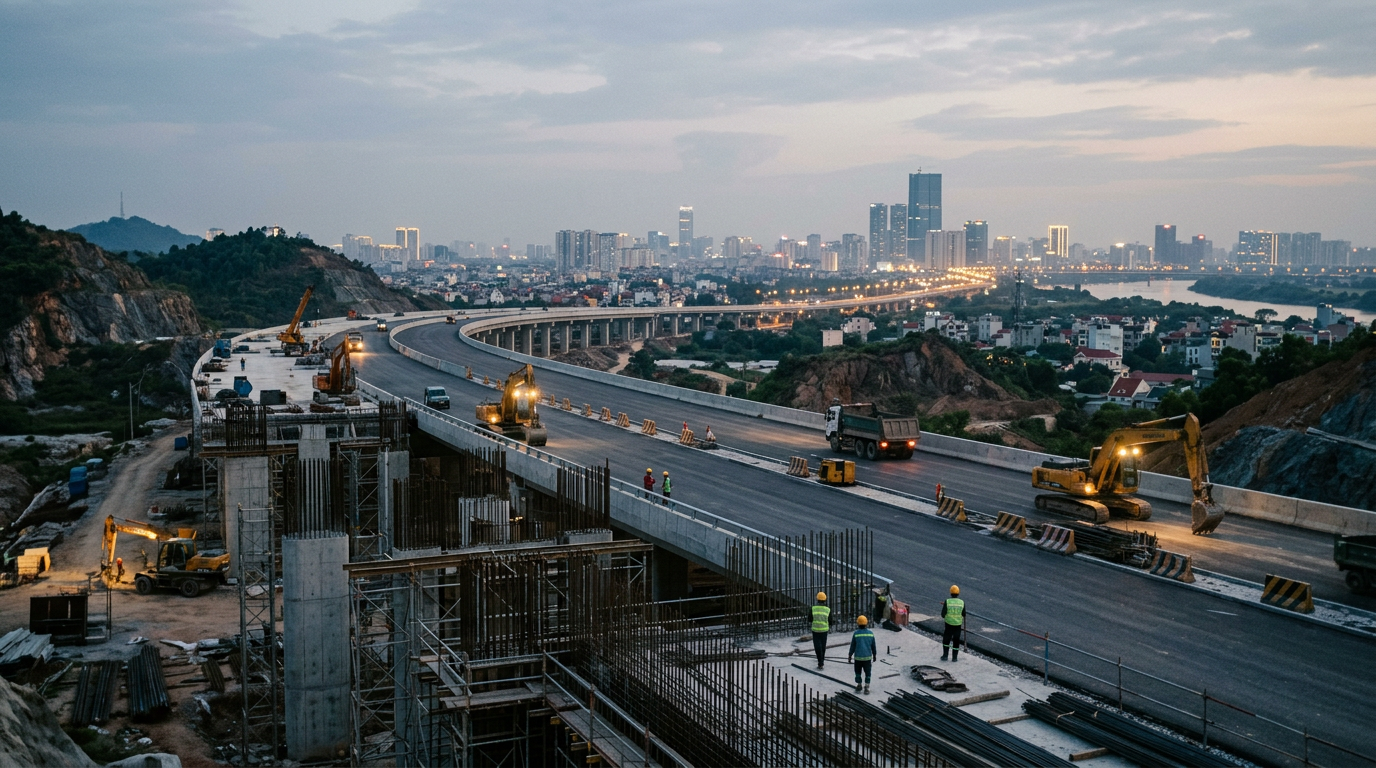
Vietnam is intensifying its campaign to draw private investment for a major expansion of its national expressway system, as reported by vietnamnews.vn. The government aims to secure approximately VND846 trillion in private funds for 29 key projects. The goal is to expand the country's expressway network to over 5,000 kilometers by 2030, a significant increase from the current length.
The Infrastructure Imperative
This initiative reflects a wider trend across ASEAN, where governments are prioritizing infrastructure development to sustain economic growth and enhance connectivity. The focus on expressways, ports, and energy grids is not just about building new assets but about ensuring they are completed and operated efficiently. As outlined in "ASEAN Rising", the reliability of state institutions in delivering these complex projects is becoming a central element of national comparative advantage. The ability to execute large-scale infrastructure projects on schedule sends a powerful signal to international investors about a country's state capacity and its commitment to reducing the costs of friction for businesses.
Public-Private Partnership Model
Vietnam's strategy leans heavily on public-private partnerships (PPPs) to meet its ambitious targets. This model allows the state to leverage private sector capital and expertise, but it also introduces complexity. Successful PPPs require a stable regulatory environment, transparent bidding processes, and clear frameworks for risk allocation. For private investors, the primary concern is the assurance of a predictable return on a long-term asset. The government's challenge is to structure these agreements in a way that is both attractive to capital markets and beneficial to the public, ensuring that the projects are not only financed but also well-maintained and integrated into the broader economy.
Execution as a Signal
Ultimately, the success of Vietnam's expressway plan will depend on execution. Grand announcements of infrastructure targets are common, but the actual delivery is what matters for economic competitiveness. The book "ASEAN Rising" notes that "infrastructure that arrives on time signals more than infrastructure that is merely announced." Completing these 29 projects will require significant institutional coordination and a sustained commitment to overcoming bureaucratic hurdles. The progress of this nationwide effort will be a clear indicator of Vietnam's institutional strength and its ability to build a state apparatus that is not just exciting in its ambitions but, more importantly, usable and effective for its citizens and for business.
What to watch: Observers should monitor the specific legal and financial frameworks Vietnam puts in place to de-risk these projects for private investors. The level of international interest in the initial tenders will be a key indicator of market confidence in the government's approach. The timely completion of the first few projects in this new push will be the most significant signal of the program's long-term viability.