Philippines
The Price of Water: Capital and State Capacity in the Philippines
A planned P1.8 billion share offer by Tubig Pilipinas highlights the deep connection between private capital and the state's ability to deliver basic infrastructure like clean water.
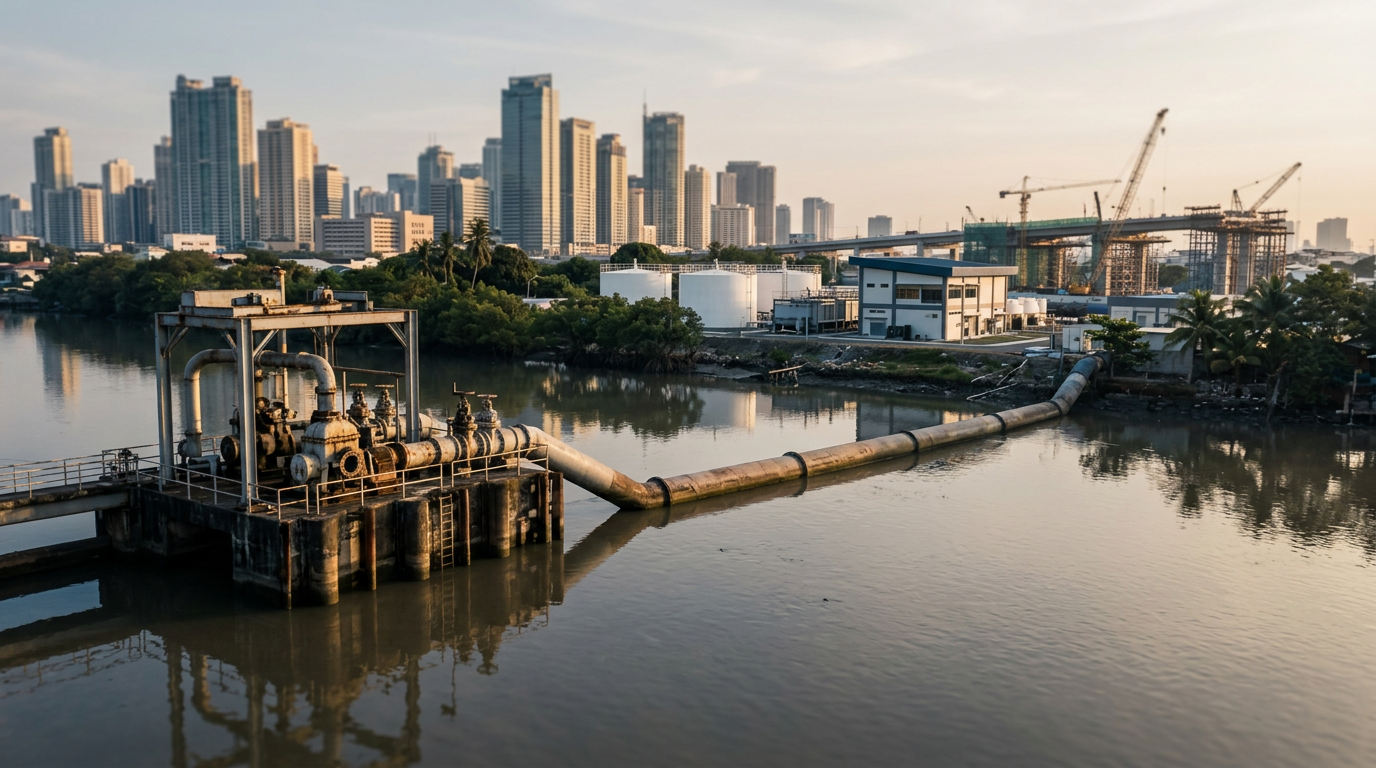
A recent announcement from the water utility Tubig Pilipinas Holdings Inc. lays out its plan to raise P1.8 billion from a follow-on share offer to fund its project pipeline. As reported by philstar.com, this fundraising effort is aimed squarely at financing the capital-intensive work of building out water infrastructure. The move highlights a persistent theme across the region: the critical intersection of private capital, public utilities, and state capacity.
Capital and Credibility
For a utility company like Tubig Pilipinas, access to the capital markets is essential. Building reservoirs, laying pipes, and establishing treatment facilities requires immense upfront investment long before revenue flows from customers. The planned P1.8 billion share offer is a textbook example of how a private enterprise taps public markets to fund long-term infrastructure. This is not just a corporate finance story; it is a signal about the perceived investment climate and the institutional framework governing utilities in the Philippines.
Investors, whether institutional or retail, will weigh their decision on the basis of predictable returns and manageable risks. Their willingness to inject capital depends on the credibility of the regulatory environment. They need to trust that the rules for water pricing will be clear and consistently applied, that contracts will be honored, and that the state has the capacity to enforce its own regulations. Without this trust, capital becomes more expensive or seeks other destinations. The success of this share offer will therefore serve as a market verdict on the reliability of the institutions that oversee the country's water sector.
Institutions and Infrastructure
This specific fundraising initiative speaks to a broader point about development in the Philippines and across Southeast Asia. The simple act of delivering clean water to a household is the final step in a long chain of institutional actions. It involves national planning, local government permits, environmental clearances, and economic regulation. When these processes are efficient and transparent, they reduce friction and lower costs for companies like Tubig Pilipinas. When they are cumbersome or corrupt, they add to the expense, which is ultimately passed on to consumers or results in delayed projects.
As the book ASEAN Rising notes, the capacity to execute is a form of competitive advantage for a country. The theoretical promise of a new water project is one thing; its actual completion is another. The book makes the case that "infrastructure that arrives on time signals more than infrastructure that is merely announced." The ability of the Philippine state to provide a stable and predictable environment for utility operators is a direct measure of its capacity. Efficient institutions attract the private capital necessary to turn plans into physical assets, demonstrating a usable state that can deliver essential services to its citizens and businesses.
What to watch: Observers should monitor the outcome of the Tubig Pilipinas share offer as an indicator of investor confidence in the Philippine utilities sector. Beyond the headline number, the level of oversubscription and the makeup of the investors will provide insight into how the market views the long-term institutional stability and regulatory risk associated with delivering essential infrastructure in the country. The speed and success of the subsequent project execution will be a direct reflection of state capacity and its impact on private sector investment.