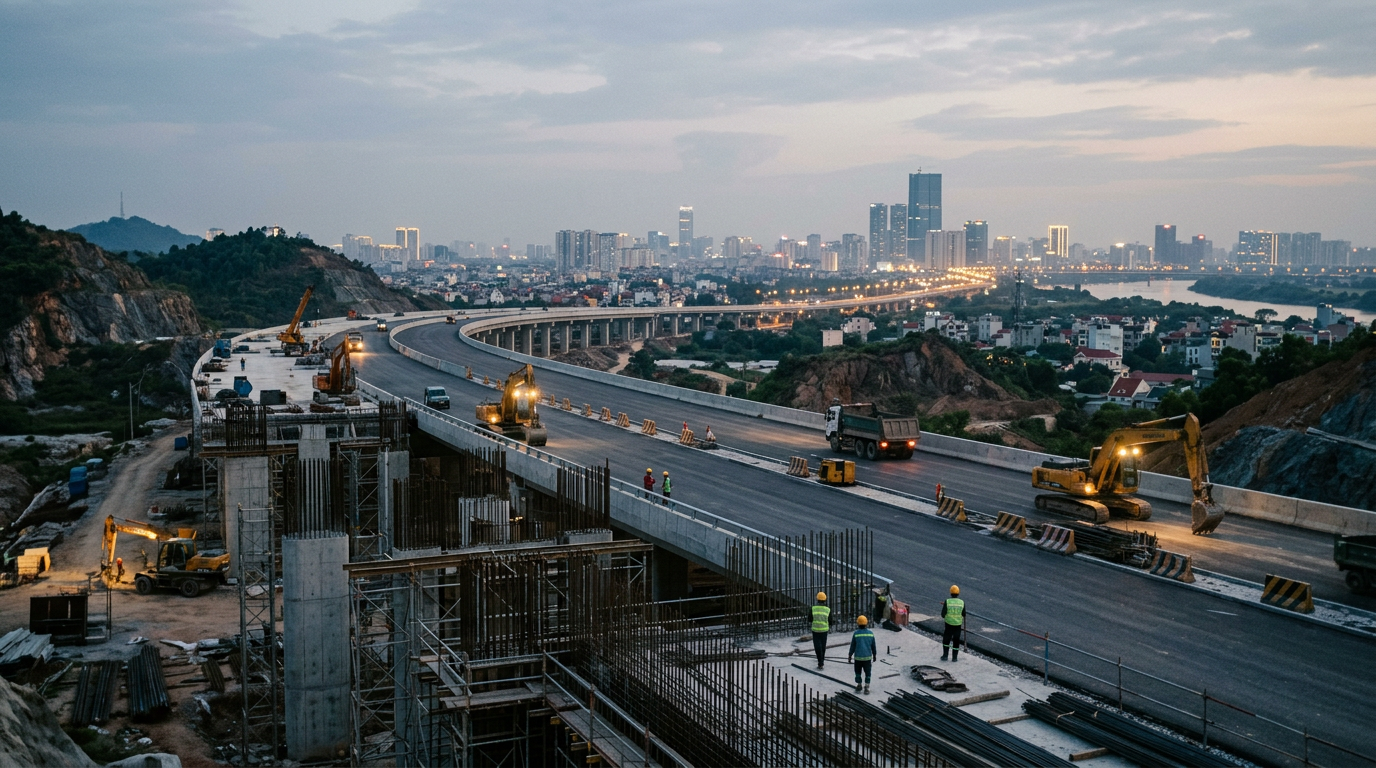
Vietnam
's Infrastructure Push Tests its Institutions
Hanoi is trying to bring more private capital into its ambitious expressway buildout. The real test is not in the announcement, but in the execution and the reliability of the institutions that oversee these complex projects.
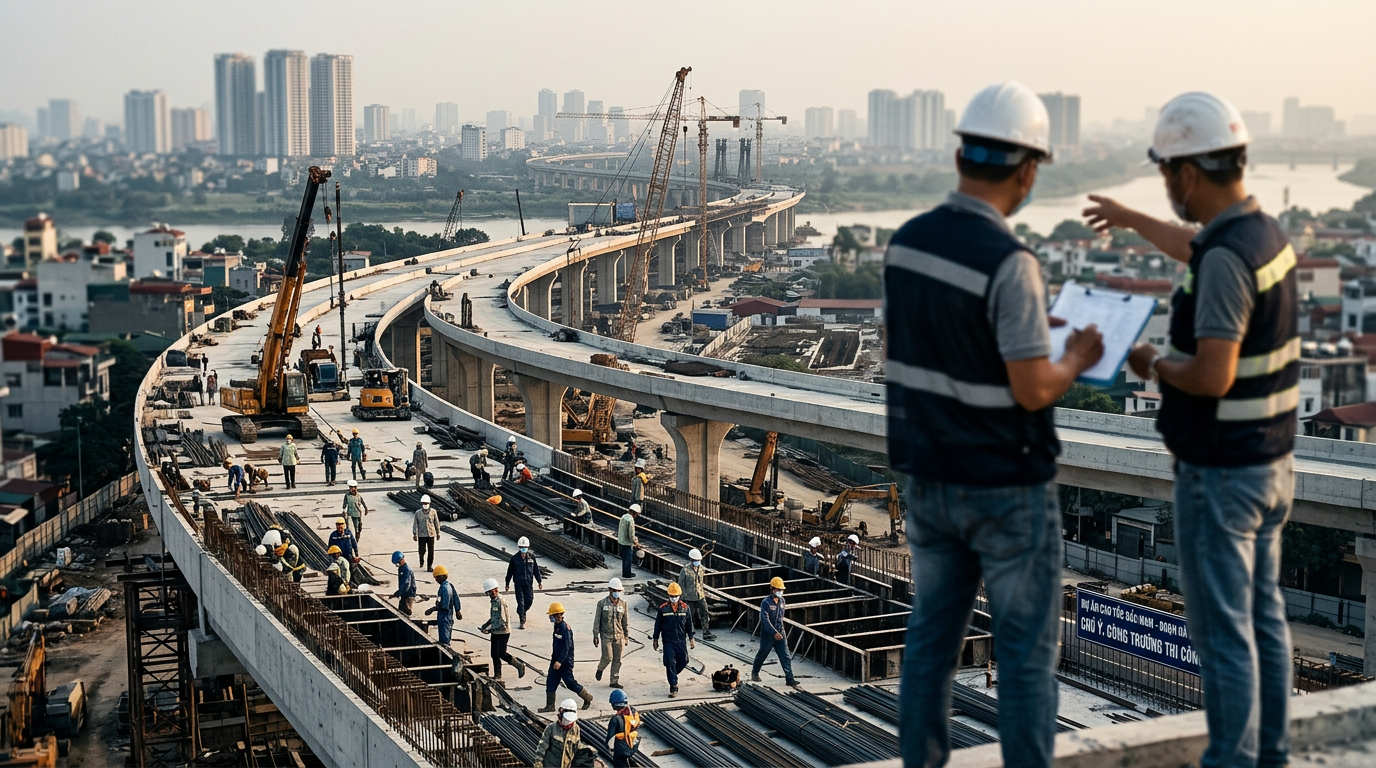
A recent report from Vietnam Investment Review details Hanoi's latest efforts to attract private investment for its ambitious national expressway network. The government aims to construct thousands of kilometers of new roads, a foundational element for continued economic growth. While the announcements are bold, the success of this initiative will depend on the quality of the underlying institutions managing these large-scale public-private partnerships.
Institutions and Execution
The push for infrastructure is a familiar story in Southeast Asia. What distinguishes successful projects from disappointing ones is often the capability of the state to manage complexity and reduce friction for its private sector partners. As noted in ASEAN Rising, effective state capacity means that projects are not just announced, but are also completed on schedule and within budget. The book observes that "infrastructure that arrives on time signals more than infrastructure that is merely announced." This is the core issue for Vietnam's expressway plan. Attracting domestic and international capital requires convincing investors that contracts will be honored, regulations will be clear and consistent, and that the state has the technical and administrative ability to oversee these massive undertakings.
Capital and Trust
Vietnam is seeking to mobilize private capital to supplement its state budget, employing public-private partnership (PPP) models. This is a sensible approach to funding, but it introduces new variables. Private investors, whether they are banks, construction firms, or investment funds, are primarily concerned with risk and return. Their willingness to commit capital is a direct reflection of their trust in the state's institutions. Unclear bidding processes, the risk of political interference, or a history of project delays can deter private funding far more effectively than any government incentive can attract it. The legal and regulatory framework governing PPPs must be robust and, just as important, it must be perceived as reliable by the market. This is where institutional quality becomes a tangible economic asset.
The Long Road
Vietnam's goal of a modern expressway system is central to its industrialization and modernization strategy. Better roads will lower the cost of logistics, connect manufacturing hubs to ports, and facilitate the flow of goods and people across the country. However, the path from blueprint to reality is paved with institutional challenges. The government's ability to create a transparent, predictable, and efficient environment for its private partners will determine the pace and ultimate success of this infrastructure drive. The quality of state institutions is not an abstract concept; in the case of Vietnam's expressways, it is the primary determinant of whether capital will flow and concrete will be poured.
What to watch
Observers should monitor the specific mechanisms Vietnam puts in place for PPPs in the transport sector. The focus should be on the transparency of tender processes, the framework for risk allocation between the state and private partners, and the government's capacity to manage project execution. The initial tender results and the level of interest from established international infrastructure investors will be early indicators of market confidence in Vietnam's institutional framework.