Thailand
: Beyond the FDI Announcement
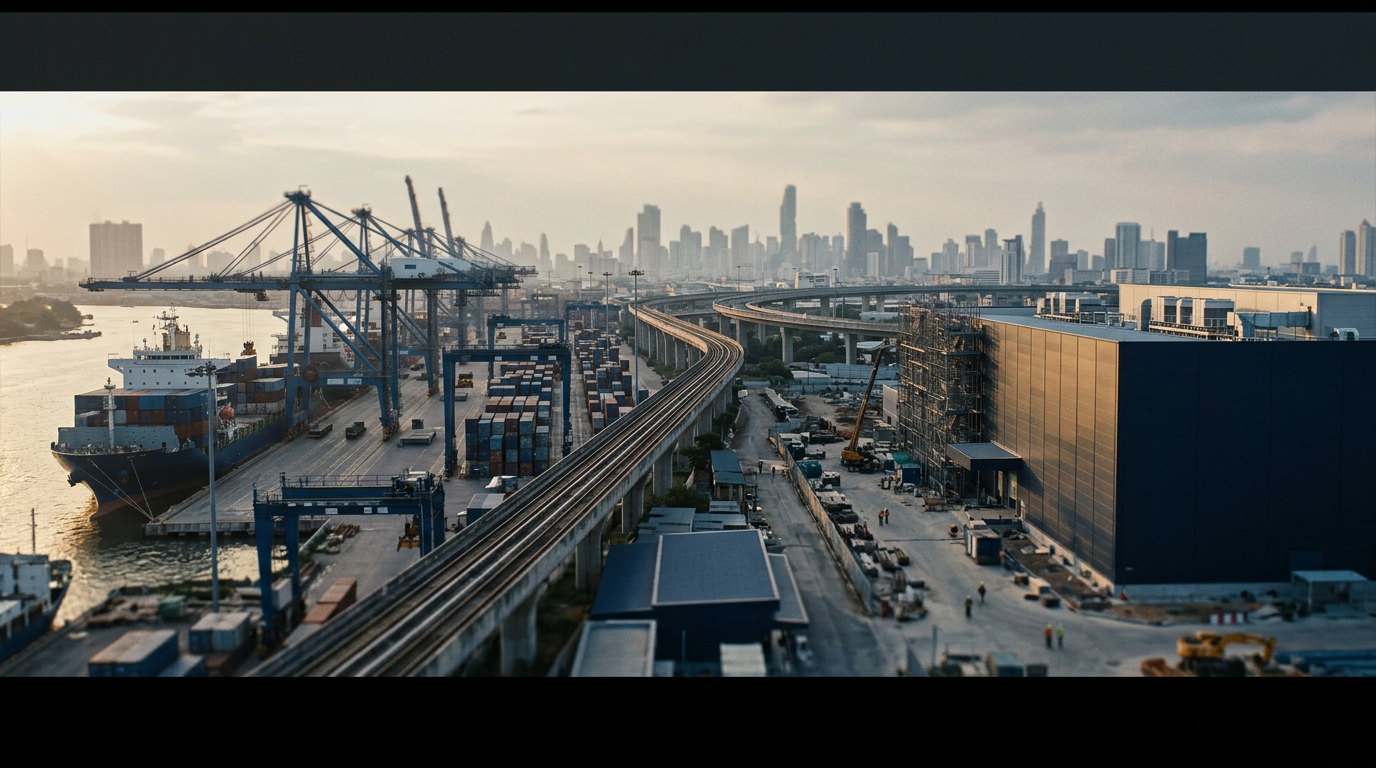
Thailand is making a serious bid to become a regional semiconductor hub, but the real work begins after the press releases. Scale matters only when institutions can turn it into investable depth.
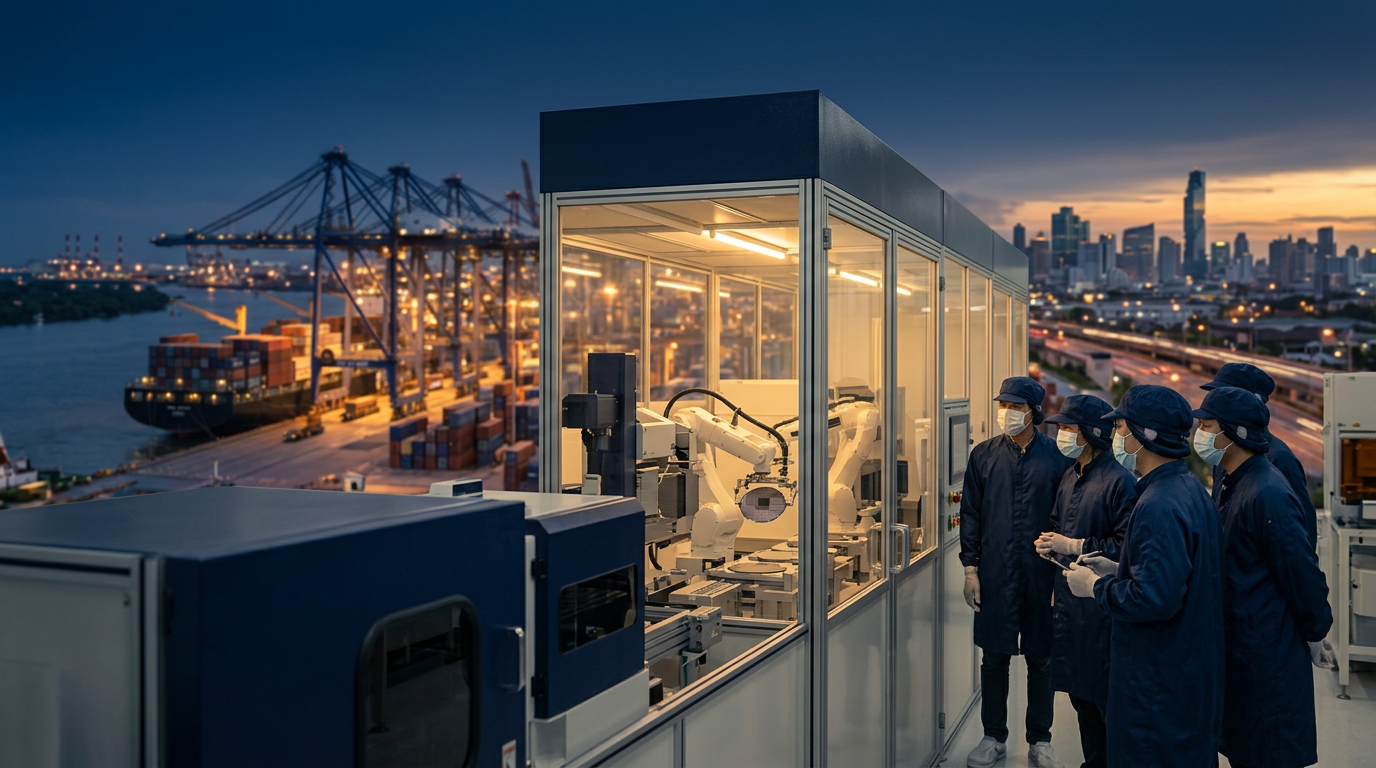
Thailand is accelerating its plan to become a regional semiconductor hub, attracting significant foreign investment. According to a recent report from vietnamnews.vn, German chipmaker Infineon Technologies is set to build a new US$1.4 billion complex, and the government is offering a range of incentives to draw in more global players.
Institutions and Execution
Headline-grabbing foreign direct investment (FDI) announcements are a positive signal, but they represent the start, not the finish line. The true measure of success lies in converting these announcements into operational realities. As the book "ASEAN Rising" notes, "Realised flows depend on the slower work of land, permits, power and talent reaching the ground." Thailand's Board of Investment (BOI) is central to this effort, creating a package of incentives that includes tax holidays and visa facilitation to streamline the process for incoming firms. The effectiveness of these institutions in managing the complex on-the-ground execution will determine if the promised investment translates into sustainable industrial capacity.
Capital and Infrastructure
The scale of investment required for a competitive semiconductor industry is immense. The US$1.4 billion from Infineon is a significant start, but it is just one piece of a much larger puzzle. Building a complete ecosystem-from fabrication plants to assembly, testing, and packaging (ATP) facilities-requires a massive mobilization of capital, both public and private. Furthermore, the semiconductor industry is famously resource-intensive, demanding uninterrupted power, vast quantities of purified water, and specialized logistics infrastructure. Thailand's Eastern Economic Corridor (EEC) is designed to provide this foundation, but the demands of advanced chip manufacturing will test the limits of the country's existing infrastructure and its capacity for future upgrades.
Talent and Trust
Perhaps the most significant long-term factor will be talent. A semiconductor hub cannot be built on capital and concrete alone. It requires a deep pool of highly skilled engineers, technicians, and researchers. The Thai government has stated its intention to develop the domestic workforce, but this is a multi-decade project. In the near term, Thailand will need to attract international talent while simultaneously investing heavily in its own educational and vocational training programs. Building trust with global firms like Infineon and others is essential. This means providing a predictable regulatory environment, protecting intellectual property, and demonstrating a long-term commitment to the industry that transcends political cycles.
What to watch
Thailand's bid for semiconductor prominence is a serious one, backed by significant government support and initial investor interest. The key indicators to watch are not the initial FDI announcements, but the progress in project execution on the ground. Observers should monitor the development of supporting infrastructure in the EEC, the growth of the skilled labor pool, and the ability of Thai institutions to manage the intricate process of turning ambitious plans into a functioning industrial ecosystem. The journey from announcement to operational reality will be a marathon, not a sprint.