
 Thailand
's Egg Export Curbs: A Lesson in Execution
Thailand's recent move to curb egg exports highlights a persistent challenge across ASEAN: turning policy into reality. The gap between announced goals and on-the-ground execution remains a drag on the region's economic integration and growth potential.
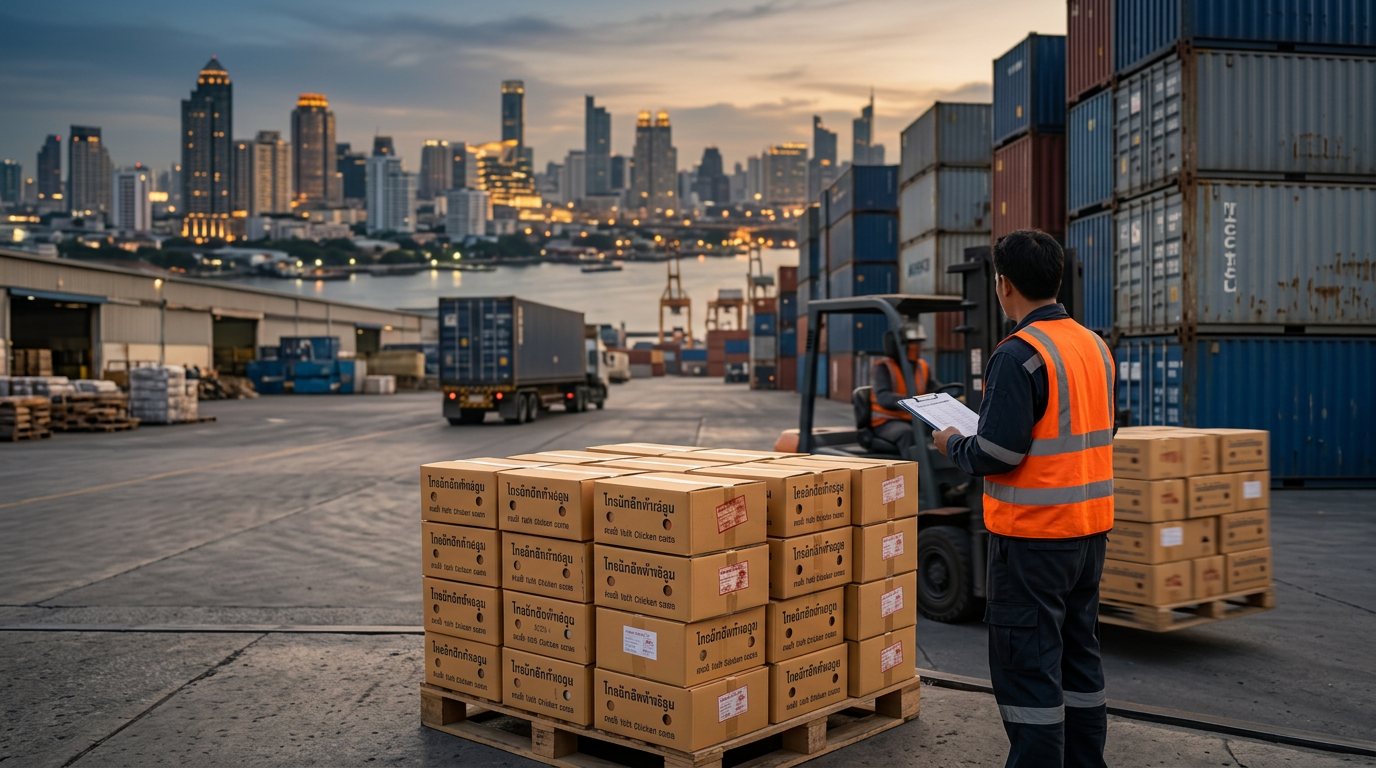
Thailand has asked egg producers to reduce exports by 30% to 50% through the end of 2026, a response to domestic supply shortages caused by severe flooding. The move, reported by the Bangkok Post, is a precautionary measure to stabilize the national market and shield consumers from price shocks. While seemingly a minor agricultural trade matter, it exposes a fundamental theme in regional development: the immense difficulty of executing plans on the ground, especially when confronting the realities of infrastructure and climate.
The Execution Gap
Thailand's predicament is a case study in the gap between policy and reality. A national economy needs predictable inputs, from electricity to labor to agricultural goods. The recent floods disrupted this predictability, forcing a retreat from export commitments to serve domestic needs. This is not a uniquely Thai problem. Across Southeast Asia, governments announce ambitious foreign direct investment targets and grand infrastructure projects. Yet, as the book ASEAN Rising notes, the conversion of these announcements into tangible results is often slow and inefficient. The real work involves coordinating land acquisition, securing permits, ensuring reliable power, and developing a skilled workforce. The institutional capacity to manage these complex processes is what separates ambition from achievement.
From Announcements to Reality
The core of the issue is institutional quality. Strong institutions are necessary to translate a country's inherent advantages, such as a large population or strategic location, into a competitive and resilient economy. The chapter on Indonesia in ASEAN Rising observes that "scale matters only when institutions can turn it into investable depth." This applies equally to Thailand and its neighbors. Foreign investment commitments are secured quickly, but the realized investment depends on the slow, detailed work of implementation. An inability to deliver reliable infrastructure, whether it is a flood-control system or a power grid, directly impacts a country's ability to sustain production for both domestic and international markets.
The Thai government's request to limit egg exports is a rational response to a crisis. However, it also signifies an underlying vulnerability. The flooding did not just damage farms; it tested the resilience of the country's infrastructure and the institutions responsible for managing it. For foreign investors and trading partners, such events raise questions about supply chain reliability. A country that can effectively mitigate flood risks and ensure stable agricultural output is a more attractive partner than one that must resort to export controls when faced with predictable environmental challenges.
What to watch
Observers should monitor how Thailand and other ASEAN nations invest in climate-resilient infrastructure, particularly for flood management and agricultural protection. The effectiveness of these long-term capital projects will determine whether countries can meet their domestic needs while also fulfilling their role as reliable exporters in the global economy. The frequency and severity of similar supply chain disruptions will be a key indicator of institutional strength and the region's progress in closing the execution gap.

 Malaysia