Singapore
's Riverfront Bet On Regional Capital
A high-profile Singapore real estate project bankrolled by a Thai billionaire shows how regional capital is reshaping ASEAN's urban landscapes, but Singapore's high costs demand execution to match.
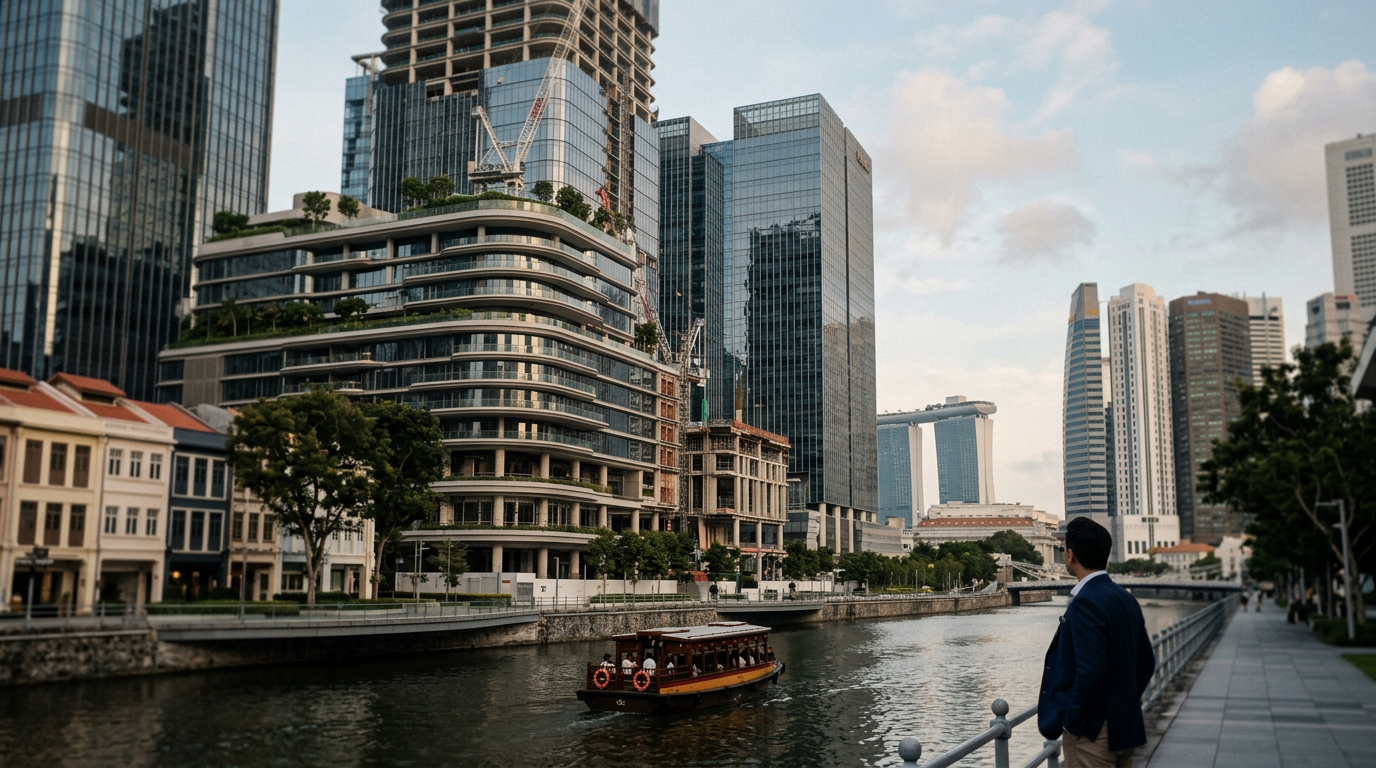
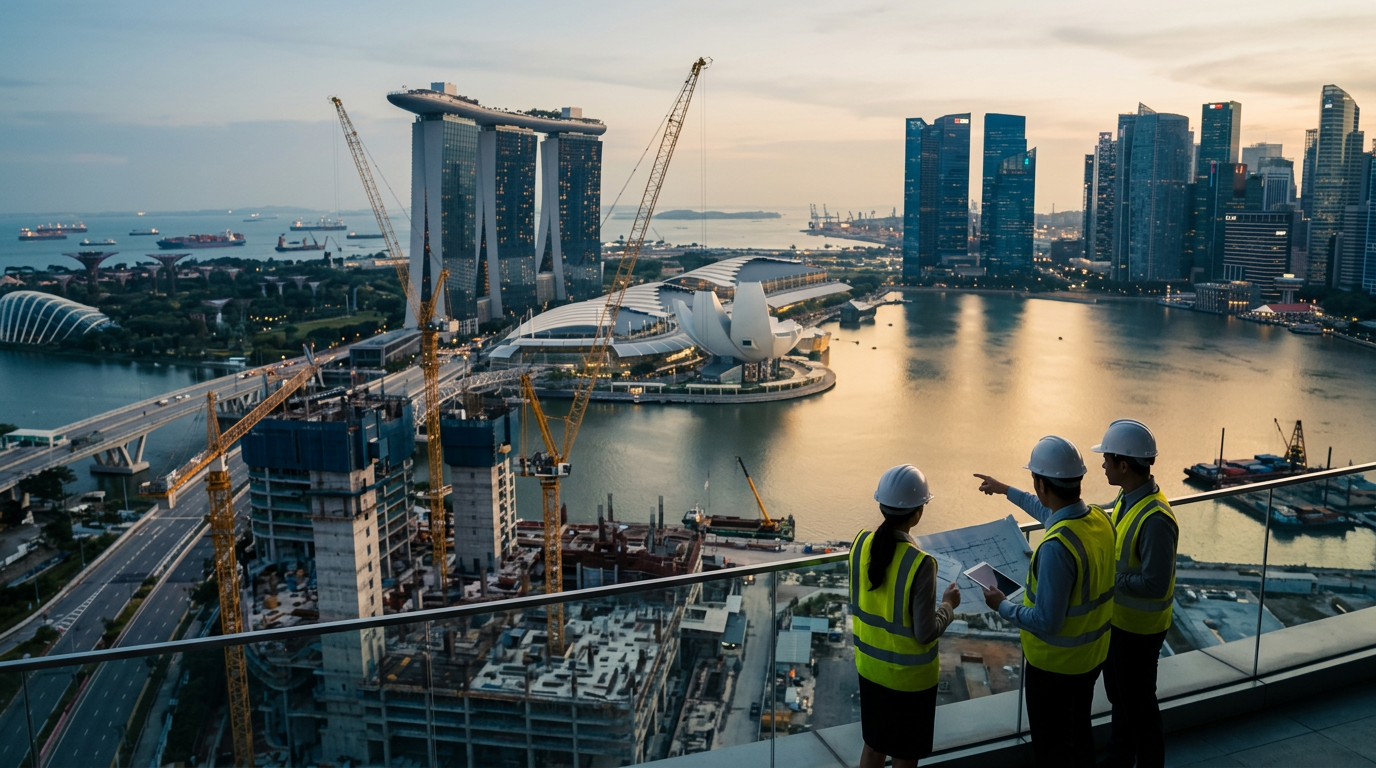
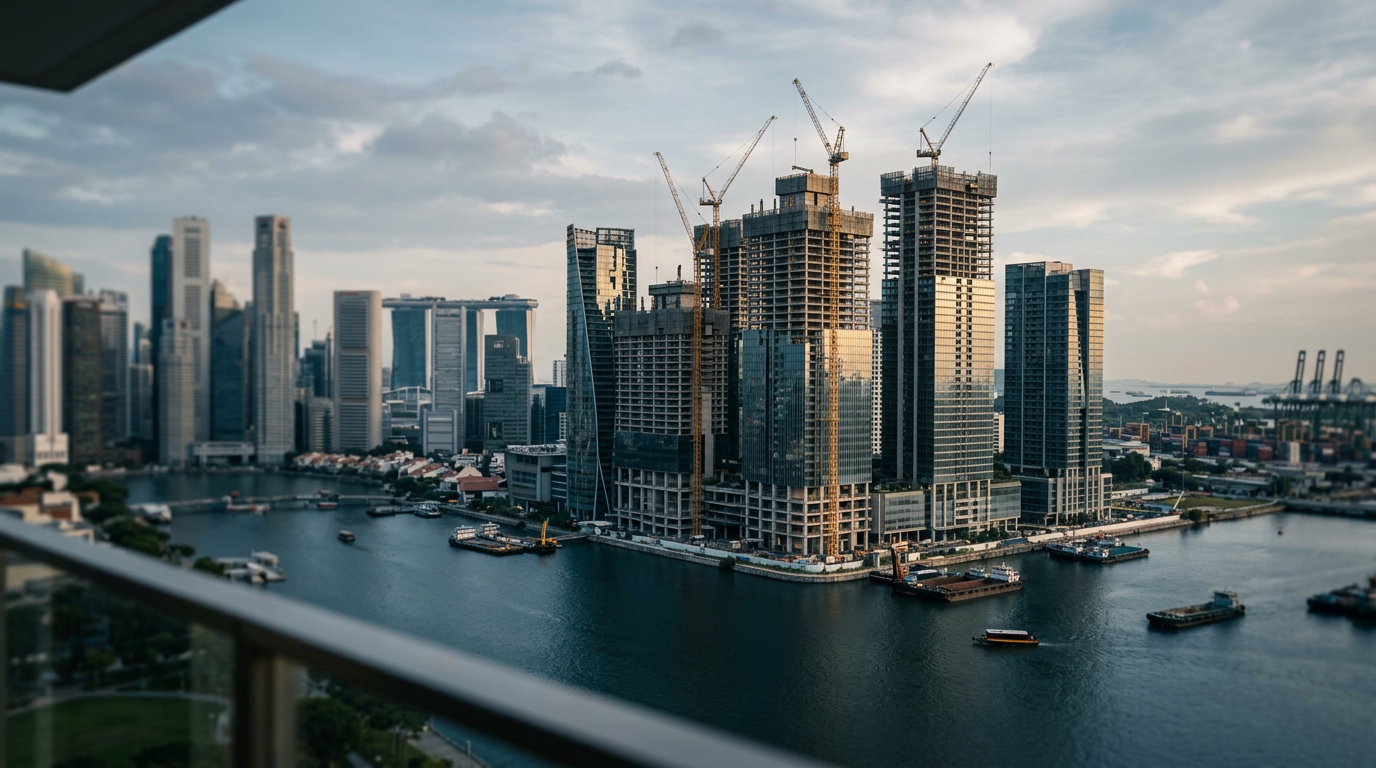
A joint venture majority-owned by Thai billionaire Charoen Sirivadhanabhakdi is set to develop a luxury mixed-use project along the Singapore River, as reported by VN Express. The development, Frasers Property, will include 407 residential units and sky villas, signaling a significant flow of regional capital into one of Southeast Asia's most mature and expensive property markets.
Capital Follows Confidence
The Singapore real estate venture is a clear example of cross-border ASEAN investment in action. A Thai-backed firm is deploying substantial capital into a high-end Singaporean development, a move that speaks to the confidence in Singapore's long-term stability and rule of law. This is not speculative, hot money. It is a long-term commitment to a tangible asset in a highly regulated environment. This kind of investment reinforces Singapore's position as a hub for regional capital, a safe harbor where wealth from across Southeast Asia can be consolidated and put to productive use. The project reflects a broader trend of intra-ASEAN investment, where conglomerates are increasingly looking for growth and diversification within the region itself, rather than looking only to Western or East Asian markets.
Execution is Everything
While the announcement is notable, the ultimate success of the project rests on execution. Singapore's high land and construction costs leave little room for error. The government's firm control over land use and development permits provides a stable framework, but it also imposes stringent requirements. As the book "ASEAN Rising" notes in a different context, while investment announcements travel quickly, "realised flows depend on the slower work of land, permits, power and talent reaching the ground." In Singapore's case, the institutional framework is robust, but developers must still navigate the high-cost environment for labor, materials, and professional services. The project's profitability will depend on meticulous management of these factors to deliver a product that can command a premium from global and regional buyers.
A Tale of Two Cities?
The flow of Thai capital into Singapore contrasts with investment patterns in larger, less developed ASEAN markets. In places like Indonesia or Vietnam, foreign direct investment is often drawn to manufacturing, natural resources, or infrastructure, chasing scale and demographic growth. Singapore, however, attracts a different kind of capital, one that seeks stability, sophistication, and access to a high-income consumer base. This project is not about building a factory to export goods; it is about creating a luxury lifestyle product for the region's elite. It shows the deepening specialization within ASEAN, where different member states occupy distinct niches in the regional economy. Singapore's niche is that of a wealth management and high-value services hub, and this real estate venture fits squarely within that identity.
What to watch
Watch for the sources of capital in other large-scale urban developments across ASEAN. The origin of the funds- whether from within the region or from outside- often reveals the underlying confidence in a country's institutions and long-term prospects. Pay attention to how successfully these projects are executed, as this demonstrates the true capacity of a market to absorb and effectively deploy large amounts of capital. The ability to translate investment announcements into finished, profitable projects is the ultimate measure of an economy's maturity.