Vietnam
Beyond the Headlines: Translating Vietnam's Wealth Growth into FDI
Vietnam's fast-growing cohort of ultra-rich individuals is a positive signal, but sustained foreign direct investment will depend on the country's ability to build out its institutional and physical infrastructure.
A recent report highlighted Vietnam's rapidly expanding population of ultra-high-net-worth individuals, projecting a 59% increase in those worth over US$30 million by 2031. As reported by e.vnexpress.net, this would be the fourth-fastest growth rate globally. While this growth in private wealth is a strong indicator of economic dynamism, it does not automatically translate into broad-based foreign direct investment (FDI). The journey from headline-grabbing announcements to tangible, long-term investment is a complex one, paved with the steady work of institutional reform and infrastructure development.
Institutions and Investable Depth
The emergence of a wealthy class is a sign of economic opportunity, but for international investors, the true measure of a market is its depth and predictability. This is where the quality of institutions becomes paramount. As noted in the book ASEAN Rising, "realised flows depend on the slower work of land, permits, power and talent reaching the ground." Without efficient bureaucratic processes, clear and enforceable contracts, and a reliable legal framework, investor interest can quickly wane. Vietnam has made significant strides in improving its business environment, but the next phase of growth will require an even greater focus on streamlining these foundational elements. The goal is to create a market where capital can be deployed with confidence, not just announced with fanfare.
From Capital to Concrete Assets
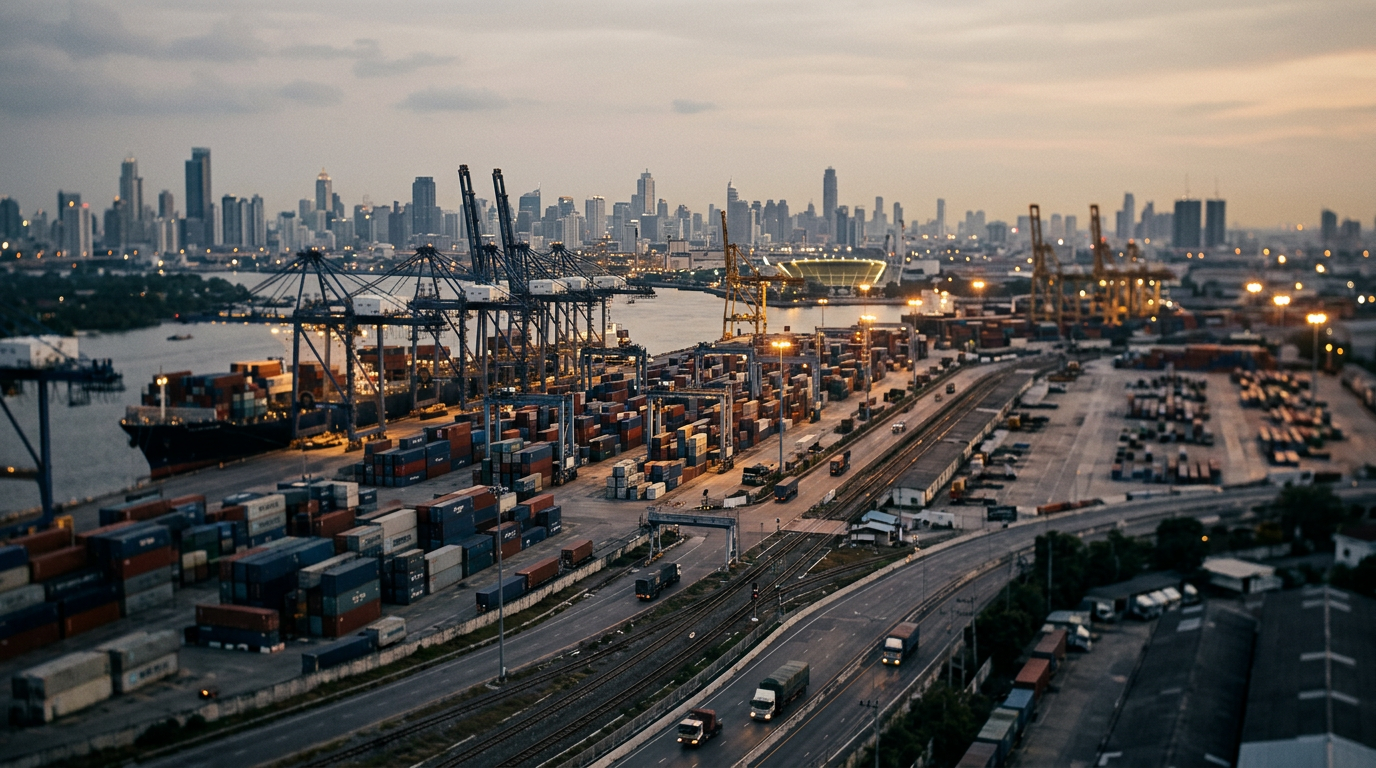
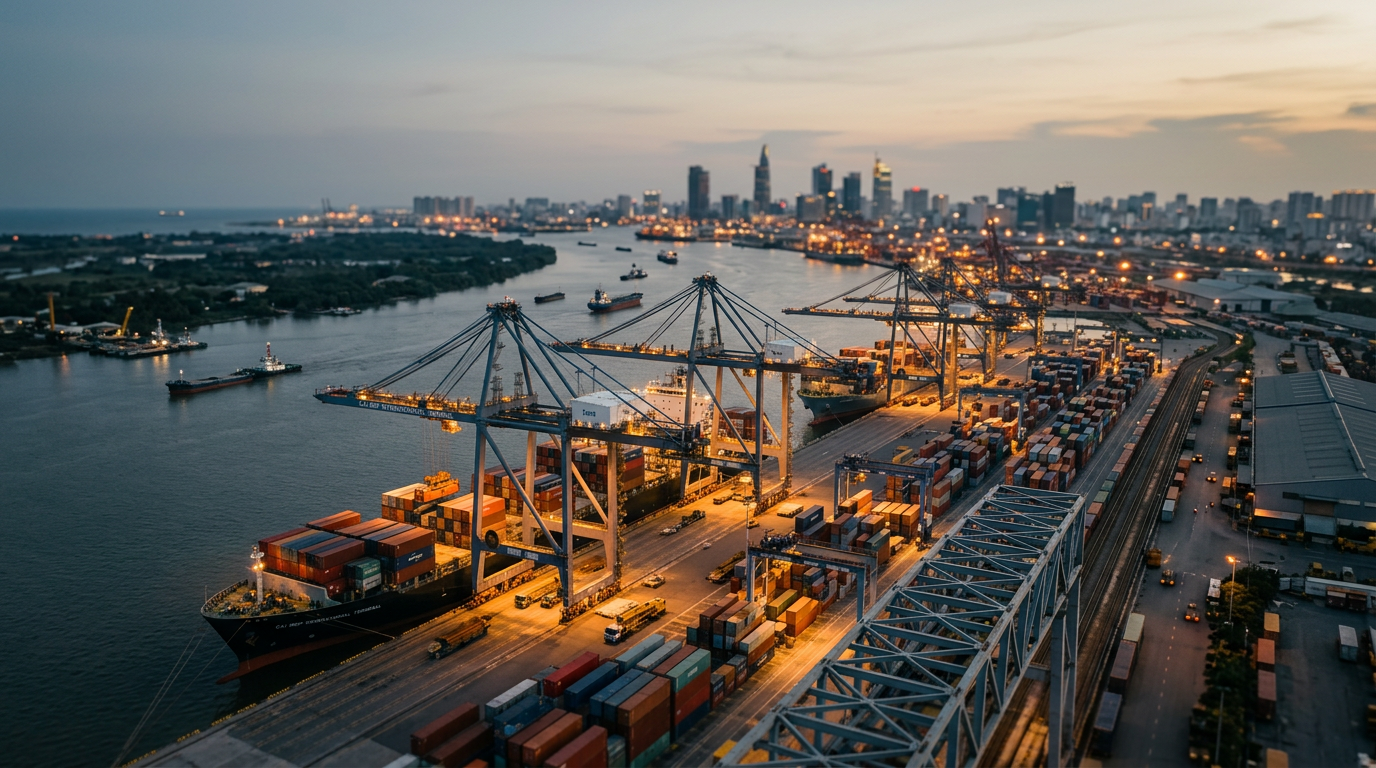
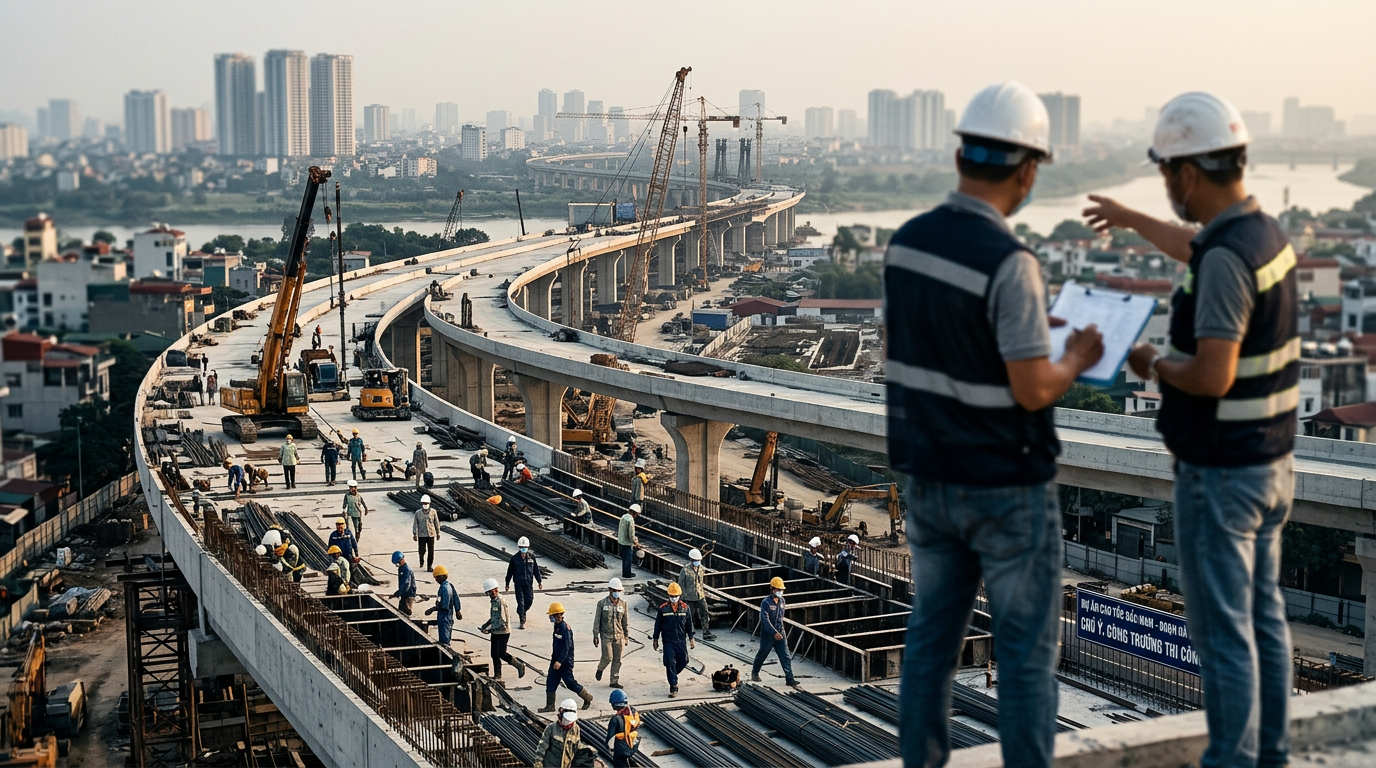
The flow of FDI is contingent on the availability of physical infrastructure to support new ventures. A factory, a data center, or a logistics hub requires more than just capital; it needs reliable access to electricity, water, and transportation networks. Vietnam's ambitious infrastructure agenda, including the North-South Expressway and various port expansions, is a direct response to this need. The challenge lies in execution. Ensuring these large-scale projects are completed on time and within budget is essential to maintaining investor confidence. Delays and cost overruns can signal underlying institutional weaknesses, deterring the very capital the projects are meant to attract. The ability to translate investment blueprints into concrete assets is a test of a nation's capacity for long-term strategic planning and project management.
The Talent Equation
Ultimately, both capital and infrastructure are inert without a skilled workforce to activate them. As Vietnam ascends the value chain, the demand for specialized talent-from software engineers to factory managers-will only intensify. While the country benefits from favorable demographics, raw labor is not enough. Sustained investment in education and vocational training is necessary to equip the workforce with the skills required by advanced manufacturing and service industries. Aligning the output of the education system with the needs of the market is a long-term endeavor that requires close collaboration between the government, educational institutions, and the private sector. The availability of a deep and adaptable talent pool is often the deciding factor for companies making long-term commitments to a country.
What to watch
Observers should monitor the pace of both physical infrastructure development and regulatory reforms. The speed at which Vietnam can simplify permitting processes for industrial and energy projects will be a key indicator of its ability to absorb the next wave of FDI. Also, watch for new government initiatives aimed at upgrading workforce skills and how effectively they are implemented in partnership with the private sector. The true test will be whether realized FDI in high-value sectors begins to match the optimistic headlines about the country's growing wealth.
 Thailand