Singapore
's Open FDI Stance Attracts Thai Capital
A high-profile real estate investment from a Thai conglomerate into Singapore highlights the city-state's durable appeal, which is built on institutional quality and a predictable, open business environment.
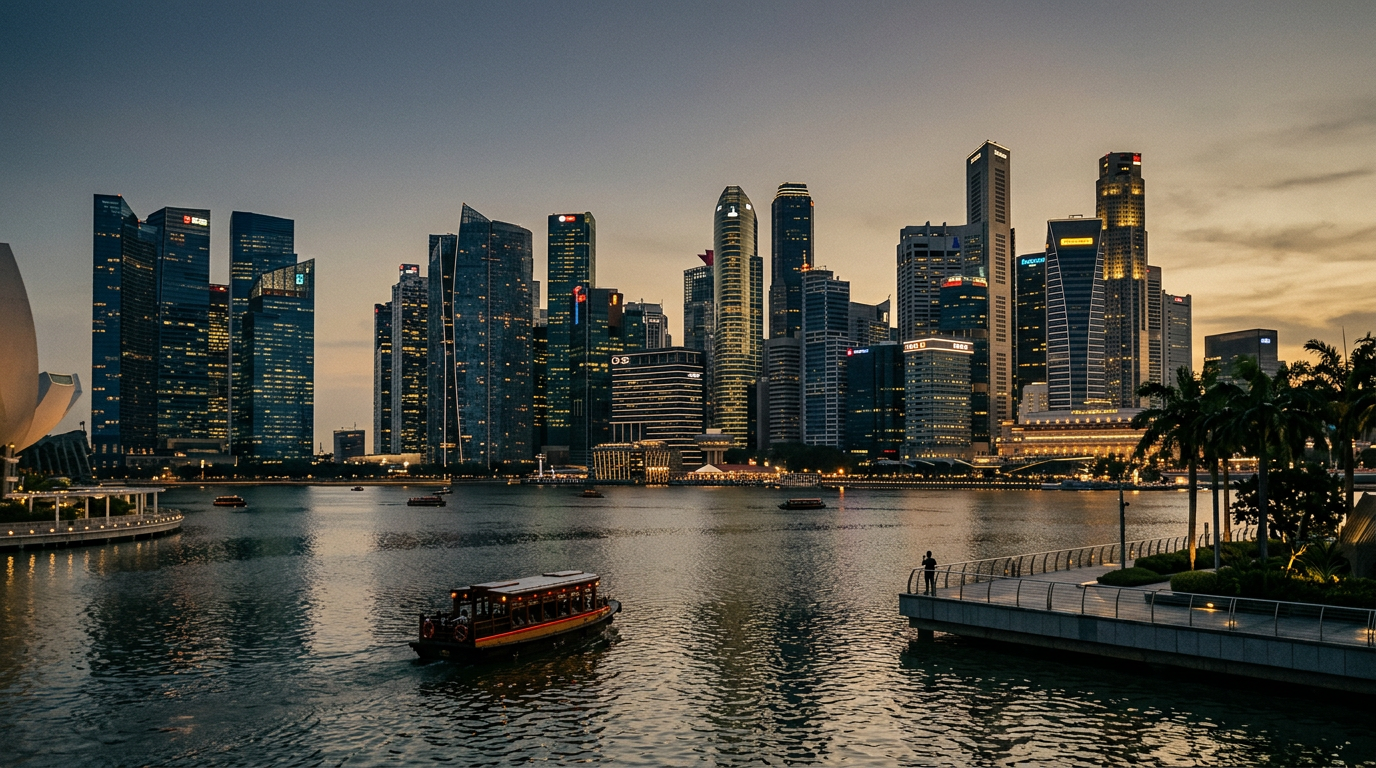
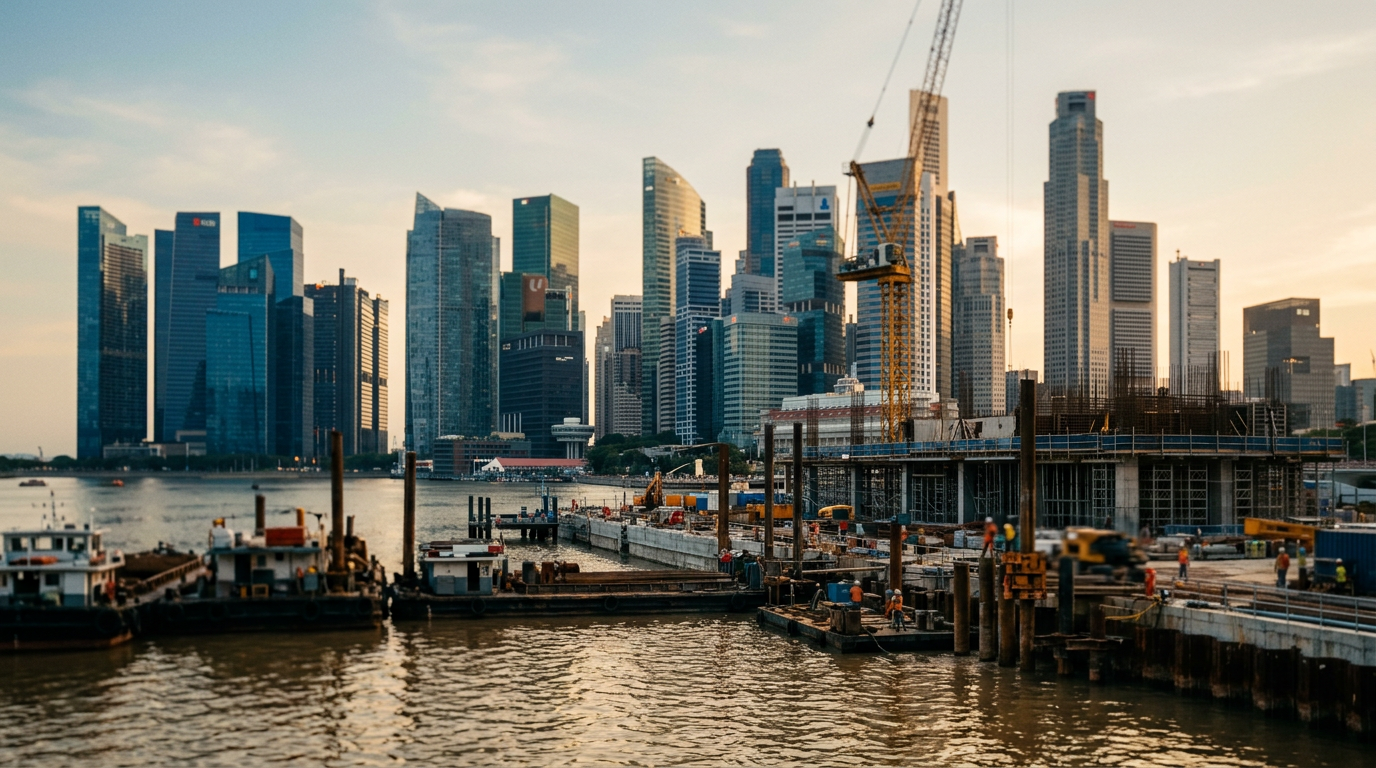
A joint venture majority-owned by Thai billionaire Charoen Sirivadhanabhakdi is set to develop a luxury mixed-use project along the Singapore River, as reported by e.vnexpress.net. The development, managed by Frasers Property, will include hundreds of residential units and commercial space, signaling continued confidence from major ASEAN investors in Singapore's high-end property market.
Institutions and Investable Depth
Singapore's ability to attract and absorb large-scale foreign direct investment (FDI) is not accidental. It is the result of a long-term strategy built on institutional quality. While headlines often focus on the announcement of large projects, the actual implementation depends on a robust framework of regulations and a predictable business environment. This is the core of Singapore's value proposition to international and regional capital. Investors are not just buying into a specific project but into the stability and reliability of the Singaporean system.
The country has consistently ranked at the top of global indices for ease of doing business, legal predictability, and transparency. This institutional strength ensures that large, complex projects can move from announcement to completion efficiently. As the book "ASEAN Rising" notes, for any nation, "realised flows depend on the slower work of land, permits, power and talent reaching the ground." Singapore has refined these processes over decades, creating what can be described as investable depth, where capital can be deployed with a high degree of certainty.
Intra-ASEAN Flows and Capital Allocation
The investment from a Thai-controlled entity into Singapore is a significant example of intra-ASEAN capital flows. It demonstrates a sophisticated allocation strategy where capital from one ASEAN economy is deployed into another to leverage specific strengths. Thailand's domestic market has its own drivers, but for its largest conglomerates, diversification across the region is a standard part of their growth strategy. Singapore, with its stable currency, deep capital markets, and status as a global financial hub, presents a logical destination for capital seeking long-term value preservation and appreciation.
This movement of capital reflects a mature regional economic landscape where investors are making calculated decisions based on the distinct advantages of each market. While emerging economies in ASEAN may offer higher growth potential, Singapore offers unparalleled stability and a safe haven for capital. For a conglomerate like the one led by Mr. Sirivadhanabhakdi, balancing high-growth ventures with stable, income-generating assets in a mature market like Singapore is a prudent approach to managing a regional portfolio.
What to watch
Moving forward, it will be instructive to observe how intra-ASEAN investment patterns evolve. Pay attention to whether capital from the region's largest economies continues to flow into Singapore's stable, high-value sectors, or if a larger share begins to be redirected towards greenfield projects in ASEAN's developing markets. The balance of these flows will be a key indicator of regional risk appetite and the perceived readiness of other ASEAN nations to match Singapore's institutional quality for large-scale, long-term investments.