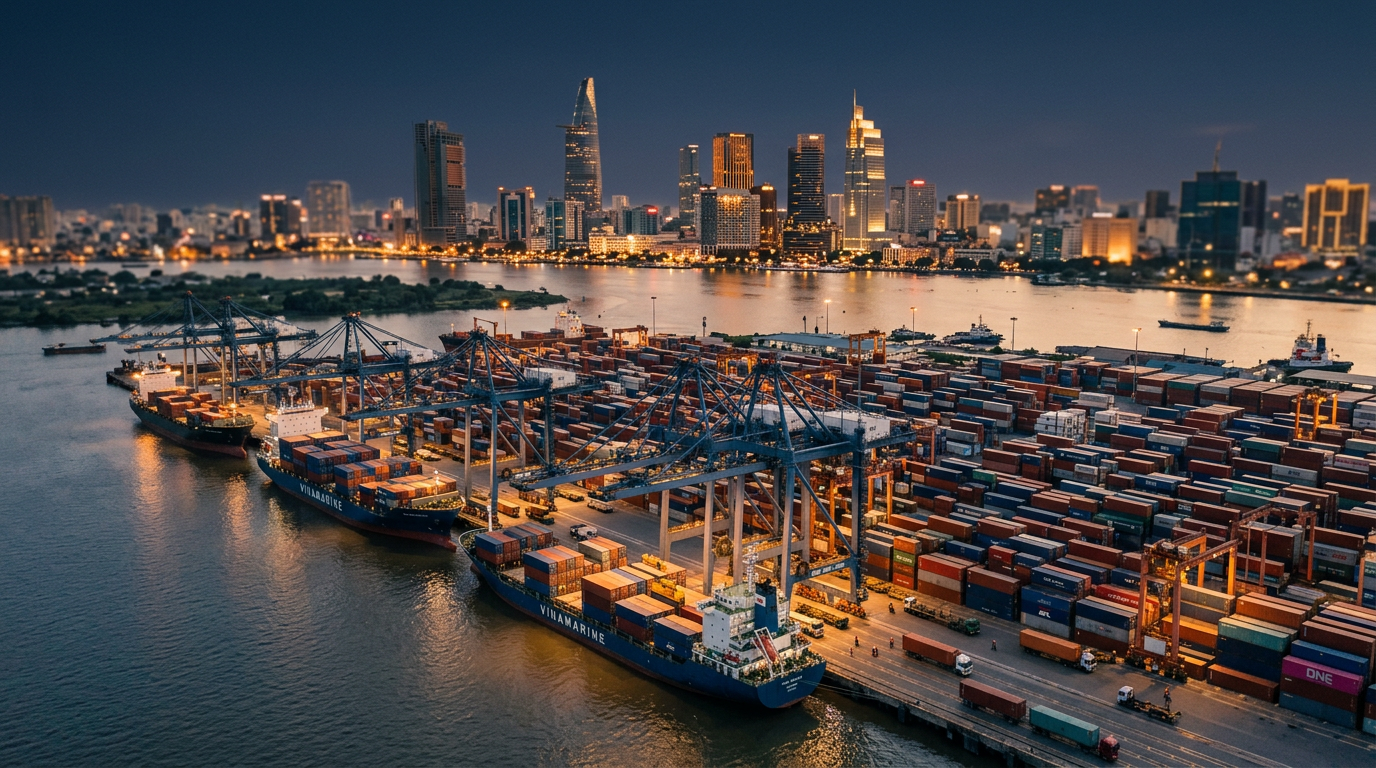
Vietnam
 Bets on Infrastructure to Reduce the Cost of Friction
A new expressway connecting the Mekong Delta to Long Thanh International Airport is a tangible sign of Vietnam's focus on institutional reliability.
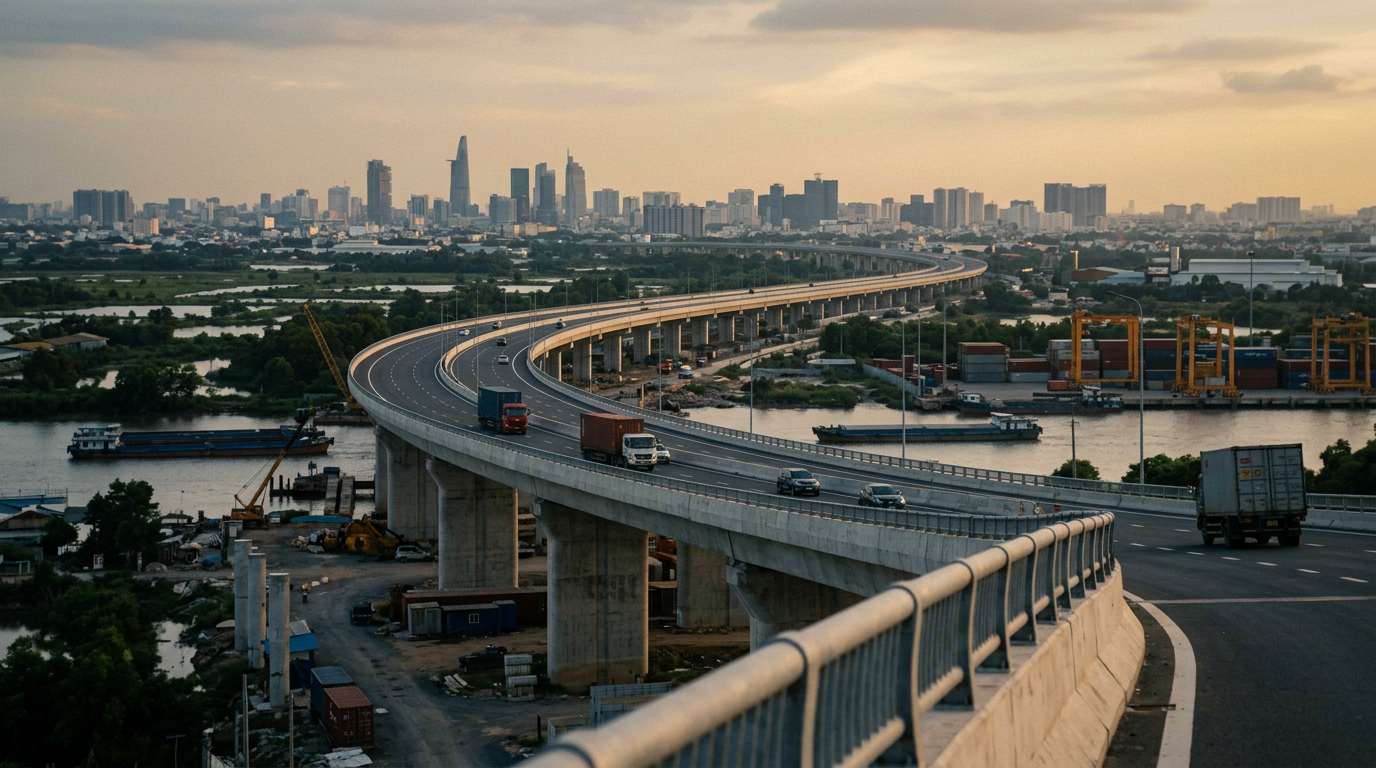
A new 57.8-km expressway will connect Vietnam's Mekong Delta with the forthcoming Long Thanh International Airport, as reported by VietnamPlus. The project, managed by the state-owned Vietnam Expressway Corporation (VEC), aims to improve logistics and connectivity between a vital economic region and a major international air hub currently under construction. This move demonstrates a practical focus on infrastructure as a driver of economic efficiency and integration.
Infrastructure as a Signal
Grand pronouncements of future infrastructure are a common feature of economic planning globally. However, the actual execution and completion of these projects send a much stronger signal to investors and businesses. As noted in the book "ASEAN Rising", infrastructure that arrives on time is a clear indicator of a government's capacity to deliver on its promises. The Ben Luc-Long Thanh expressway is a case in point. By physically linking the agriculturally and industrially productive Mekong Delta with a next-generation airport, Vietnam is not just pouring concrete; it is building tangible pathways for goods and people, reducing the time and cost of transit. This focus on execution over mere announcements helps build confidence in the state's ability to manage complex, long-term projects.
The Economic Case for Connectivity
The economic logic behind the expressway is straightforward. The Mekong Delta is a powerhouse of agriculture, aquaculture, and increasingly, manufacturing. Getting these goods to international markets quickly is essential for competitiveness. The new airport at Long Thanh is designed to be a major cargo and passenger hub for Southeast Asia. The expressway acts as the artery connecting production with export gateways. This reduces what economists call the "cost of friction"-the expenses and delays that hinder smooth commerce. For businesses operating in the Delta, reliable transport links mean lower logistics costs, faster delivery times, and better access to global supply chains. It makes the region a more attractive place for investment, both foreign and domestic.
State Capacity on Display
Large-scale infrastructure projects are a test of state capacity. They require long-term planning, complex financing, land acquisition, and coordination across multiple government agencies and private contractors. The VEC's role in developing the expressway highlights the Vietnamese government's strategy of using state-owned enterprises to drive key national projects. This approach allows for a degree of centralized control and alignment with national development goals. The success of projects like the Ben Luc-Long Thanh expressway demonstrates that the state has the institutional machinery to translate plans into reality. In a region where institutional quality varies, "a usable state is often more valuable than an exciting one." Building and operating effective infrastructure is a core function of a usable state, creating a predictable environment where businesses can thrive.
What to watch: The key indicator of success for this project will be its completion on schedule and within budget, and the subsequent observable impact on cargo volumes and economic activity in the Mekong Delta. Investors will be watching to see if the project's execution matches the government's stated ambitions for enhancing national logistics and connectivity. The smooth integration of the expressway with the operations of the new Long Thanh airport will also be a major factor in realizing the full economic benefits of the investment.