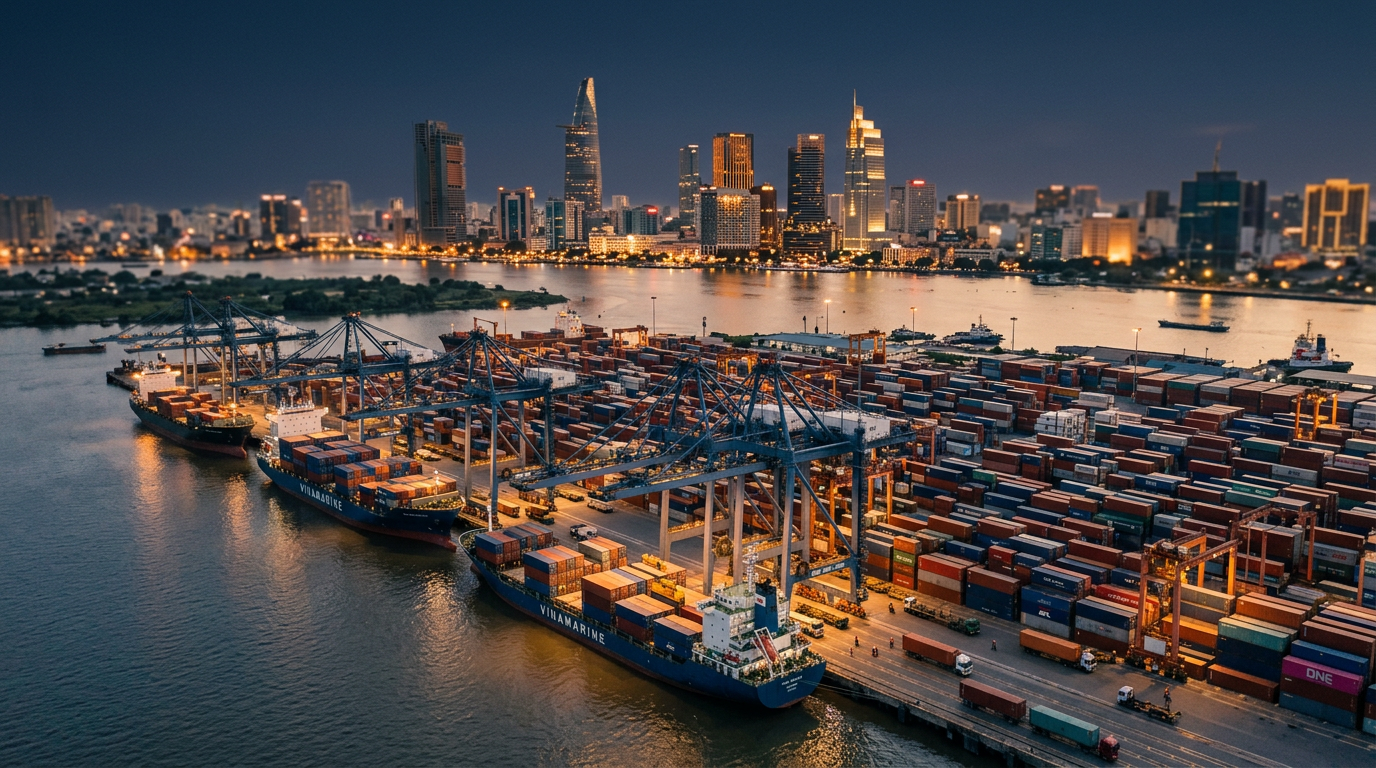
Vietnam
's Tax Plan Tests Its Institutional Capacity
Vietnam is considering a tax overhaul to shift investment towards technology and R&D. While this is a positive signal for upgrading its economy, the real test lies in the execution and the capacity of its institutions to translate policy into tangible outcomes for local firms.

A recent report from VietnamPlus indicates that Vietnam is contemplating a significant tax overhaul. The proposed changes aim to steer investment away from low-margin sectors and toward high-value areas like technology, research and development, and domestic supporting industries. The goal is to strengthen local firms and improve their integration into global supply chains. This move signals an ambition to climb the economic value chain, but it also places a heavy burden on the country's institutional capacity to deliver.
From FDI Magnet to Value Chain Hub
For years, Vietnam has been a premier destination for foreign direct investment, thanks to its competitive labor costs and stable political environment. The government now appears to recognize that this model has its limits. The proposed tax reform is a strategic attempt to shift the investment narrative from quantity to quality. By incentivizing R&D and high-tech applications, Vietnam aims to foster a more resilient and sophisticated domestic industrial base.
The policy logic is sound. To move beyond assembly and basic manufacturing, local enterprises need to develop deeper capabilities. Encouraging investment in "supporting industries" is a direct acknowledgment of this need. These industries provide the essential components, materials, and services that allow larger manufacturers to operate efficiently and innovate. A stronger domestic supply network reduces reliance on imports, captures more value at home, and makes the entire manufacturing ecosystem more attractive to high-quality foreign investors.
Institutions and Investable Depth
Announcing a new tax policy is one thing; executing it is another. As the book ASEAN Rising notes, "realised flows depend on the slower work of land, permits, power and talent reaching the ground." Vietnam's proposed overhaul will test the ability of its institutions to translate legislative changes into a genuinely improved business environment. The success of the reforms will not be measured by the initial investment announcements but by the tangible growth of local firms within global supply chains.
This requires more than just tax breaks. It demands a coordinated effort across multiple government agencies to streamline regulations, ensure consistent policy application, and reduce the administrative friction that often hinders smaller businesses. It also requires investment in human capital. A workforce skilled in technology and R&D is not built overnight. The tax incentives must be paired with robust education and training programs to develop the talent that high-tech industries require. Without this foundational work, the capital may not find its way to the intended targets.
The Real Test: Local Firm Integration
The ultimate measure of this policy will be its impact on Vietnamese companies. The government's goal is to see local firms become more integral partners for the multinational corporations that have set up operations in the country. This means moving from being simple suppliers of low-skilled labor or basic parts to becoming genuine collaborators in design, development, and innovation.
For this integration to happen, Vietnamese firms must be able to meet the exacting standards of global giants in terms of quality, reliability, and technological sophistication. The proposed tax incentives are a tool to help them get there, but the journey will be long. It will require sustained commitment from the government, not just in the form of fiscal policy but also through infrastructure development and the cultivation of a business environment built on transparency and trust.
What to watch
Observers should monitor the specific details of the tax legislation as it is formulated and passed. The key indicators of success will not be the headline FDI figures but the growth in domestic value-add, the number of local suppliers qualifying for top-tier supply chains, and the increase in R&D expenditure as a percentage of GDP. How effectively Vietnam's institutions manage the implementation of these complex reforms will determine if this policy truly helps the nation's firms ascend the global value chain.