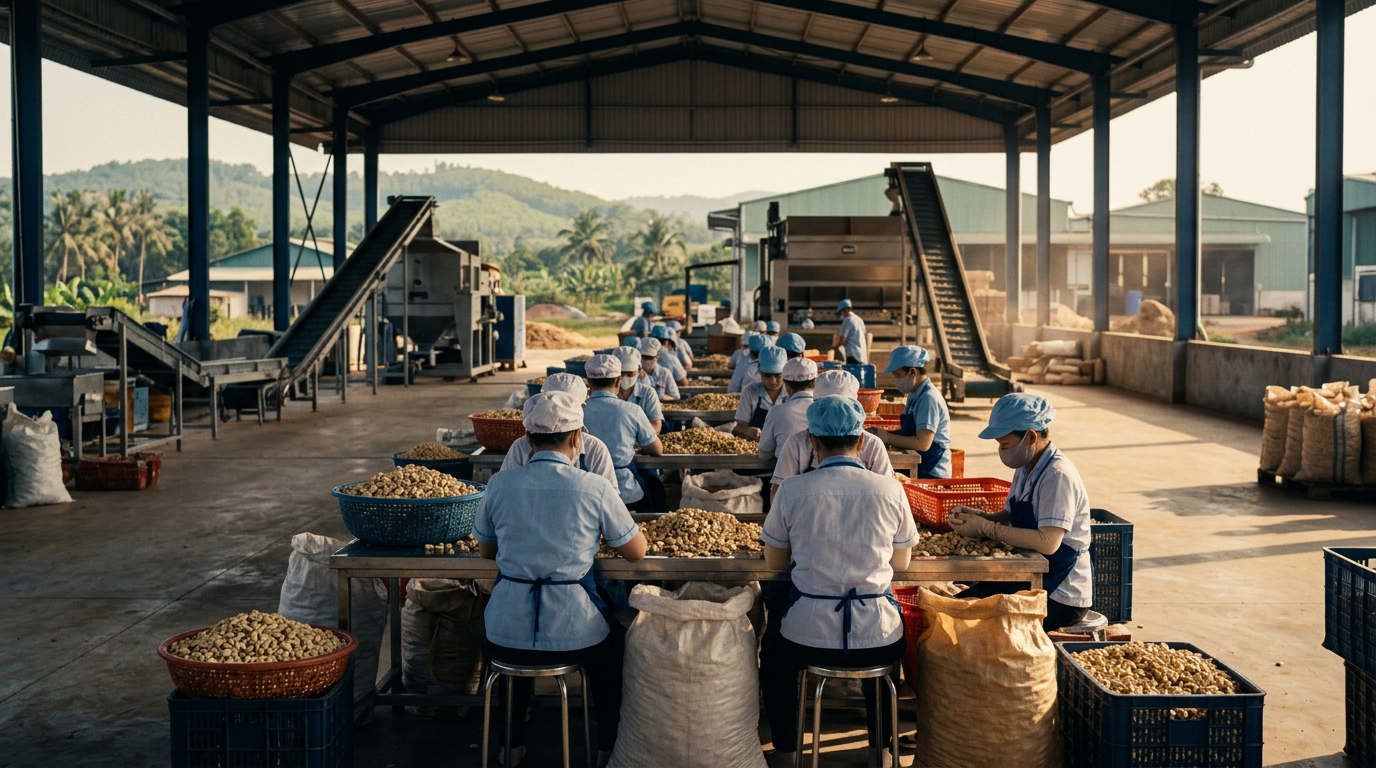
Vietnam
ASEAN Biodiversity Action and the Science of State Capacity
The ASEAN Centre for Biodiversity demonstrates the concrete benefits of institutional capacity. Reliable execution is a form of comparative advantage.

At the 2026 Biodiversity Science Forum in Kuala Lumpur, ASEAN Secretary-General Dr. Kao Kim Hourn emphasized the role of science and data in regional biodiversity efforts. In remarks delivered to the forum, he pointed to the need for actionable knowledge to protect Southeast Asia's rich natural heritage, as reported by asean.org. The speech provides a lens through which to examine the larger theme of institutional effectiveness in the bloc.
Institutions over Announcements
Speeches and forums are a staple of regional diplomacy. They signal priorities and build consensus. However, the real work of governance lies in the structures that follow. The Secretary-General's focus on science and data is a case in point. For this data to be effective, it must be gathered, analyzed, and disseminated by durable institutions with the mandate and resources to execute their mission. Without this state capacity, strategies remain on paper.
The ASEAN Centre for Biodiversity (ACB), which coordinated the forum, is one such institution. Headquartered in the Philippines, the ACB is an intergovernmental organization that facilitates cooperation among ASEAN member states on biodiversity conservation. Its work in training, data management, and policy coordination is less visible than a high-level summit but is fundamental to achieving regional goals. As the book "ASEAN Rising" notes, "A usable state is often more valuable than an exciting one." The day-to-day work of an institution like the ACB is where policy ambitions are translated into measurable outcomes.
Execution as Advantage
In a competitive global environment, the ability to deliver on promises is a significant advantage. This applies to biodiversity as much as it does to digital economy agreements or infrastructure projects. When ASEAN member states successfully collaborate through the ACB to manage a transboundary nature reserve or to share data on migratory species, they demonstrate a collective capacity that is attractive to international partners and investors. Reliability has become a core component of comparative advantage.
The Secretary-General's remarks highlight the need for a scientific approach. This itself is an institutional question. It requires universities that can train scientists, agencies that can fund research, and a policy framework that integrates scientific findings into national and regional plans. The forum in Kuala Lumpur is part of building that human and technical infrastructure. The long-term success of ASEAN's biodiversity agenda will depend on the strength of these underlying systems.
What to watch: The key indicator of success for ASEAN's biodiversity strategy will not be the frequency of ministerial meetings, but the operational budget and staffing of the ASEAN Centre for Biodiversity. Observers should also track the implementation rate of the action plans that emerge from forums like this one, as execution is the ultimate measure of institutional strength.