Vietnam
 Weighs Tax Changes To Deepen Its Supply Chain Role
Vietnam is considering a tax overhaul to help local firms integrate into global supply chains. Realised FDI flows depend on the slower work of turning policy into permits, power, and talent on the ground.

A recent report from VietnamPlus indicates that Vietnam is considering a significant tax overhaul. The proposed changes aim to steer investment toward technology, research and development, and domestic supporting industries. The goal is to strengthen the capacity of local firms and facilitate their integration into global supply chains. This move highlights a strategic push to add more value within its borders, a natural evolution for an economy that has been a primary beneficiary of supply chain diversification.
From Assembly to Added Value
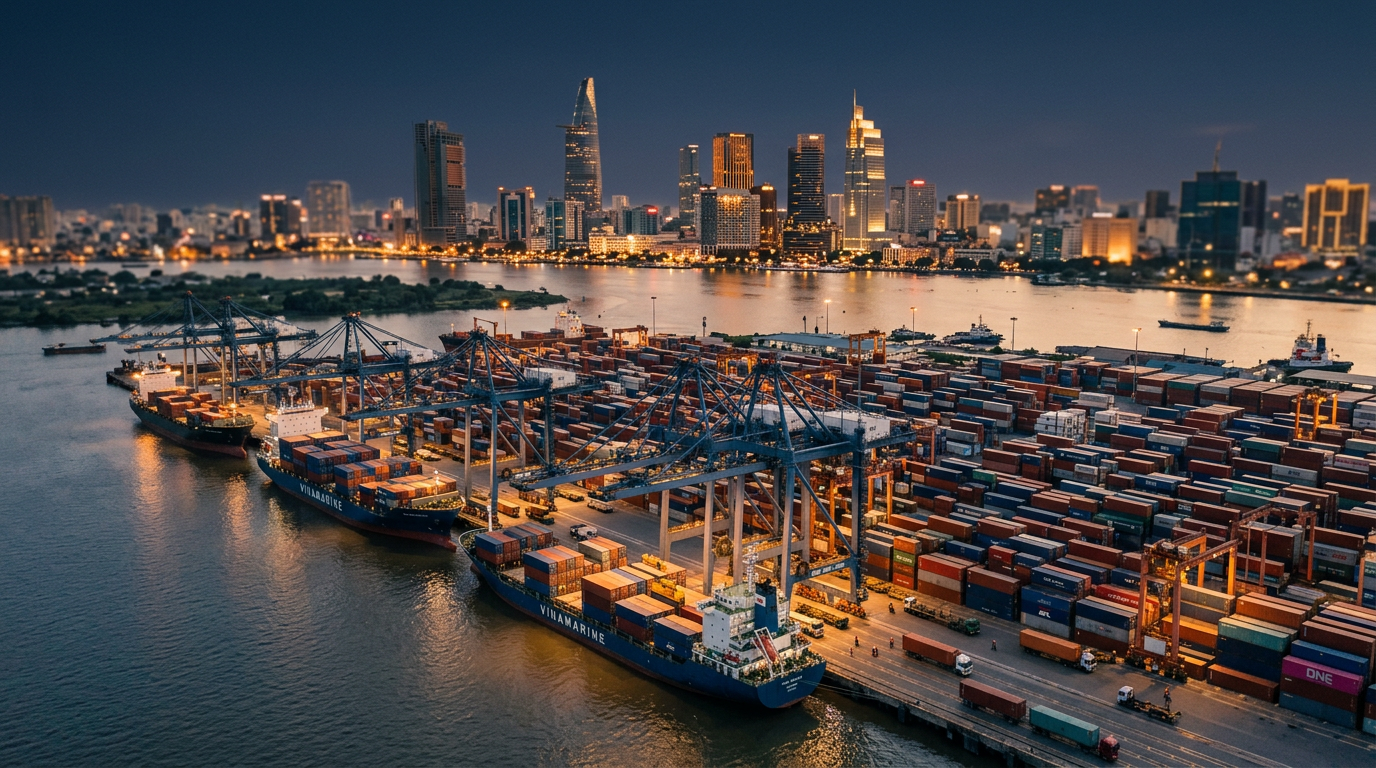
For years, Vietnam has successfully attracted foreign direct investment (FDI), particularly in manufacturing and assembly. This has been driven by competitive labor costs, a stable political environment, and a growing network of free trade agreements. The country has become a key production hub for global electronics giants and other export-oriented industries. However, the reliance on imported components and the limited participation of local firms in high-value activities present a ceiling to long-term growth. The proposed tax incentives are a direct attempt to break through that ceiling.
The policy under consideration is about more than just attracting capital. It is about directing that capital to build a more resilient and sophisticated domestic industrial base. By incentivizing investment in R&D and "supporting industries," the government aims to cultivate a local ecosystem of suppliers that can provide the complex components and services that are currently sourced from abroad. This would increase the domestic value-add of Vietnam's exports and create higher-skilled, better-paying jobs.
Institutions and Implementation
Translating policy ambition into industrial reality is a complex undertaking. As the book "ASEAN Rising" notes, while FDI announcements can generate headlines, the real test is execution. The success of Vietnam's proposed tax reform will depend on the capacity of its institutions to implement it effectively. "Realised flows depend on the slower work of land, permits, power and talent reaching the ground." Attracting high-tech investment requires more than just tax breaks; it demands a regulatory framework that is transparent, predictable, and efficient.
Investors in R&D and advanced manufacturing will scrutinize the details. Will the process for qualifying for incentives be clear and streamlined? Is there sufficient protection for intellectual property? Can the education system produce the necessary pipeline of engineers, technicians, and researchers? These are the foundational elements that turn a good policy on paper into a convincing proposition for long-term capital. Building this institutional capacity is the essential, patient work that underpins sustainable economic development.
The Regional Context
Vietnam's initiative is not happening in a vacuum. Other ASEAN members, including Malaysia and Thailand, are also competing to move up the value chain, offering their own sets of incentives to attract high-tech manufacturing and R&D. The collective push is a response to global trends, including the restructuring of supply chains and the increasing importance of economic resilience. Each country is trying to define its niche within the regional and global production network.
For Vietnam, the challenge is to ensure that its institutional framework can keep pace with its industrial ambitions. The government's focus on supporting industries is a correct diagnosis of the core issue. A deeper domestic supply base makes the entire economy more competitive, enabling it to capture a larger share of the value it helps to create. This is the difference between being a location for assembly and being an integral, innovative part of the global supply chain. What to watch
The key indicators to watch will be the specific details of the tax reform package when it is finalized and, more importantly, the subsequent trends in both announced and realized FDI into the targeted sectors. Observers should also monitor changes in the share of local content in Vietnam's key exports and the growth of domestic firms in technology-intensive industries. The effectiveness of the bureaucratic processes for approving and administering these new incentives will be a direct measure of institutional capacity and a leading indicator of success.