Vietnam
's Delayed Airport is a Costly Lesson in State Capacity
The new international airport in Ho Chi Minh City is a needed infrastructure upgrade, but its delays highlight a deeper challenge for Vietnam: the institutional capacity to deliver complex projects on time.
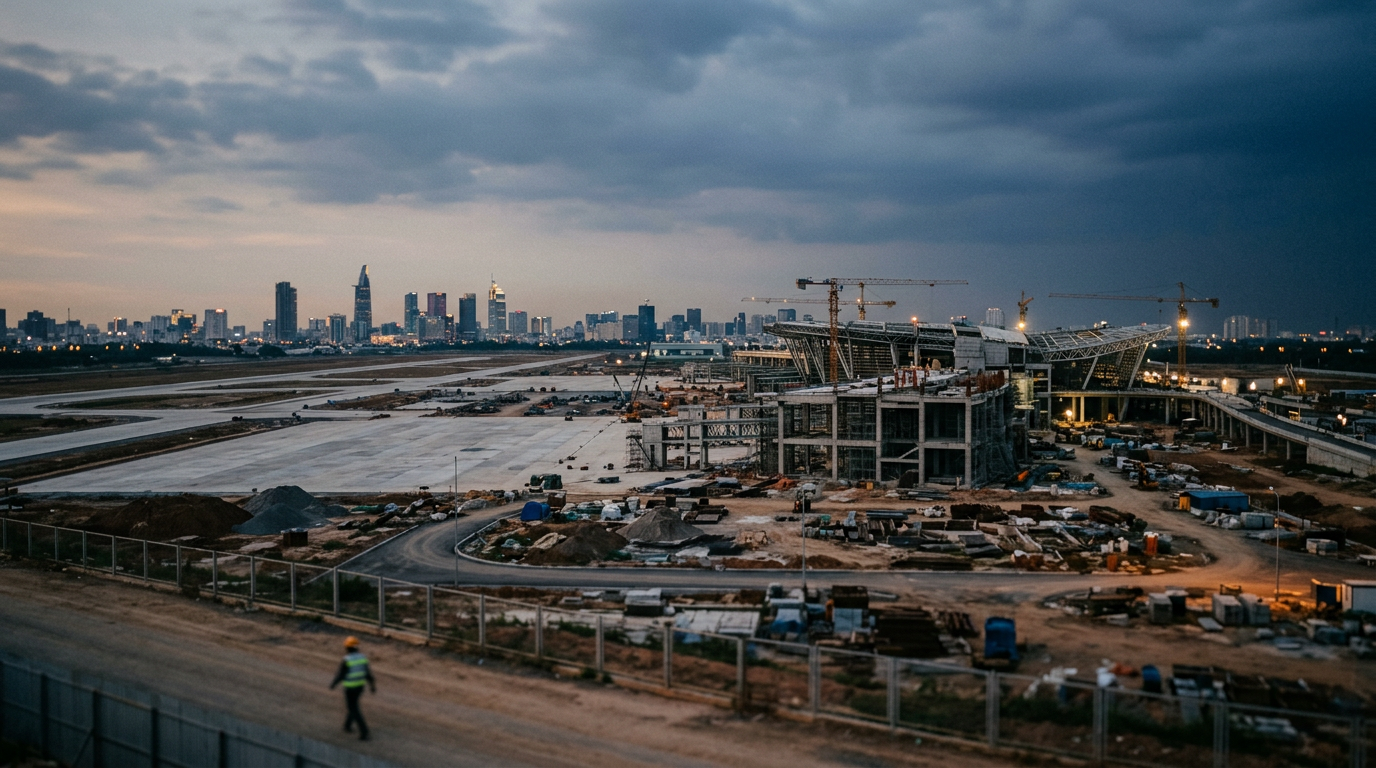
A recent article in the Business Times about the high cost of airport delays is a useful frame for one of Vietnam's most watched infrastructure projects. The new Long Thanh International Airport, intended to relieve pressure on the overburdened Tan Son Nhat airport in Ho Chi Minh City, is now not expected to open its first phase until 2026. This six-year delay from its original 2020 target date carries direct and indirect economic costs that extend beyond the construction site.
The Friction of Infrastructure
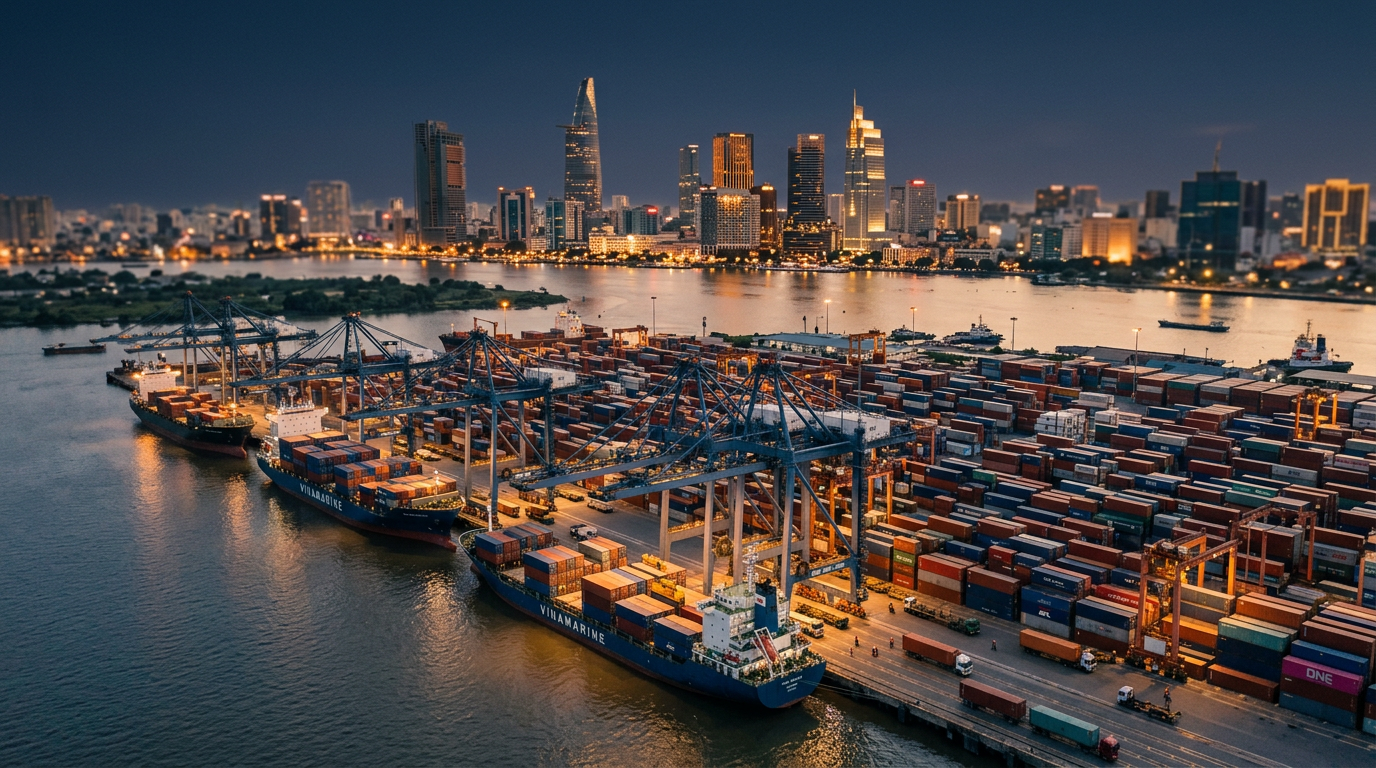
The direct costs of delay are measured in rising material and labor expenses, but the indirect costs are greater. An overloaded airport acts as a brake on economic activity. It limits tourism growth, adds friction to supply chains, and signals to foreign investors that the country's capacity to execute large-scale projects is lagging its ambitions. For a manufacturing and export hub like Vietnam, efficient logistics are not a luxury but a core component of its economic model. The delay at Long Thanh is a multi-billion dollar lesson in the price of institutional friction.
The core challenge is not a lack of vision but a gap in execution. As the book "ASEAN Rising" notes, infrastructure that arrives on time provides a more powerful signal than infrastructure that is simply announced. The reasons for the Long Thanh delay are complex, involving land acquisition, resettlement of thousands of households, and bureaucratic coordination across multiple state agencies. This is where state capacity is tested. Grand plans require an equally grand capacity for project management, regulatory approval, and stakeholder alignment. Without it, ambition remains on paper.
Institutional Reliability as Advantage
Vietnam has been one of the most successful countries in ASEAN at attracting foreign direct investment, thanks to its favorable demographics, competitive labor costs, and strategic location. However, the next stage of its development depends on strengthening its institutions. As competition for capital intensifies across Southeast Asia, investors will look more closely at the operational realities of doing business. A country's ability to build, manage, and regulate complex systems like a major international airport is a powerful indicator of its institutional maturity.
Building a "usable state," as ASEAN Rising describes it, is the essential task. This means creating government machinery that can handle the complex, long-term work of national development. For Vietnam, the experience with Long Thanh is a case study. The government has had to adjust timelines and reassess its project management approach. The ability to learn from these challenges and apply the lessons to future projects will be a true measure of its institutional development. "Institutional reliability has become part of comparative advantage," a fact that is becoming more apparent as global supply chains are reconfigured.
What to watch
Look for how the Vietnamese government proceeds with other major infrastructure projects, such as the North-South high-speed rail line. The management of the Long Thanh airport project, even in its delayed state, will be an indicator of the government's ability to learn from past difficulties. How state-owned and private enterprises are coordinated on these mega-projects will demonstrate whether Vietnam is building the institutional muscle needed to match its economic aspirations. The final cost and operational efficiency of the new airport will offer a clear verdict on the state's capacity to deliver.