Singapore
: Execution Over Scale
A major property investment by a Thai billionaire in Singapore is a reminder that successful FDI is about more than just market size. Execution, institutions, and trust are what turn announcements into assets.

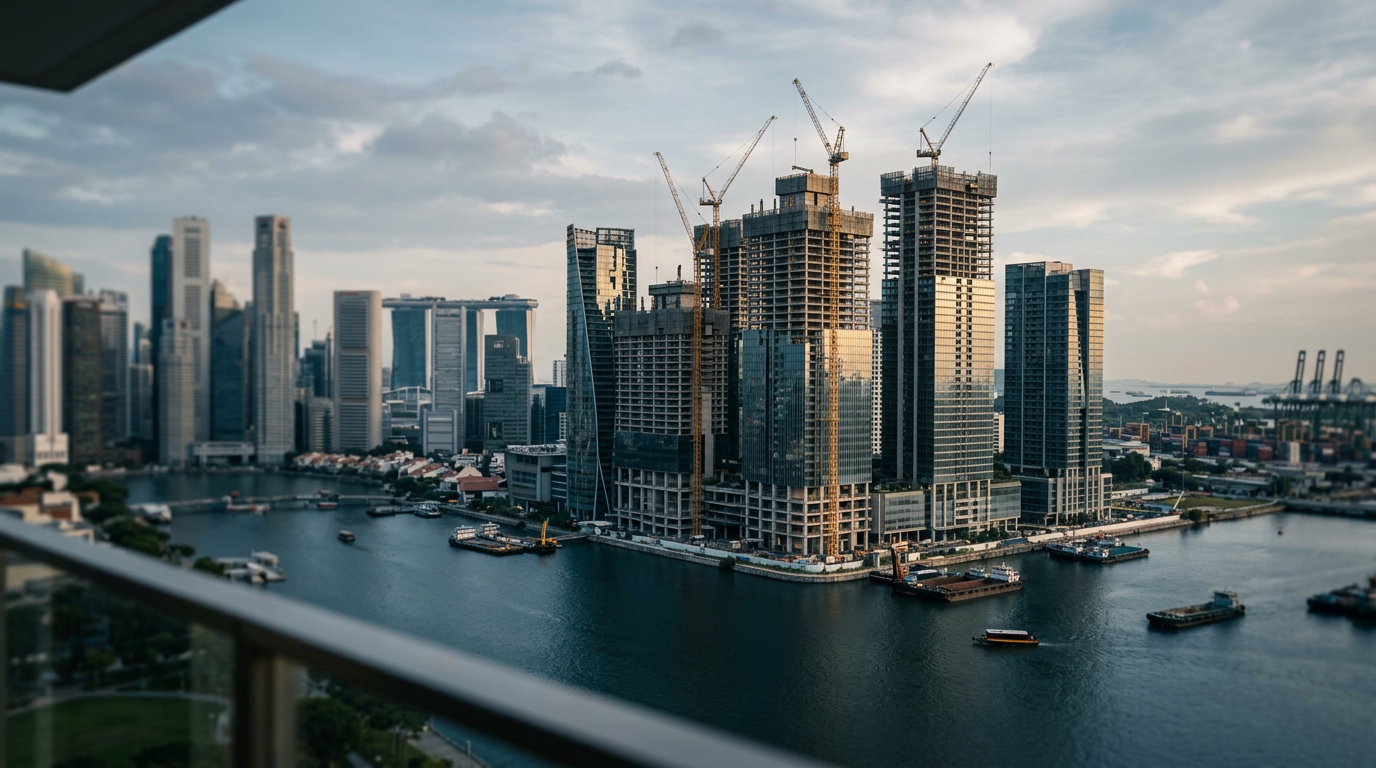
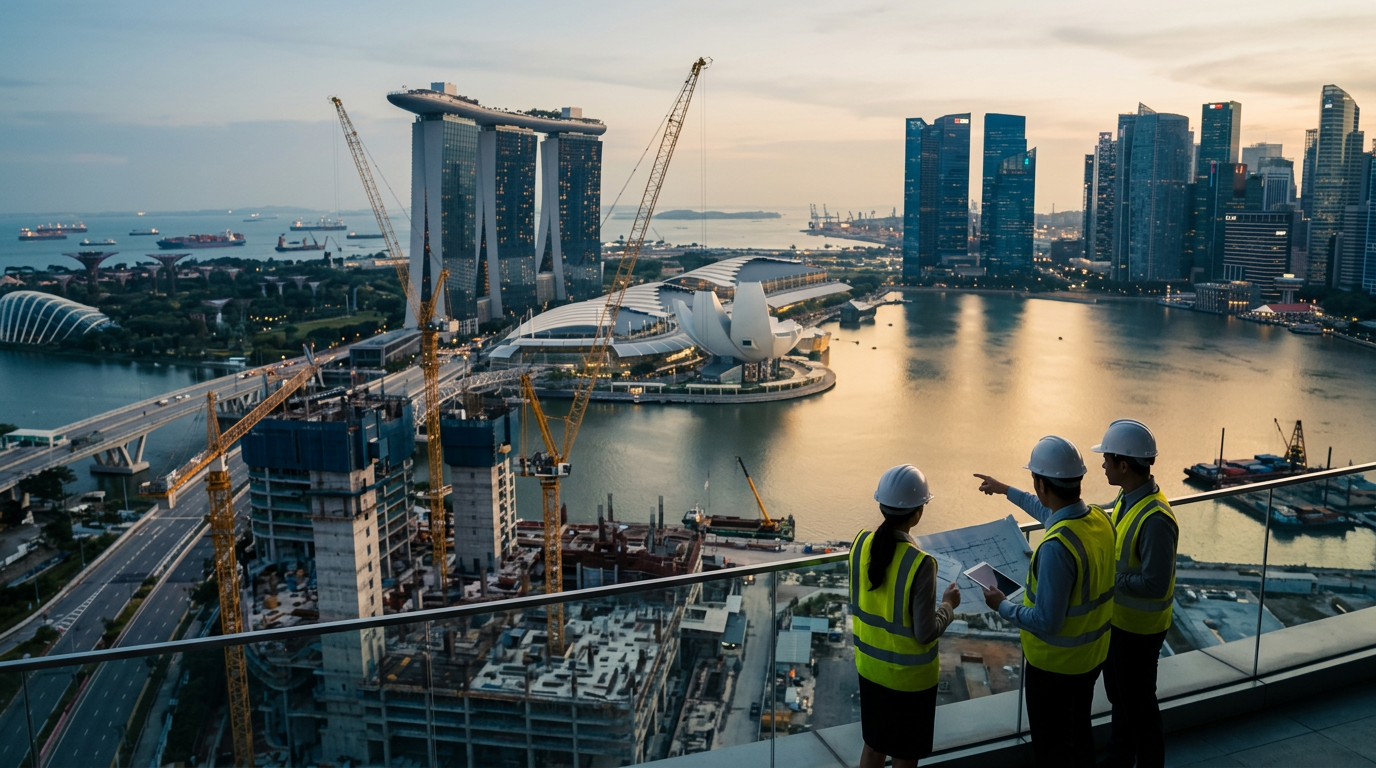
A new luxury mixed-use project along the Singapore River, backed by a joint venture led by Thai billionaire Charoen Sirivadhanabhakdi, is the latest example of significant foreign direct investment (FDI) flowing into Singapore. As reported by e.vnexpress.net, the development by Frasers Property will add over 400 high-end residences to the city-state. While the investment itself is notable, it also serves to illustrate a core principle of economic development in Southeast Asia: the primacy of execution and institutional quality over sheer market scale.
Institutions and Investable Depth
The project, located in a prime central area, is not taking place in a vacuum. It relies on a thick substrate of public administration that is often invisible. The value of the asset depends on legally reliable title, transparent permitting, predictable zoning, and the efficient provision of utilities like power and water. These are the elements that create an environment where large-scale, long-term capital can be deployed with confidence. While many markets in the region can boast of a large population or land area, few can match Singapore's record in delivering the institutional framework required for complex projects.
As the book ASEAN Rising notes, scale is only an advantage when effective institutions can convert it into "investable depth." FDI announcements may generate headlines, but the actual realisation of these investments is contingent on the less glamorous, on-the-ground work of public and private sector collaboration. This Singaporean development is a case in point. The project's viability rests not on the size of Singapore's population but on the reliability of its governance.
Capital and Trust
Intra-ASEAN investment of this nature is a healthy sign for the region's economic integration. The decision by a prominent Thai investor to deploy substantial capital into Singapore's property market speaks to the trust in the country's legal and financial systems. Capital flows to where it is treated best, and in this instance, the predictable and stable investment climate of Singapore has proven attractive. The project sponsor, Frasers Property, has a long track record in Singapore, which further reinforces the element of trust built over decades of consistent policy execution.
This is a tangible outcome of a decades-long focus on building a rules-based system. For investors, this translates into lower risk and a clearer path to returns. While larger ASEAN economies are making strides in improving their own investment climates, this project demonstrates that Singapore continues to set the benchmark for turning policy into physical assets backed by foreign capital.
What to watch: The key indicator for regional progress will be the extent to which larger ASEAN economies can replicate this success in their own urban centers. Observers should monitor whether improvements in national-level ease-of-doing-business rankings translate into smoother execution for major infrastructure and property developments. The ability to translate FDI announcements into completed projects requiring land, permits, and power will be the true measure of institutional reform.