
ASEAN Analysis & Commentary
Every analysis published on ASEAN Rising is sourced, datestamped and signed. We're more interested in being right in 12 months than first in 12 minutes.
Foundation pieces
Start here. The three pieces below set out the lens ASEAN Rising uses to read every story.
ASEAN Rising's core lens. Execution Economics is the study of whether countries, companies and institutions can convert obvious potential into delivered outcomes - and which six pillars decide the answer.
The region has capital, demographics, location and policy ambition. None of that has ever been the binding constraint. The next decade is an execution test, not a potential test - and it is already being scored.
Malaysia is the test case for whether ASEAN's middle powers can turn FDI, semiconductors and data centres into compounding domestic capability. Read the live coverage and execution scorecard.
Analysis tagged #geopolitics

 Singapore
 and the US-China Trade Strain
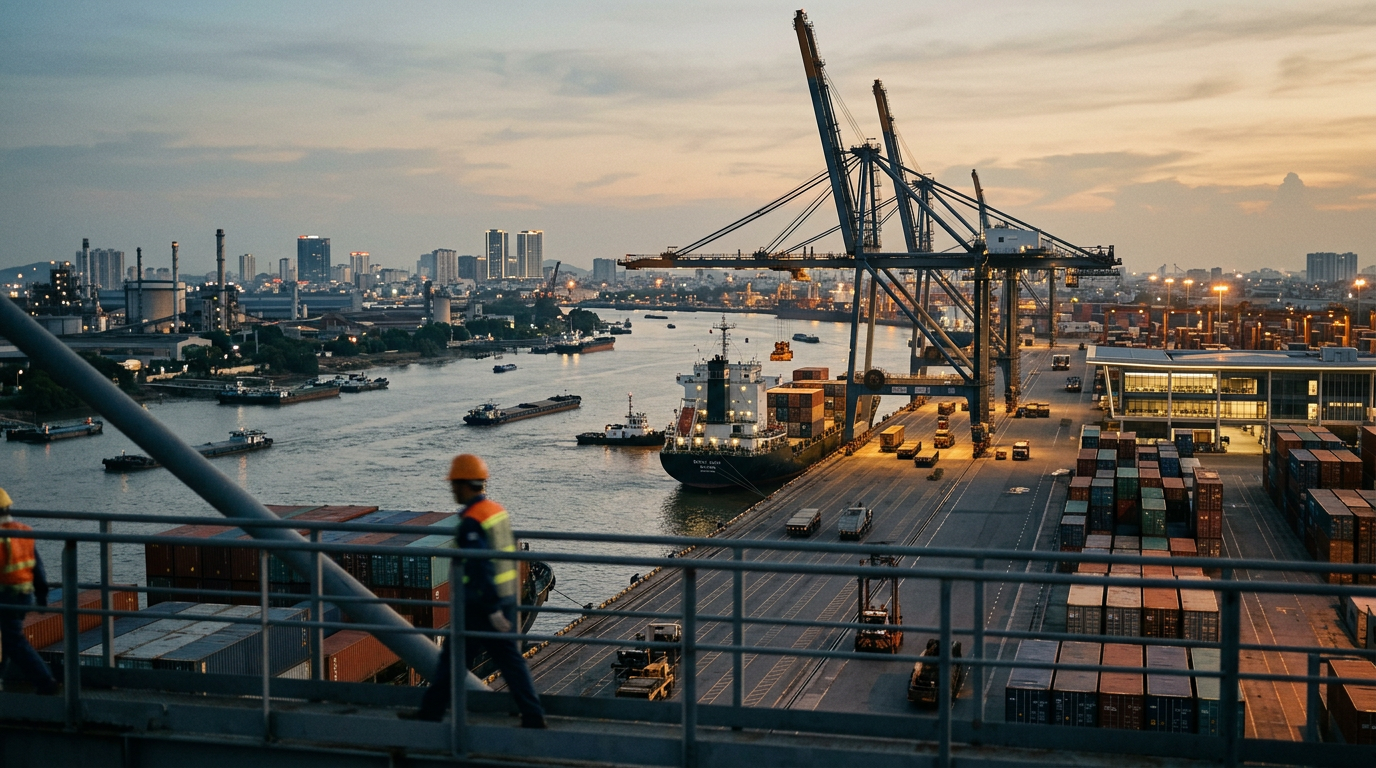
The recent US investigation into excess manufacturing capacity in Singapore and 15 other economies shows how friction in global trade can test even the most reliable states. The outcome will have implications for the whole region.
 Vietnam
, the US, and the Trade Dependency Question
Recent US-Vietnam trade talks show a pattern of diversification across ASEAN. Deeper ties with Washington are a response to the structural reality of China's deep, and permanent, economic footprint in the region.
RCEP's Resilience Push Is About More Than Trade
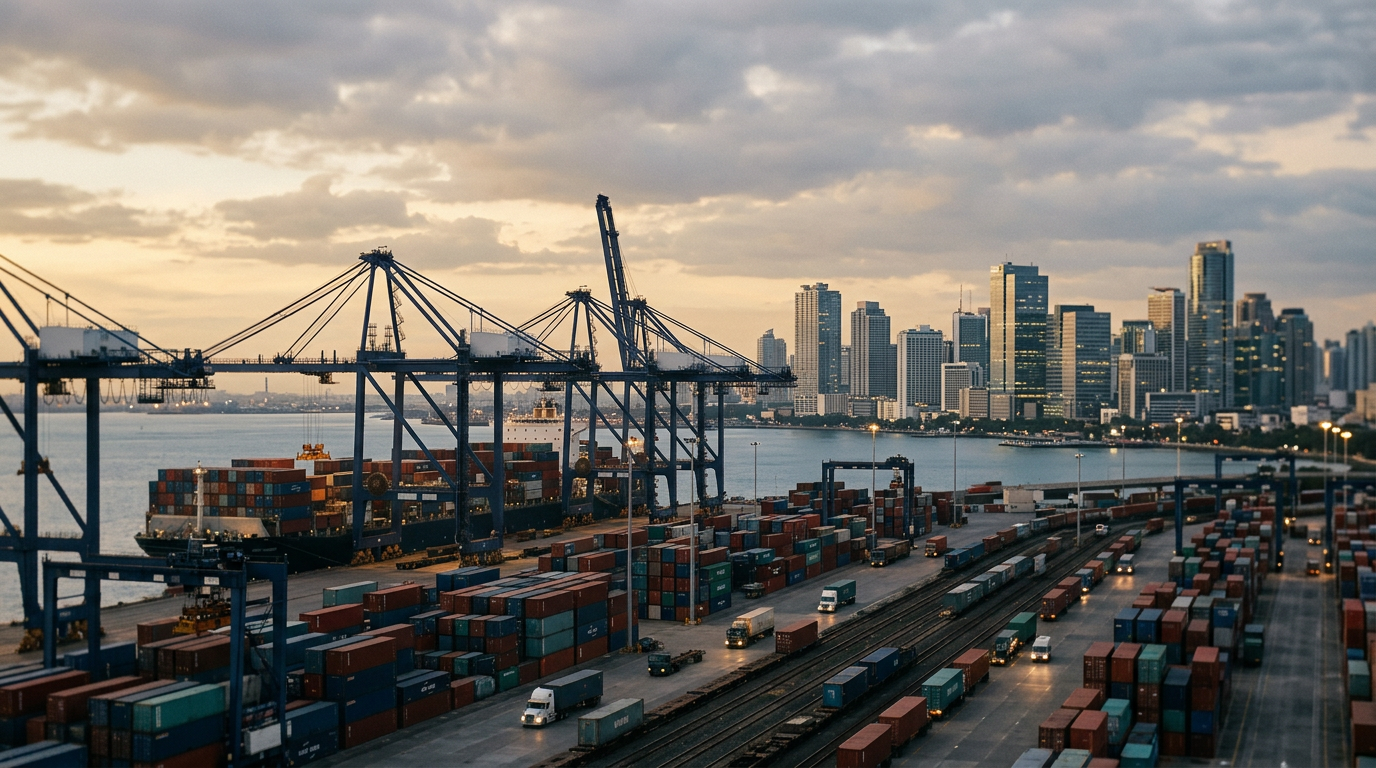
Ministers from RCEP member countries met in Manila, agreeing to strengthen the implementation of the trade agreement and build economic resilience. This move reflects a deeper, structural shift in ASEAN's relationship with China, away from simple engagement towards a more.
 Vietnam
's U.S. Trade Talks and the Test of Optionality
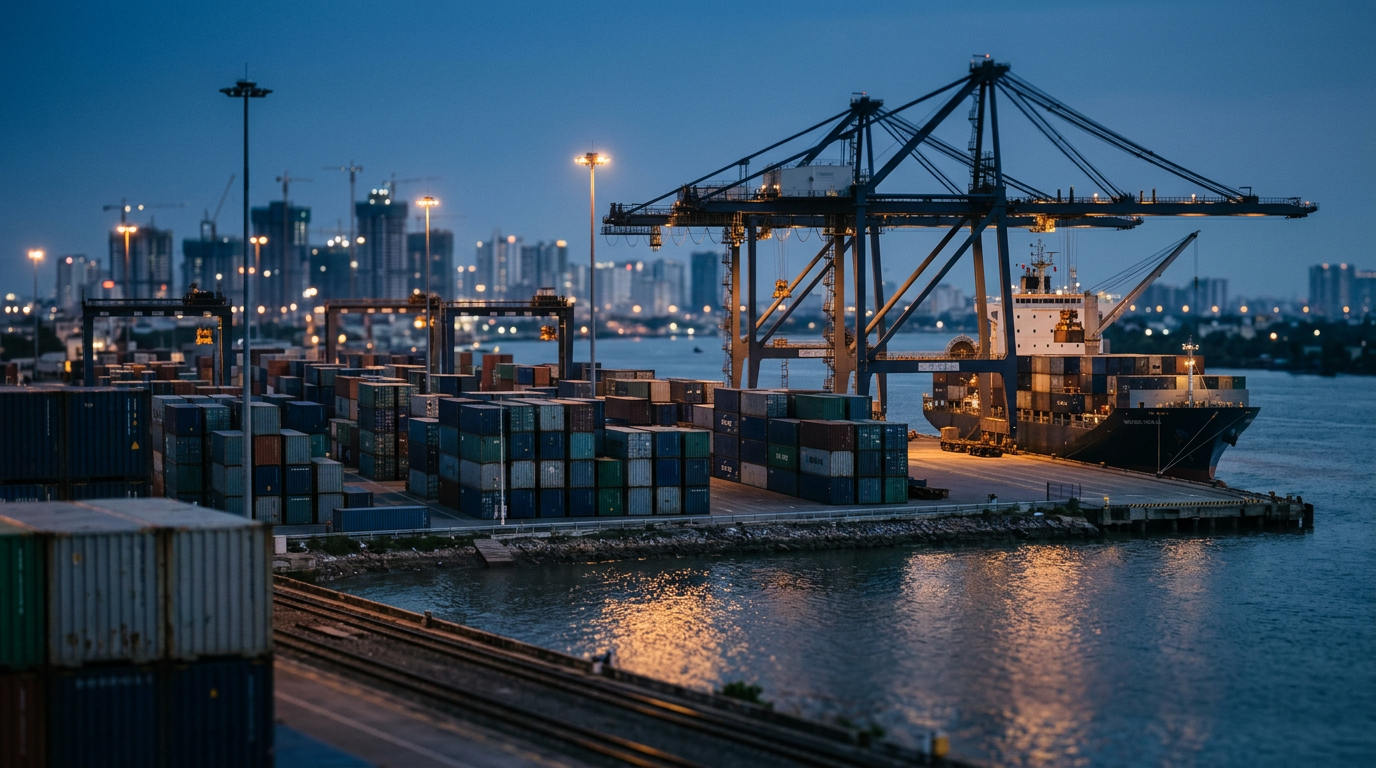
Hanoi is testing a core assumption of its foreign policy: that it can keep its strategic options open while managing a deep, structural trade dependency on China. A new trade agreement with the United States would be a stress test of this balancing act.
 Indonesia
's "Single-Door" Export System and the Question of Optionality
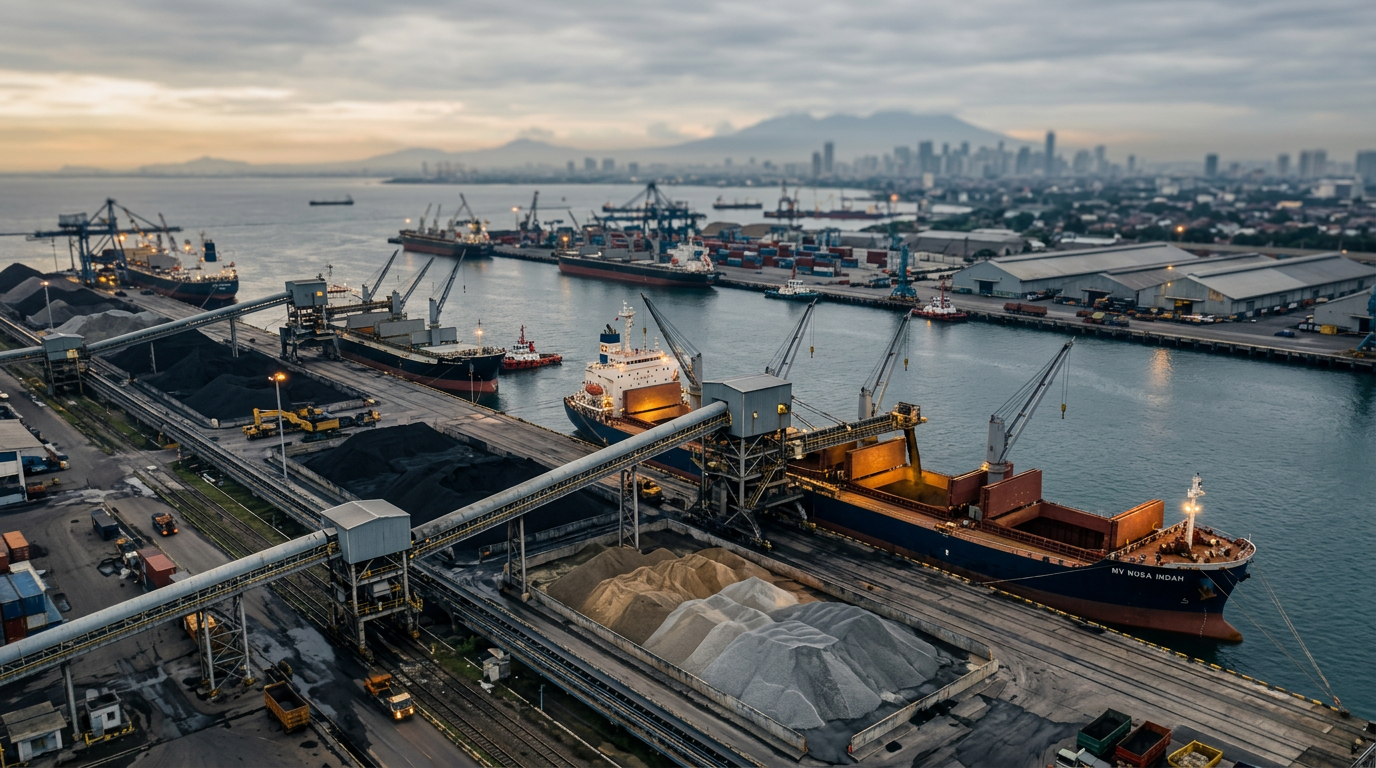
Indonesia plans to fully implement a centralized export mechanism for key natural resources by December. This move is a clear example of an ASEAN state managing its deep trade relationship with China while seeking to maintain strategic and economic optionality, a central theme.
 Vietnam
, the US, and the Shadow of China
Vietnam's pursuit of a US trade deal is a classic case of managing dependency on China without sacrificing strategic options.
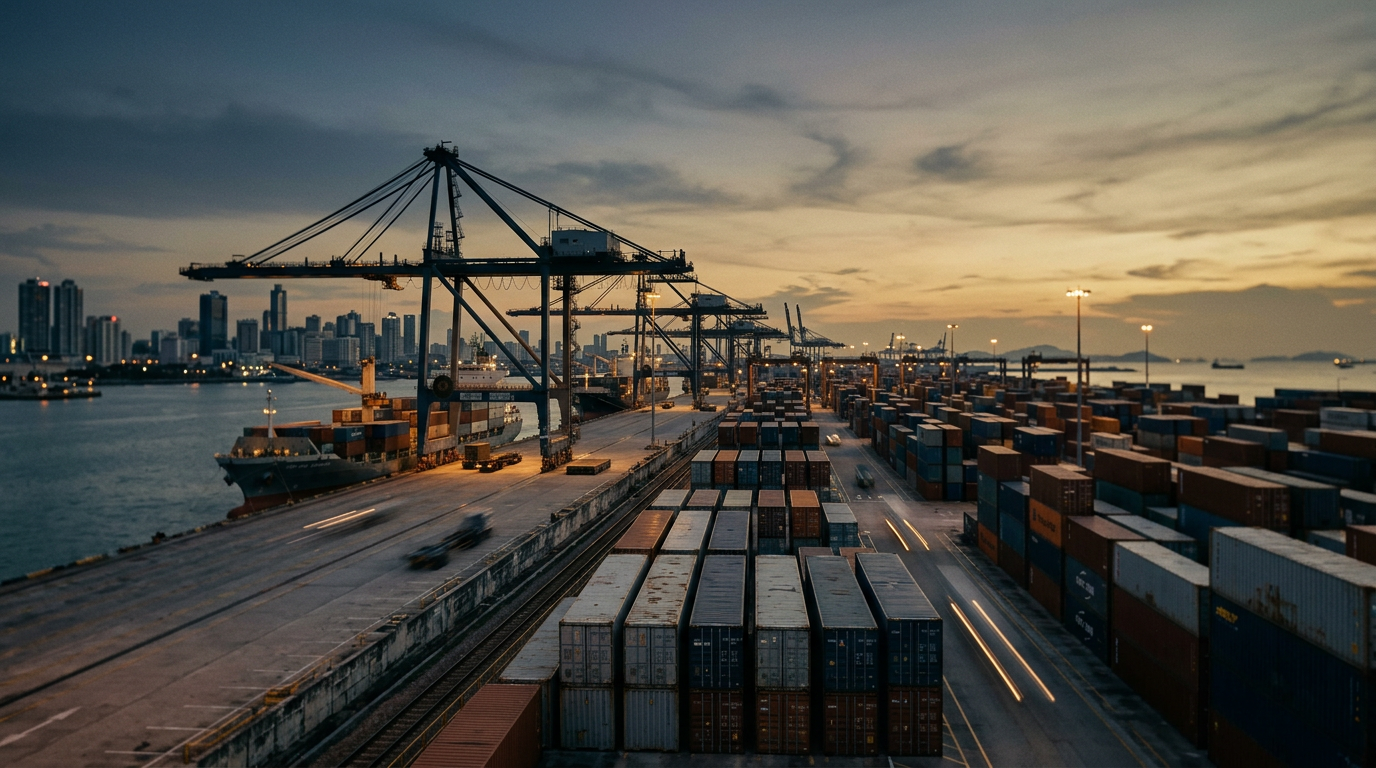
RCEP's Next Act: Expansion, Execution, and China
The debate over RCEP expansion is not merely procedural. For ASEAN, it is a test of institutional capacity and strategic alignment in a region where China's economic presence is a structural reality.
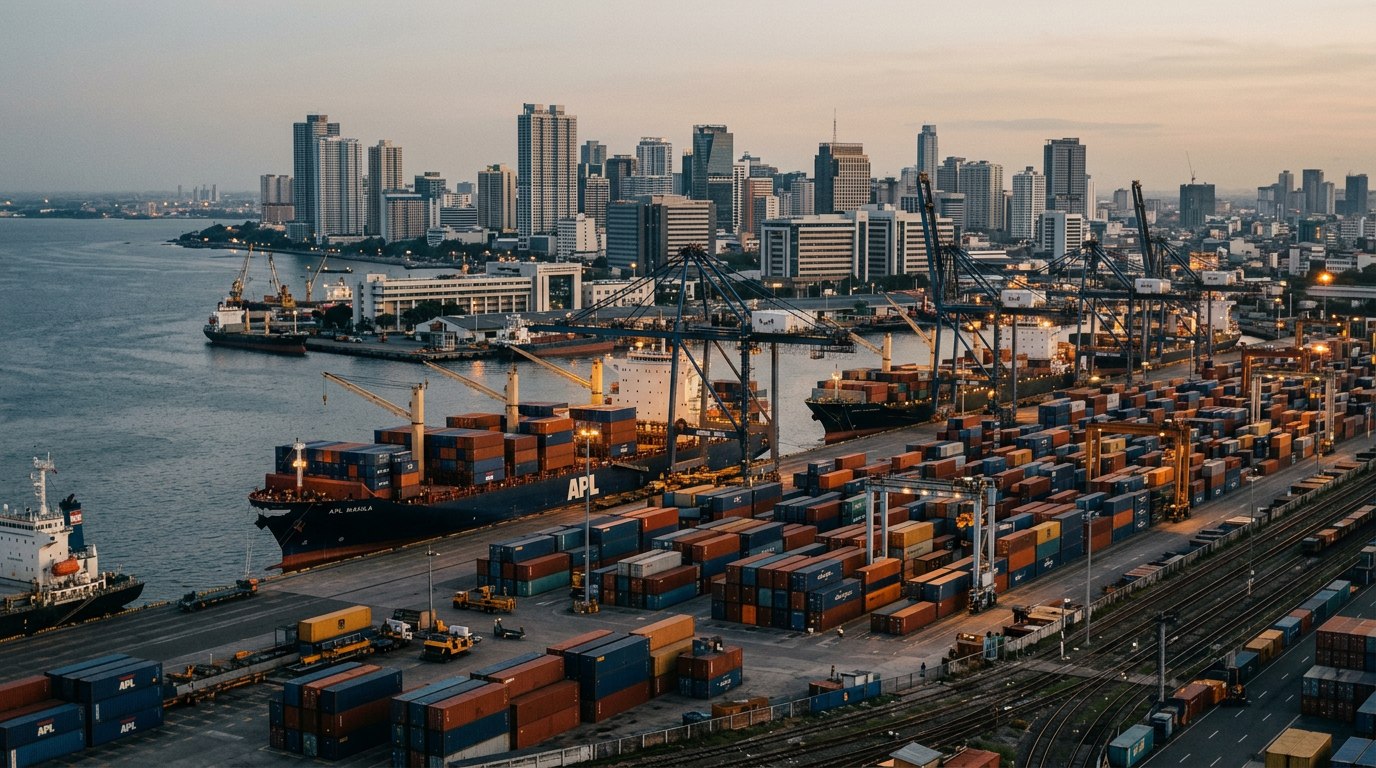
 Philippines
ASEAN-Canada FTA: A Step Towards Diversification
The ASEAN-Canada FTA talks show a desire for trade diversification. This is not just a commercial deal, but a strategic move to manage regional dependencies and build new institutional links.
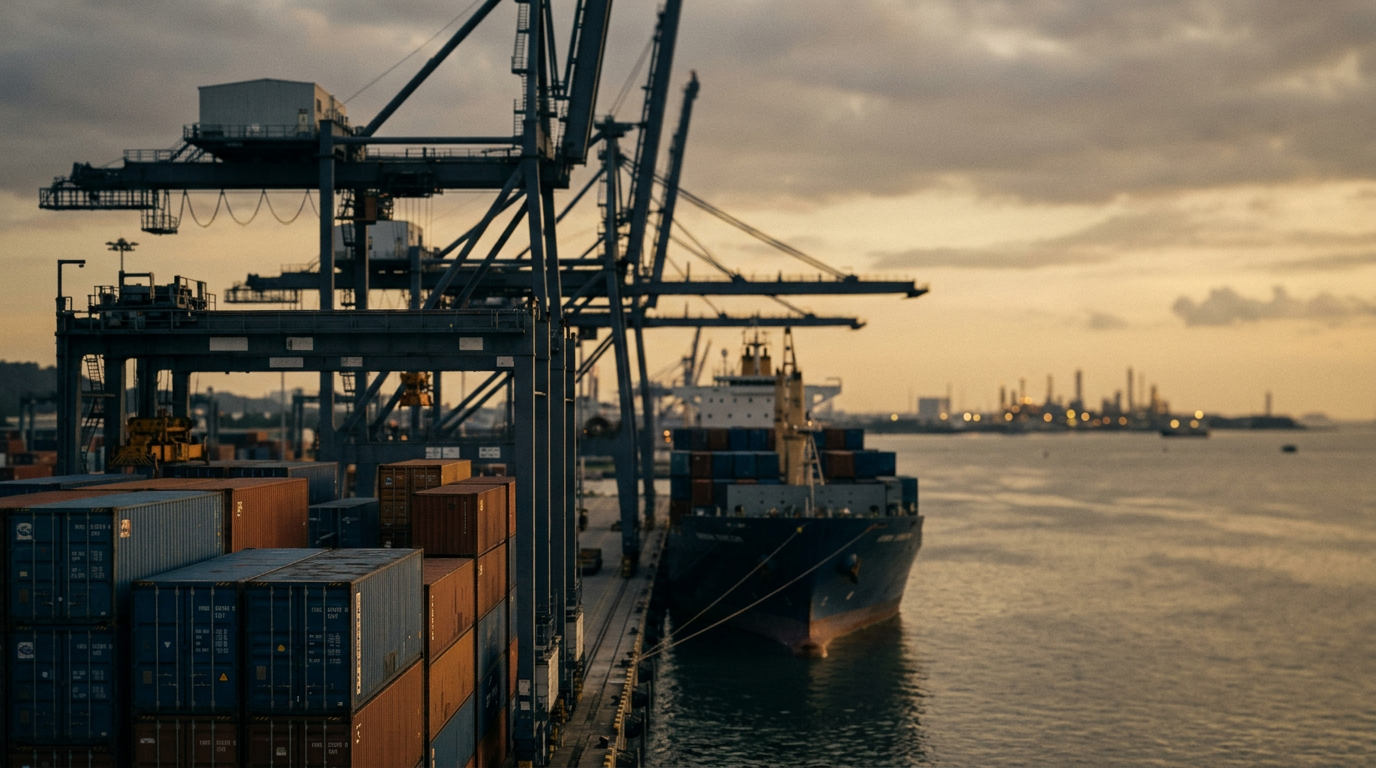
 Brunei
The Quiet Deepening of ASEAN-Russia Trade
ASEAN trade negotiations with partners like Russia show a quiet determination to build a multi-polar trade world, even as the bloc manages its deep, structural trade dependency on China.
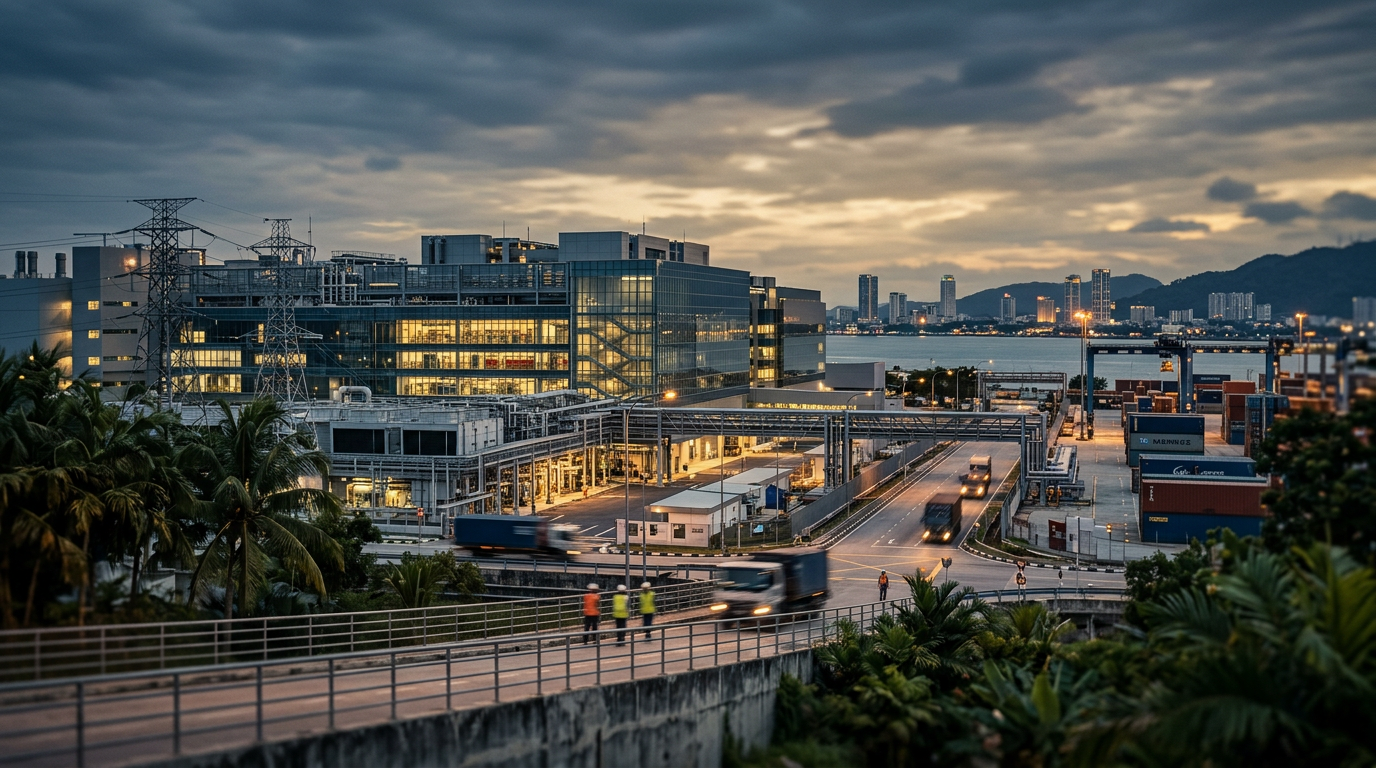
 Malaysia
's Semiconductor Boom and the China Question
Malaysia's semiconductor success, fueled by AI and data center demand, highlights a deeper structural reality for ASEAN: managing economic dependency on China while preserving strategic options.
Managing ASEAN-China Trade: Beyond Protocol
Trade with China is a structural reality. The focus now is on how ASEAN governments can manage this dependency while maintaining strategic flexibility.
 Singapore
ASEAN-China Trade: Managing Dependency
ASEAN-China trade is a structural feature of the regional economy. The focus for member states is shifting from simple engagement to managing dependency and maintaining strategic options.
 Indonesia
China-ASEAN Trade: Managing Dependency
The 23rd China-ASEAN Expo in Nanning highlights the enduring depth of the trade relationship. For ASEAN, the focus shifts from engagement to managing dependency and retaining strategic options, a central theme from the book "ASEAN Rising".
 Vietnam
's LNG pivot is a test of strategic optionality
Hanoi's search for long-term LNG contracts is not just about energy security. It is a strategic move to manage its dependency on coal and diversify its options in a complex geopolitical environment.
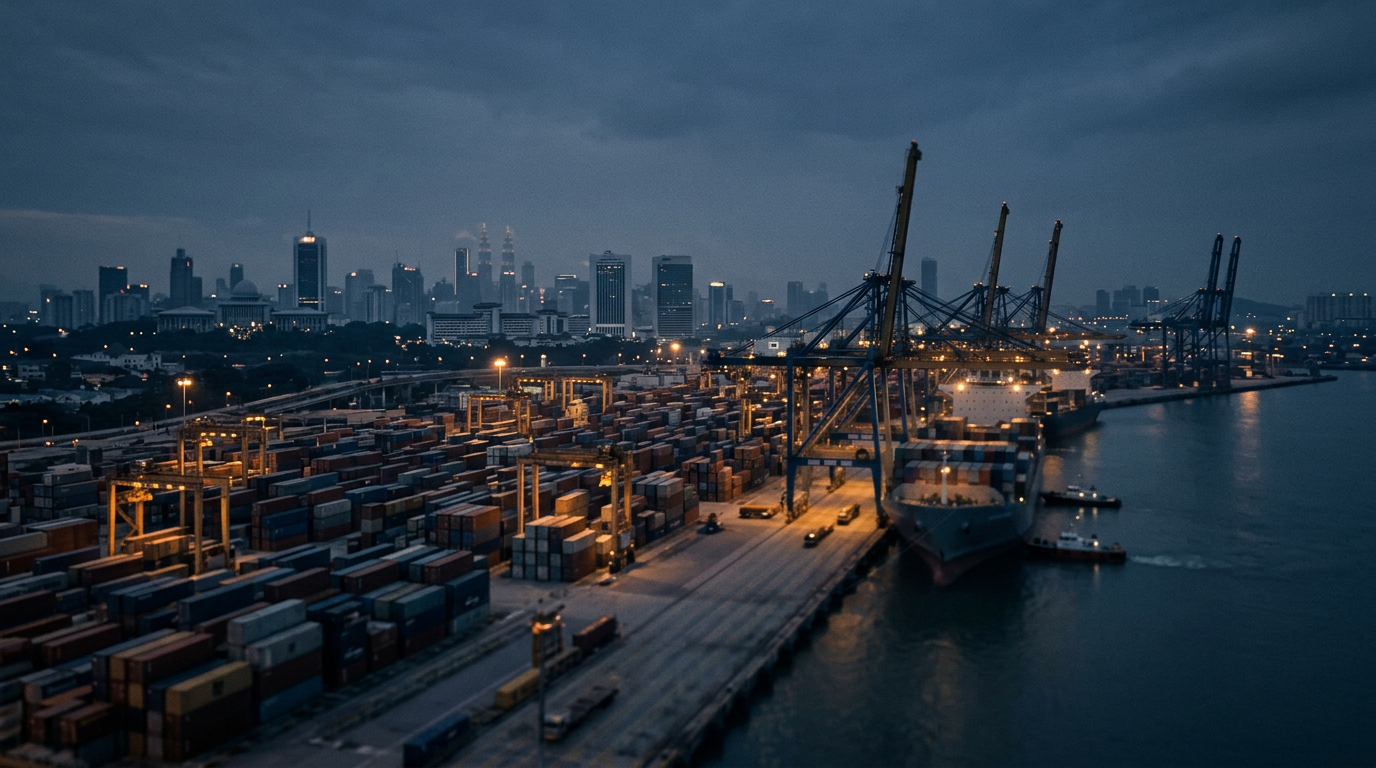 Malaysia
's Sovereign AI and the Compute Dilemma
Malaysia is pursuing a sovereign AI strategy, but its choice of technology partners could create friction with its international trade commitments, illustrating the fine line ASEAN nations must walk.
 Malaysia
's Semiconductor Ambitions and the China Question
Malaysia has long been a quiet giant in the global semiconductor industry, but its ambition is growing. As it seeks to move up the value chain, it must navigate its deep economic ties with China while managing strategic dependencies.
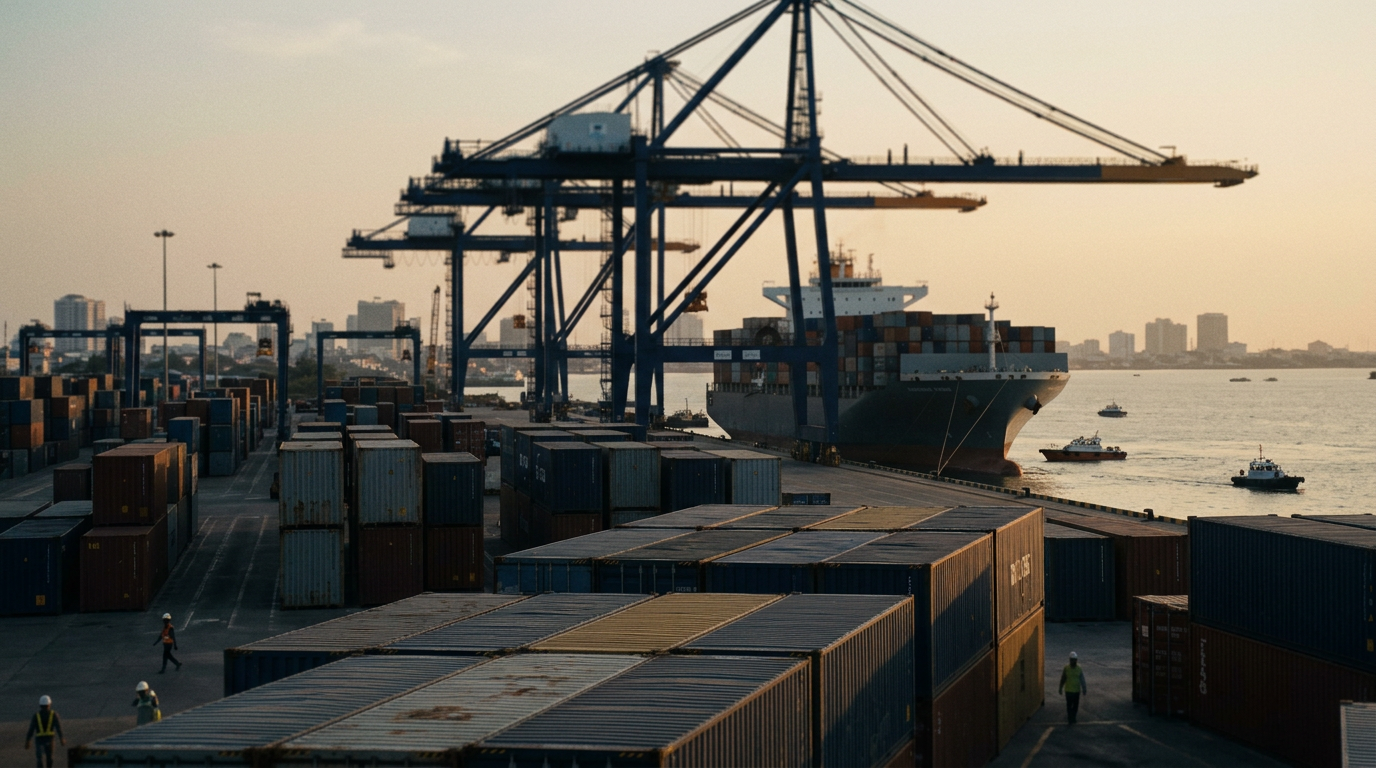
 Cambodia
, RCEP, and the China Question
Cambodia's trade surge under RCEP highlights a deeper structural reality for all of ASEAN: how to manage economic dependency on China without losing strategic optionality.
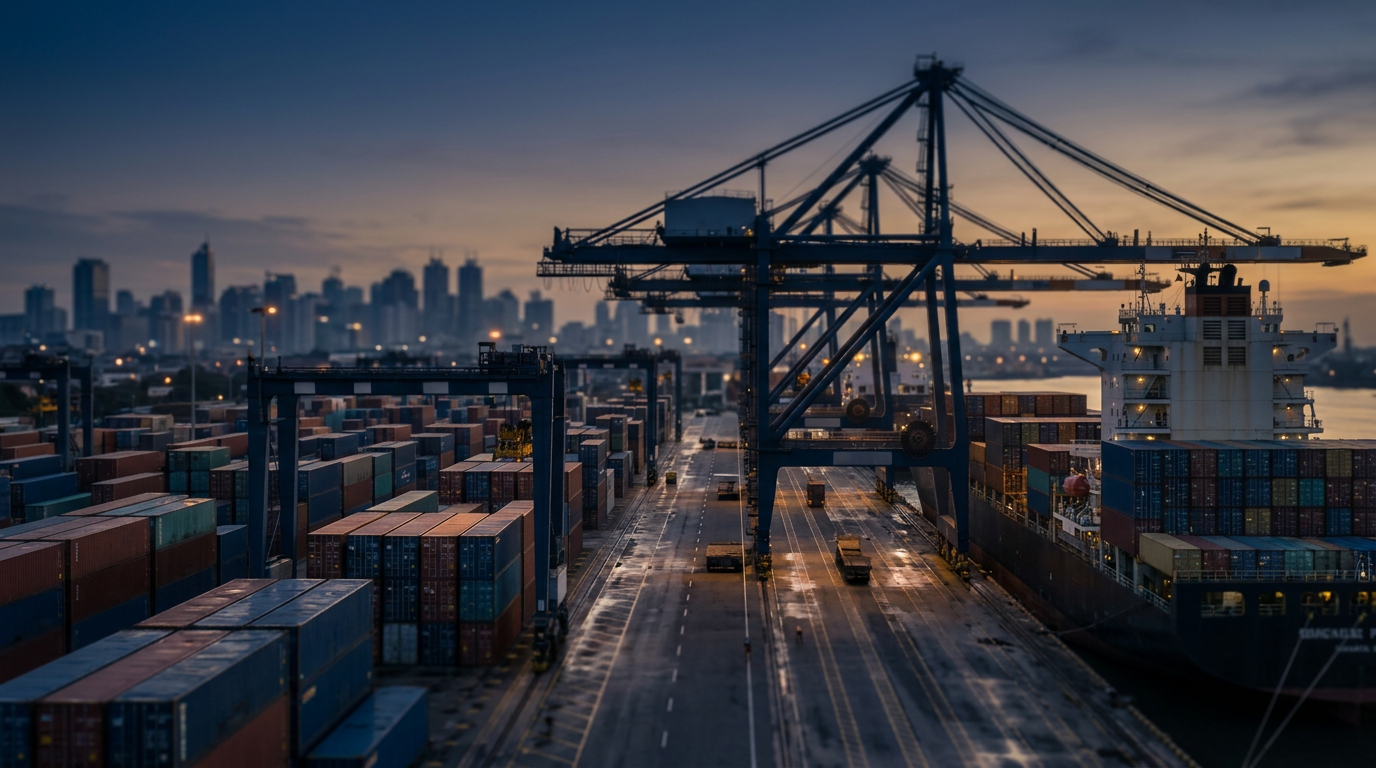 Indonesia
ASEAN's Test of Resilience Amid Great Power Rivalry
As a former Indonesian trade minister calls for ASEAN to build resilience against geopolitical headwinds, the bloc's deep trade relationship with China requires careful management to maintain strategic autonomy.
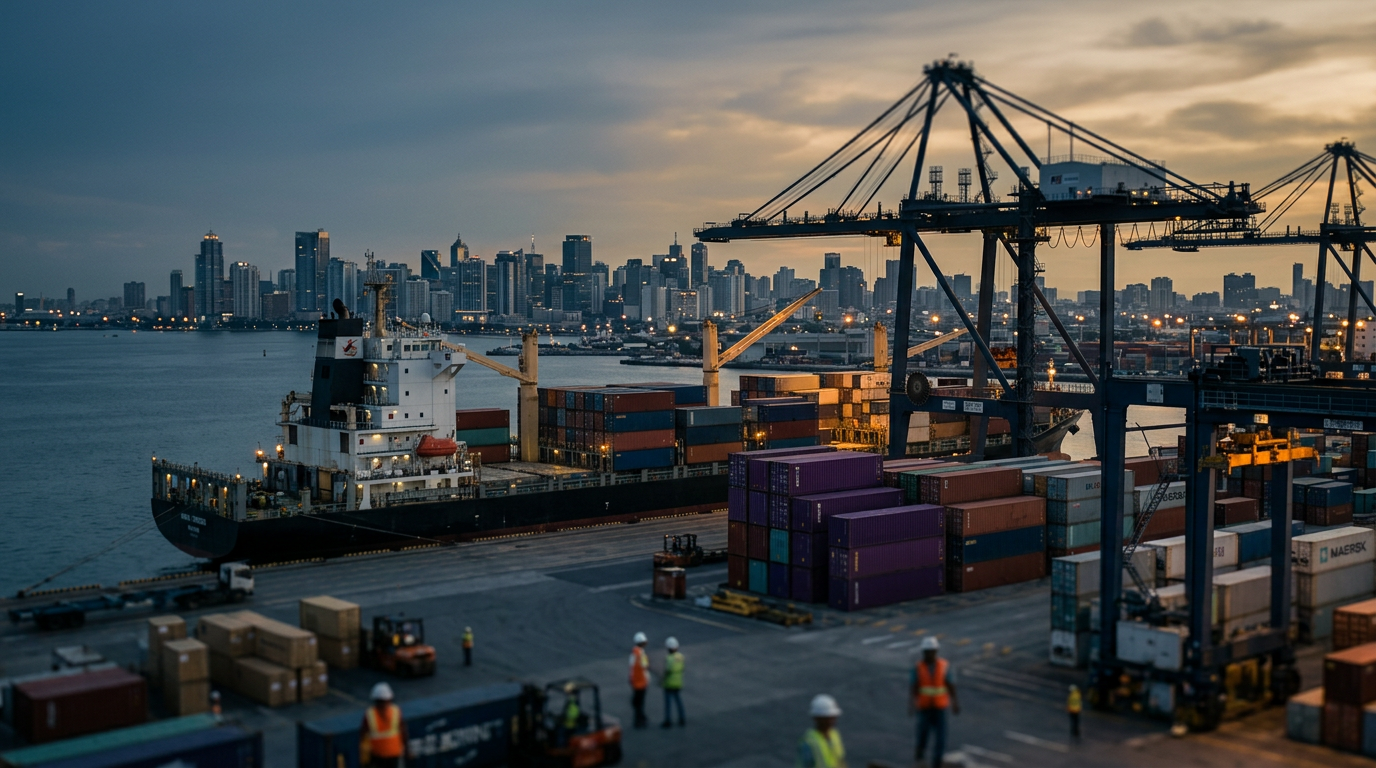 Philippines
The Philippines, Ukraine, and the Ube Trade: A Lesson in Dependency Management
A recent trade overture from Ukraine to the Philippines highlights a core theme of ASEAN economic statecraft: managing dependency. While China remains the dominant trade partner, new connections offer a path to greater strategic optionality.
 Malaysia
, Huawei and the Sovereign AI Stack
Sovereign AI in ASEAN will be tested not by model launches but by who controls the compute, the data layer and the digital identity rails that sit underneath everyday economic life.
 Malaysia
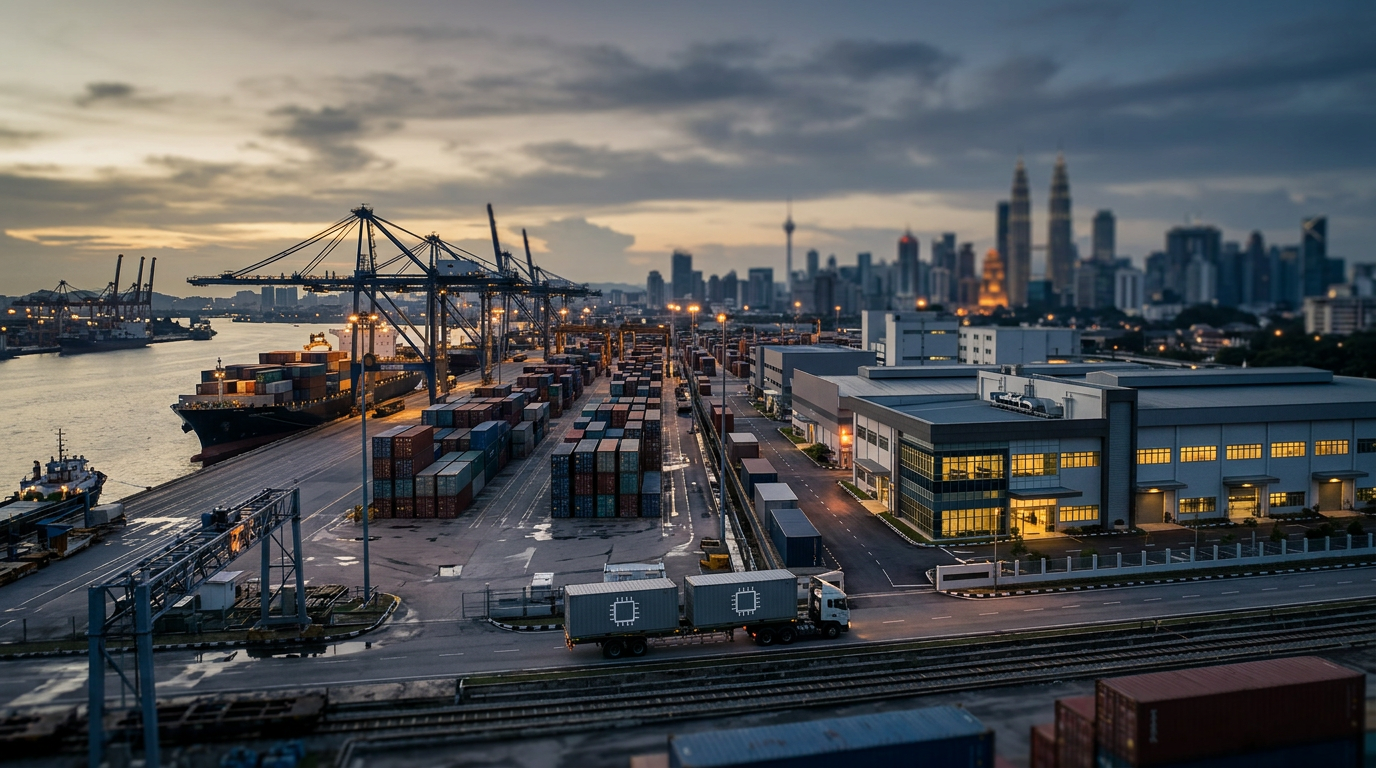
's Chip Boom and the China Question
An industry chief's forecast of a US$223 billion export year for Malaysia's electrical and electronics sector highlights the delicate balance ASEAN members must strike between seizing semiconductor supply chain opportunities and managing deep economic ties with China.
 Thailand
ASEAN and the Belt and Road: Managing Dependency
The ASEAN Secretary-General's upcoming keynote at the Belt and Road Summit is more than ceremonial. It signals a strategic imperative for the bloc: how to manage its deep and structural trade dependency on China.
 Malaysia
ASEAN Deepens China Trade Dialogue in Hong Kong
The ASEAN Secretary-General's visit to a Hong Kong trade forum highlights a core reality: deep economic ties with China are a permanent feature for the bloc, demanding a strategic approach to managing dependency while preserving policy choice.
China and ASEAN: Managing Trade Dependency
Trade with China is a structural reality for ASEAN. The focus now is on managing this dependency without losing strategic options. Recent trade data from Guangxi highlights the ever-deepening ties.
 Indonesia
's Commodity Trade Monitoring: A New Tool for an Old Problem
Indonesia's new Danantara platform for monitoring commodity exports is a significant step, but it also highlights the delicate balance ASEAN nations must strike in managing their deep trade relationships, particularly with China.
 Vietnam
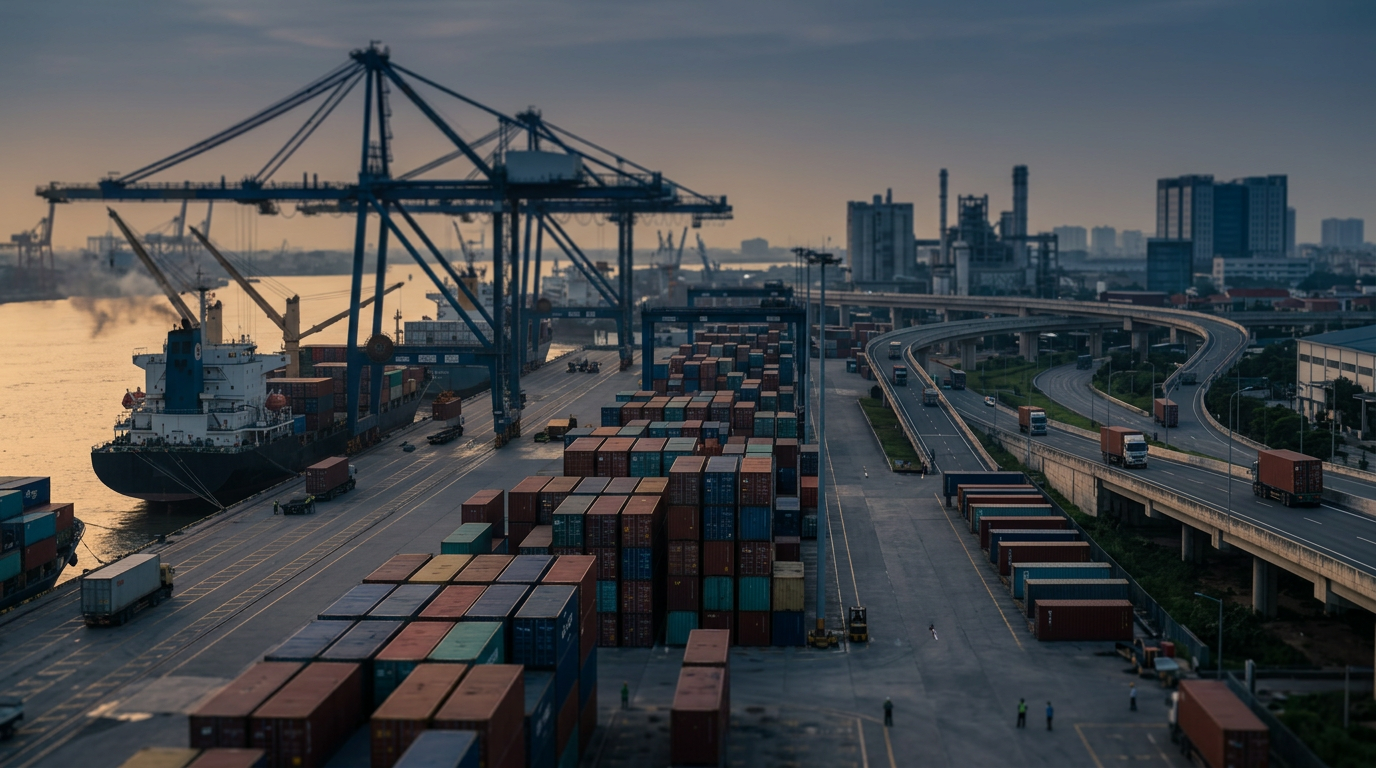
, the US, and China: The Trade Dependency Dilemma
Hanoi is trying to manage its deep trade dependency on China by improving trade terms with the United States. Success will depend on institutions, execution, and trust.
 Singapore
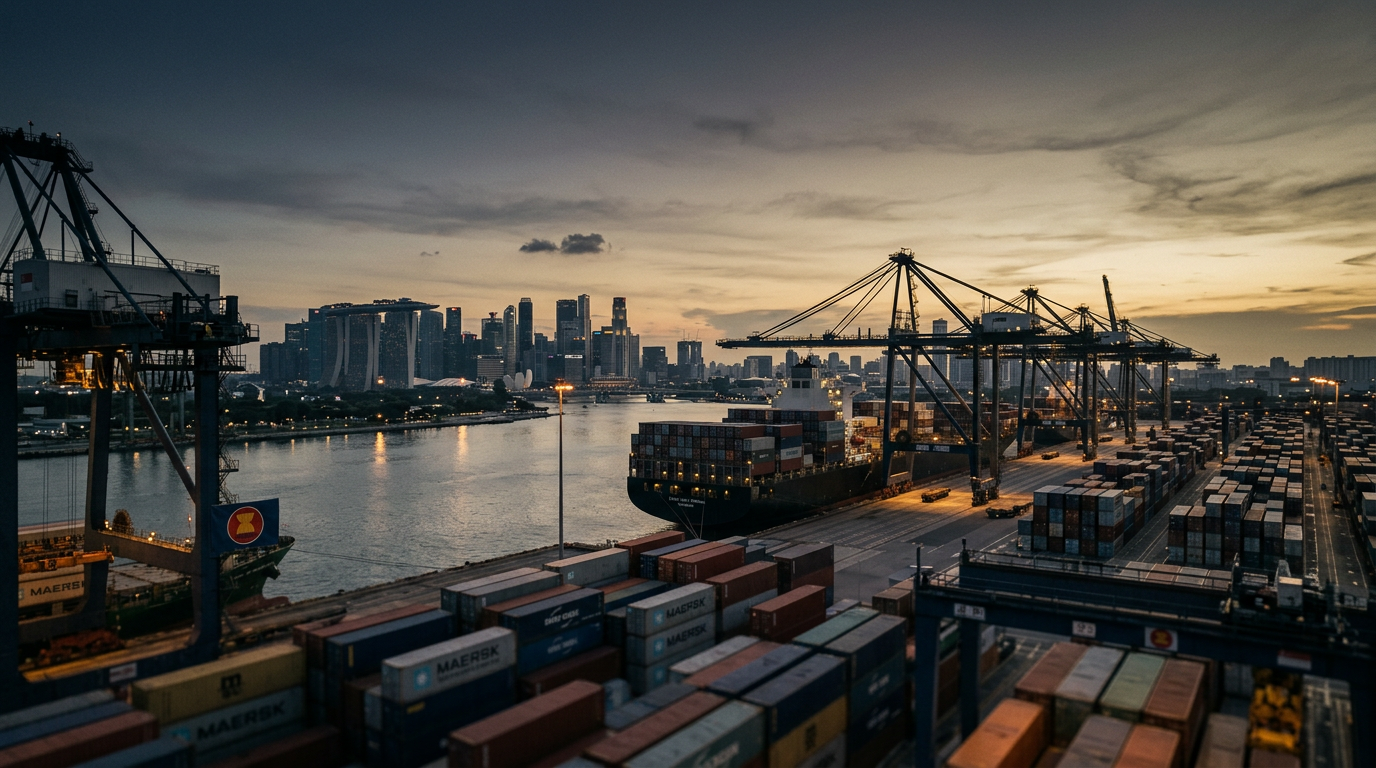
Managing Trade Dependency: Singapore, the US, and ASEAN's China Test
Singapore's recent trade discussions with the United States underscore a deeper structural challenge for all ASEAN members: how to manage deep economic ties with China while navigating intensifying US-China rivalry.
 Singapore
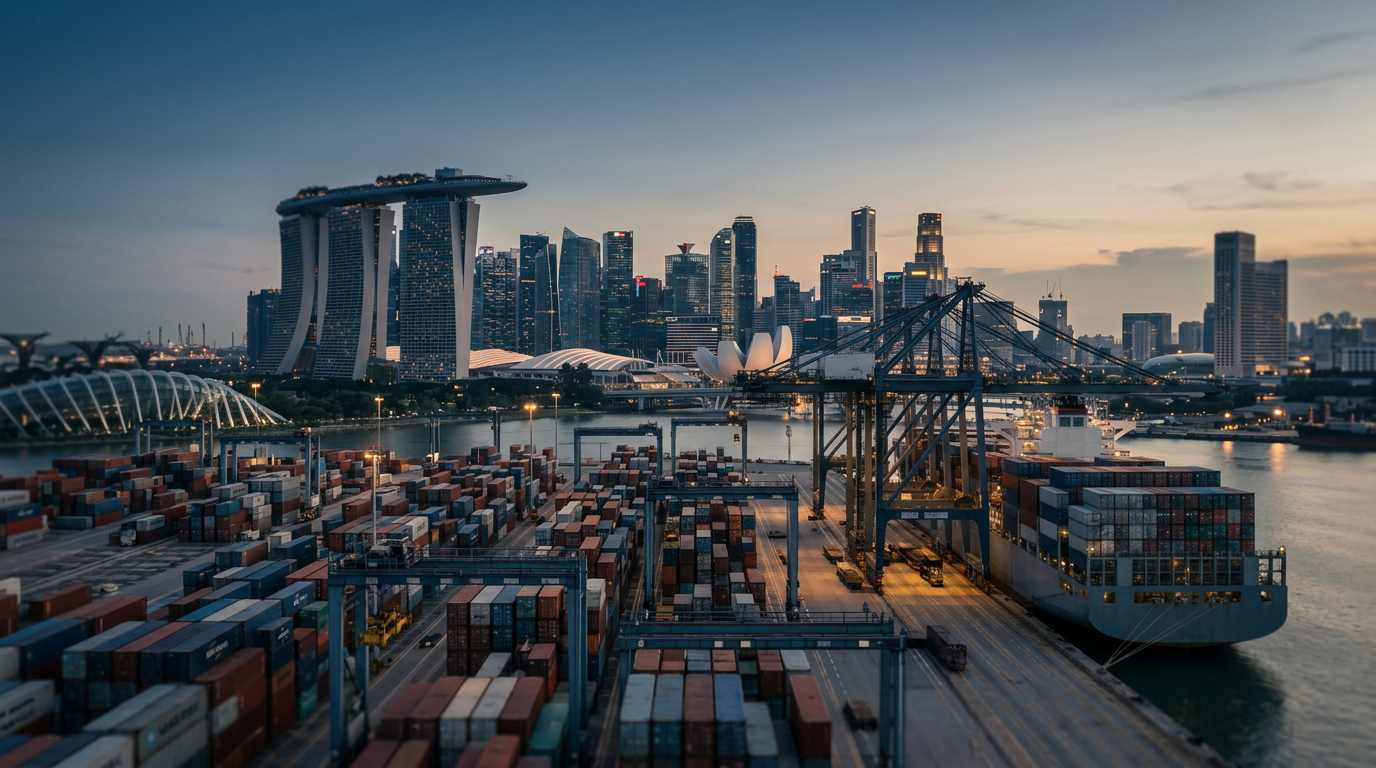
US Chip Controls and the China Trade Problem
US export controls on AI chips are creating new compliance risks for ASEAN businesses, highlighting the deep structural challenge of managing China trade dependency.
 Indonesia
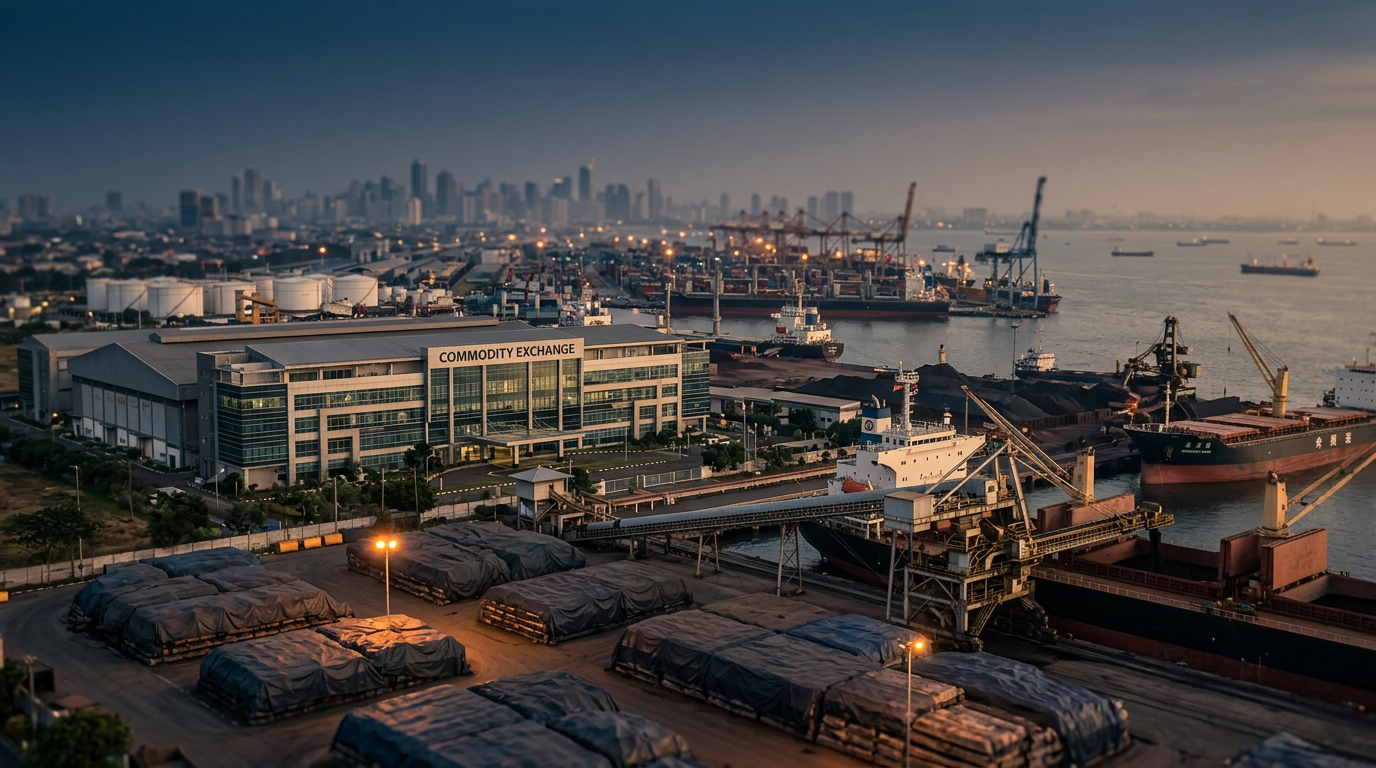
's Commodity Exchange and the Challenge of Managed Dependency
Jakarta's plan for a new commodity exchange for strategic minerals is a national initiative, but it raises regional questions about how to manage deepening trade links with China.
 Malaysia
, Taiwan, and the Great Power Trade-Off
Malaysia's deep trade ties with Taiwan and China are a case study in how ASEAN states manage complex relationships with larger powers, balancing economic benefits against strategic risks.
 Indonesia
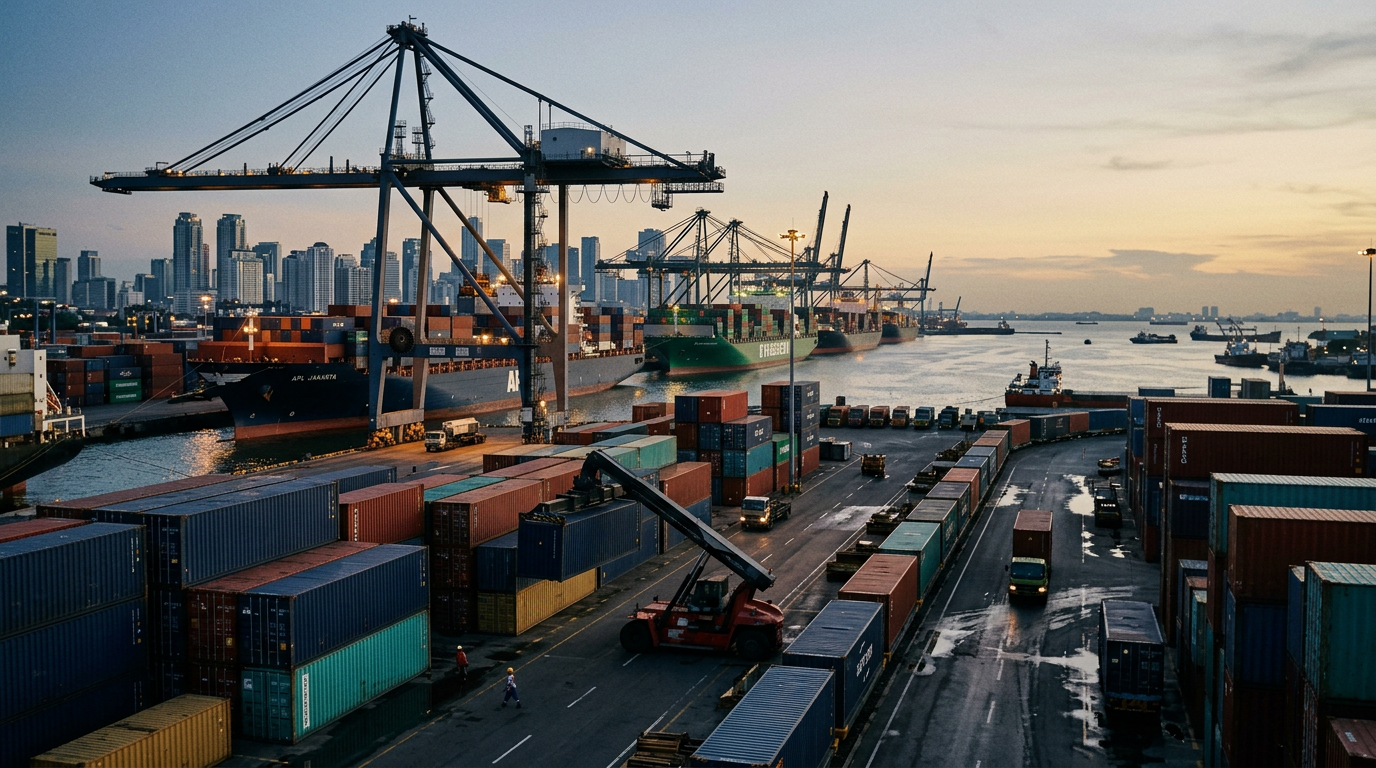
Brazil Seeks Deeper ASEAN Ties, Testing China Trade Dependency
As Brazil seeks to become an ASEAN Dialogue Partner, the bloc faces a familiar question: how to diversify its trade relationships and manage its deep, structural dependency on China without losing economic or strategic optionality.
 Philippines
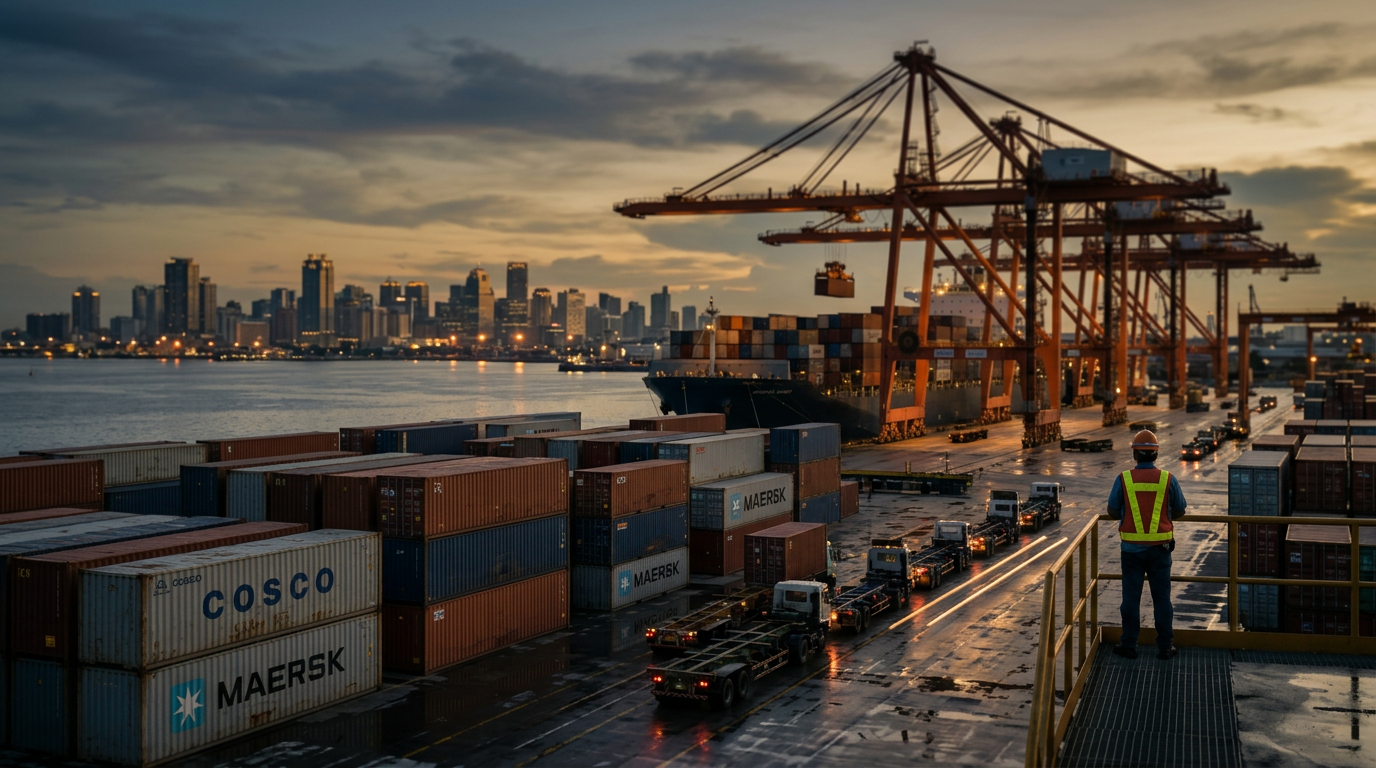
The Philippines Weighs Its China Trade Dependency
The Philippines is re-evaluating its economic engagements amid geopolitical turmoil. This reflects a broader ASEAN challenge: how to manage deep trade ties with China without sacrificing strategic optionality.
 Indonesia
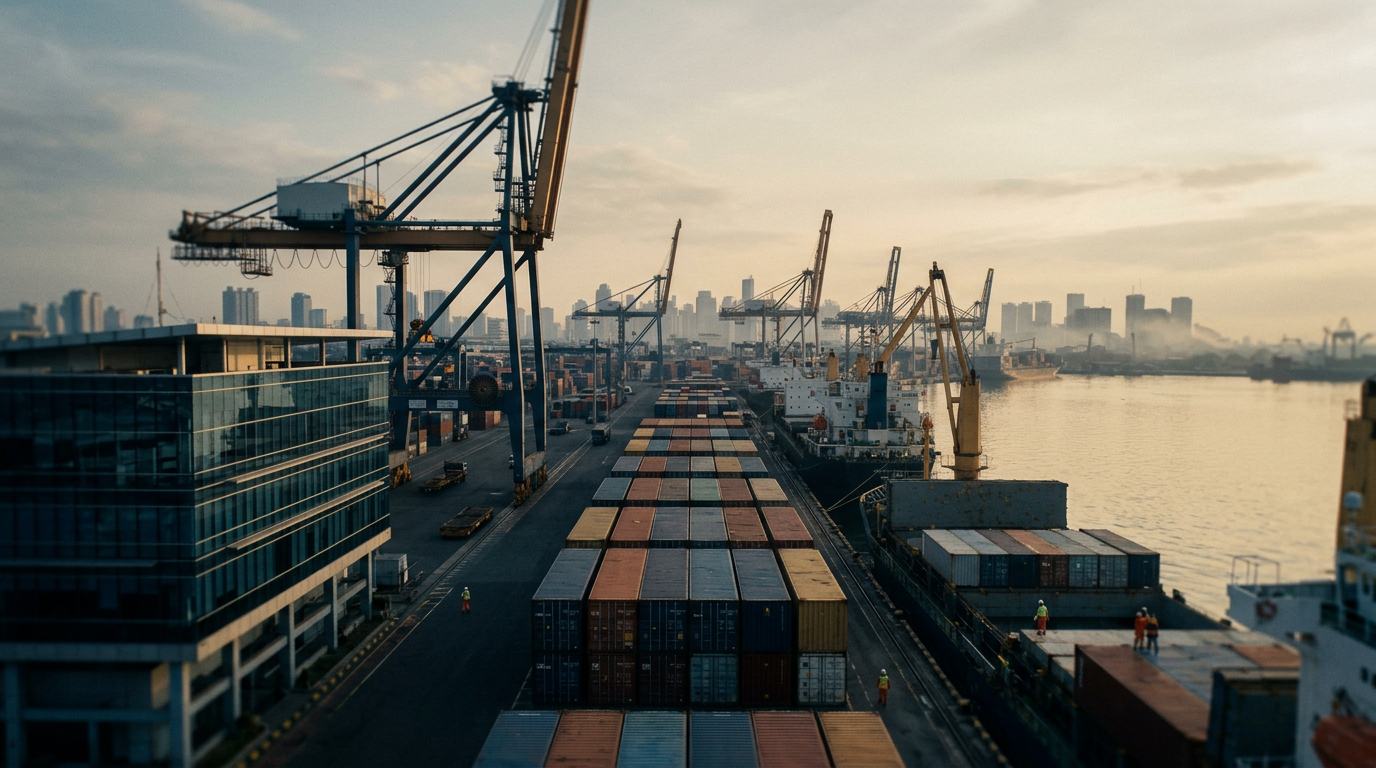
's Commodity Centralisation: A New Model for Managing China Trade?
Indonesia plans a new state firm to centralise commodity export monitoring. This move reflects a regional trend: as trade with China deepens, ASEAN governments are building new institutions to manage the risks of dependency.
 Singapore
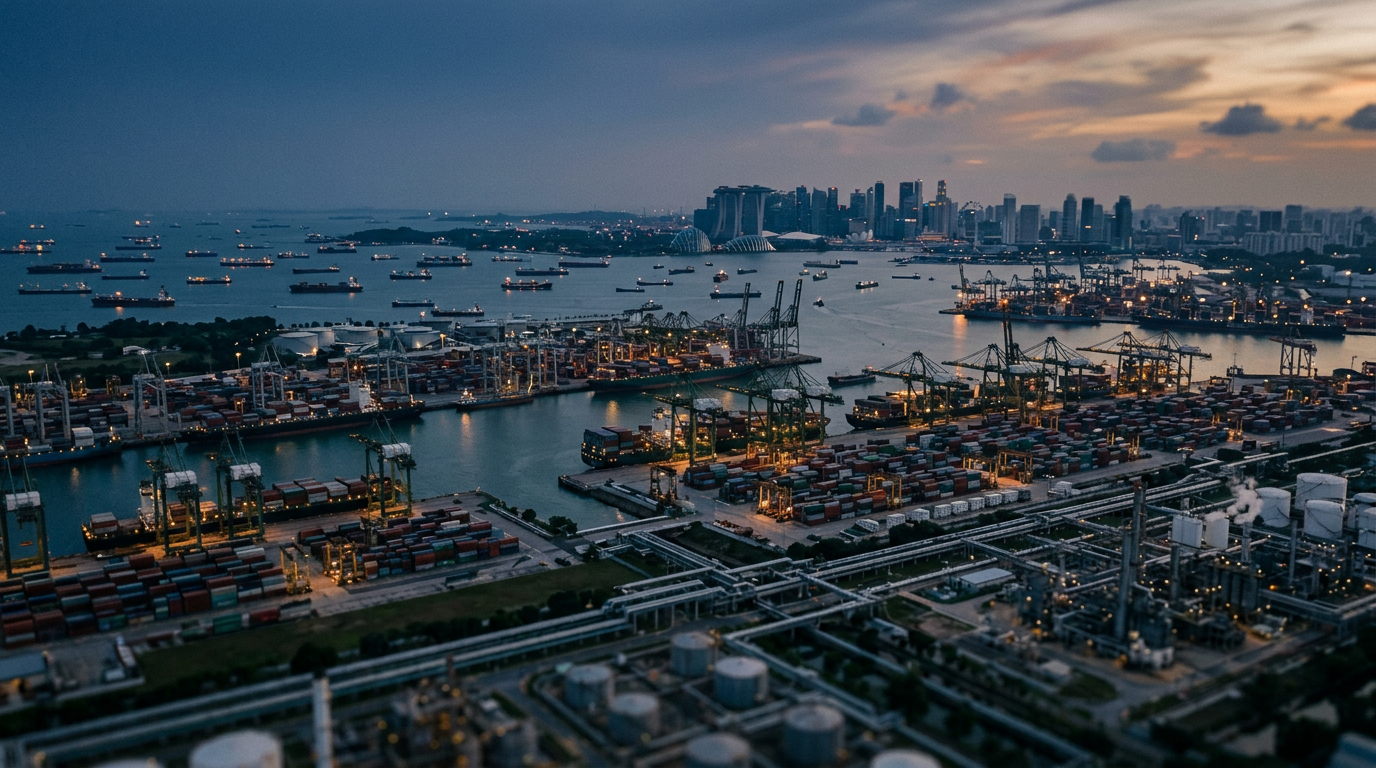
 Tightens Transshipment Rules Under US-China Trade Pressure
New rules from Singapore's Ministry of Trade and Industry require firms to declare the true country of origin for goods transshipped through the city-state. The move highlights the delicate balancing act ASEAN nations must perform as they manage deep economic ties with China.
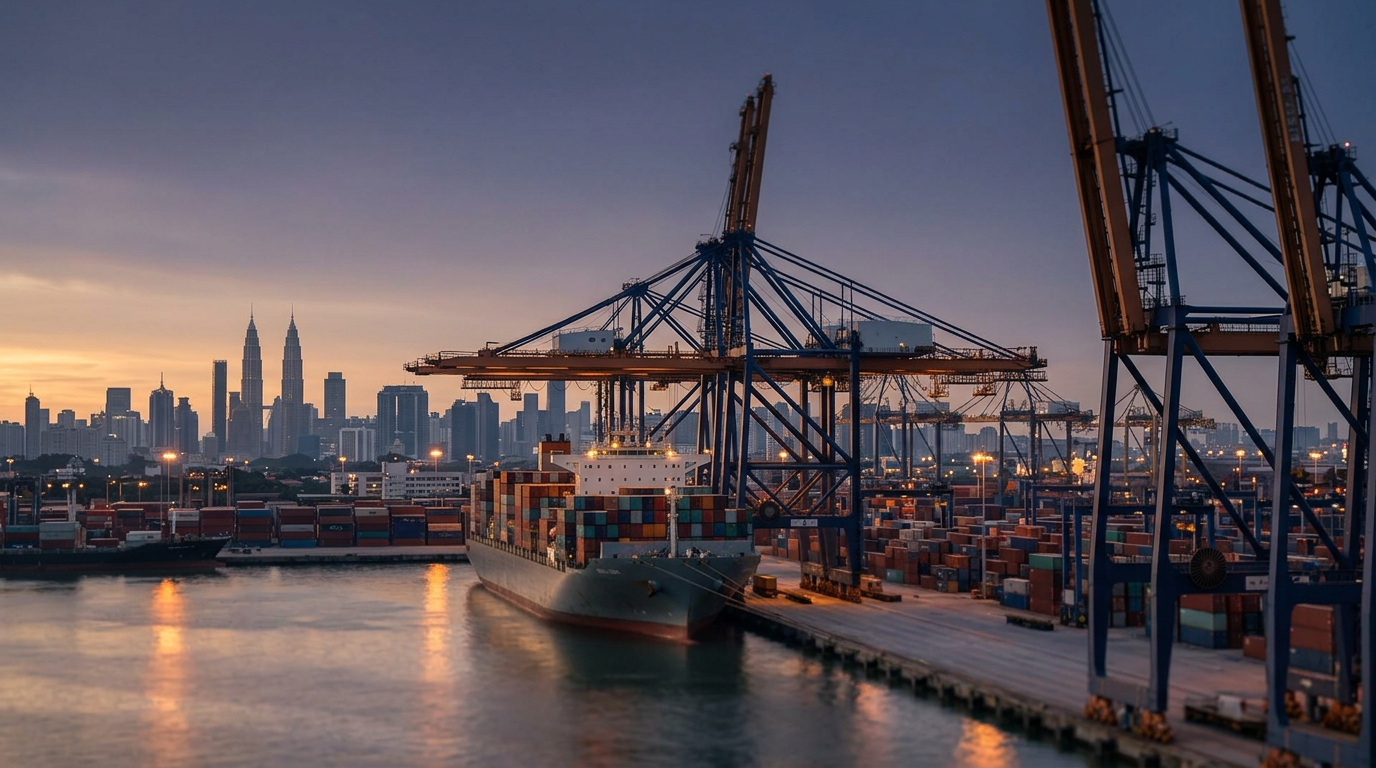 Malaysia
China-ASEAN Trade: Managing Dependency
Trade with China is a structural reality for ASEAN. The question is no longer whether to engage, but how to manage the dependency without sacrificing strategic options.
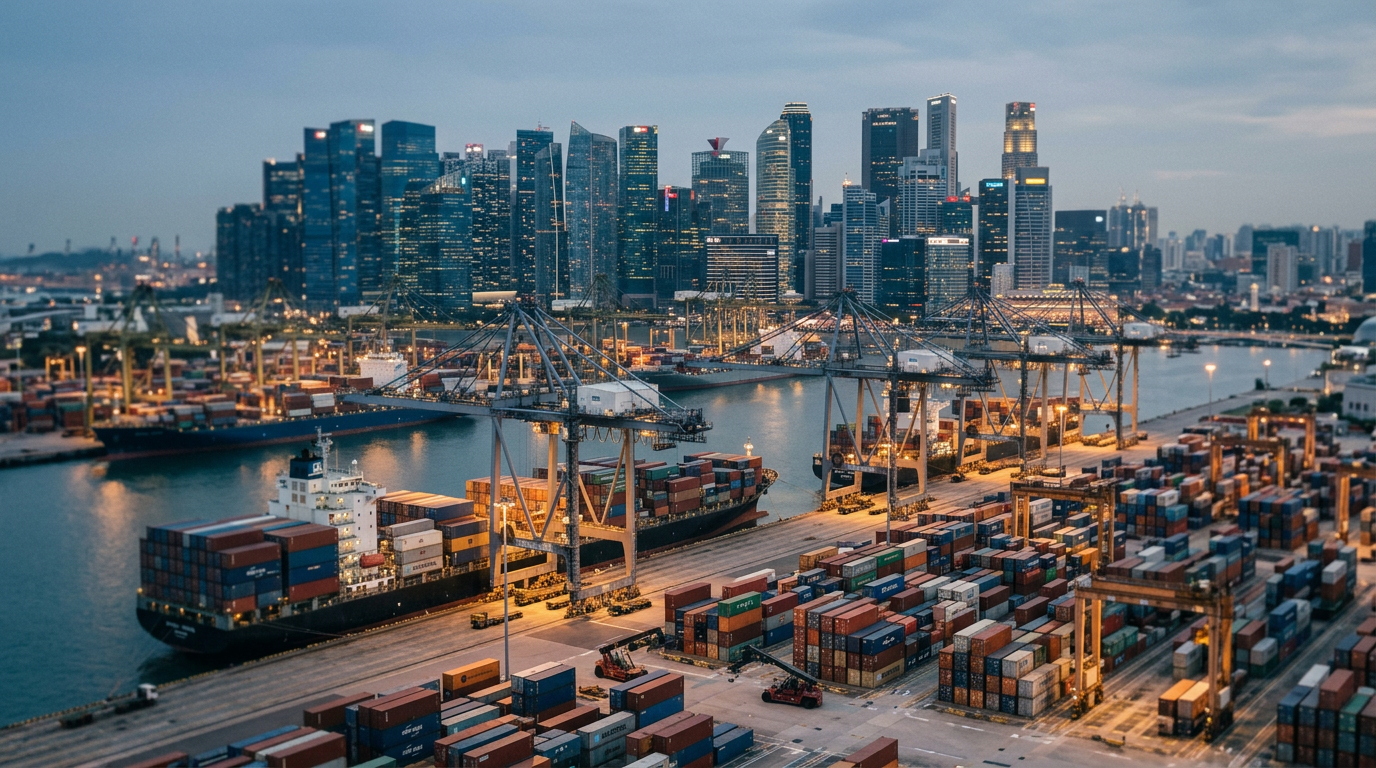 Singapore
Managed Dependency: Singapore, ASEAN, and US-China Trade
Recent US allegations of a China-centered "shadow transshipment network" involving Singapore underscore a structural reality for ASEAN. Trade depth with China is a feature, not a bug, and the key challenge is managing dependency.
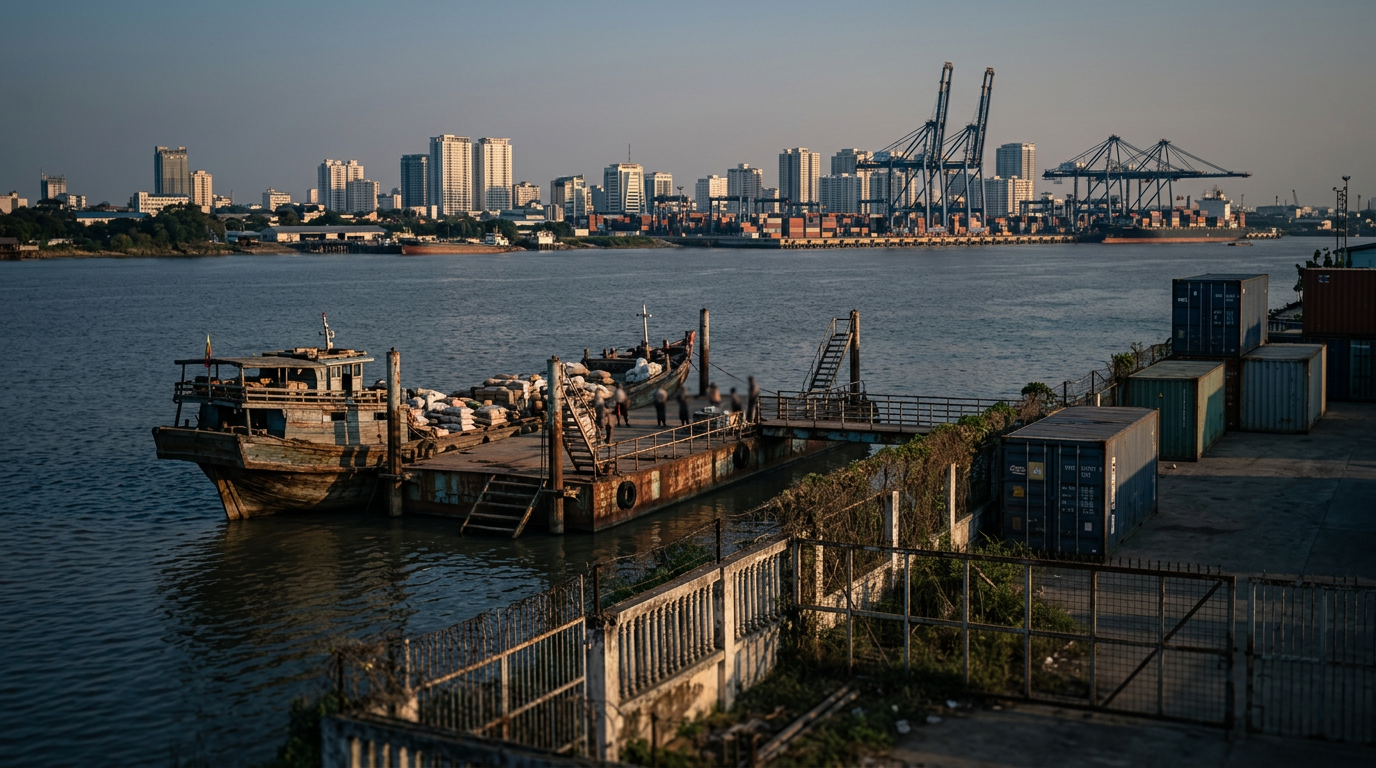
 Myanmar
 and ASEAN: The High Cost of Institutional Friction
When a state's capacity to execute is in doubt, its ability to attract and retain capital is diminished.
Sovereign AI in ASEAN: The Real Contest is for Control of Compute, Data, and Identity
The competition for AI dominance in Southeast Asia is not just about model launches. The real test for sovereign AI in ASEAN is who controls the compute, the data layer, and the digital identity rails of everyday economic life.
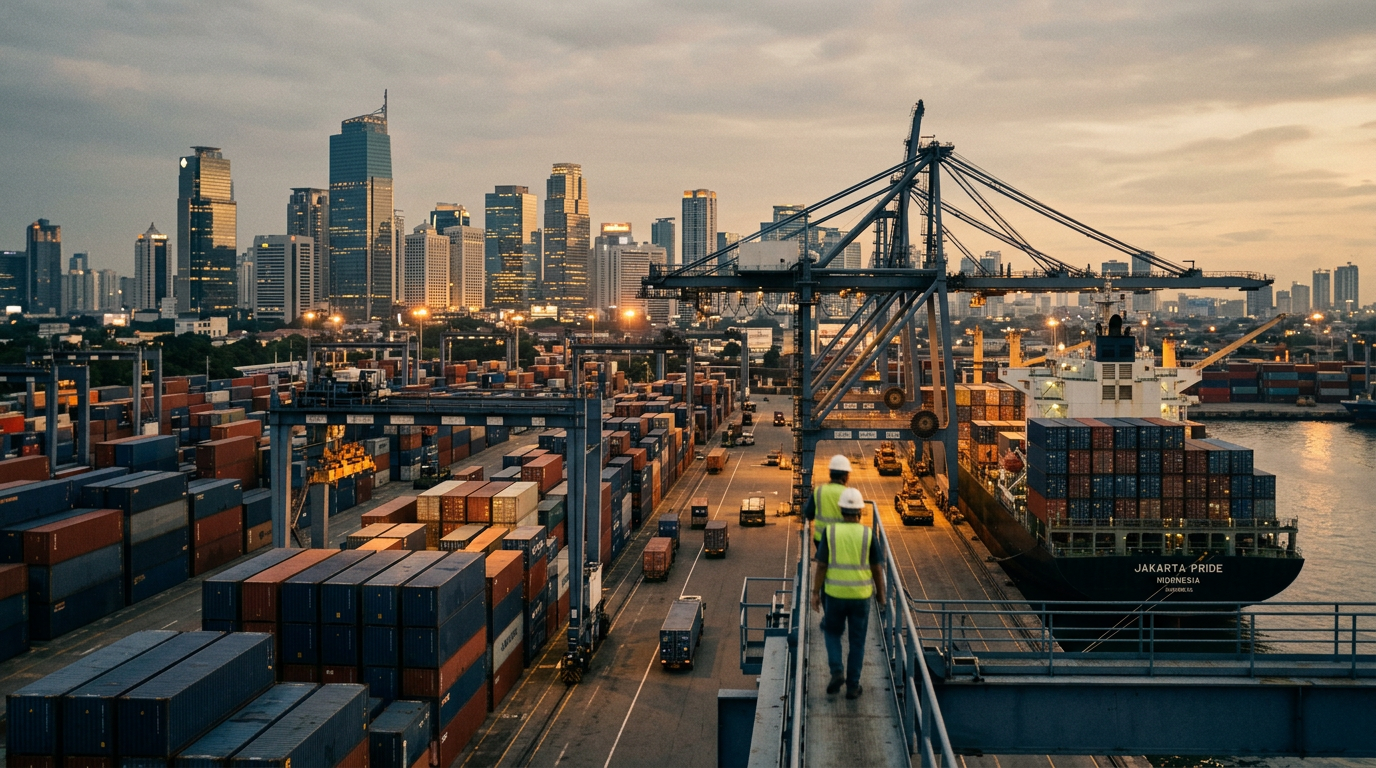 Indonesia
 Looks Beyond China for Trade
Indonesia's export diversification strategy to Central Asia and Africa reflects a broader ASEAN trend: managing economic dependency on China without sacrificing growth. This move is not about decoupling, but about building resilience and maintaining strategic options in a.
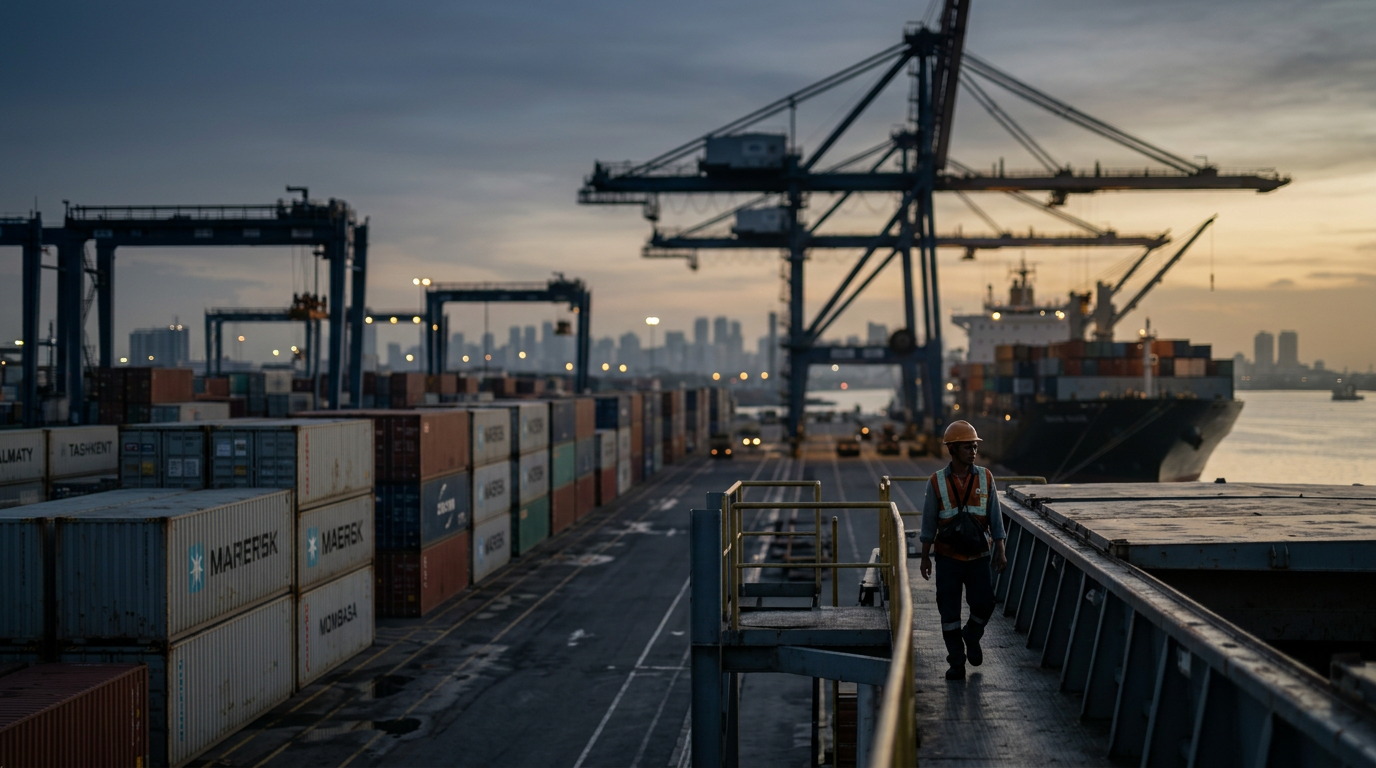 Indonesia
 Looks Beyond China to New Export Markets
Indonesia is trying to reduce its export dependency on China by developing new markets in Central Asia and Africa. This move reflects a broader ASEAN concern about managing economic reliance on a single major partner.
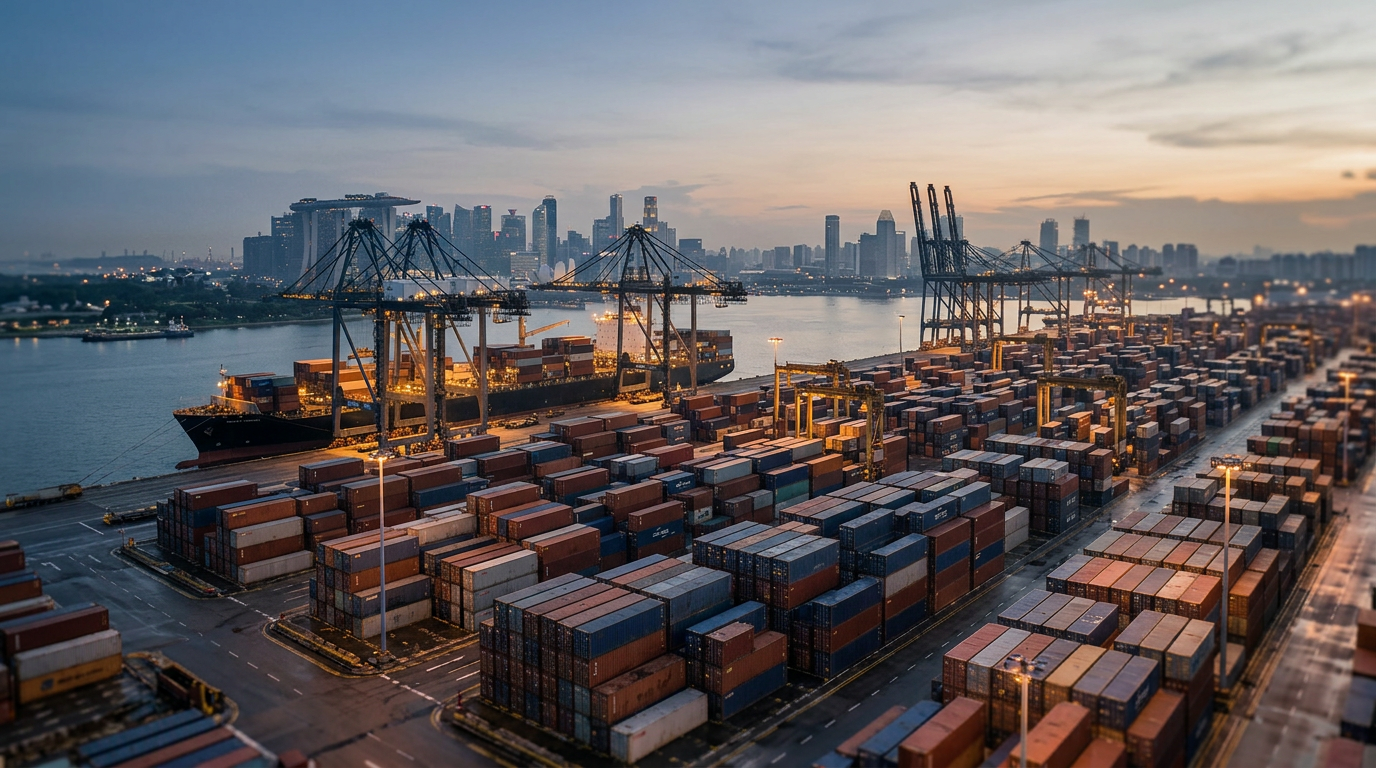 Singapore
, Tariffs, and the Illusion of Choice
A new US tariff on Singaporean exports is a reminder that trade depth with both China and the US is a structural reality. For ASEAN, the question is not one of choosing sides, but of managing complex, and often conflicting, economic dependencies.
 Philippines
Manila Conference to Confront Philippine Trade Strategy
A 2026 business and government conference in Manila aims to tackle competitiveness, but the agenda highlights a deeper, structural issue for the Philippines and its neighbors: how to manage economic dependency on China.
 Cambodia
ASEAN's Civil Service: The Engine of Strategic Optionality
Strengthening the institutional capacity of ASEAN's civil service is the foundation for managing the bloc's deep and permanent economic relationship with China. Without effective execution, strategic policy remains on paper.

 Timor-Leste
's ASEAN Path and the China Question
Timor-Leste's journey toward ASEAN membership is a story of institutional capacity building. But joining the bloc also means confronting the structural reality of the region's deep economic integration with China.
 Vietnam
ACFTA Upgrade Tests ASEAN's China Strategy
The negotiation to upgrade the ASEAN-China Free Trade Agreement is more than a trade formality. It is a strategic exercise in managing economic dependency while securing regional interests in an age of asymmetry.
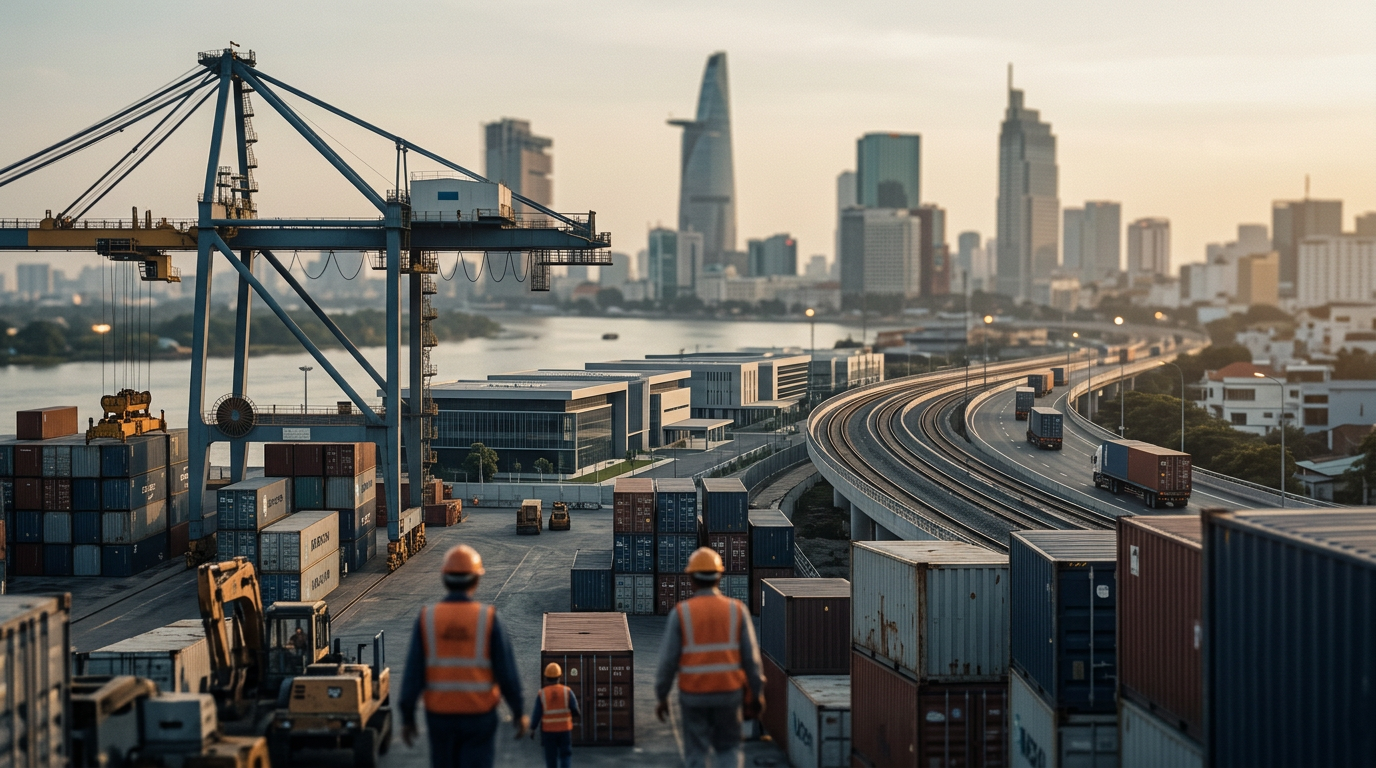 Vietnam
's Trade Boom and the China Dependency Question
Vietnam's impressive trade growth highlights a broader ASEAN reality: deep economic integration with China is a permanent feature. The challenge now is not one of engagement, but of managing this dependency to maintain strategic flexibility.
 Thailand
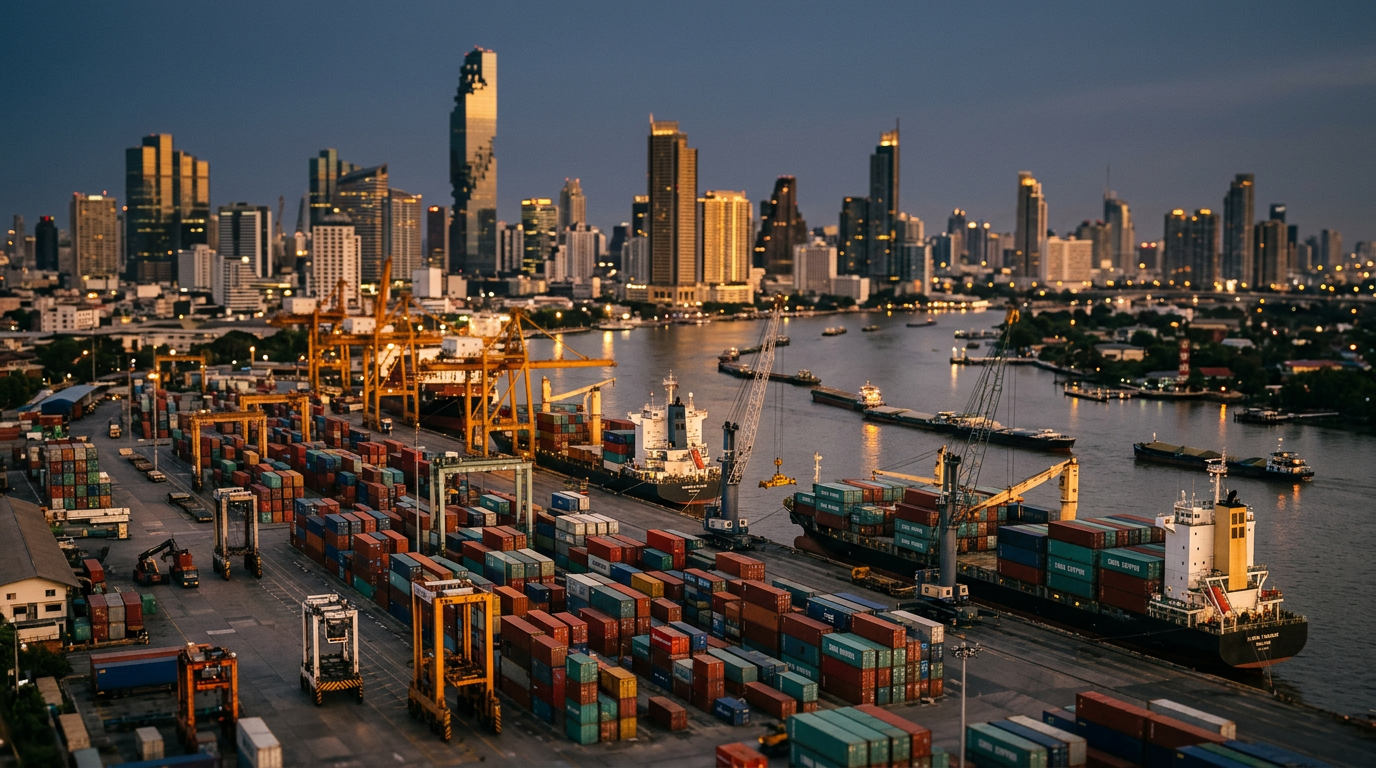
's New Premier, ASEAN, and the China Balancing Act
As Thailand's new prime minister prepares his first ASEAN policy speech, the core challenge remains navigating the deep economic relationship with China while maintaining strategic flexibility within the regional bloc.
 Malaysia
's Semiconductor Play and the ASEAN Quest for Optionality
A new German investment in Malaysia's semiconductor industry highlights a broader ASEAN strategy: diversifying economic partnerships to manage deep trade ties with China and maintain strategic flexibility.
 Philippines
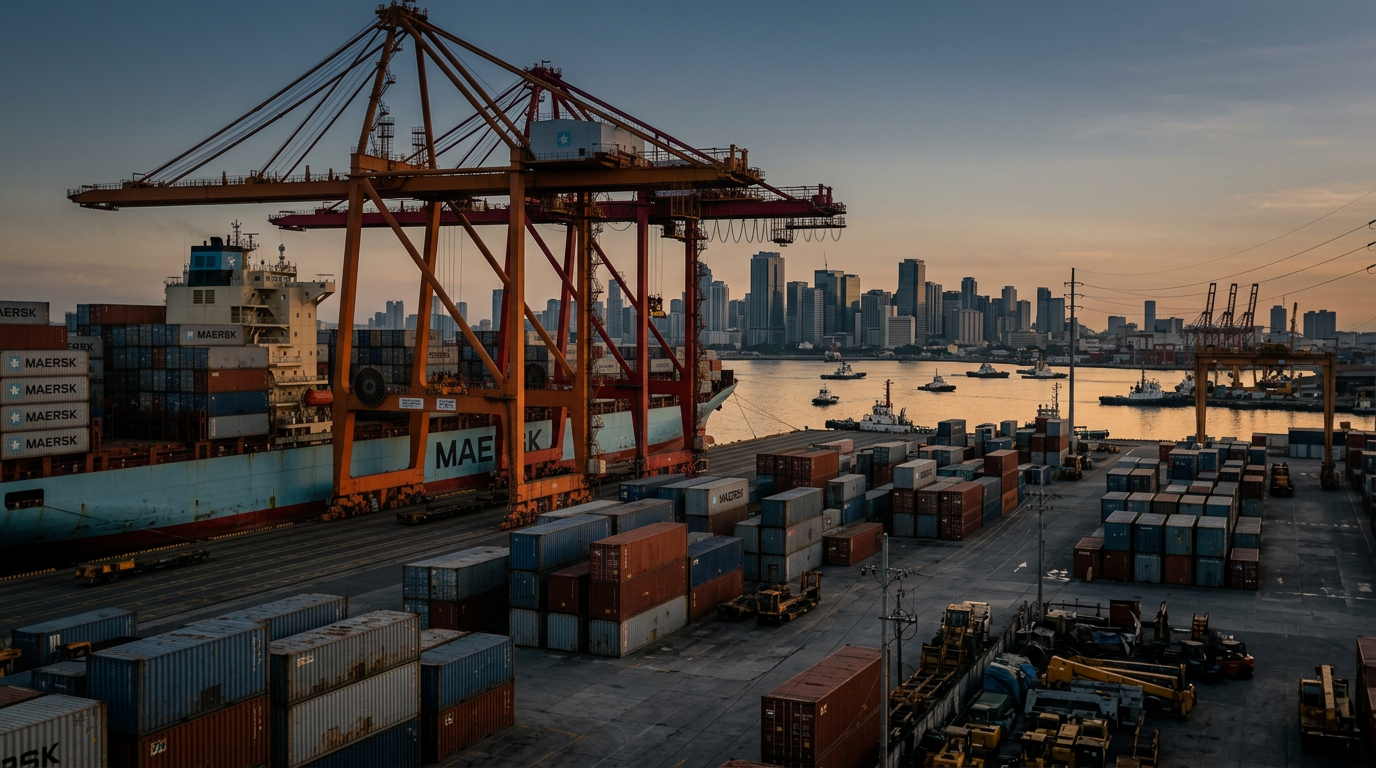
' Trade Deficit Highlights a Structural Reality for ASEAN
The Philippines' recent trade figures are not just a national concern but a mirror to a region-wide structural dependency on China. For ASEAN governments, the imperative is to manage this reality without compromising strategic flexibility.
 Philippines
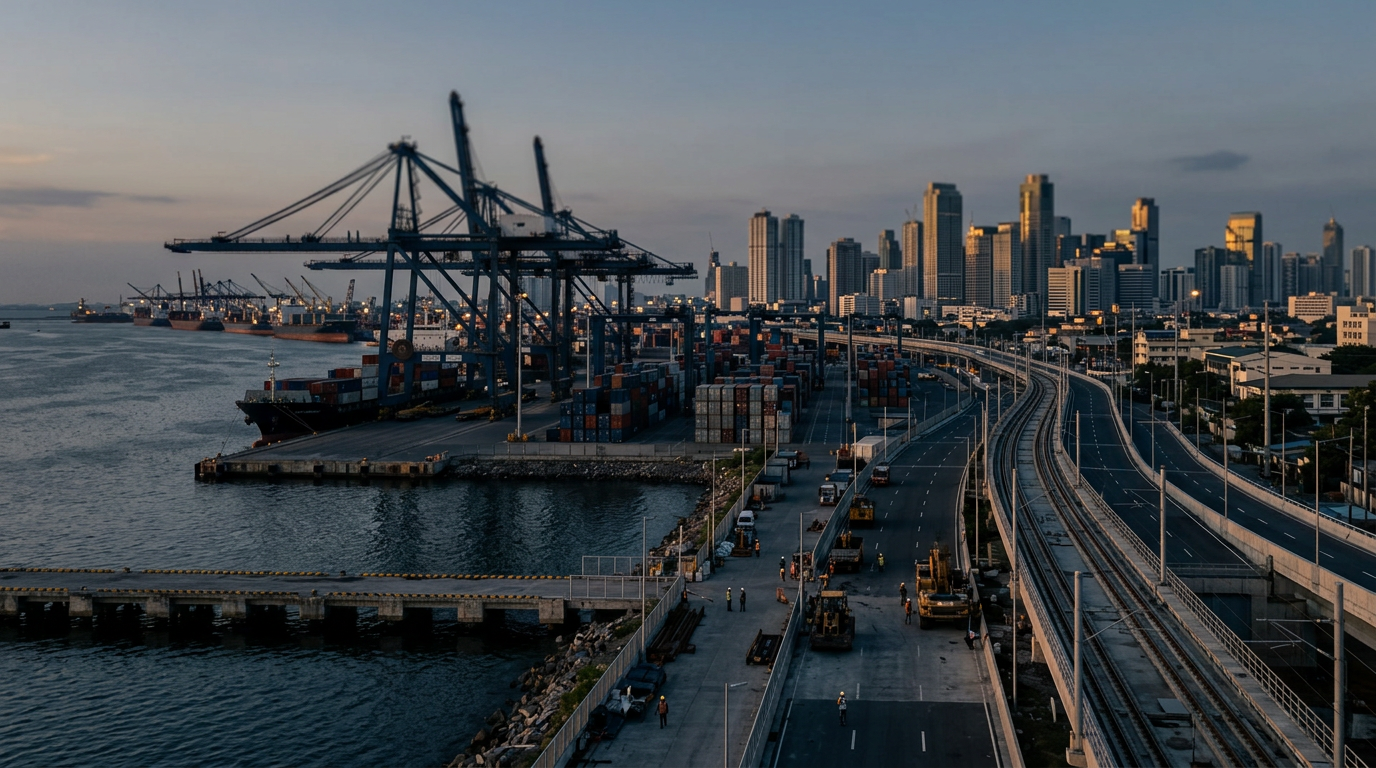
Managing Dependency: ASEAN's China Message in Manila
The ASEAN Secretary-General's participation in the 10th ASEAN Media Forum provides a platform to frame the bloc's sober, long-term strategy for managing its structural economic relationship with China.