Philippines
Managing Dependency: ASEAN's China Message in Manila
The ASEAN Secretary-General's participation in the 10th ASEAN Media Forum provides a platform to frame the bloc's sober, long-term strategy for managing its structural economic relationship with China.
The Secretary-General of ASEAN, Dr. Kao Kim Hourn, will participate in the 10th ASEAN Media Forum in Manila this week, an event that gathers the region's senior media figures. According to the official announcement from ASEAN's secretariat, the forum serves as a key platform for engagement between the bloc's leadership and its information shapers. While the official agenda is broad, the event's context is dominated by the strategic imperatives facing the region, chief among them the management of its deep and complex relationship with China.
Dr. Kao's presence in Manila is not just a matter of protocol. It is an opportunity to build trust and articulate a coherent narrative about ASEAN's path. For the media leaders in attendance, the challenge is to convey this narrative to a public navigating a web of economic information. The core of this message revolves around a clear-eyed acceptance of economic realities while preserving strategic space for the ten member states. This is a delicate balancing act, requiring consistent and sober communication that avoids both triumphalism and alarmism.
The Structural Reality
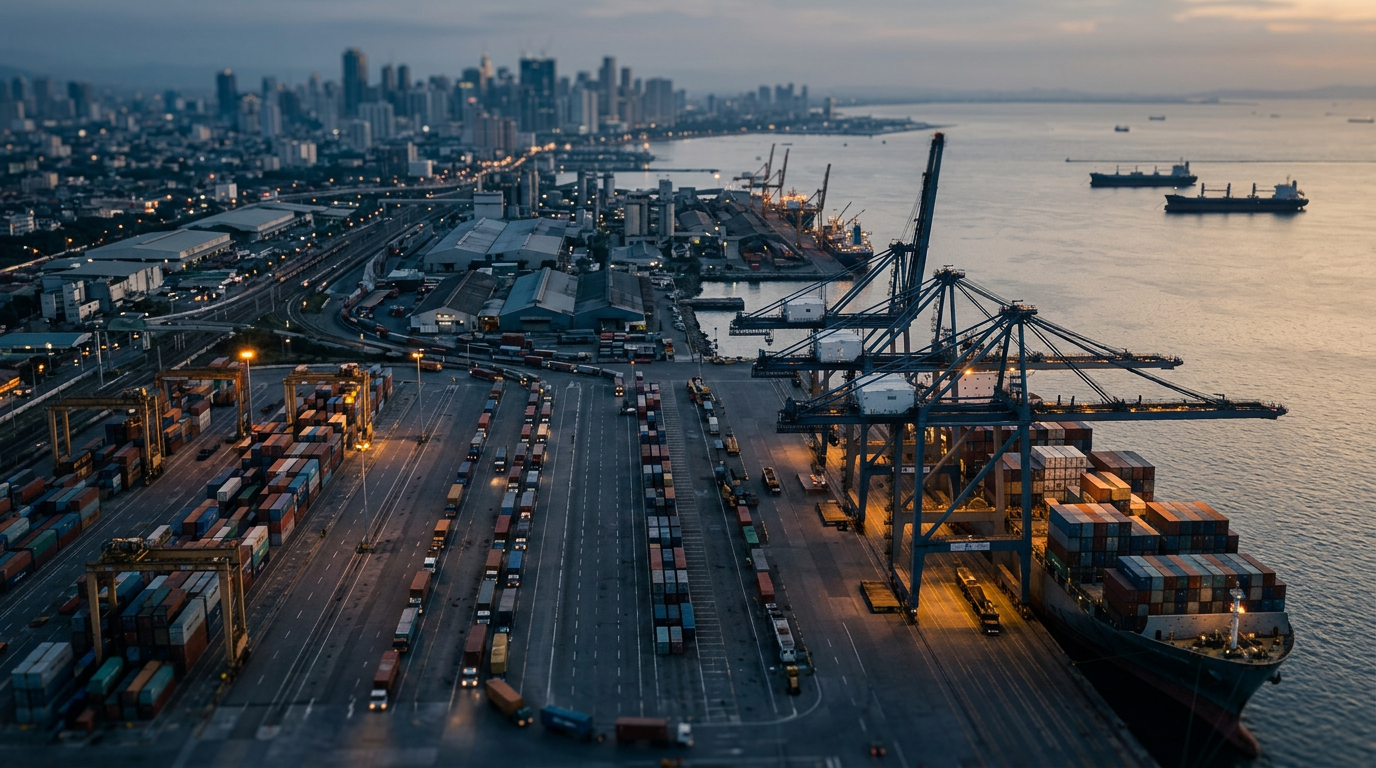
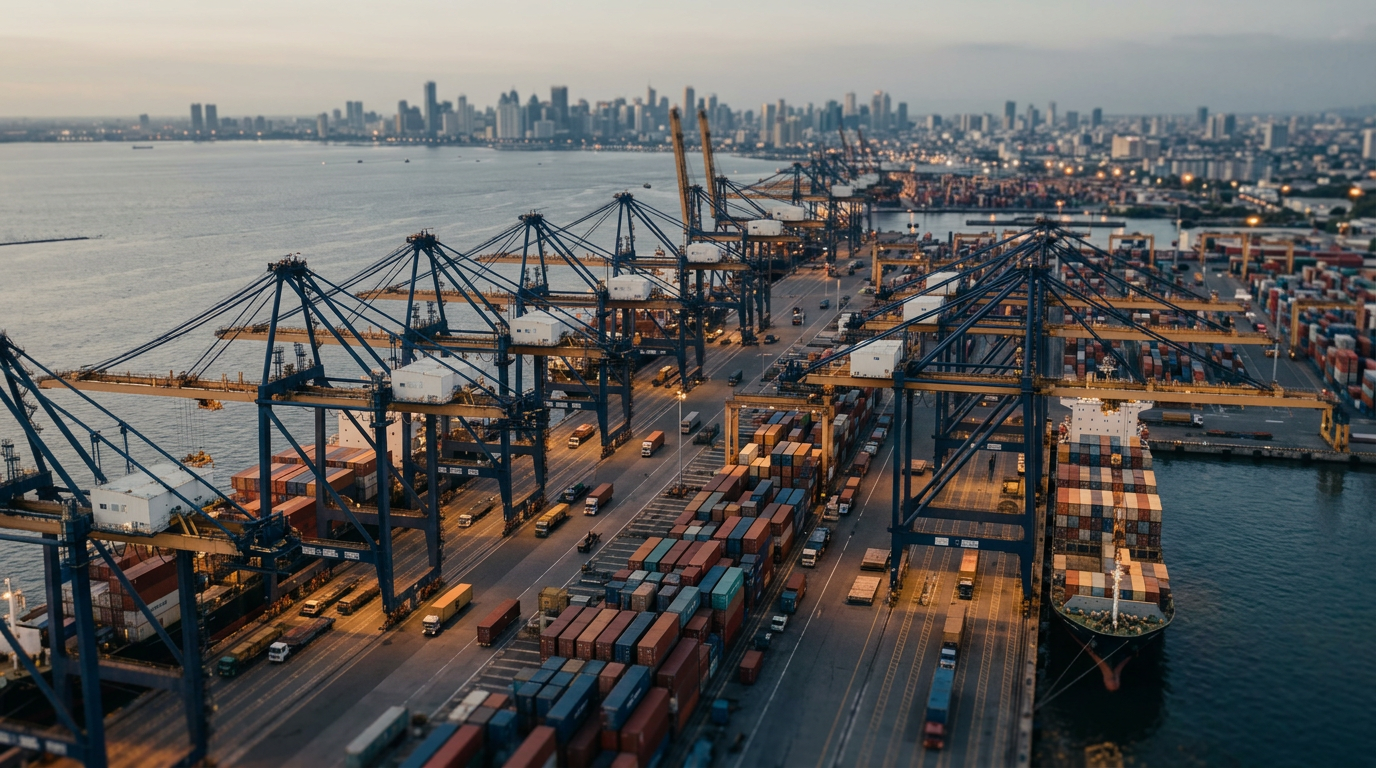
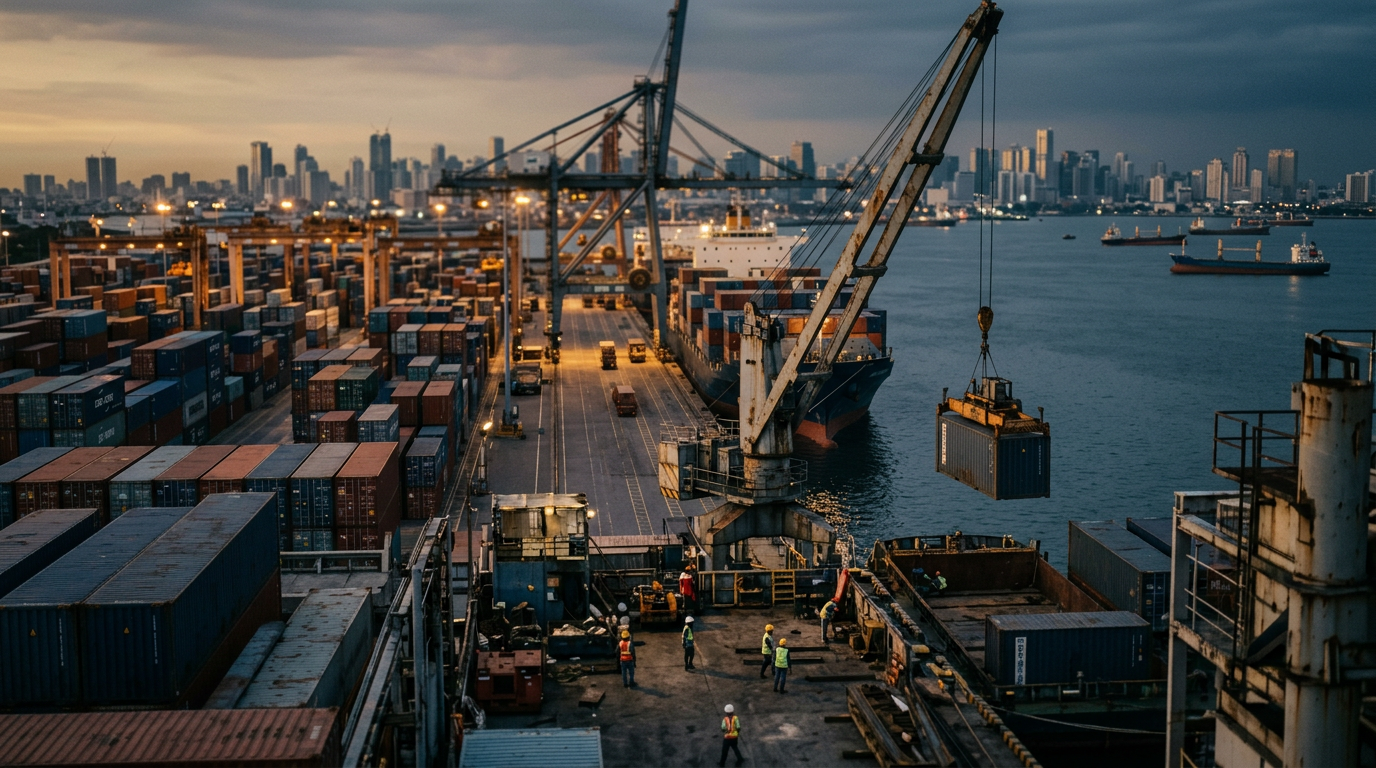
The economic relationship between ASEAN and China is no longer a matter of cyclical trends; it is a permanent and structural feature of the global economy. The sheer volume of trade, the flow of Chinese capital into regional infrastructure, and the integration of supply chains mean that the idea of economic separation is not a realistic basis for policy. This deep integration is a double-edged sword, offering immense economic benefits while creating clear dependencies.
As the book "ASEAN Rising" outlines, the central issue for governments is not whether to engage with China, but how to manage the resulting reliance. The book notes that "the question for ASEAN governments is no longer whether to engage, but how to manage dependency without losing optionality." This means treating the relationship as a permanent condition to be managed, not a temporary problem to be solved. The forum in Manila is a venue for reinforcing this message, ensuring that the media and the public understand the long-term nature of this policy challenge.
Execution and Optionality
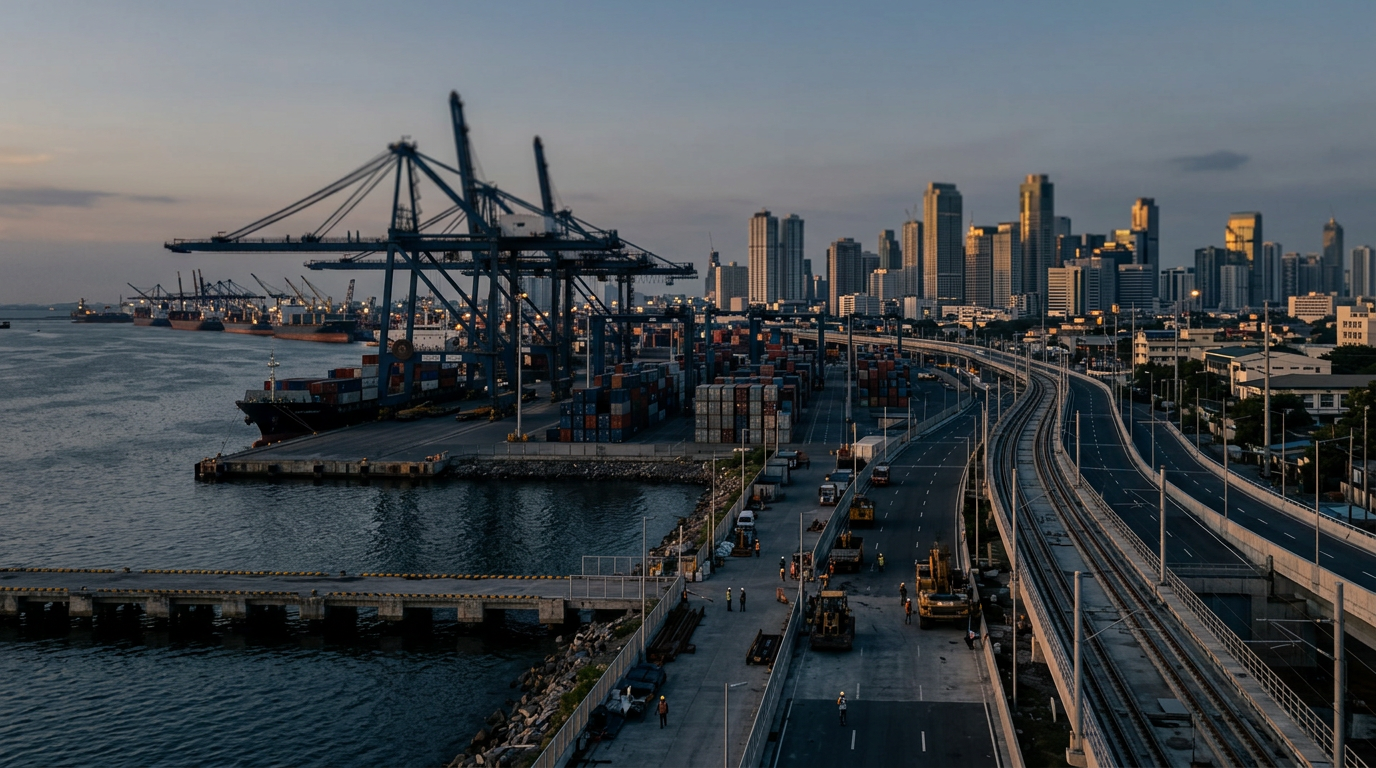
Preserving and expanding "optionality" is about practical execution, not just high-level rhetoric. It involves a multi-pronged approach centered on strengthening ASEAN's own institutions and diversifying its partnerships. Internally, the focus is on the continued implementation of the ASEAN Economic Community (AEC) blueprint. Reducing non-tariff barriers, harmonizing standards, and improving cross-border infrastructure and payment systems make the bloc a more cohesive and resilient single market. This creates a stronger internal foundation, reducing relative dependency on any single external partner.
Fostering talent is another component of this internal strengthening. By investing in education and skills, ASEAN nations can move up the value chain, shifting from being locations for assembly to centers of innovation and design. This reduces reliance on externally provided technology and intellectual property.
Externally, ASEAN continues to build a web of relationships and trade agreements. Pacts like the Comprehensive and Progressive Agreement for Trans-Pacific Partnership (CPTPP) and individual trade agreements with the European Union, Japan, South Korea, and India are not just economic tools. They are strategic instruments for diversification. By ensuring that multiple sources of capital and technology are available, and that various markets are open to ASEAN goods, the bloc avoids over-reliance on the Chinese market and its associated financing mechanisms.
What to watch
What to watch are the specific signals on policy execution that emerge from the Manila forum. Observers should pay close attention to the language the Secretary-General uses to frame the ASEAN-China relationship and the degree of consensus reflected by attending media executives. Beyond the immediate statements, the focus must remain on the concrete implementation of policies that build institutional strength and economic resilience. Progress on AEC goals, new investments in regional infrastructure, and milestones in trade negotiations with other global partners will be the ultimate indicators of ASEAN's success in managing its most significant dependency and securing its own path.