Vietnam
Vietnam, the US, and China: The Trade Dependency Dilemma
Hanoi is trying to manage its deep trade dependency on China by improving trade terms with the United States. Success will depend on institutions, execution, and trust.
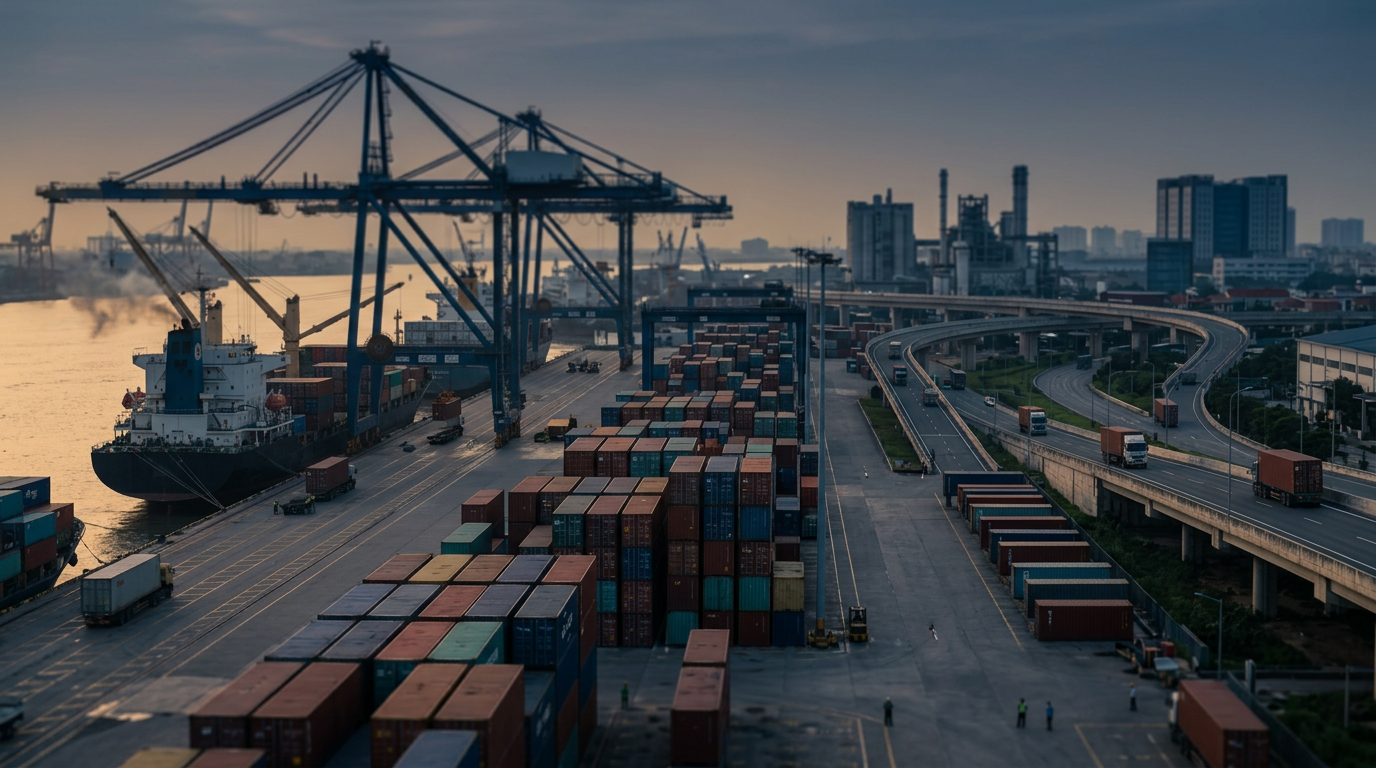
Vietnam's recent statement on its readiness for renewed trade negotiations with the United States, as reported by The Star, highlights a central tension for many Southeast Asian nations. Hanoi is attempting to secure better terms and tariff agreements with Washington, reflecting a broader strategic effort to counterbalance its deep economic ties with Beijing.
The Gravity of China Trade
For Vietnam, as for many of its neighbors, substantial trade with China is a permanent economic feature. The discussion within ASEAN governments has shifted from whether to engage with China to how to manage the resulting economic dependency. As the book "ASEAN Rising" notes, for these governments, the goal is to "manage dependency without losing optionality." Vietnam's outreach to the US is a clear exercise in seeking that optionality. Better access to the vast US market would provide a vital counterweight to its reliance on the Chinese economy for both supply chains and exports. This is not about replacing China, but about creating a more balanced economic portfolio to mitigate risks and enhance stability.
Institutions and Trust
A successful trade negotiation requires more than political will. It demands robust institutional capacity to handle complex regulatory, legal, and compliance frameworks. Vietnam has invested heavily in strengthening its governance and legal systems to align with international standards, a necessary step to build confidence with partners like the US. Trust is a foundational element in these discussions. The US needs assurance that Vietnam will adhere to the terms of any agreement, particularly concerning labor rights, intellectual property, and fair competition. Hanoi, in turn, needs to trust that the US will be a reliable partner, one that will not unilaterally alter trade terms for political reasons. The execution of past agreements and the consistency of diplomatic engagement are key to building this mutual trust.
Capital and Infrastructure
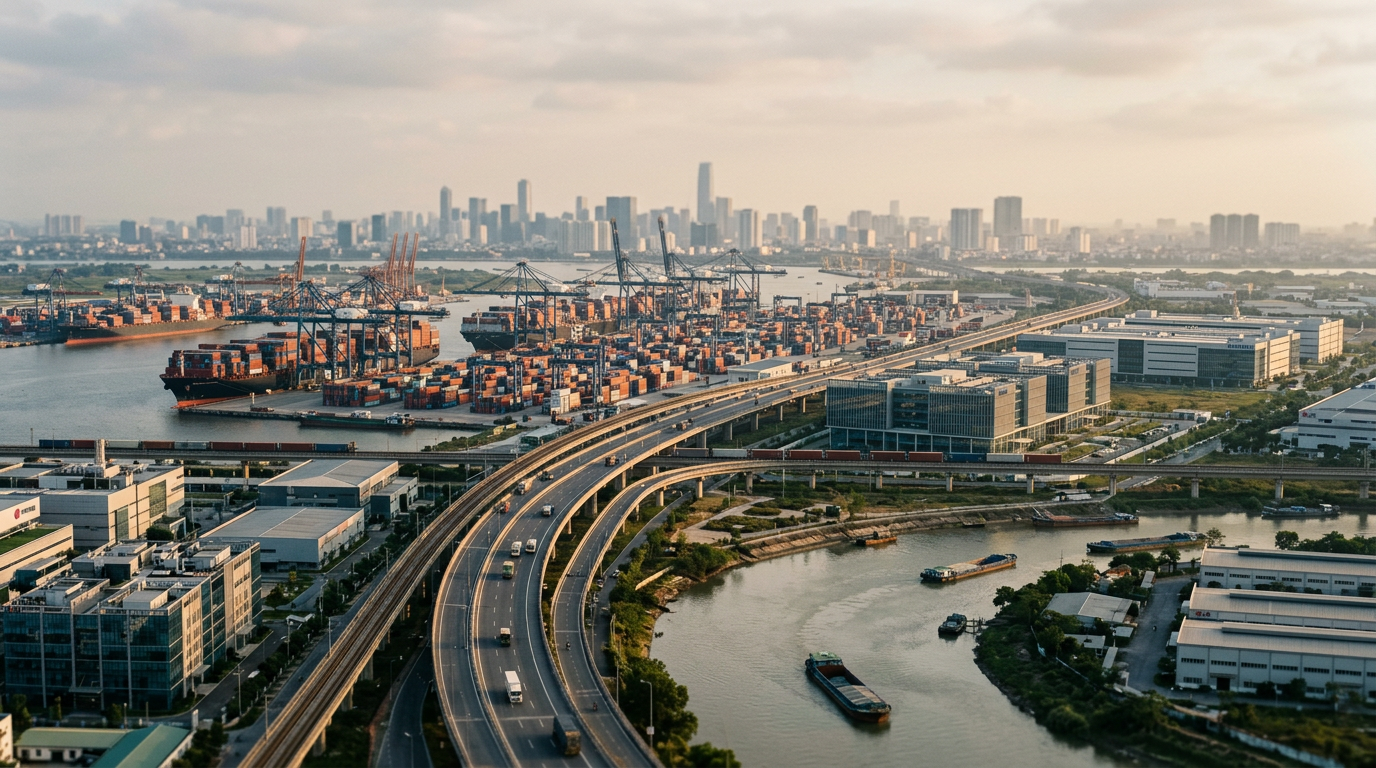
Beyond tariffs, Vietnam seeks to attract high-quality capital from the United States to fuel its next stage of growth, particularly in technology and green energy. This requires not only favorable trade terms but also the physical and digital infrastructure to support advanced manufacturing and services. While Vietnam has made significant strides in developing its ports, highways, and industrial parks, continued investment is necessary to handle increased trade flows and meet the standards of American investors. A comprehensive trade agreement could unlock new streams of US capital, but only if the underlying infrastructure can support the expanded economic activity. The ability to execute on large-scale infrastructure projects is a direct reflection of institutional strength and a country's capacity to absorb and productively deploy foreign capital.
What to watch is how Vietnam's domestic institutions handle the detailed and demanding work of trade negotiations. The government's ability to coordinate across ministries, align regulations with international standards, and ensure consistent execution will be under scrutiny. Success or failure will signal Vietnam's capacity to manage its complex relationship with China while building a durable economic partnership with the United States.