Thailand
ASEAN and the Belt and Road: Managing Dependency
The ASEAN Secretary-General's upcoming keynote at the Belt and Road Summit is more than ceremonial. It signals a strategic imperative for the bloc: how to manage its deep and structural trade dependency on China.
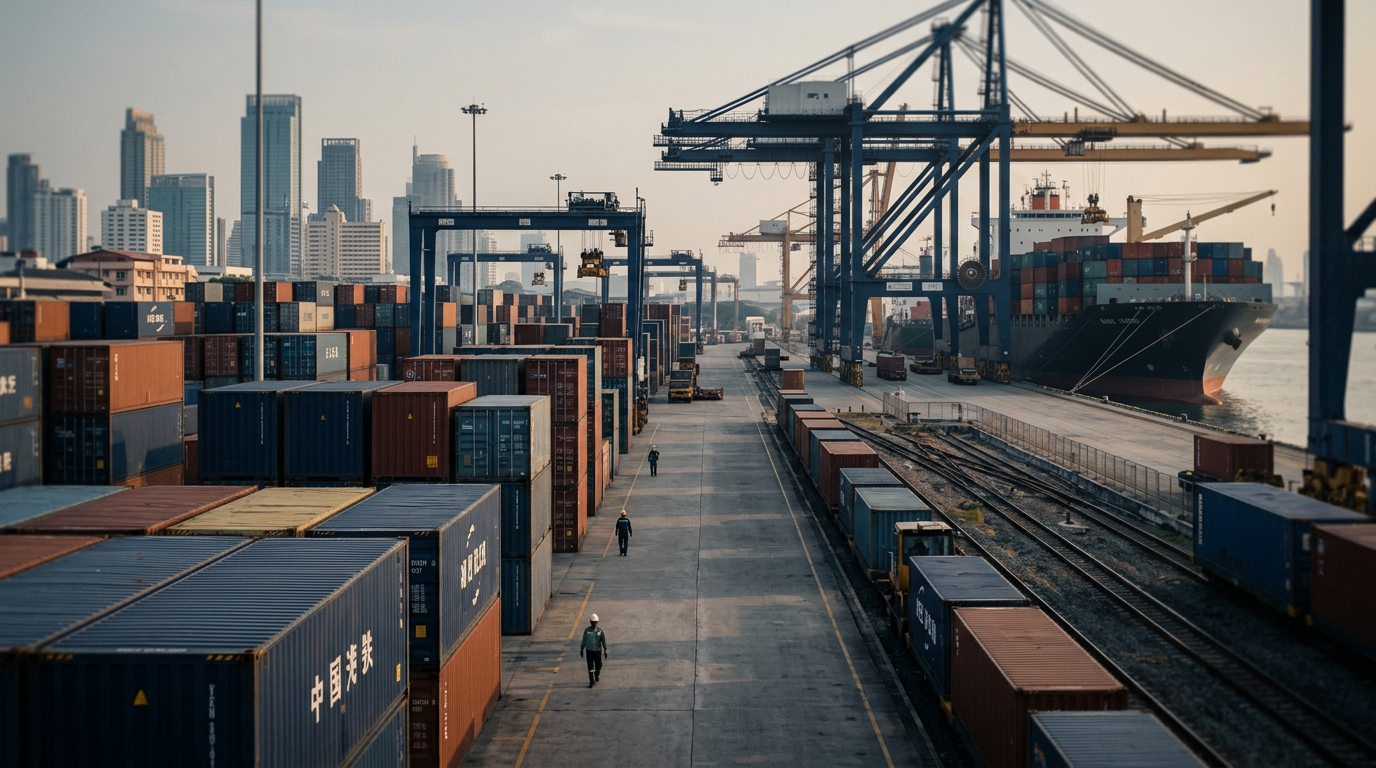
The Secretary-General of ASEAN, Dr. Kao Kim Hourn, is set to deliver a keynote speech at the 11th Belt and Road Summit in Hong Kong, according to a recent announcement from the ASEAN Secretariat. This speaking engagement is more than a routine diplomatic courtesy. It highlights the deepening economic relationship between the ASEAN bloc and China, and the strategic choices member states must navigate as China's largest trade partner.
A Structural Feature
China's economic relationship with ASEAN is no longer a matter of simple trade volumes. It has become a structural fixture of the regional economy. As detailed in "ASEAN Rising," the core issue for governments is not about whether to engage with China, but about how to handle the resulting dependency while preserving strategic options. The Belt and Road Initiative (BRI) is a primary channel for this engagement, directing capital towards much-needed infrastructure projects across Southeast Asia, from railways in Laos to ports in Malaysia.
The benefits of this capital are tangible, creating jobs and facilitating the movement of goods. Yet, this integration comes with complexities. The financing mechanisms for BRI projects often involve loans that can increase the debt burden on recipient nations. This creates a delicate balancing act for ASEAN leaders: leveraging Chinese capital for economic development without compromising their long-term institutional and fiscal sovereignty. The challenge lies in building robust local institutions capable of vetting projects, negotiating favorable terms, and ensuring that new infrastructure delivers broad economic benefits rather than simply facilitating resource extraction or creating isolated economic enclaves.
Institutions and Infrastructure
The effectiveness of BRI projects within ASEAN hinges on the quality of local institutions. Where governance is strong and transparent, Chinese-funded infrastructure can be integrated into national development plans, amplifying its positive impact. Where institutions are weak, these same projects can lead to friction, corruption, and a sense of lost control. The summit provides a platform for ASEAN to articulate its collective interests, emphasizing the need for projects that align with the Master Plan on ASEAN Connectivity (MPAC 2025).
This is not merely about technical standards but about the execution of projects. Successful infrastructure development requires more than just capital; it needs skilled talent to manage and operate it, and a framework of trust between all parties. ASEAN's ability to absorb and effectively utilize BRI investments is directly tied to its capacity to strengthen its own internal mechanisms. This includes developing the human capital necessary to oversee complex projects and fostering a regulatory environment that gives governments and local partners a meaningful role in project execution, rather than being passive recipients of externally-driven plans. For ASEAN, "trade depth with China is now a structural feature, not a cyclical one," which means the bloc must focus on the institutional software as much as the physical hardware.
What to watch: Observers should monitor the Secretary-General's speech for signals on how ASEAN intends to collectively approach its relationship with the BRI. Note any emphasis on project quality over quantity, calls for greater alignment with ASEAN's own connectivity standards, and the bloc's strategy for using Chinese capital to enhance, rather than diminish, its own regional coherence and strategic autonomy. The focus will be on the terms of engagement and the push for a more balanced partnership.