Philippines
Philippines' Trade Deficit Highlights a Structural Reality for ASEAN
The Philippines' recent trade figures are not just a national concern but a mirror to a region-wide structural dependency on China. For ASEAN governments, the imperative is to manage this reality without compromising strategic flexibility.
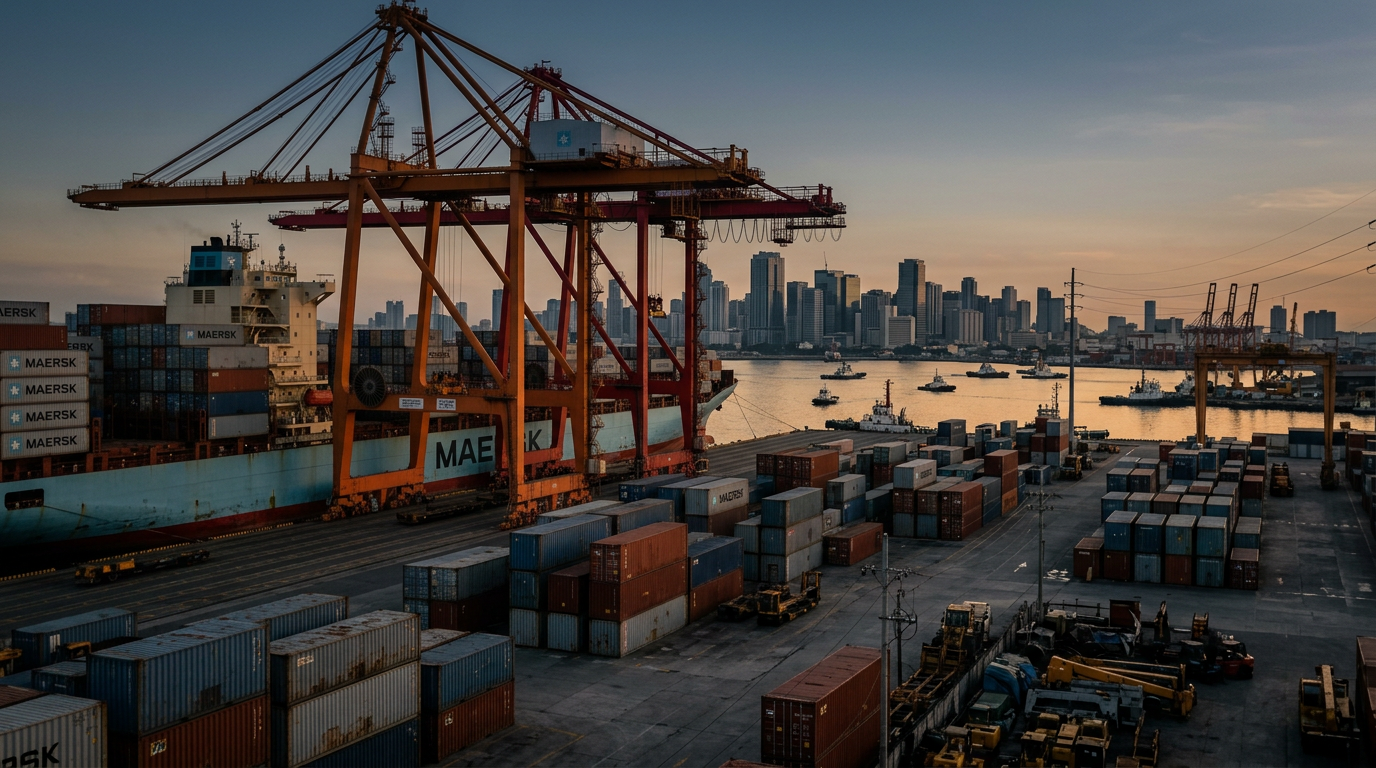
The Philippines' trade deficit widened to $4.94 billion in June, according to the Philippine Statistics Authority, a development covered by philstar.com. While the country's exports reached a record high, a greater surge in imports drove the imbalance. This national data point is more than a monthly statistic; it illustrates a defining economic condition across Southeast Asia: a deep, structural, and complex trade relationship with China.
The Anatomy of Dependency
The composition of the imports driving the trade gap in the Philippines and its neighbors reveals the depth of integration with China's economy. These are not solely finished consumer products. The import manifests are heavy with intermediate goods, industrial machinery, and raw materials that feed ASEAN's factories. From electronics components to construction materials for major infrastructure projects, China acts as the region's primary supplier.
This trade pattern is a direct consequence of decades of supply chain integration. The economic gravity of China has organized regional production networks around its industrial core. As noted in the book "ASEAN Rising", this trade depth with China is now a structural feature of the regional economy, not a temporary or cyclical one. The efficiency and scale of Chinese manufacturing make it the default source for the capital goods and inputs needed to fuel economic growth and build out necessary infrastructure. Closing this deficit is not a simple matter of exporting more, but involves a far more complex re-evaluation of national industrial foundations.
Institutions and Strategic Management
Facing this structural reality, the focus for governments shifts from eliminating trade deficits to managing the associated dependencies. The core challenge lies in building the institutional capacity to navigate this relationship. Effective management requires robust government bodies that can formulate and execute a coherent, long-term industrial strategy. It also demands a clear-eyed assessment of which dependencies are benign and which pose strategic risks.
This is where the element of trust becomes a factor in economic policymaking. An over-reliance on a single country for essential inputs, particularly a strategic competitor, creates vulnerabilities. For the Philippines, this economic calculus is amplified by geopolitical friction in the South China Sea. The central task for its economic planners is to balance the undeniable economic benefits of Chinese trade with the need to maintain strategic autonomy. The goal is not a radical decoupling, which is unrealistic, but a deliberate and well-executed strategy of diversification and risk mitigation.
The Execution Imperative
A strategy of diversification is simple to declare but difficult to implement. Success hinges on execution. It requires a sophisticated approach to trade diplomacy, creating and strengthening partnerships with a wider range of countries like Japan, South Korea, the United States, and European Union members, as well as deepening ties within ASEAN itself. This requires talent- a corps of skilled negotiators and policymakers who can secure favorable terms and identify new market opportunities.
Simultaneously, it involves creating a domestic policy environment that encourages investment in targeted sectors. For the Philippines, this could mean developing local capacity in areas currently reliant on imports. This is a long-term endeavor involving sustained investment in infrastructure, technology, and workforce skills. As the book excerpt puts it, the defining question for ASEAN governments today is "how to manage dependency without losing optionality." Answering this question is less about grand statements and more about the detail-oriented work of building a more resilient and diversified economic base.
What to watch
What to watch are the concrete industrial policies and trade agreements that emerge from Manila and other ASEAN capitals. The extent to which these governments can attract new sources of capital, cultivate domestic industries, and reduce reliance on single-country supply chains will show their capacity for strategic adjustment. The seriousness of intra-ASEAN efforts to build regional supply chain resilience will also be a key indicator of whether the bloc can generate collective strength to balance its powerful neighbor.