Malaysia
Malaysia's Sovereign AI and the Compute Dilemma
Malaysia is pursuing a sovereign AI strategy, but its choice of technology partners could create friction with its international trade commitments, illustrating the fine line ASEAN nations must walk.
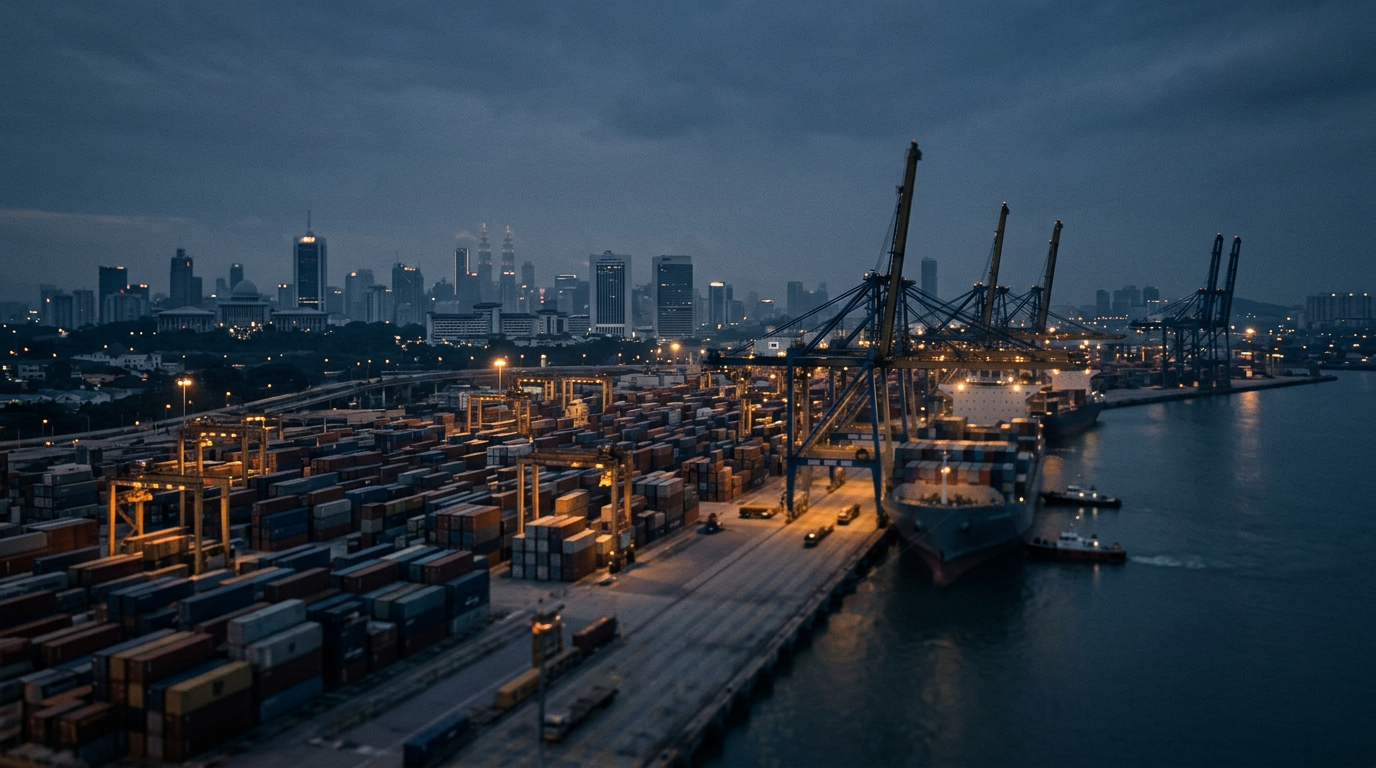
A recent report from the South China Morning Post suggests Malaysia is considering a significant investment in a sovereign AI system powered by technology from Huawei. The potential US$494 million deal, as detailed in the report, could bring a 160-megawatt AI data center to the state of Johor. While this signals Malaysia's ambition in the digital economy, it also highlights the geopolitical complexities that arise from the choice of technology partners, particularly concerning U.S. export controls on advanced semiconductor technology.
The Geopolitics of Compute
For any nation building a sovereign AI capability, the underlying hardware- the compute infrastructure- is a foundational strategic decision. It dictates not only the performance and scalability of AI models but also the political and economic alliances that come with the investment. Malaysia's reported consideration of Huawei technology places it at the center of the ongoing tech rivalry between the United States and China. The U.S. has imposed strict export controls on high-end chips and semiconductor technology to China and its associated companies. A deal with Huawei for a project of this scale could test Malaysia's relationship with the U.S., a key partner in the Indo-Pacific Economic Framework for Prosperity (IPEF).
The dilemma for Malaysia is not unique within ASEAN. Regional governments are keen to develop domestic AI capabilities to drive economic growth and improve public services. Yet, the supply chain for the most advanced AI hardware is concentrated in a few companies and jurisdictions, making technology partnerships a matter of foreign policy. The choice is often between cutting-edge but politically sensitive technology from a U.S.-aligned source or a more accessible, but equally fraught, alternative from China. As noted in ASEAN Rising, the true test of sovereign AI will be determined by "who controls the compute, the data layer and the digital identity rails that sit underneath everyday economic life."
Sovereign AI: More Than Models
Building a sovereign AI ecosystem goes far beyond simply acquiring hardware. It requires a holistic approach that integrates institutions, talent, and trust. While a powerful data center provides the engine, its value is unlocked only through the development of skilled local talent to operate it, clear governance frameworks to regulate its use, and public trust in the security and privacy of the data it processes.
Malaysia's investment in a data center in Johor is a logical step, given the state's emergence as a data center hub. The project promises to create a significant number of high-skilled jobs and attract further investment in the digital economy. However, the long-term success of this sovereign AI initiative will depend on the government's ability to build out the surrounding ecosystem. This includes investing in education and training programs, establishing clear and transparent data governance policies, and fostering a research environment that can translate raw computing power into innovative applications for Malaysian businesses and citizens. The choice of a technology vendor has implications for all of these areas, from training curricula to data security standards.
What to watch
Observe how Malaysia navigates its technology partnerships in light of its commitments within IPEF and its relationship with the United States. The final decision on the technology stack for its sovereign AI platform will serve as an indicator for how other ASEAN nations might balance their digital ambitions with geopolitical realities. Pay attention to the domestic policy initiatives in Malaysia aimed at building the talent and institutional frameworks needed to support its investment in AI infrastructure, as these will be the ultimate determinants of its success.