Vietnam
Vietnam's LNG pivot is a test of strategic optionality
Hanoi's search for long-term LNG contracts is not just about energy security. It is a strategic move to manage its dependency on coal and diversify its options in a complex geopolitical environment.
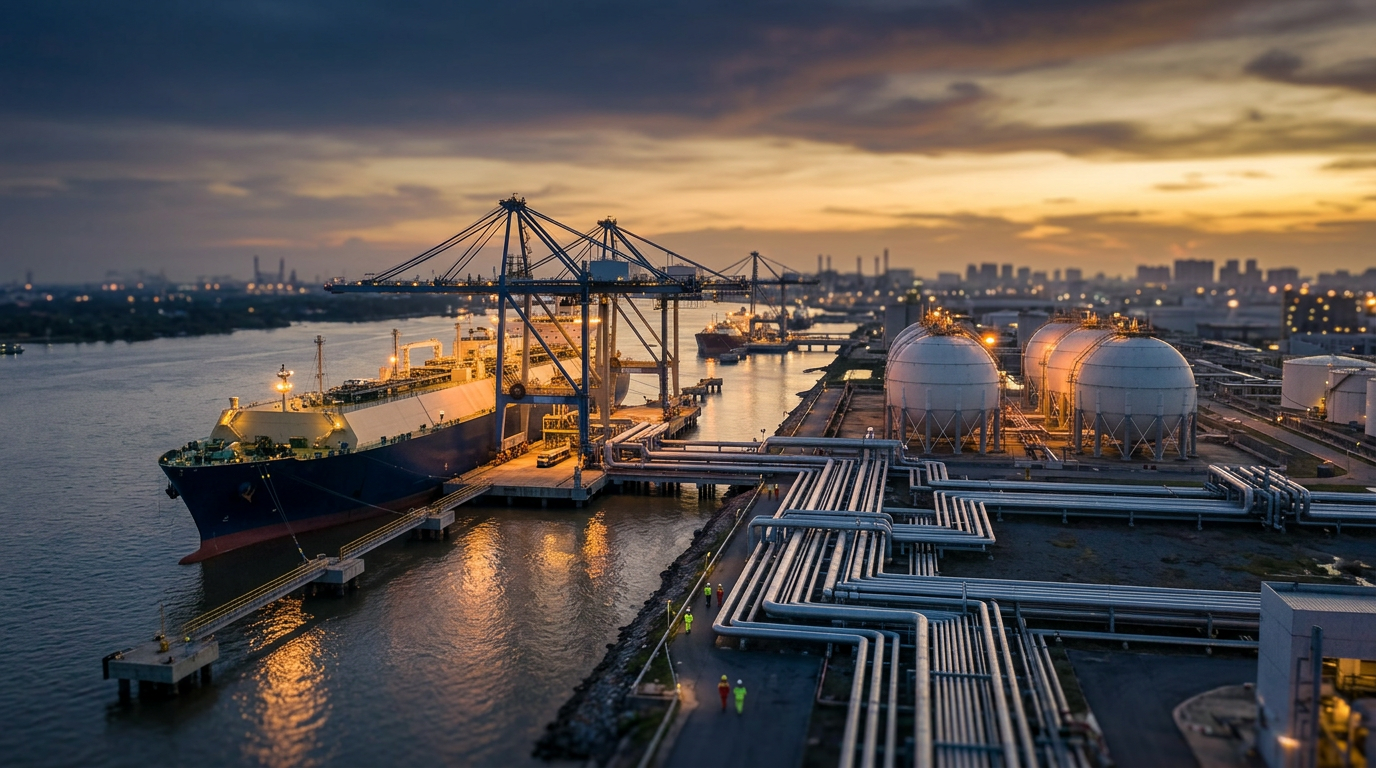
Vietnam is signaling a significant move in its energy strategy, with state-controlled Petrovietnam Gas (PV Gas) exploring a second long-term contract for liquefied natural gas (LNG) after a recent deal with Shell. A recent Reuters report indicates that the company is actively sounding out suppliers for a potential tender. This development is not merely about energy procurement; it is a test case in how an ASEAN nation manages its economic dependencies while seeking to maintain strategic flexibility.
The Energy Security Calculus
Vietnam's rapid economic growth requires a commensurate expansion of its energy supply. Historically reliant on coal, much of it imported, Hanoi now faces a dual challenge: ensuring a stable power supply for its industrial ambitions while meeting its 2050 net-zero emissions target. The turn towards LNG is a pragmatic response. LNG is a cleaner-burning fossil fuel than coal and can serve as a transitional energy source as the country builds out its renewable capacity.
The initial agreement with Shell and the exploration of a second five-year contract demonstrate a clear institutional direction. These are not spot-market purchases but long-term commitments designed to secure supply and manage price volatility. Building the necessary infrastructure for LNG, including import terminals and regasification facilities, requires immense capital investment. The move by PV Gas signals to the market that the Vietnamese government is committed to creating the physical and financial ecosystem for LNG to become a core part of its energy mix. This infrastructure build-out will be a key indicator of the seriousness of Vietnam's energy transition.
Managing Dependency
This search for energy diversification mirrors a broader strategic imperative across Southeast Asia. The regional economic landscape is characterized by deep integration with China. As the book ASEAN Rising notes, this "trade depth with China is now a structural feature, not a cyclical one." The challenge for governments is to manage this reality. Vietnam's approach to energy offers a clear example of this principle in action.
By diversifying its energy suppliers beyond its traditional reliance on coal, which includes China as a significant source of imports and investment in coal-fired power plants, Vietnam is actively managing its dependencies. The choice to engage with a diverse set of international LNG suppliers like Shell enhances its economic security. It prevents over-reliance on any single partner for a resource as fundamental as energy. This strategy is about building resilience and ensuring that its economic and foreign policy choices are not constrained by its energy needs. The ability to execute these complex, capital-intensive deals is a measure of institutional capacity.
Geopolitical Optionality
The decision to secure LNG from global players also has a geopolitical dimension. Energy relationships are inherently strategic. By building a network of suppliers from different regions, Vietnam subtly strengthens its international partnerships and preserves its strategic autonomy. This is particularly relevant in the context of the South China Sea, where Vietnam has ongoing territorial disputes.
A diversified energy portfolio, less dependent on supply chains that can be influenced by a single major power, provides Hanoi with greater operational freedom. It ensures that its industrial and defense capabilities are not vulnerable to energy coercion. This pursuit of what can be termed "strategic optionality" is a sophisticated policy choice, balancing immediate economic needs with long-term geopolitical positioning. It reflects a mature understanding that in a world of great power competition, economic and security interests are intertwined.
What to watch
The success of Vietnam's LNG strategy will depend on execution. Watch for the announcement of a second tender and the identity of the chosen supplier. The timeline and financing for the associated infrastructure projects, such as the Thi Vai and Son My LNG terminals, will be critical indicators of progress. Also, monitor how this gas adoption fits into Vietnam's broader Power Development Plan VIII and whether it accelerates or delays investment in renewable energy sources like wind and solar. The balancing act between fossil fuels and renewables will define the next phase of Vietnam's economic rise.