China and ASEAN: Managing Trade Dependency
Trade with China is a structural reality for ASEAN. The focus now is on managing this dependency without losing strategic options. Recent trade data from Guangxi highlights the ever-deepening ties.
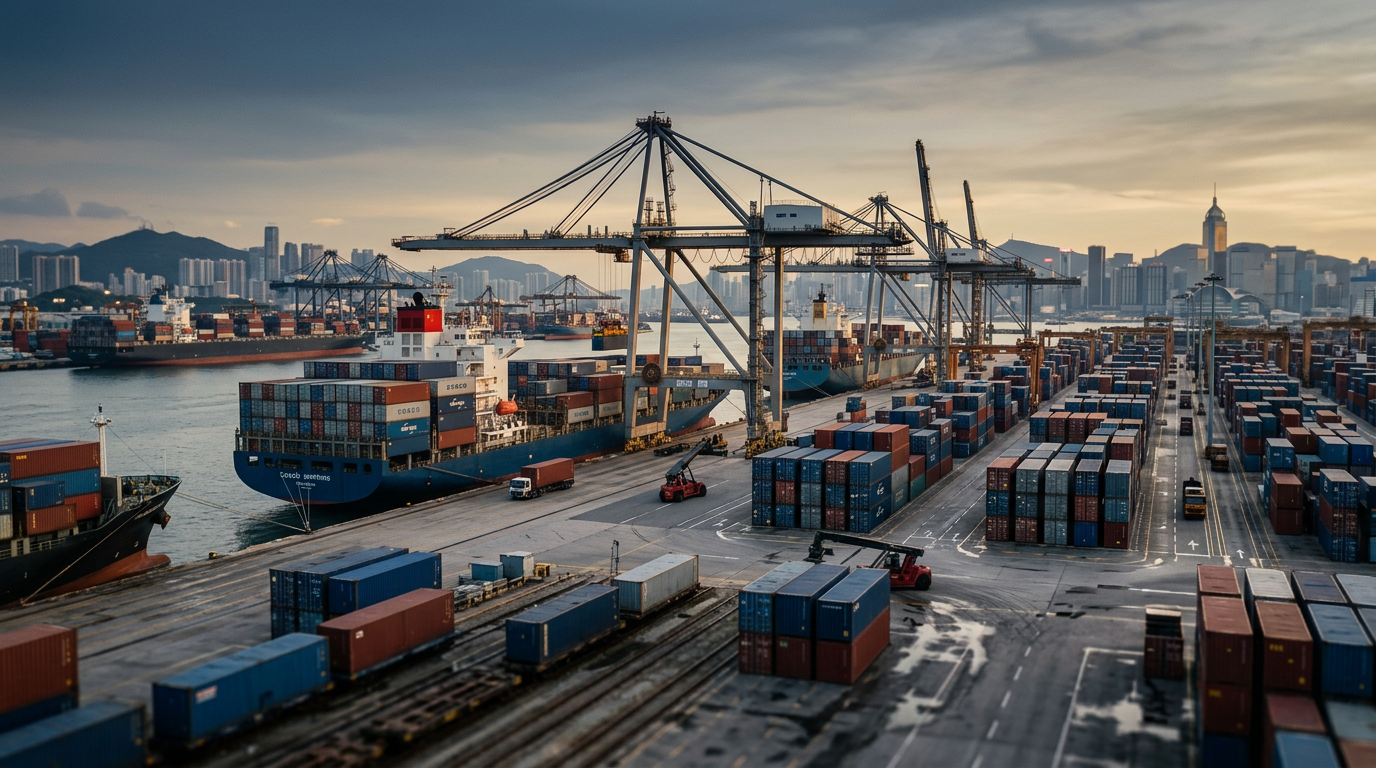
Trade between China and the Association of Southeast Asian Nations (ASEAN) continues to expand, a trend highlighted by recent data from China's Guangxi province. According to a report from The Star, trade between the southern Chinese region and ASEAN reached 248.21 billion yuan (US$36.6 billion) in the first seven months of 2026 alone. This figure underscores the strengthening of supply chains and business connectivity, reinforcing a permanent feature of the regional economy.
A Structural Reality
The deepening of trade ties with China is not a cyclical trend but a structural one. As detailed in the book ASEAN Rising, the primary question for governments in the region has shifted. It is no longer about whether to engage with China's economy, but rather how to manage the resulting dependency. The challenge is to maintain economic benefits while preserving strategic flexibility and "optionality" in foreign and economic policy. The latest figures from Guangxi, a key geographic gateway for China-ASEAN commerce, are a clear manifestation of this deeply integrated economic relationship. This integration is visible not just in aggregate trade data but in the granular details of cross-border supply chains and logistics networks.
Institutions and Infrastructure
The framework for this trade is supported by both institutional agreements and physical infrastructure. Agreements like the ASEAN-China Free Trade Area (ACFTA) and the Regional Comprehensive Economic Partnership (RCEP) have systematically lowered barriers to trade and investment. These are not merely high-level statements but functioning frameworks that businesses utilize daily to move goods and capital across borders. The physical manifestation of this connectivity is evident in projects under the Belt and Road Initiative and other corridors that link Southwest China with mainland Southeast Asia. The investments in ports, railways, and roads are creating a hardware layer for the software of trade agreements, making commerce more efficient and further binding the economies together. The result is a landscape where business decisions and supply chain management are increasingly regional, with China as a central node.
Capital and Talent
Beyond trade in goods, the flow of capital and the development of talent are also shaping the relationship. Chinese foreign direct investment (FDI) into ASEAN has been substantial, targeting sectors from manufacturing and e-commerce to renewable energy and infrastructure. This capital brings with it technology and know-how, but it also increases China's influence over key economic assets in the region. For ASEAN, the task is to absorb this investment productively, ensuring it aligns with national development goals and builds local capacity. This involves cultivating a skilled workforce that can participate in and manage these new, technologically advanced projects. The institutional capacity to regulate and direct these capital flows effectively is paramount for ensuring that the benefits are distributed and the risks of over-dependence are mitigated.
What to watch next is how ASEAN member states, individually and collectively, adjust their industrial and foreign policies in response to this deepening integration. The focus will be on their ability to upgrade their own economies, strengthen intra-ASEAN trade as a partial counterbalance, and maintain diversified relationships with other major economic powers. Success will depend on executing coherent national strategies that build domestic institutional strength and human capital, turning the structural reality of China trade into a managed advantage rather than an unmitigated dependency.