Vietnam
Vietnam, the US, and the Shadow of China
Vietnam's pursuit of a US trade deal is a classic case of managing dependency on China without sacrificing strategic options.
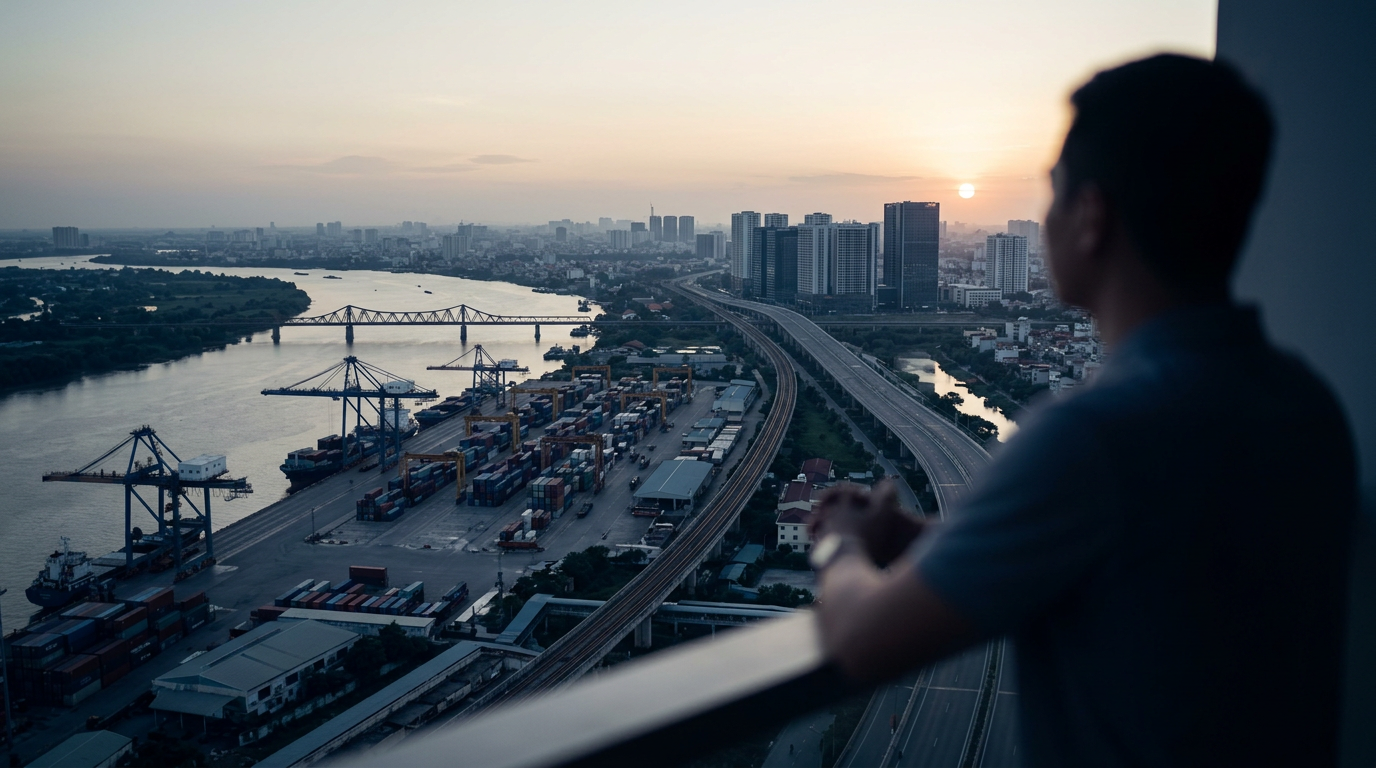
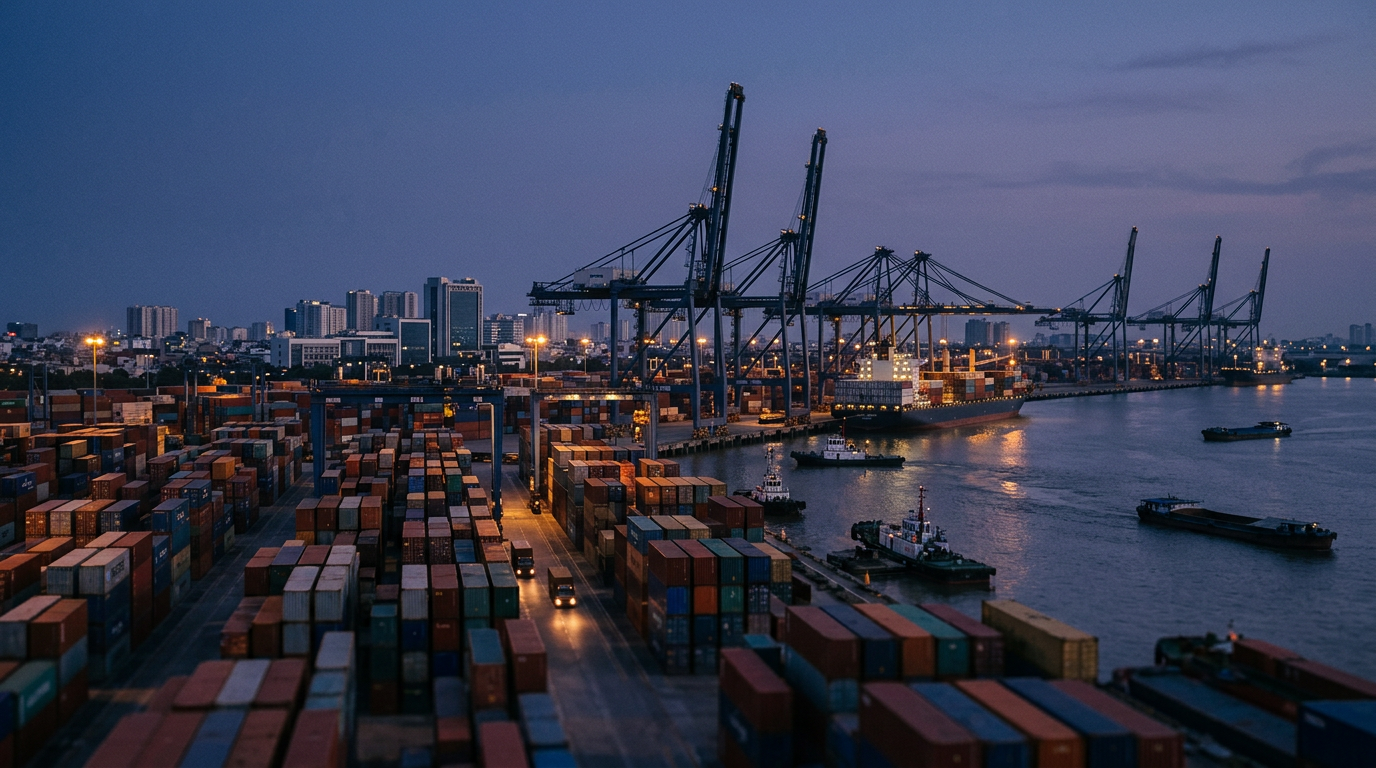
A recent report from The Star indicates that Vietnam is nearing a significant trade agreement with the United States. According to President To Lam, the deal is intended to boost imports of American high-technology goods, including aircraft, as a way to narrow its trade surplus with the US. While this move is framed in the context of bilateral US-Vietnam relations, it also reflects a deeper strategic calculation relevant to the entire region: how to navigate the complexities of a deep-rooted economic relationship with China.
The Gravity of Trade
No ASEAN nation can escape the economic gravity of China. Deep trade integration with China has become a permanent structural feature of the region's economies. As the book "ASEAN Rising" notes, this reality has shifted the strategic calculus for governments. The primary issue is no longer about choosing whether to engage with China, but rather "how to manage dependency without losing optionality."
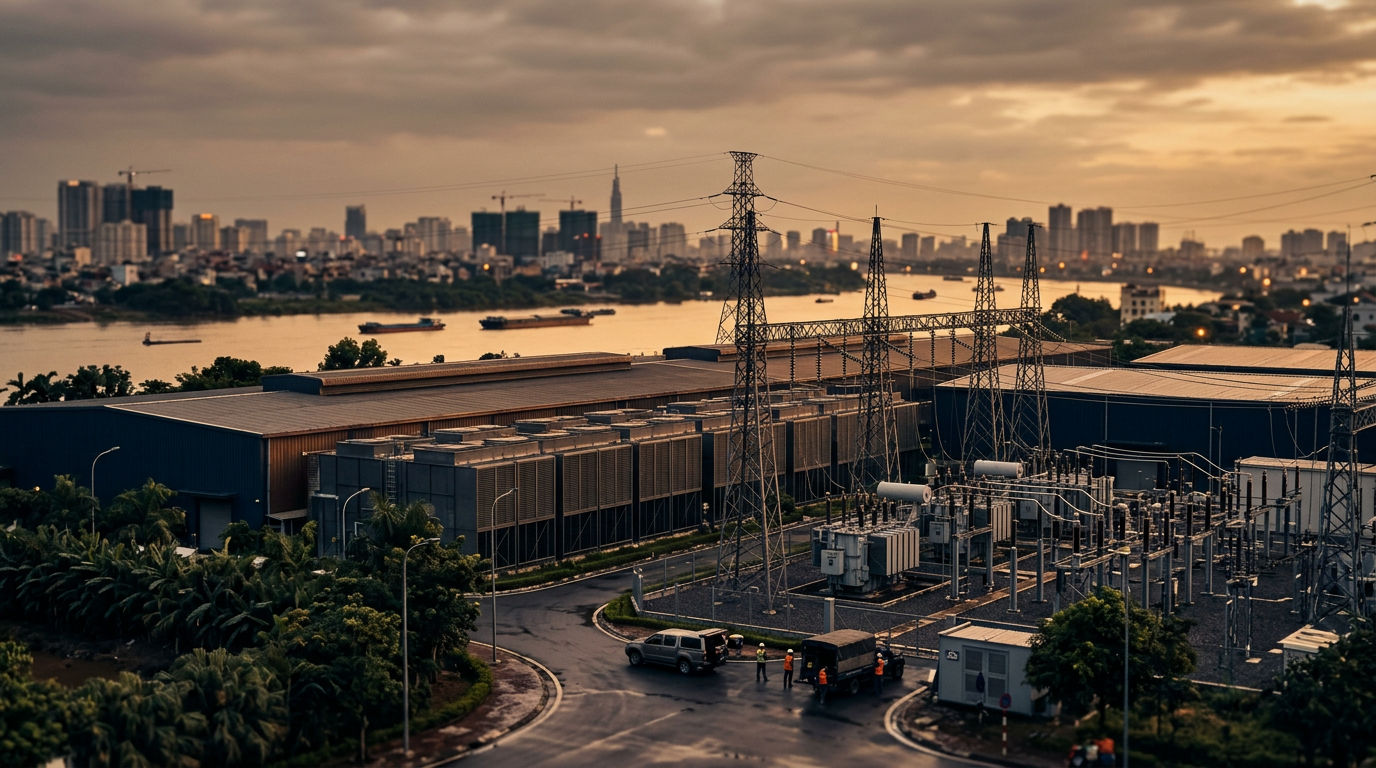
Vietnam's situation is a clear illustration of this principle. The nation shares a border with China, and their economies are deeply intertwined through supply chains, trade, and investment. This integration has been a powerful engine for Vietnam's economic growth. However, it also creates vulnerabilities. Over-reliance on a single economic partner, particularly one with significant strategic weight, presents long-term risks. Diversifying economic relationships is a prudent strategy to mitigate these risks and maintain a degree of autonomy in foreign and economic policy.
Institutions and Infrastructure
A trade deal with the United States is more than just a set of revised tariffs and quotas; it is a piece of institutional architecture. Such agreements create formal frameworks for resolving disputes, setting standards, and governing investment. For Vietnam, this means building institutional connections that counterbalance its existing ties to China-led frameworks. It provides an alternative pathway for economic governance and reinforces a multi-polar engagement strategy.
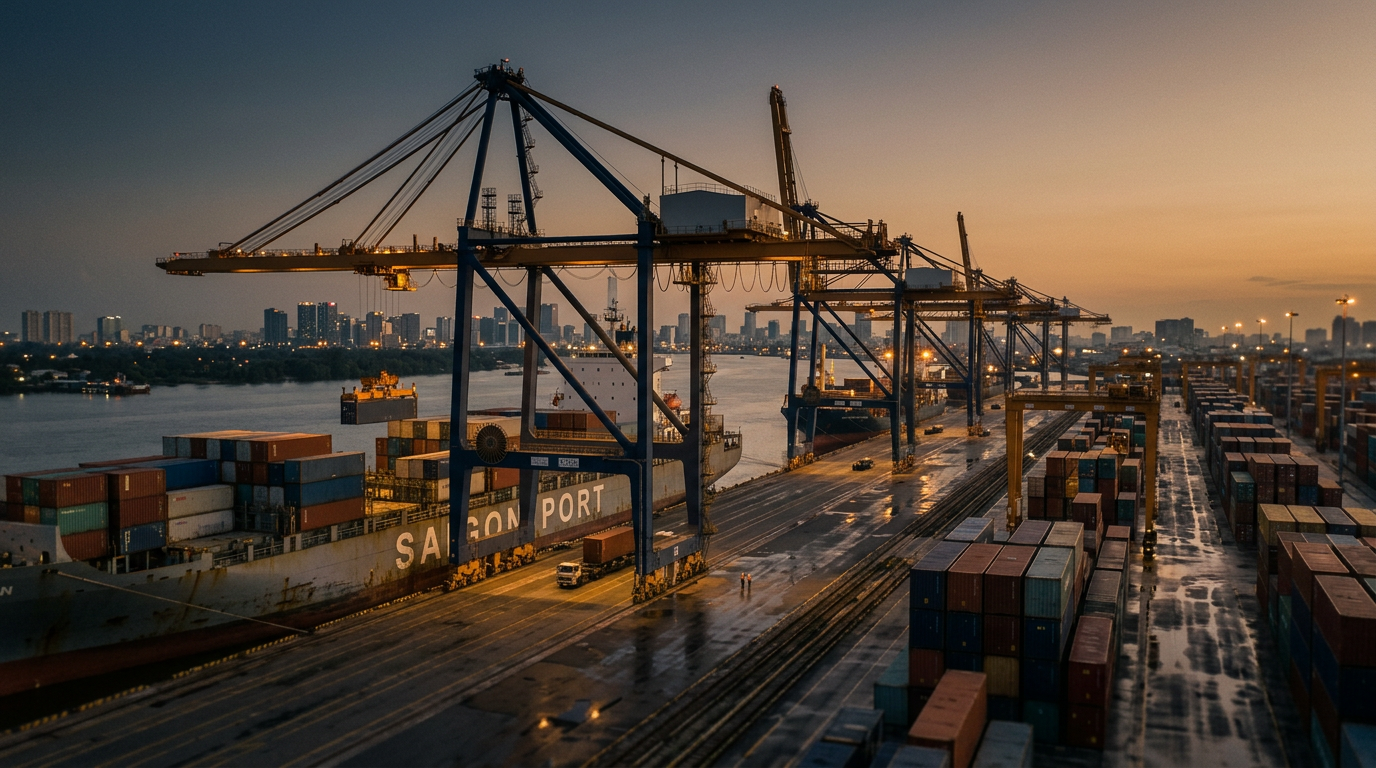
Furthermore, President Lam's specific mention of purchasing high-technology goods and aircraft points to the role of infrastructure in this strategic balancing act. Upgrading its aviation fleet with American aircraft, for instance, not only addresses the trade surplus but also modernizes a critical component of its national infrastructure. This builds capacity and subtly aligns a key sector with a different technological and regulatory ecosystem, creating a practical form of diversification that goes beyond pure trade statistics.
Capital and Talent
Strengthening trade and investment ties with the US also opens new channels for capital and talent. American foreign direct investment often brings with it advanced technology, management expertise, and new corporate governance standards. This influx can stimulate domestic innovation and help Vietnamese firms move up the value chain.
A closer economic partnership encourages the development of a workforce skilled in operating within a global, rules-based system. It fosters a talent pool accustomed to the legal, technical, and quality standards expected by Western markets. This human capital is a strategic asset, making the Vietnamese economy more resilient, competitive, and adaptable to shifts in the global landscape. It is a long-term investment in the country's capacity to engage with multiple global partners on sophisticated terms.
What to watch
As Vietnam finalizes this trade deal, the key element to observe will be the specific terms related to technology transfer, intellectual property protection, and investment guarantees. These provisions will reveal the depth of the institutional alignment being pursued. Furthermore, China's reaction will be telling, not in its official statements, but in its subsequent trade and investment posture toward Vietnam. The execution of this agreement will serve as a case study for other ASEAN members attempting the same delicate balance of managing dependency while preserving strategic choice.