Indonesia
Indonesia's Commodity Centralisation: A New Model for Managing China Trade?
Indonesia plans a new state firm to centralise commodity export monitoring. This move reflects a regional trend: as trade with China deepens, ASEAN governments are building new institutions to manage the risks of dependency.
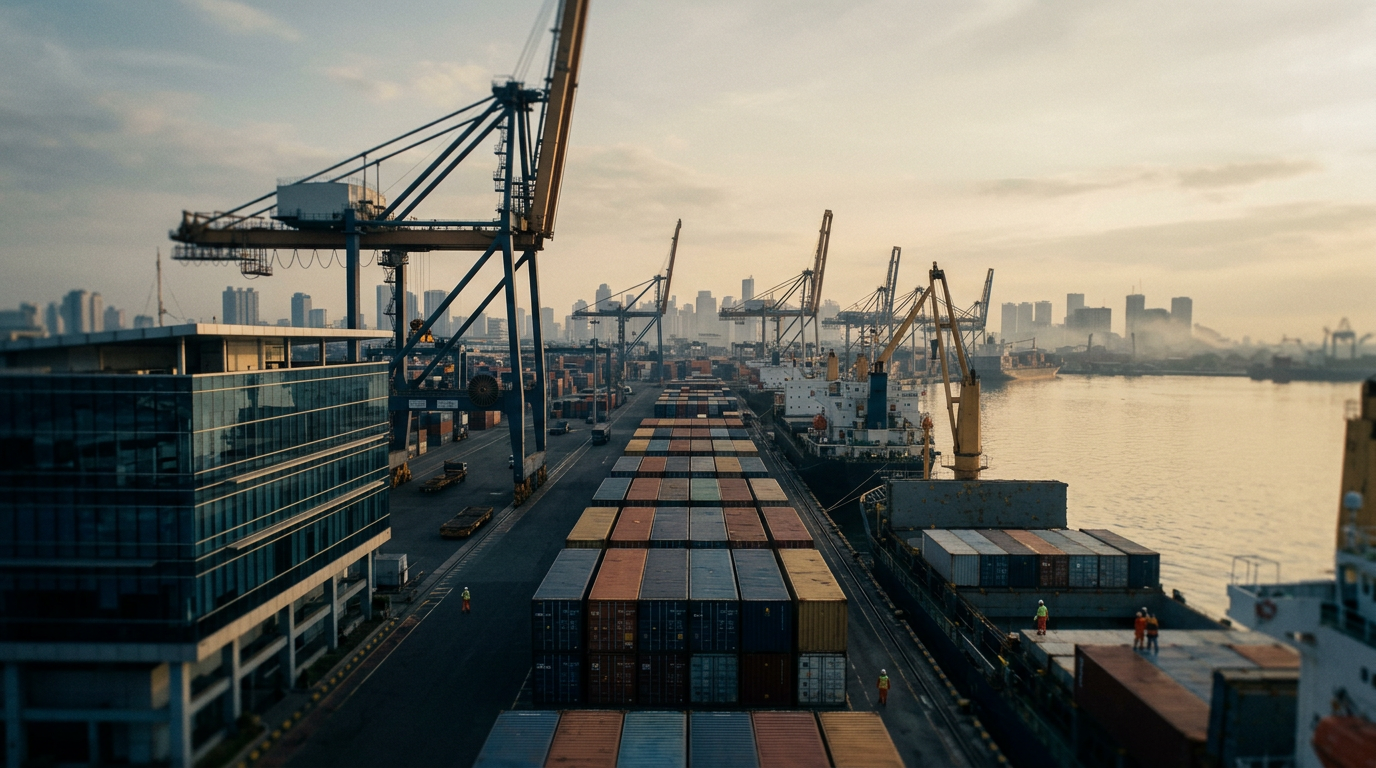
Indonesia's President-elect Prabowo Subianto has announced plans for a new state-owned enterprise, Danantara Sumberdaya Indonesia (DSI), to monitor and manage the export of key commodities. As reported by the Business Times, the firm's mandate is to tackle the persistent issue of under-invoicing for major exports such as palm oil, coal, and various metals, aiming to improve transparency and state revenue.
The creation of such a powerful entity signals a significant shift in Indonesia's approach to managing its natural resource wealth. It also reflects a broader strategic calculation being made across Southeast Asia as the region's economic relationship with China deepens.
Institutions and Dependency
The establishment of a body like DSI is a direct institutional response to the challenges of managing trade relationships that are both large and complex. For Indonesia, the primary destination for many of its key commodities is China. While this trade is lucrative, it creates dependencies that governments are increasingly seeking to manage. The problem of under-invoicing, where the declared value of an export is lower than its true market price, erodes the nation's tax base and distorts economic data. A centralised monitoring agency is a classic tool of statecraft designed to reassert control over economic flows and ensure the state captures its rightful share.
As the book ASEAN Rising notes, the core issue for governments in the region is no longer about choosing whether to engage with China, but rather how to handle the resulting reliance. The book argues that "trade depth with China is now a structural feature, not a cyclical one." Indonesia's move with DSI can be seen as an attempt to professionalise this management, creating a specialised institution with the authority and focus to oversee a specific, high-stakes segment of its international trade. This is a step beyond policy statements and into the realm of execution, building state capacity to verify and control its most valuable exports.
Capital and Execution
The logic behind DSI is that by centralising the monitoring of commodity sales, the state can prevent capital flight through illicit financial flows. Under-invoicing is not just a trade problem; it is a capital problem. It represents a leakage of national wealth. By ensuring that exports are priced correctly, the government aims to maximise the capital that returns to Indonesia, which can then be taxed and invested domestically. This is a direct attempt to improve the country's terms of trade and strengthen its fiscal position.
However, the success of this initiative will depend entirely on execution. State-owned enterprises can be powerful engines of national policy, but they can also be prone to inefficiency, bureaucracy, and corruption if not governed correctly. For DSI to be effective, it will require a strong mandate, skilled personnel, and robust anti-corruption safeguards. The entity must have the technical capacity to track global commodity prices in real time and the legal authority to enforce compliance among powerful, entrenched export interests. The implementation of DSI will therefore be a major test of the incoming administration's capacity for governance and its ability to deliver on its promises of improved economic stewardship.
What to watch
The focus now shifts to the institutional design of DSI and the political will to empower it. Watch for the details of the legislation that will establish the firm, the appointment of its leadership, and its initial interactions with the powerful commodity sectors. The reaction from Indonesia's main trading partners, particularly China, will also be indicative of how this assertion of national economic control is perceived abroad. The success or failure of this body will offer lessons for other ASEAN nations grappling with similar issues of managing dependency while securing national interests.