Vietnam
Vietnam's Trade Boom and the China Dependency Question
Vietnam's impressive trade growth highlights a broader ASEAN reality: deep economic integration with China is a permanent feature. The challenge now is not one of engagement, but of managing this dependency to maintain strategic flexibility.
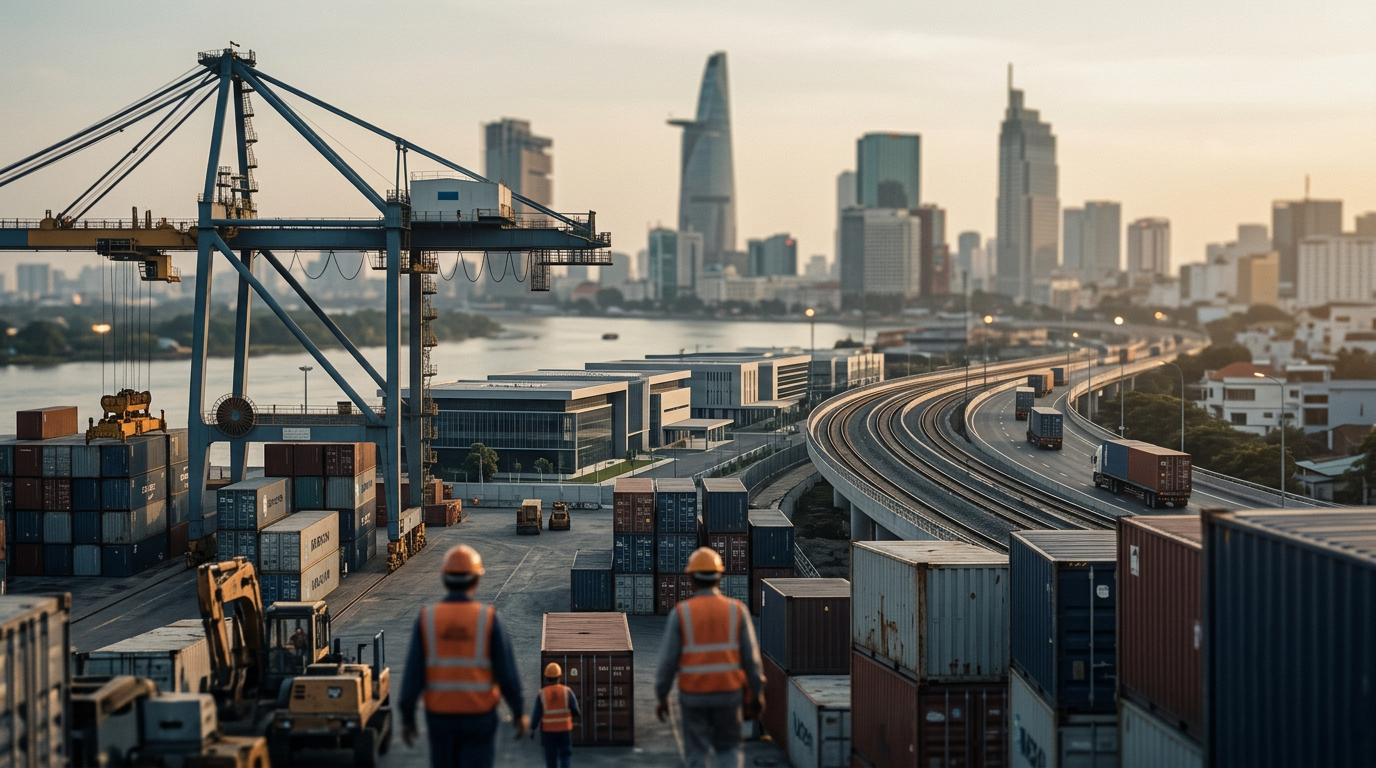
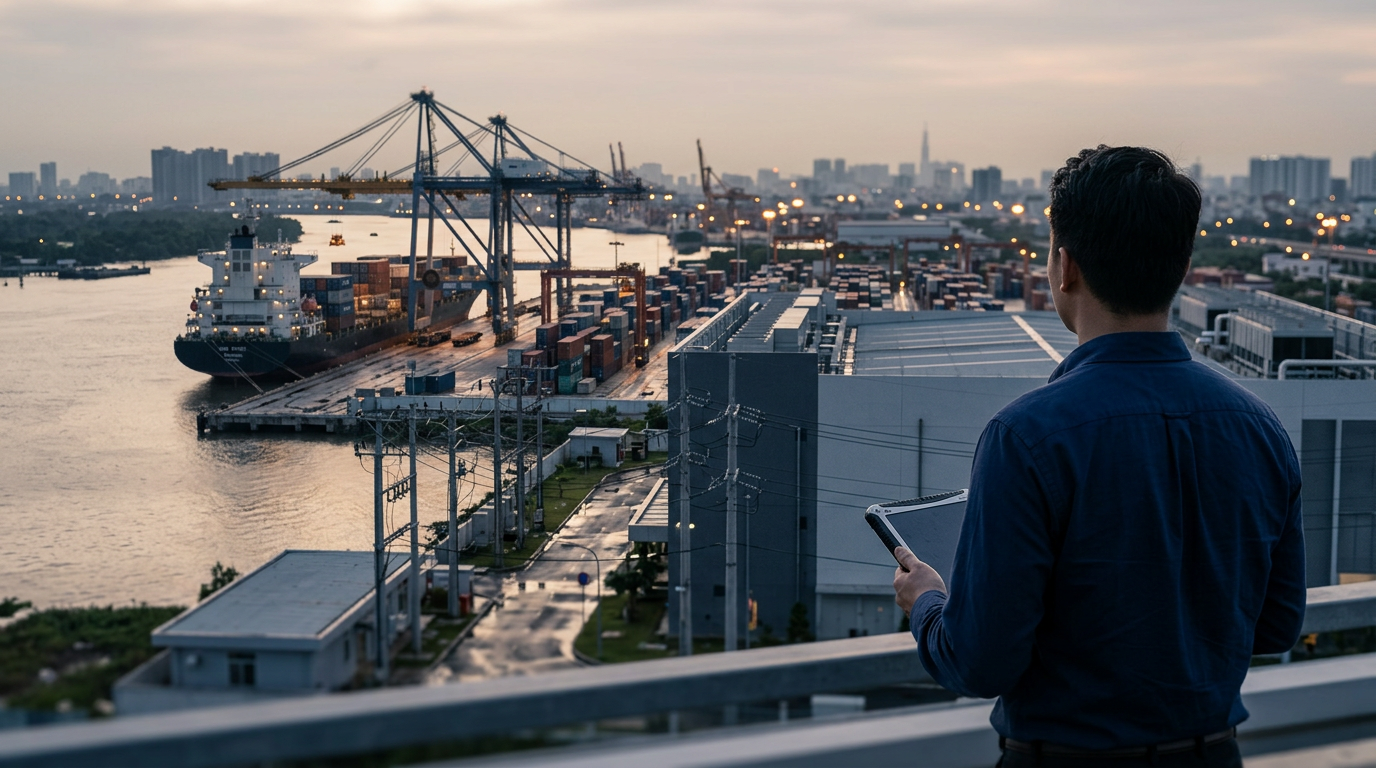
Vietnam's economy continues its impressive performance, with trade turnover reaching US$659.58 billion in the first seven months of 2026, a 28.1% year-on-year increase. The figures, reported by e.vnexpress.net, illustrate the powerful economic currents driving growth across Southeast Asia. While a sign of Vietnam's industrial strength, this growth also puts a spotlight on a wider regional dynamic: the complex and deepening economic relationship with China. This integration is no longer a matter of choice or a passing trend. As the book ASEAN Rising argues, this "trade depth with China is now a structural feature, not a cyclical one." For governments across the region, the primary question has shifted from whether to engage with China to how to manage the resulting dependency.
The Structures of Integration
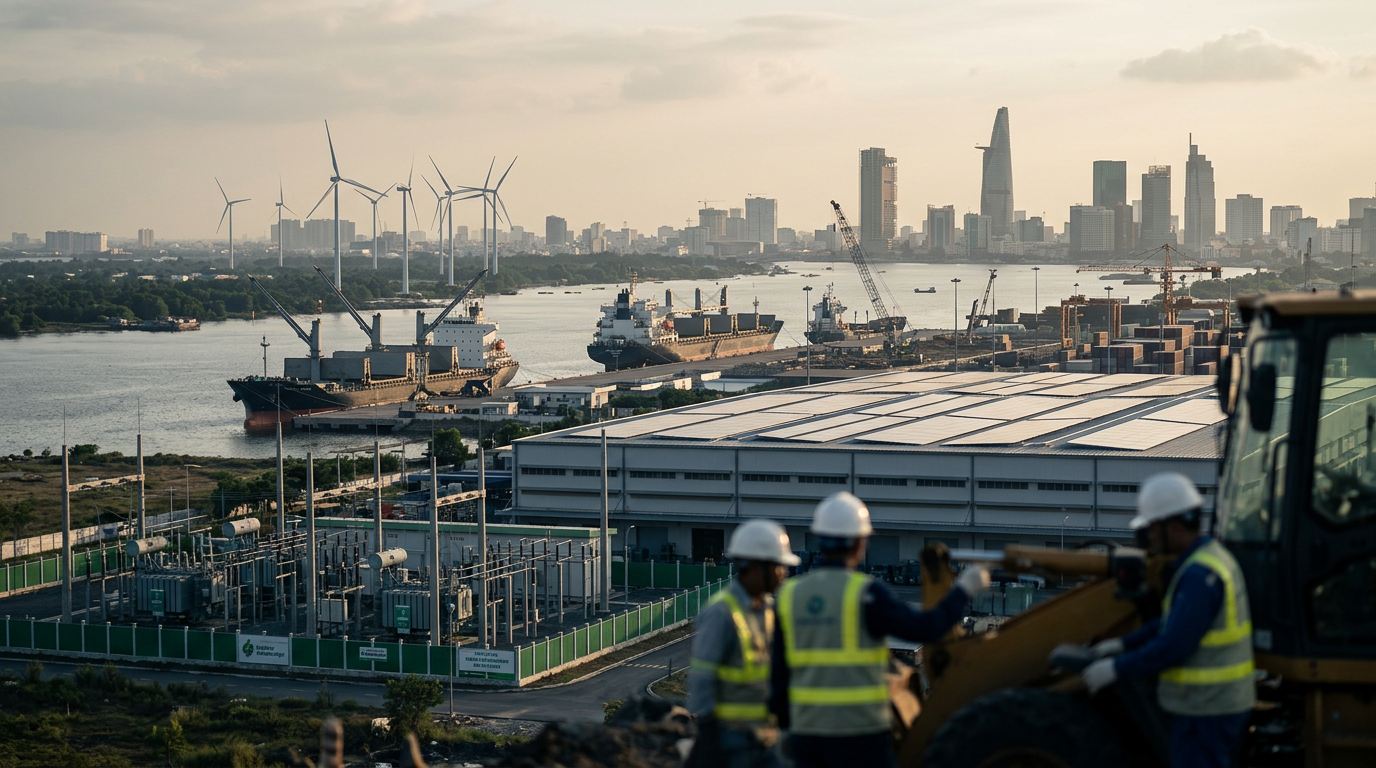
Vietnam's trade expansion is not accidental. It is the result of decades of policy focused on export-oriented manufacturing, supported by significant foreign investment and participation in a web of global and regional trade agreements. Institutions like the ASEAN Free Trade Area, the Regional Comprehensive Economic Partnership (RCEP), and the Comprehensive and Progressive Agreement for Trans-Pacific Partnership (CPTPP) have created the frameworks for this success. Vietnam's execution within these frameworks has been exemplary, transforming the nation into a workshop for the world, assembling everything from smartphones to footwear.
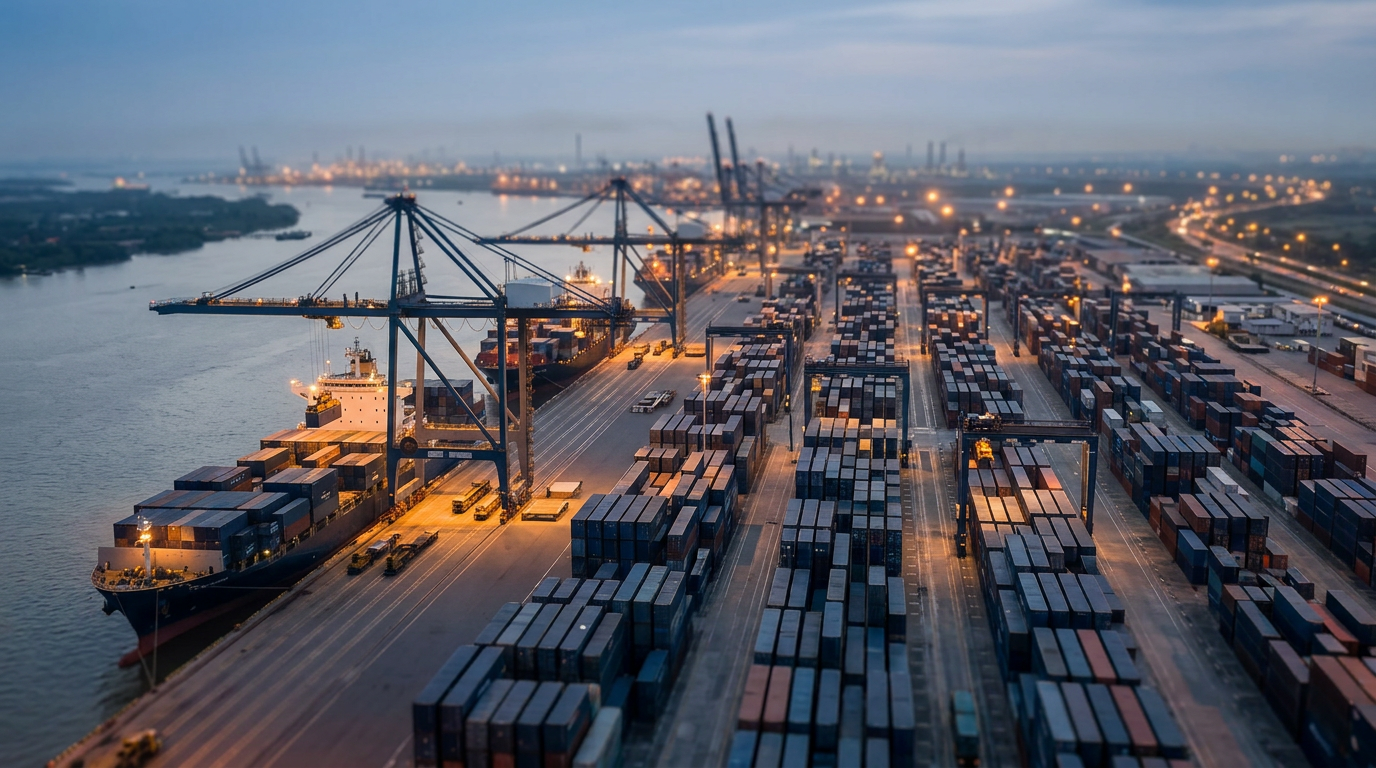
A substantial portion of this activity is linked to China, which serves as both a primary market for Vietnamese goods and a supplier of industrial inputs and components needed for its factories. This creates a highly efficient, cross-border production network. The infrastructure connecting the two countries, from ports to railways, further solidifies this economic bond. Capital flows follow, with Chinese investment in Vietnam growing, adding another layer to the relationship. This model, with variations, is replicated across ASEAN, making China the bloc's largest trading partner by a significant margin.
The Optionality Dilemma
The immense economic benefits of this relationship are clear. However, it also creates a strategic vulnerability. The excerpt from the chapter on China in ASEAN Rising notes that the core challenge for governments is "how to manage dependency without losing optionality." This is the central task for Hanoi and its neighbors. Over-reliance on any single economic partner, especially one with whom there are outstanding political and territorial disputes, is a precarious position.
Vietnam's approach provides a clear case study in managing this dilemma. The government actively pursues a strategy of diversification. It has aggressively courted trade with the United States, the European Union, Japan, and South Korea. The goal is to avoid becoming a captive market or supplier. This involves not just finding new export destinations but also diversifying the sources of capital and technology. By attracting a wide range of foreign direct investment, Vietnam can upgrade its industrial base and reduce its reliance on Chinese inputs. This is a conscious effort to maintain strategic flexibility and the ability to make sovereign decisions without overwhelming economic pressure.
Trust and Trade
Underpinning the entire ASEAN-China relationship is a persistent trust deficit. While business and trade flourish, strategic mistrust remains, fueled by competing claims in the South China Sea and broader geopolitical rivalry. For Vietnam, this means pursuing a dual policy: maximizing economic cooperation with China while simultaneously strengthening its military and diplomatic partnerships with other powers as a hedge.
This balancing act demonstrates the limits of purely economic integration. Shared prosperity does not automatically resolve fundamental differences in national interest or political systems. ASEAN as an institution provides a venue for dialogue, but the heavy lifting of managing the relationship with Beijing falls to the individual member states. They must navigate a course that reaps the benefits of proximity to the world's second-largest economy while safeguarding their own security and autonomy.
What to watch
Moving forward, observers should look beyond the headline trade numbers. The key indicators of Vietnam's- and ASEAN's- success will be in the composition of trade and investment. A growing share of non-China trade partners, both for exports and the import of critical industrial components, will signal a successful diversification strategy. The sources of foreign direct investment will also be telling. Continued high levels of investment from Japan, South Korea, the US, and Europe would suggest that the strategy of maintaining strategic optionality is working, allowing the region's economies to grow without becoming wholly dependent on a single powerful neighbor.