Philippines
ASEAN-Canada FTA: A Step Towards Diversification
The ASEAN-Canada FTA talks show a desire for trade diversification. This is not just a commercial deal, but a strategic move to manage regional dependencies and build new institutional links.
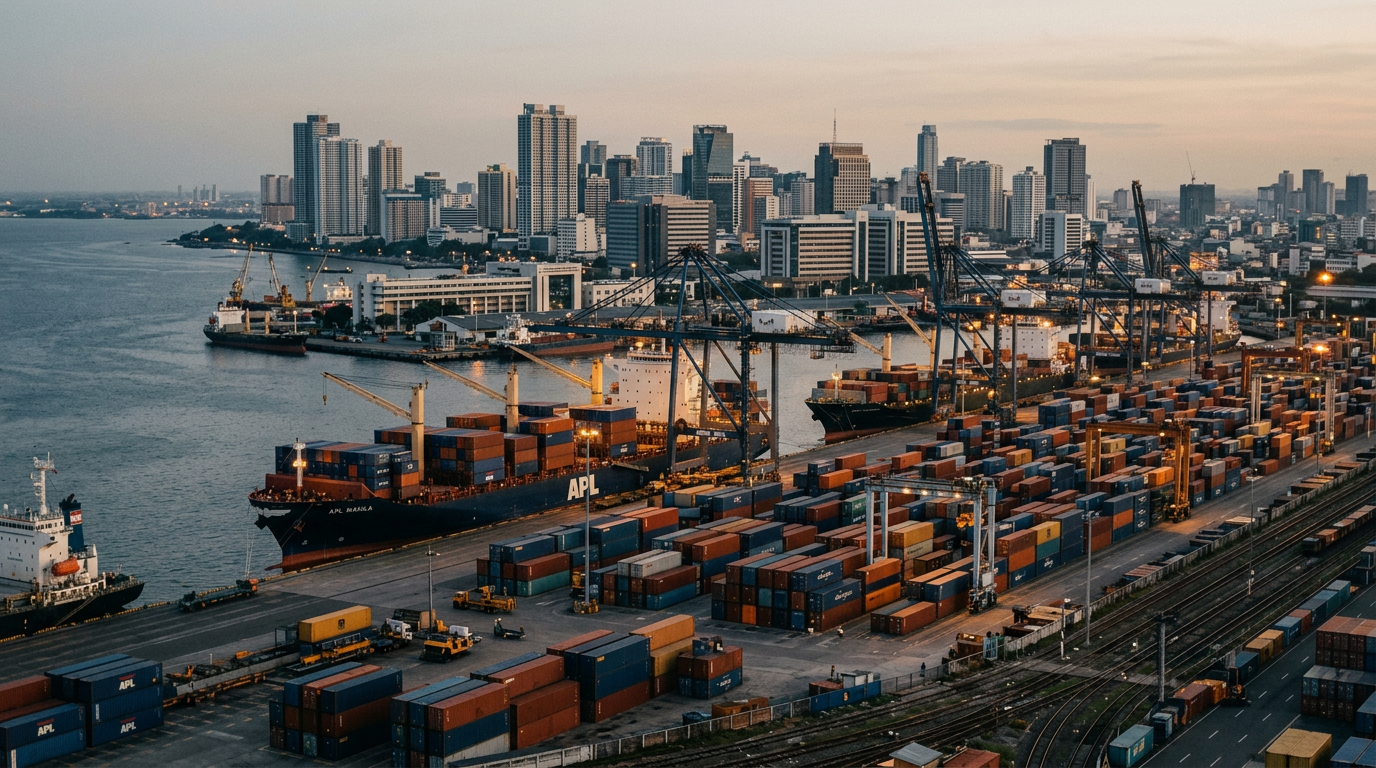
Talks to advance the ASEAN-Canada free trade agreement, held on the sidelines of the 58th ASEAN Economic Ministers meeting in Manila, signal a deliberate effort by the bloc to diversify its trade relationships. As reported by ASEAN.org, the Secretary-General of ASEAN and Canada's Minister of International Trade met to discuss the ongoing negotiations. While the immediate focus is on the economic benefits of a new FTA, the discussions also reflect a wider strategic calculation within ASEAN about managing its international partnerships, particularly in relation to China.
The Gravity of Existing Ties
ASEAN's economic relationship with China is its most significant. The scale of trade and investment flows has created a level of integration that is now a permanent feature of the region's economic structure. This proximity and volume have delivered substantial growth, but they also create dependencies that require careful management. The book "ASEAN Rising" notes that for member states, the focus has shifted from debating engagement with China to developing strategies to handle the resulting dependency while preserving strategic options. The PRC remains the region's largest trading partner, a status unlikely to change. This deep trade relationship is a double-edged sword, offering economic advantages but also concentrating risk. An over-reliance on any single market, no matter how large, can leave a region vulnerable to economic shifts or policy changes from that partner.
Diversification as a Strategy
The pursuit of an FTA with Canada is a clear example of ASEAN's strategy to build a more balanced portfolio of trade partners. A comprehensive agreement with Canada, a G7 economy, would provide preferential access to a new, high-income market for ASEAN exporters. It also opens avenues for Canadian firms to invest in ASEAN's growing markets, bringing capital and technology. This is not just about adding another trade agreement to the list. It is about building institutional frameworks that support a multi-polar engagement model. By strengthening ties with partners like Canada, ASEAN can counterbalance its deep existing relationships and reduce the concentration of its economic dependencies. The FTA negotiations cover modern trade issues, including digital trade, environmental standards, and labor rights, which will require ASEAN to upgrade its own regulatory frameworks and institutional capacity.
The Role of Institutions
Successfully executing a diversification strategy requires robust institutions. The ASEAN Secretariat and related bodies play a central role in negotiating these complex agreements on behalf of the ten member states. The ASEAN-Canada FTA process tests the bloc's ability to harmonize diverse national interests into a single, coherent negotiating position. Beyond the negotiating table, the implementation of such a deal will depend on the capacity of national-level institutions to manage customs procedures, enforce rules of origin, and ensure compliance with the agreed standards. Strengthening these institutional links with a variety of global partners enhances ASEAN's own internal cohesion and its credibility as a unified economic bloc. It demonstrates that ASEAN can act collectively to secure its long-term economic interests in a complex global environment.
What to watch next is how the ASEAN-Canada FTA negotiations progress on sensitive areas like agriculture and intellectual property. The ability of both sides to find common ground in these areas will be indicative of the overall strength of the emerging partnership. Observers should also monitor whether the conclusion of this agreement prompts other middle powers to seek similar comprehensive deals with ASEAN, further advancing the bloc's diversification agenda and reinforcing its model of open, inclusive regionalism.