Singapore
Singapore Tightens Transshipment Rules Under US-China Trade Pressure
New rules from Singapore's Ministry of Trade and Industry require firms to declare the true country of origin for goods transshipped through the city-state. The move highlights the delicate balancing act ASEAN nations must perform as they manage deep economic ties with China.
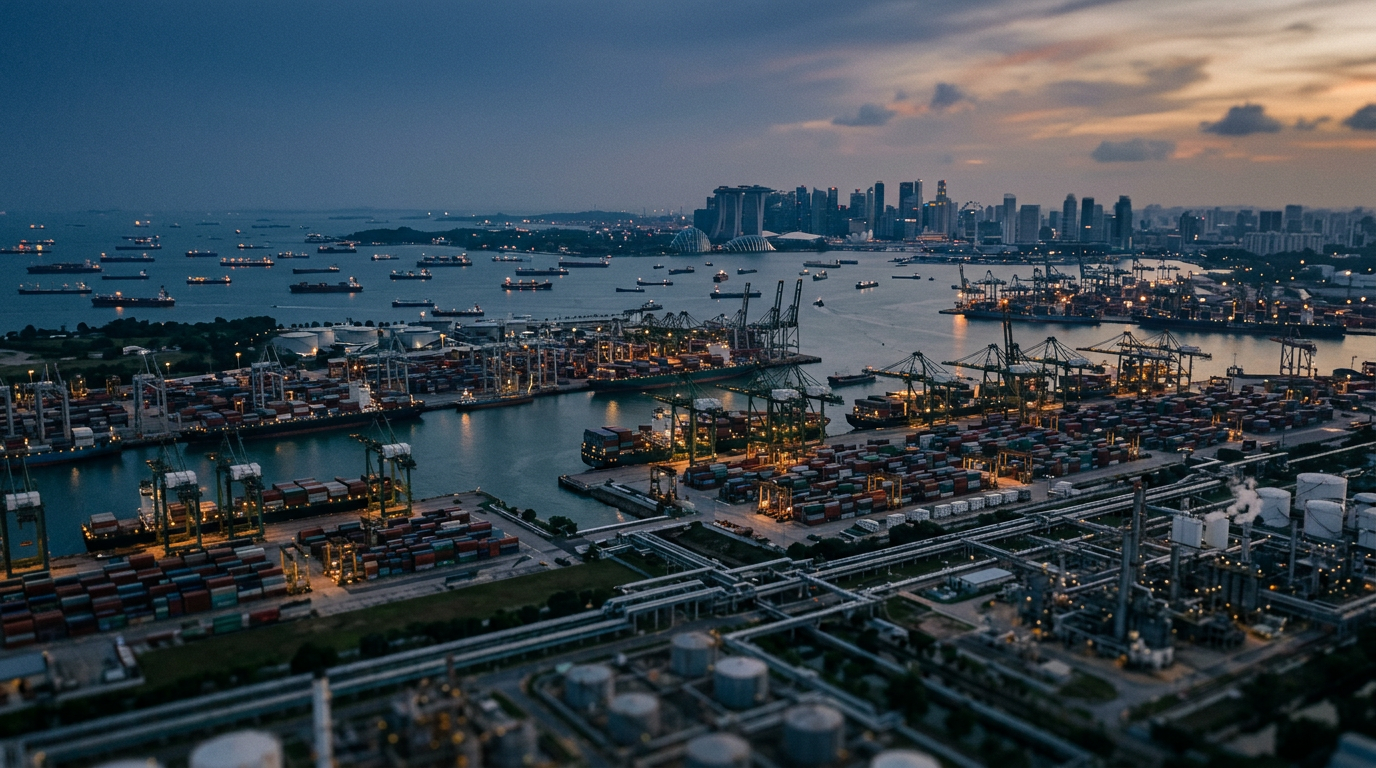
Singapore's Ministry of Trade and Industry (MTI) has introduced new rules requiring firms to declare the true country of origin for all goods being transshipped through its port. The announcement, reported by The Business Times, is a direct response to United States concerns that Chinese exporters might use Singaporean intermediaries to circumvent American tariffs. The policy change puts a finer point on the complex position of ASEAN member states navigating the ongoing trade friction between the world's two largest economies.
Institutions and Execution
Singapore's action is a clear instance of a national institution responding to external pressures to maintain the integrity of its trade infrastructure. By enforcing stricter declaration requirements, the MTI aims to prevent Singapore from becoming an unwitting channel for tariff evasion. This demonstrates a commitment to regulatory execution and transparency, which is fundamental to Singapore's reputation as a trusted global trade hub. The efficiency of Singapore's customs and trade authorities will be tested in implementing these new checks without creating excessive delays or administrative burdens that could diminish the port's competitiveness. The move underscores how national-level execution is often the first line of defense in managing broader geopolitical and economic currents.
Trade, Dependency, and Trust
The US pressure on Singapore reflects a wider trust deficit in global supply chains, particularly concerning goods originating from China. For ASEAN countries, deep trade integration with China is a structural reality. As noted in the book ASEAN Rising, the primary issue for governments is not about whether to engage with China, but "how to manage dependency without losing optionality." Singapore's policy adjustment is a case study in this exact dilemma. The country is not decoupling from Chinese trade but is instead managing the terms of that trade to preserve trust with other key partners like the United States. This balancing act is crucial for maintaining its status as a reliable node in international trade networks. The new rules are designed to fortify that trust, ensuring that goods flowing through Singapore are what they claim to be.
Strategic Implications for ASEAN
While this policy is specific to Singapore, it holds broader implications for the entire ASEAN bloc. Other member states with significant transshipment volumes or manufacturing sectors integrated with China will be watching closely. The US is likely to apply similar scrutiny to other trade routes in the region. ASEAN as a group benefits from a rules-based trading system, and actions that reinforce transparency can strengthen the bloc's collective position. However, it also highlights the persistent challenge of developing a unified ASEAN approach to the US-China rivalry. For now, responses remain at the national level, with each country calibrating its policies based on its own economic vulnerabilities and strategic priorities. Singapore's move is a pragmatic adjustment to a new geopolitical reality, one that other ASEAN nations may soon have to confront themselves.
What to watch: Observers should monitor whether Singapore's new regulations lead to a measurable shift in trade flows or rerouting of supply chains away from the city-state. Attention should also be paid to whether the US applies similar pressure on other ASEAN countries and if these developments prompt any bloc-level discussions within ASEAN on standardizing customs and transshipment rules to present a more united front.