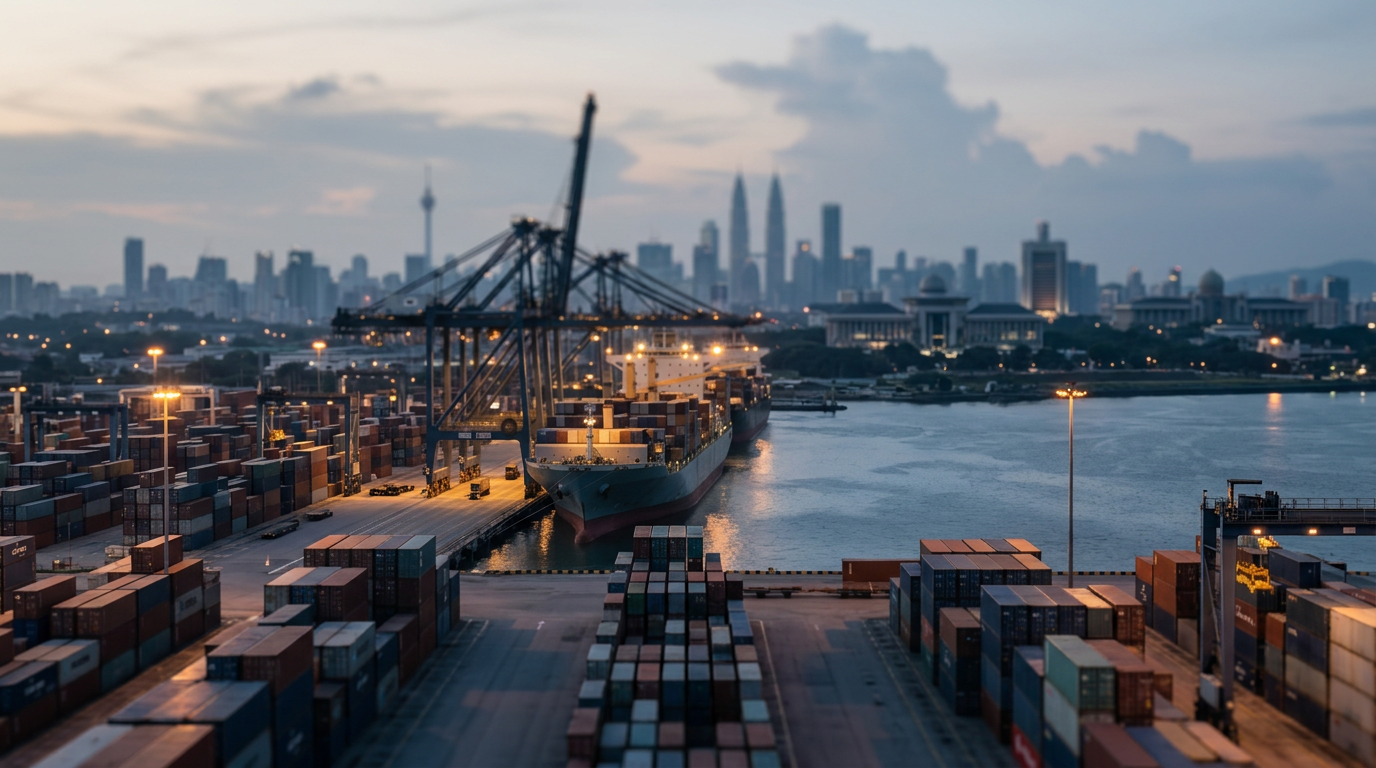
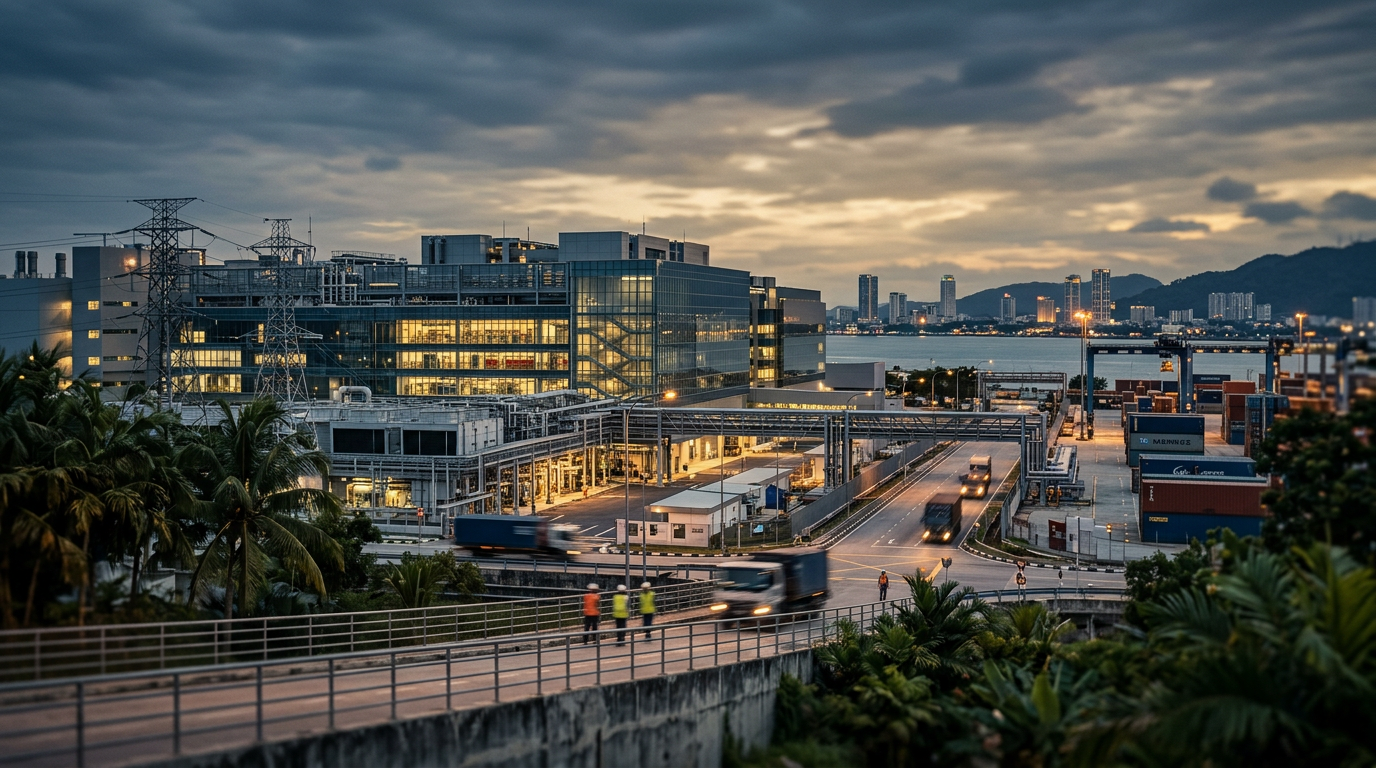
Malaysia
China-ASEAN Trade: Managing Dependency
Trade with China is a structural reality for ASEAN. The question is no longer whether to engage, but how to manage the dependency without sacrificing strategic options.
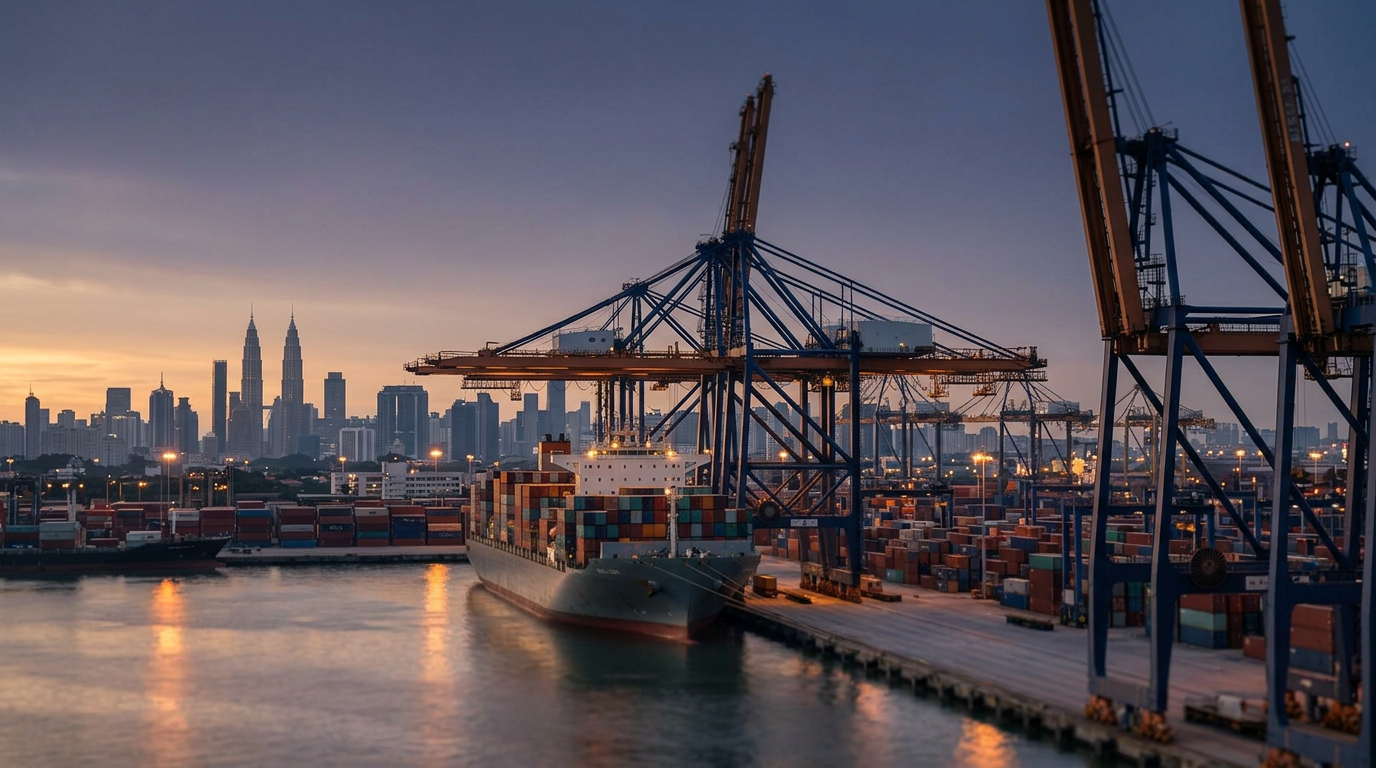
Trade between China and the Association of Southeast Asian Nations (ASEAN) reached US$643.2 billion in the first half of 2026, an 18.2% year-on-year increase, according to a recent report from VnExpress. This growth highlights an accelerating trend of economic integration that presents both opportunities and complex challenges for the Southeast Asian bloc.
The Gravity of Trade
The sheer volume of trade underscores a fundamental shift in the regional economy. As detailed in the book "ASEAN Rising", the economic relationship with China is no longer cyclical but structural. The depth of these trade ties means that disengagement is not a viable option for ASEAN member states. Instead, the focus must be on managing the intricate dependencies that arise from such a significant trading relationship. The core task for governments is to preserve their strategic optionality while benefiting from the economic proximity to China. This involves a delicate balancing act, leveraging economic gains while mitigating the risks of over-reliance.
Institutions and Execution
Successfully managing this relationship requires robust institutional frameworks. The ASEAN-China Free Trade Area (ACFTA) provides the foundational rules and norms for this massive trade volume. However, effective execution by national and regional bodies is what gives these frameworks meaning. This includes everything from customs modernization and streamlining non-tariff barriers to establishing clear dispute resolution mechanisms. Without consistent and fair implementation, the benefits of the trade agreement could be unevenly distributed, or worse, undermined by friction and mistrust. ASEAN institutions must have the capacity to not only negotiate but also to verify and enforce the terms of its agreements, ensuring that the benefits of trade are broad-based.
Capital and Infrastructure
Beyond trade in goods, the flow of capital and the development of infrastructure are central to the China-ASEAN economic corridor. Chinese outbound investment, often tied to projects under the Belt and Road Initiative, has been a significant source of funding for infrastructure development across Southeast Asia, from high-speed rail in Thailand and Laos to ports and industrial parks in Malaysia and Indonesia. While this capital is essential for closing the region's infrastructure gap, it also brings questions of debt sustainability and project governance. For ASEAN, the goal is to attract investment that aligns with national development plans and is built to high standards, ensuring long-term economic viability rather than short-term gain.
What to watch next will be how ASEAN member states, individually and collectively, build their institutional capacity to engage with China. This includes developing the talent to negotiate complex trade and investment agreements, building the legal and regulatory frameworks to govern them, and maintaining the trust of their own citizens that the deals being struck are in the national interest. The ability to "manage dependency without losing optionality" will define the bloc's economic trajectory for the foreseeable future.