Malaysia
Malaysia, Taiwan, and the Great Power Trade-Off
Malaysia's deep trade ties with Taiwan and China are a case study in how ASEAN states manage complex relationships with larger powers, balancing economic benefits against strategic risks.
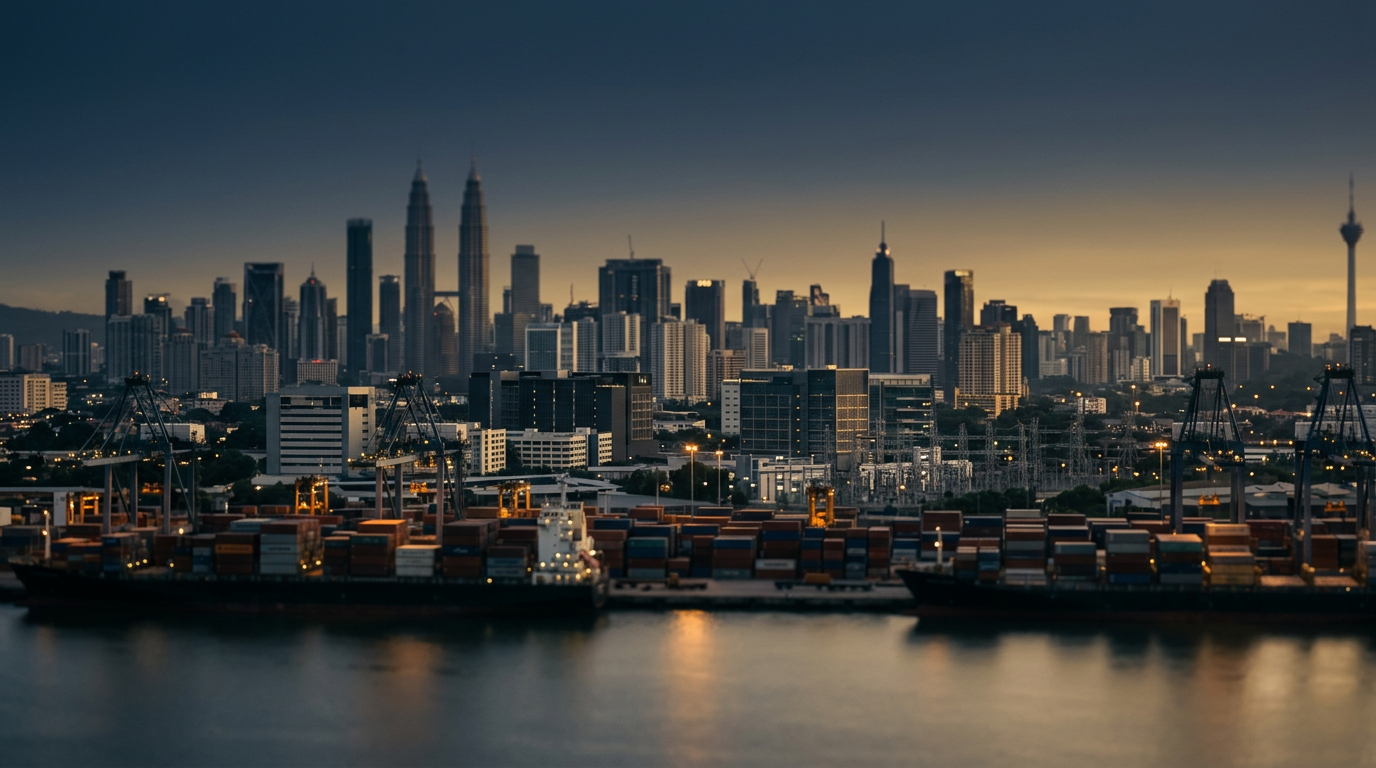
Recent commentary from APEX Securities suggests that Malaysia's trade relationship with Taiwan will remain stable, a testament to their deep and longstanding economic ties. This observation, reported by Bernama, highlights a recurring theme for many Southeast Asian nations: navigating complex economic and political relationships in a region influenced by major powers, particularly China.
The Gravity of Trade
For ASEAN members, dense trade relationships are a fact of life. This is especially true regarding China, the region's largest economic partner. As the book "ASEAN Rising" notes, for many states, the primary question is not about whether to engage with China, but how to handle the resulting dependency while preserving strategic flexibility. Malaysia's situation with Taiwan illustrates this dynamic perfectly. While maintaining a robust trade partnership with Taiwan, a global leader in the semiconductor industry, Malaysia also manages a much larger and more complex economic relationship with mainland China.
This balancing act is not unique to Malaysia. Across the region, governments work to maximize the economic benefits that come from deep integration with global supply chains. These supply chains often have significant nodes in both mainland China and Taiwan. The institutional frameworks within ASEAN, as well as bilateral agreements, are constantly being tested by the need to maintain these valuable economic links without being pulled into the political orbit of any single major power.
Managing Dependency
Successfully managing this dependency requires careful statecraft. It involves diversifying economic partnerships where possible and strengthening domestic institutions to withstand external pressures. The goal is to build a resilient economy that can absorb shocks, whether they come from geopolitical tensions or shifts in global trade patterns. For Malaysia, the deep trade ties with Taiwan are not just a matter of trade statistics; they represent a crucial link to the global technology sector and a degree of economic diversification.
"Trade depth with China is now a structural feature, not a cyclical one," and this reality shapes the strategic calculations of all ASEAN members. Governments must focus on the execution of industrial policies that build domestic capacity and move their economies up the value chain. This involves investing in infrastructure and human capital to create a more attractive environment for high-value foreign investment from a range of partners. By strengthening its own economic fundamentals, a nation can engage with larger economies from a position of greater strength and reduce the risks associated with dependency.
What to watch: The key indicator to watch is not the public statements of political leaders, but the flow of capital and the development of physical and digital infrastructure. Observe how ASEAN states, including Malaysia, allocate resources to enhance their own industrial and technological capabilities. The degree to which they can build resilient domestic institutions and cultivate a skilled workforce will determine their ability to maintain economic sovereignty and strategic optionality in a landscape dominated by larger powers.