Philippines
Manila Conference to Confront Philippine Trade Strategy
A 2026 business and government conference in Manila aims to tackle competitiveness, but the agenda highlights a deeper, structural issue for the Philippines and its neighbors: how to manage economic dependency on China.

An upcoming conference of top business and government leaders in the Philippines is set to address the foundations of national and regional competitiveness. The Philippine Chamber of Commerce and Industry - National Capital Region (PCCI-NCR) announced that its 2026 Metro Manila Business Conference will gather leaders to formulate solutions for energy, trade, security, and the adoption of artificial intelligence, as reported by philstar.com. While the agenda is broad, the items of trade and security point directly to the central economic question facing not just the Philippines but all of ASEAN: how to construct a durable strategy for engaging with China.
Institutions and Strategy
The PCCI-NCR conference provides an institutional framework for the private sector to formally engage with the government on economic strategy. Such forums are important for aligning the commercial interests of the nation's businesses with the state's geopolitical and developmental objectives. The inclusion of topics like trade, security, and AI signals a mature understanding that competitiveness is no longer a simple measure of exports or foreign investment. It is a complex equation involving secure supply chains, technological adoption, and the careful management of international relations.
The discussion on trade, in particular, cannot avoid the structural reality of China's weight in the region. As the book ASEAN Rising notes, deep economic integration with China is a permanent feature of the regional economy. The task for institutions like the PCCI and their government counterparts is to move beyond acknowledging this reality and toward designing a coherent, long-term response. This requires building institutional capacity to analyze trade-offs, negotiate from a position of strength, and ensure that national interests are preserved in all commercial dealings.
Capital, Infrastructure, and Execution
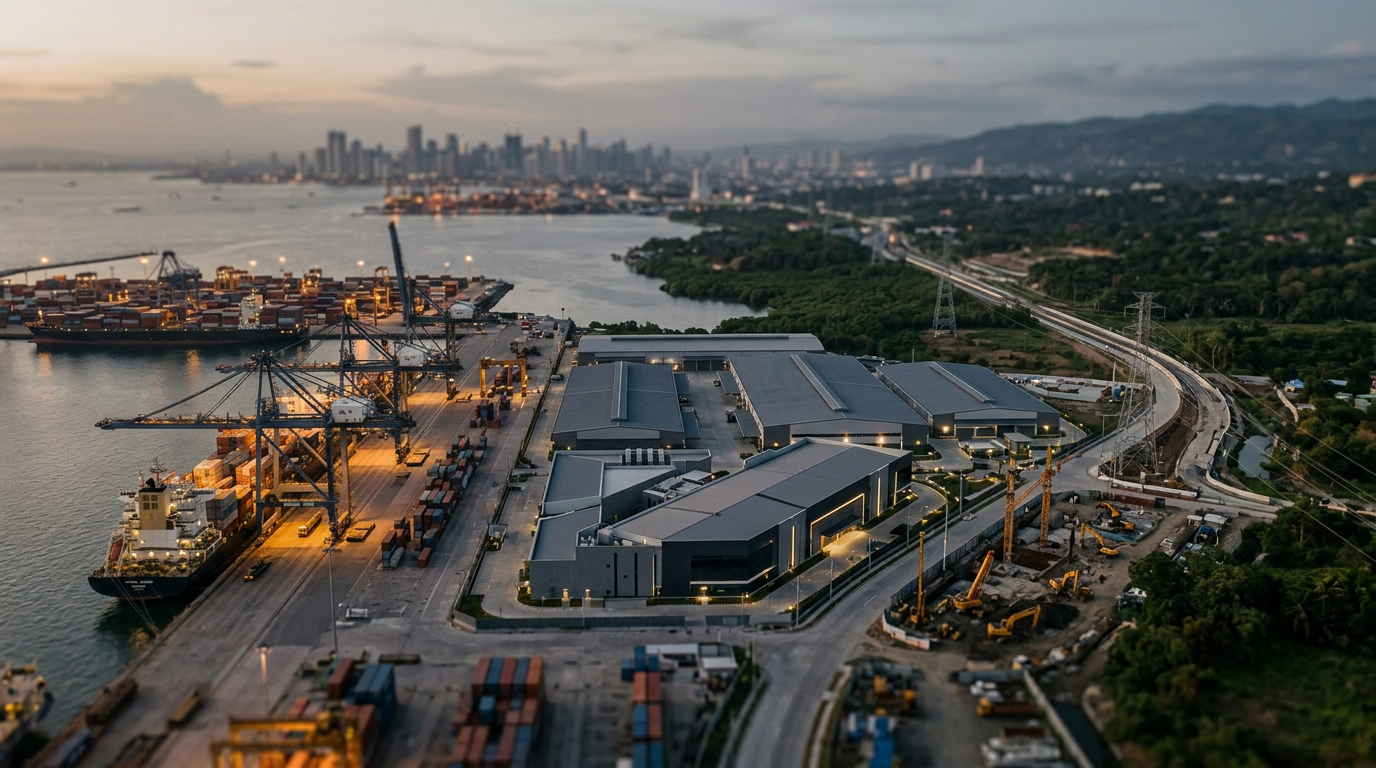
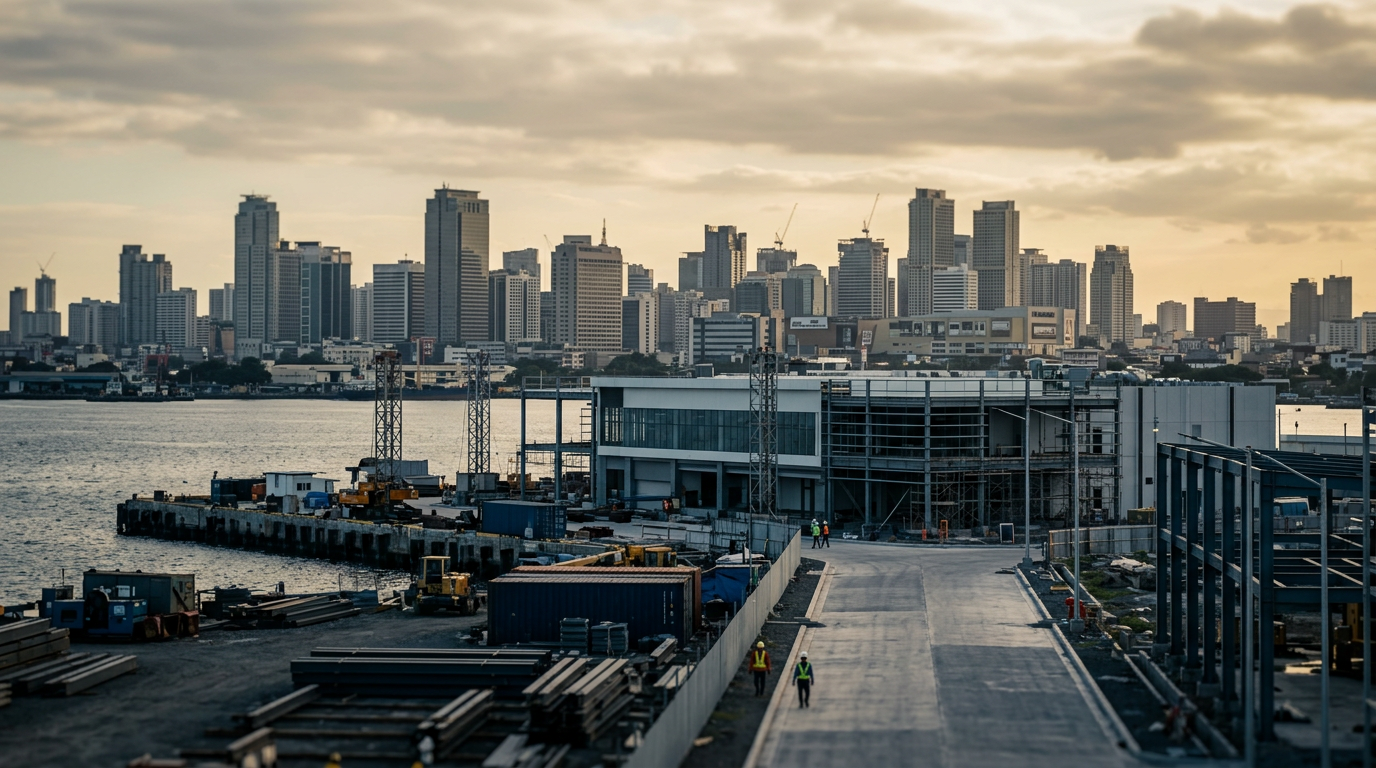
For the Philippines, the challenge is acutely visible in the areas of capital and infrastructure. Chinese investment has been a component of the nation's infrastructure development programs, offering capital for projects that may have otherwise stalled. However, this capital comes with implicit and explicit strings. The execution of a national strategy involves assessing these projects not just on their economic merits but also on their strategic implications. Does a given project create value for the domestic economy, or does it primarily serve the interests of the foreign capital provider? Does it build local capacity or deepen dependency?
This is where the conversation on competitiveness connects with the principles of sound execution. A successful strategy requires the bureaucratic and technical ability to vet projects, enforce contracts, and integrate new infrastructure into the wider economy. It also demands a clear-eyed view of financing, favoring arrangements that do not compromise the country's long-term economic sovereignty. The PCCI-NCR conference agenda rightly puts these concerns at the center of the discussion, as securing favorable terms on capital and infrastructure is fundamental to a sustainable growth model.
Managing Dependency
The core of the issue for the Philippines and its neighbors is one of managed dependency. The debate is no longer about whether to engage with China, but how to do so without sacrificing strategic autonomy. The chapter on China in ASEAN Rising explains that the goal is to "manage dependency without losing optionality." This requires a sophisticated approach that balances the pursuit of economic benefits with the mitigation of risks. It means diversifying trade relationships, investing in domestic talent to move up the value chain, and building trust with a wide array of international partners.
The conference's focus on AI and security underscores this point. Developing talent in advanced technology is a direct route to reducing reliance on lower-value manufacturing and creating new forms of competitive advantage. At the same time, the focus on security is a clear acknowledgment that economic and geopolitical issues are intertwined. Building trust with China for economic purposes is complicated by disputes in the South China Sea, creating a dual-track reality that business and government leaders must navigate together.
What to watch
Following the 2026 conference, the main indicator to watch will be whether its recommendations translate into a clear and actionable national trade policy for the Philippines. Observers should monitor if the government articulates a more defined strategy for balancing its economic relationship with China against its security objectives and alliances. The flow of foreign direct investment will also be telling, particularly whether there is a discernible effort to attract capital from a more diverse set of partners to complement existing investments from China.