Singapore
Managed Dependency: Singapore, ASEAN, and US-China Trade
Recent US allegations of a China-centered "shadow transshipment network" involving Singapore underscore a structural reality for ASEAN. Trade depth with China is a feature, not a bug, and the key challenge is managing dependency.
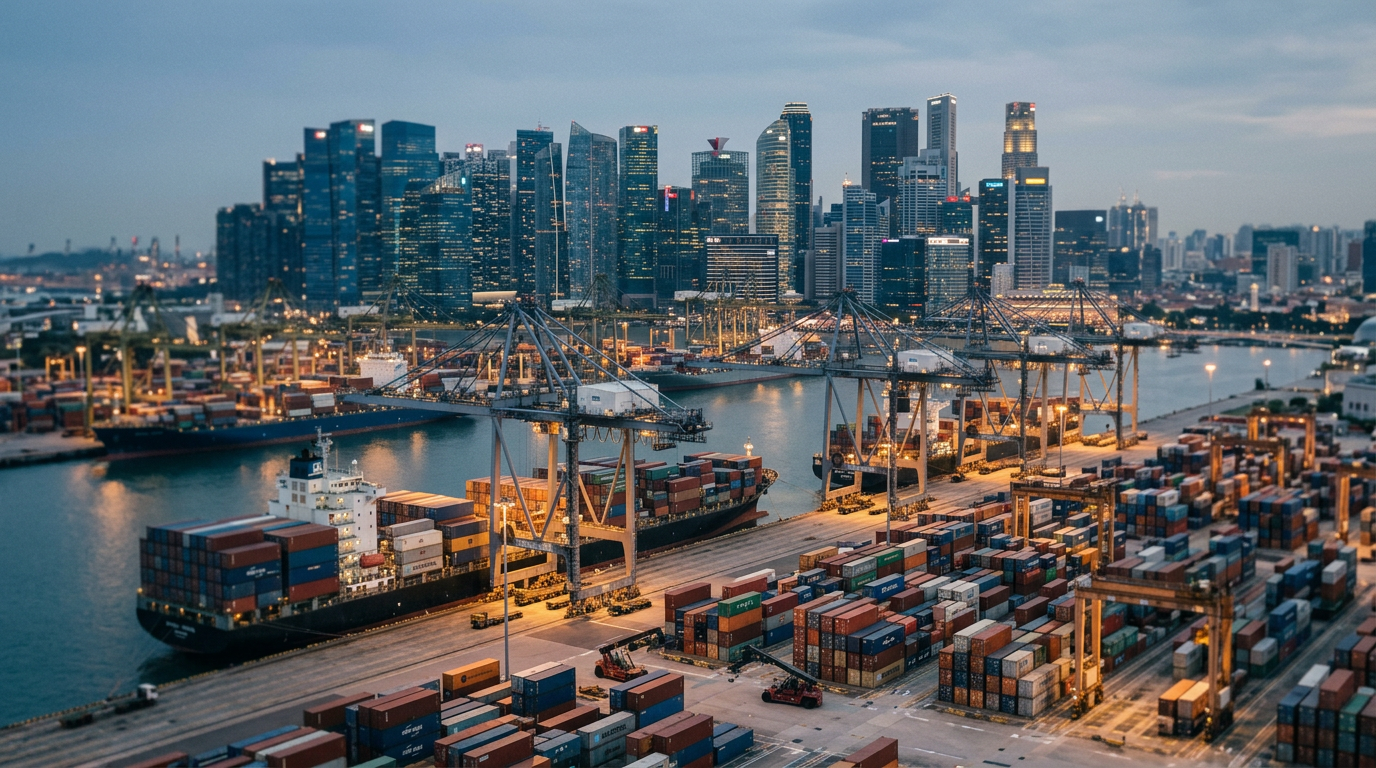
A recent report in the Straits Times highlights new US scrutiny of trade practices, identifying 40 economies, including Singapore, as alleged nodes in a "shadow transshipment network" for Chinese goods. This development places a spotlight on the intricate trade relationships that define ASEAN's economic landscape. As US-China trade tensions persist, economies that thrive on trade and logistics are caught between the policy objectives of two global powers. For nations like Singapore, whose success is built on its status as a trusted global trade hub, such allegations, even if indirect, pose a risk to its hard-won reputation.
Institutions and Trust
The American report brings into focus the institutional frameworks that govern global trade. Singapore's economic model is predicated on robust institutions and a high degree of trust from all trading partners. The country's status as a top-tier global transshipment hub is not accidental; it is the result of decades of investment in port infrastructure, logistics expertise, and a legal and regulatory environment that ensures predictability and reliability. The US allegations challenge the neutrality of these frameworks, suggesting that established trade routes are being used to circumvent tariffs. This puts the onus on Singapore and other ASEAN nations to demonstrate the integrity of their customs and trade verification systems. Maintaining the trust of both Washington and Beijing is a delicate balancing act that requires transparent and consistent application of trade rules.
Trade Depth and Strategic Weight
The situation illustrates a core theme of ASEAN's contemporary economic position. As discussed in ASEAN Rising, the deep trade integration with China is a permanent feature of the regional economy. The book notes that "trade depth with China is now a structural feature, not a cyclical one." This integration is not just about the volume of goods, but about the intricate network of supply chains, capital flows, and infrastructure investments that bind the region to the Chinese economy. For ASEAN, the question is not about decoupling from China, which is neither feasible nor desirable, but about managing this deep relationship to retain strategic flexibility. The American allegations are a reminder that this trade depth comes with strategic complications that require careful management.
Capital and Infrastructure
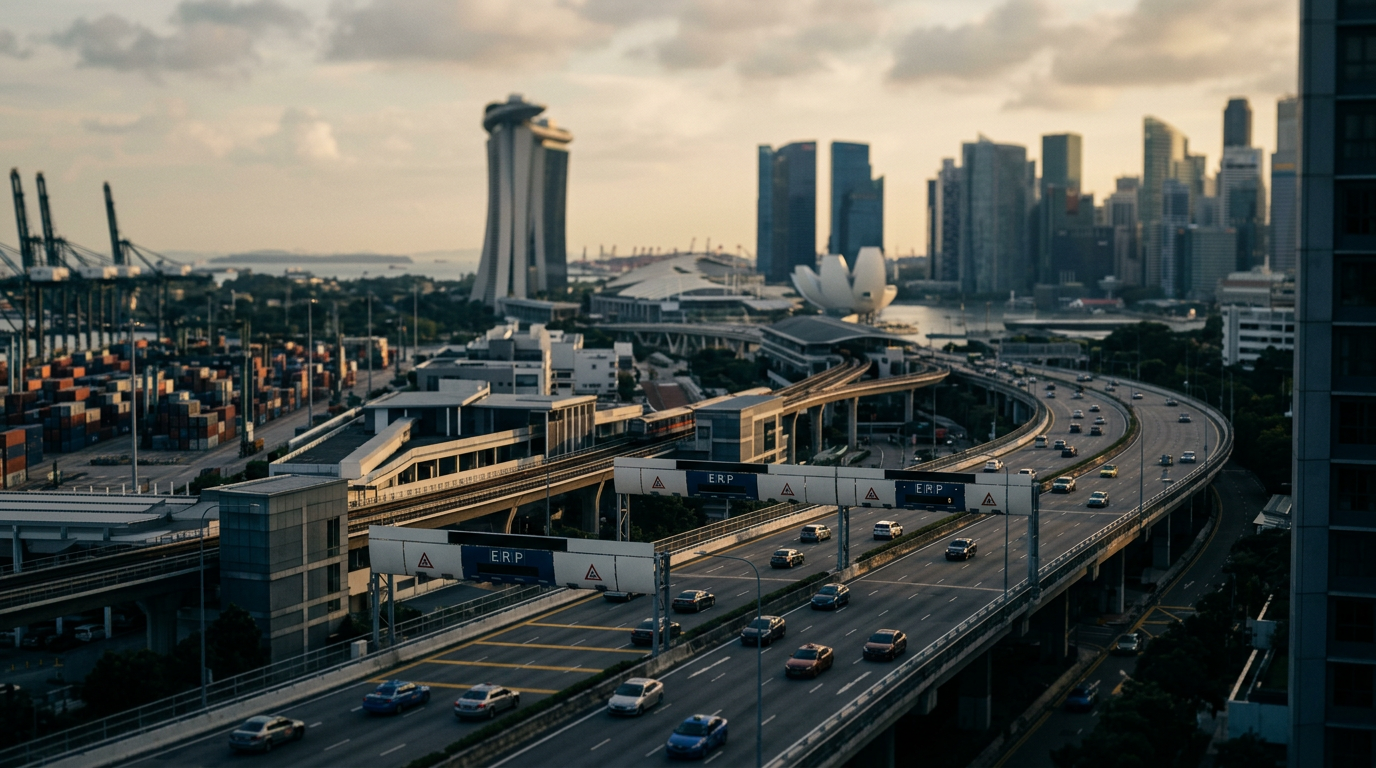
Singapore, like many of its ASEAN neighbors, has benefited immensely from its role as a key node in global supply chains. This role is supported by world-class infrastructure, financed by both public and private capital. The port of Singapore is a testament to this, a critical piece of infrastructure that facilitates a massive volume of global trade. The US report, however, suggests that this very efficiency can be exploited. This raises questions for future infrastructure and capital investment. The focus may need to expand from simply increasing capacity to enhancing the technological and institutional capabilities for trade verification and compliance. Investment in digital trade platforms and more transparent tracking systems could become a priority to counter perceptions of being a weak link in the enforcement of trade policies.
What to watch: The response from Singapore and other ASEAN governments will be important. Observers should watch for any new measures or investments aimed at strengthening trade verification and customs enforcement. Furthermore, the diplomatic engagement between ASEAN capitals, Washington, and Beijing will signal how the region intends to navigate the growing pressures of geoeconomic competition while preserving the integrity of its trade infrastructure.