Indonesia
Indonesia Looks Beyond China to New Export Markets
Indonesia is trying to reduce its export dependency on China by developing new markets in Central Asia and Africa. This move reflects a broader ASEAN concern about managing economic reliance on a single major partner.
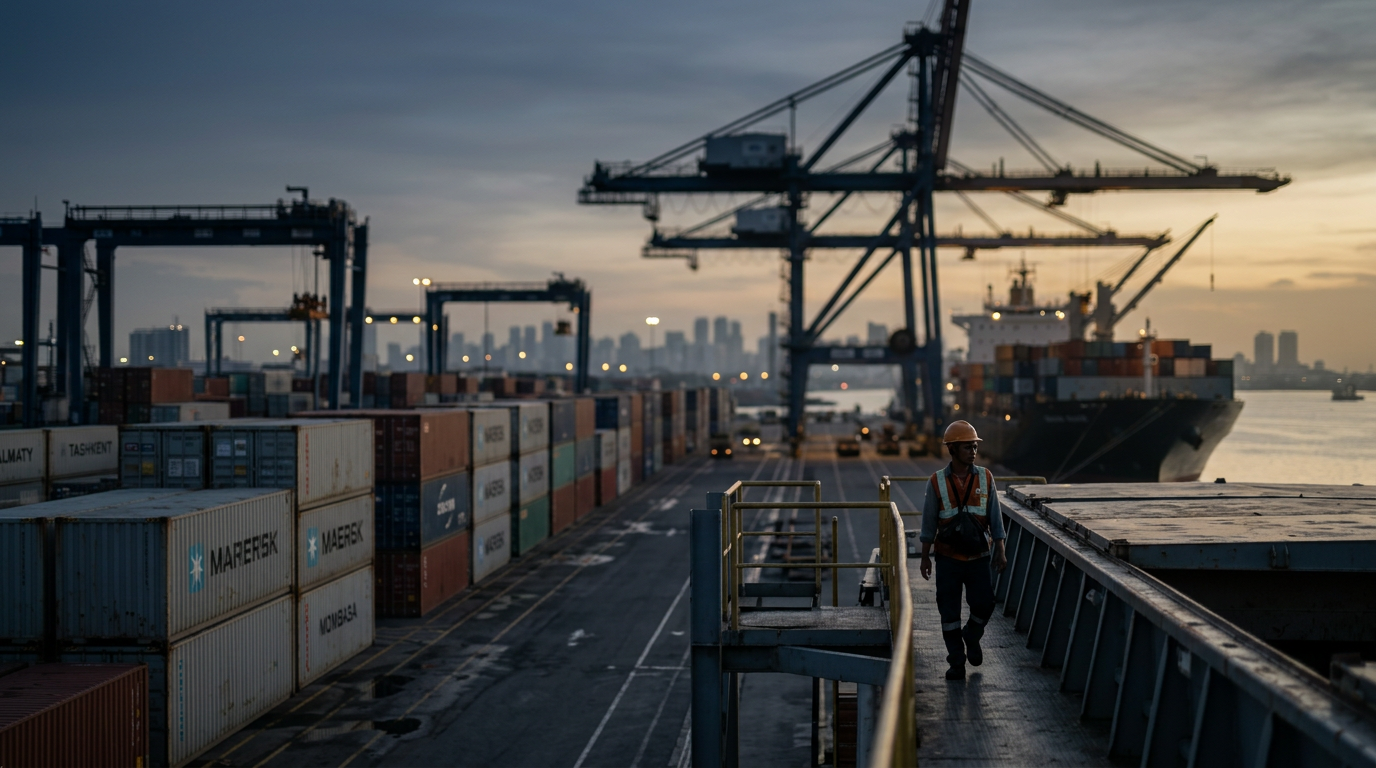
Indonesia's Ministry of Trade is looking to expand export markets in Central Asia and Africa, a strategic pivot aimed at diversifying its trade relationships. The initiative, reported by Antara, comes as Indonesian officials seek to reduce the country's reliance on a handful of large export destinations and improve its trade balance.
This effort is not merely a tactical adjustment but a reflection of a deeper structural challenge facing Indonesia and its neighbors. The intense trade relationship with China has become a permanent feature of the regional economy. As the book "ASEAN Rising" notes, for governments in the region, the issue is how to manage this dependency without sacrificing strategic and economic flexibility.
The Gravity of the China Trade
For Indonesia, China is by far the largest trade partner. While this relationship provides a massive market for Indonesian commodities and finished goods, it also creates significant vulnerabilities. Any economic slowdown in China, or any shift in its industrial or trade policies, can have an outsized impact on Indonesia's economic performance. The concentration of trade in a single corridor makes the national economy susceptible to external shocks it cannot control.
This dependency is not unique to Indonesia. Across ASEAN, member states have benefited enormously from China's economic expansion, which has fueled their own growth for decades. Yet, this has resulted in a delicate balancing act. The economic benefits of deep engagement are clear, but so are the risks of over-reliance. The Indonesian initiative to cultivate new trade frontiers in Central Asia and Africa is a direct institutional response to this dilemma, aiming to build resilience by broadening the base of its export economy.
Institutions and Infrastructure for Diversification
Successfully diversifying trade requires more than just government pronouncements. It demands a coordinated effort across institutions to build the practical connections that make new trade routes viable. This involves establishing new logistical and financial infrastructure to connect Indonesian exporters with buyers in unfamiliar markets. Trade agreements, customs harmonization, and direct shipping routes are foundational elements.
Indonesia