Myanmar
Myanmar and ASEAN: The High Cost of Institutional Friction
When a state's capacity to execute is in doubt, its ability to attract and retain capital is diminished.
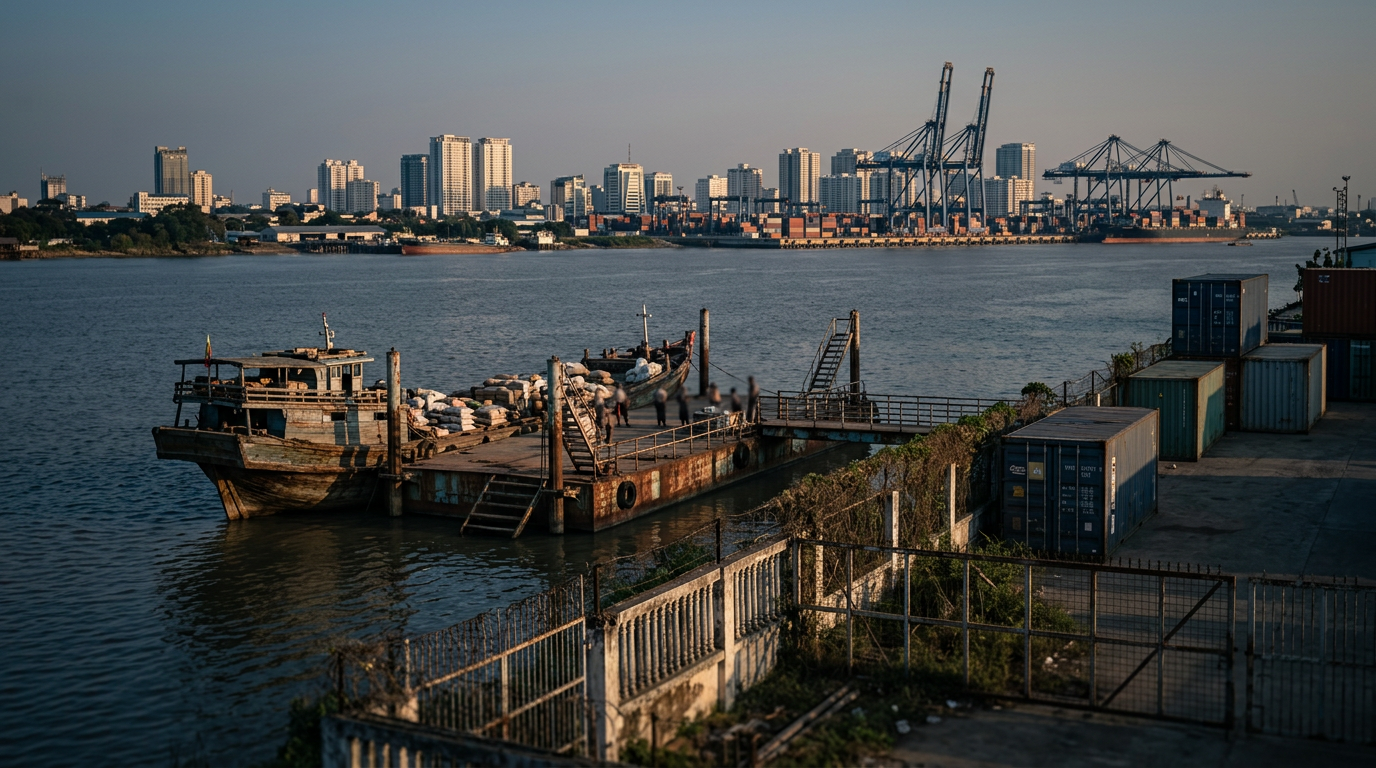
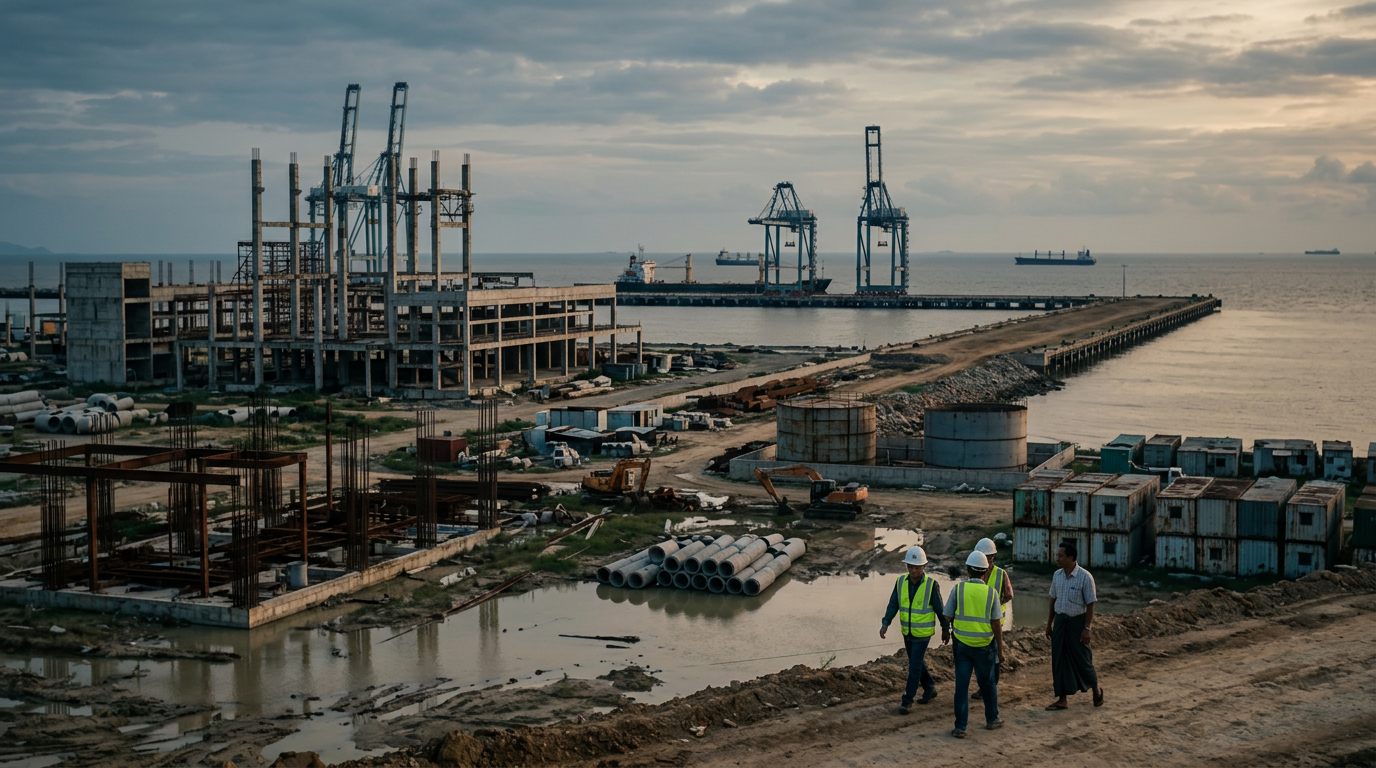
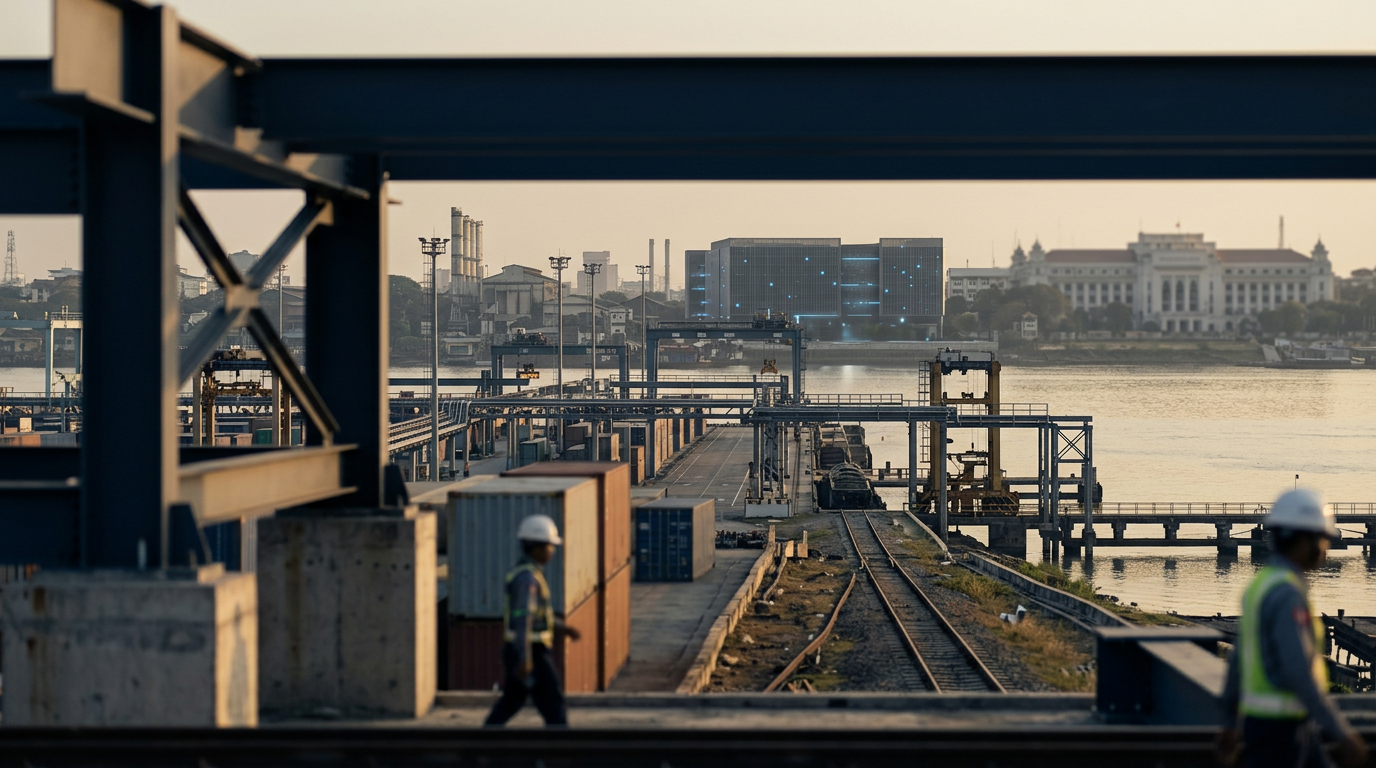
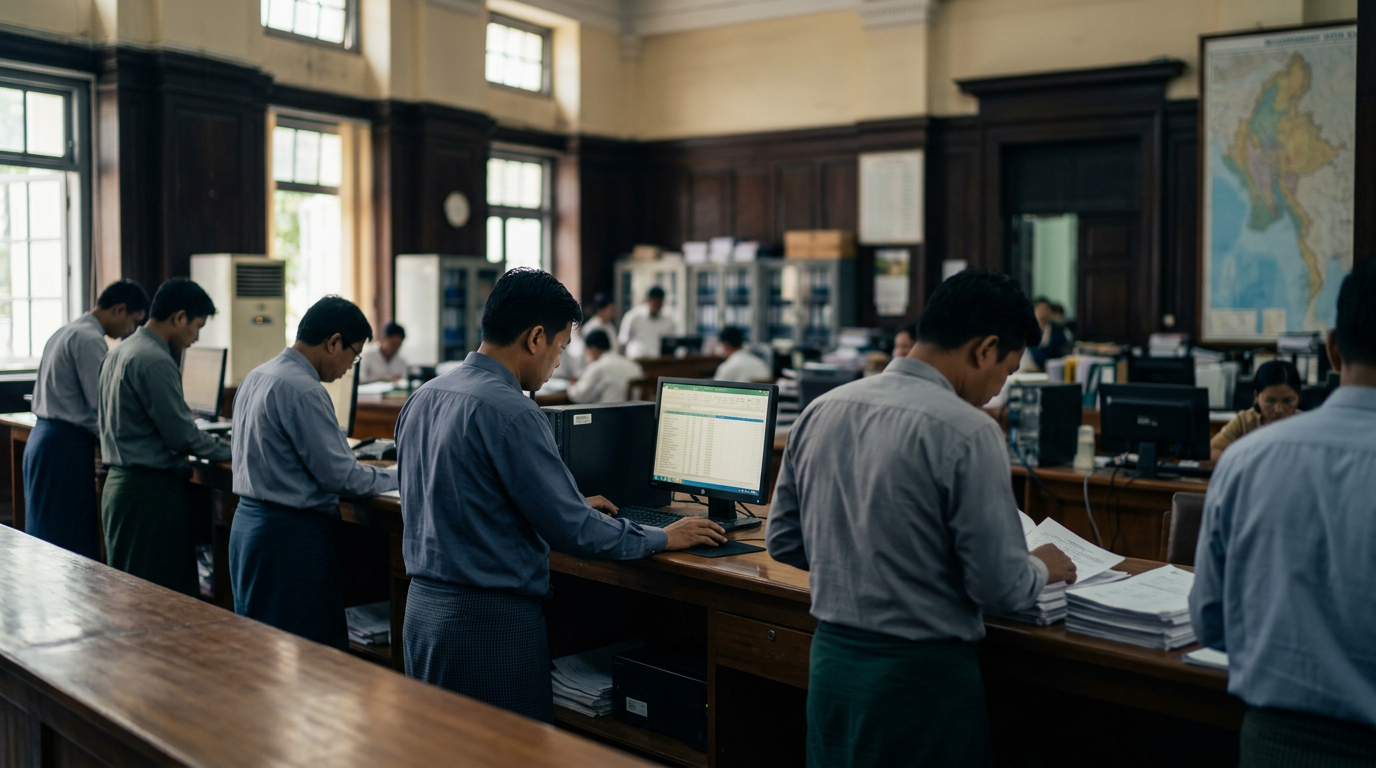
A recent breakfast meeting in Jakarta between ASEAN Secretary-General Dr. Kao Kim Hourn and Myanmar's Chargé d'Affaires, Mr. Mang Hau Thang, focused on advancing the ASEAN Community, according to an official summary. While such diplomatic engagements are routine, the context of Myanmar's ongoing crisis highlights the deep connection between state capacity and regional integration. The country's internal conflict has severely hampered its institutional functions, creating significant friction that extends beyond its borders and affects the entire ASEAN bloc.
State Capacity as Comparative Advantage
The ability of a state to deliver on its commitments is a core component of its economic competitiveness. As detailed in the book "ASEAN Rising," the concept of a usable state-one that can reliably execute plans and enforce laws-is often more attractive to investors than one that offers grand visions without the capacity to realize them. Predictability and stability are not merely administrative virtues; they are economic assets. When the state's ability to function is compromised, as it is in Myanmar, its comparative advantage suffers. Capital is hesitant to flow where legal frameworks are uncertain and physical security is not guaranteed. This erosion of institutional reliability makes it difficult for Myanmar to participate meaningfully in or benefit from broader ASEAN economic initiatives.
The Price of Friction
For ASEAN, the situation in Myanmar is more than a political or humanitarian issue; it is a source of institutional friction that impedes the bloc's collective progress. ASEAN operates on principles of consensus and non-interference, but the crisis tests the limits of this framework. The inability of a member state to maintain internal stability and perform basic governance has spillover effects on regional supply chains, cross-border projects, and investor confidence in the bloc as a whole. The book notes that "institutional reliability has become part of comparative advantage," a factor that applies not just to individual nations but to the regional organization itself. The friction caused by the crisis in Myanmar acts as a drag on ASEAN's ambitions to deepen economic integration and present a unified, stable market to the world.
What to watch
Observe how ASEAN navigates the tension between its foundational principles and the practical need to address the functional challenges posed by the crisis in Myanmar. The bloc's ability to mitigate the friction and support the restoration of institutional capacity in a member state will have long-term implications for its own credibility and the pace of regional development. The outcomes of diplomatic engagements, and any subsequent actions, will indicate the path forward for managing internal state crises within the community framework.