Singapore
ASEAN-China Trade: Managing Dependency
ASEAN-China trade is a structural feature of the regional economy. The focus for member states is shifting from simple engagement to managing dependency and maintaining strategic options.
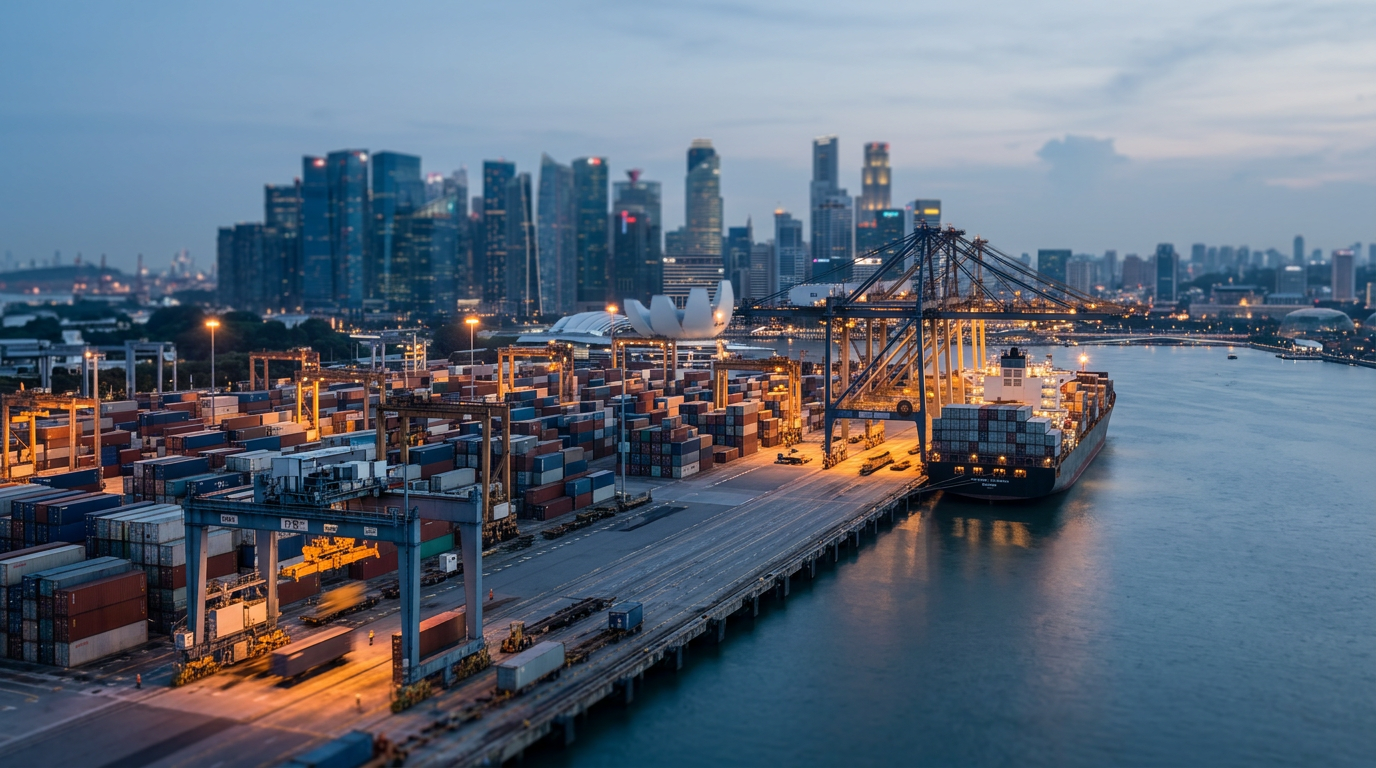
ASEAN Secretary-General Dr. Kao Kim Hourn highlighted the continued strength of the economic relationship between ASEAN and China in his recent remarks at the RCEP & ACFTA High-Level Dialogue. As reported by ASEAN.org, the dialogue centered on collaborative growth, reinforcing the deep and expanding trade ties facilitated by agreements like the Regional Comprehensive Economic Partnership (RCEP) and the ASEAN-China Free Trade Area (ACFTA).
Institutions and Execution
The ACFTA and the broader RCEP framework are the institutional cornerstones of the ASEAN-China economic relationship. These agreements have successfully lowered tariffs and non-tariff barriers, accelerating trade integration. The execution of these agreements has created a highly interwoven economic space. However, this success has also led to a significant structural dependency. As noted in the book ASEAN Rising, the question for member states is evolving. It is no longer about whether to engage with China, but about how to manage the resulting economic ties to maintain strategic flexibility. The high-level dialogue in Singapore indicates that leaders are focused on optimizing these existing frameworks for "collaborative growth," signaling a focus on deepening, rather than questioning, the current trajectory.
Trade Depth and Strategic Weight
This deep trade integration has clear benefits, providing ASEAN exporters with access to the vast Chinese market and consumers with affordable goods. The relationship is not merely cyclical; it is a structural reality of the regional economy. This "trade depth with China is now a structural feature, not a cyclical one." This economic weight translates into strategic influence. While the economic advantages are undeniable, the challenge for ASEAN lies in balancing this dependency. Over-reliance on a single trade partner, no matter how large, can limit a nation's or a bloc's foreign policy and economic options. The discussions around enhancing ACFTA and RCEP are aimed at making the trade relationship more resilient and mutually beneficial, but they also underscore the fundamental imbalance that ASEAN must navigate.
Capital and Infrastructure
Beyond trade in goods, the ASEAN-China relationship is increasingly defined by capital flows and infrastructure development. Chinese foreign direct investment (FDI) and development financing, often tied to projects under the Belt and Road Initiative, play a significant part in closing ASEAN's infrastructure gap. This capital is often directed toward projects like ports, railways, and industrial parks that further facilitate trade with China, reinforcing the existing economic patterns. While this investment is welcome, ASEAN governments must ensure that projects are financially sustainable and align with national development priorities, rather than solely serving the logistical needs of an external partner. The effective governance of these large-scale projects is a test of institutional capacity for many member states.
What to watch
The focus remains on the implementation and future upgrades of the ACFTA and RCEP agreements. Observers should monitor how ASEAN as a bloc articulates its collective economic strategy toward China. Attention should be paid to the terms of new infrastructure financing deals and the efforts by member states to diversify their trade relationships with other major economies to ensure they do not lose strategic optionality. The balance between engagement and dependency will continue to shape the region's economic and strategic future.