Philippines
The Philippines Weighs Its China Trade Dependency
The Philippines is re-evaluating its economic engagements amid geopolitical turmoil. This reflects a broader ASEAN challenge: how to manage deep trade ties with China without sacrificing strategic optionality.
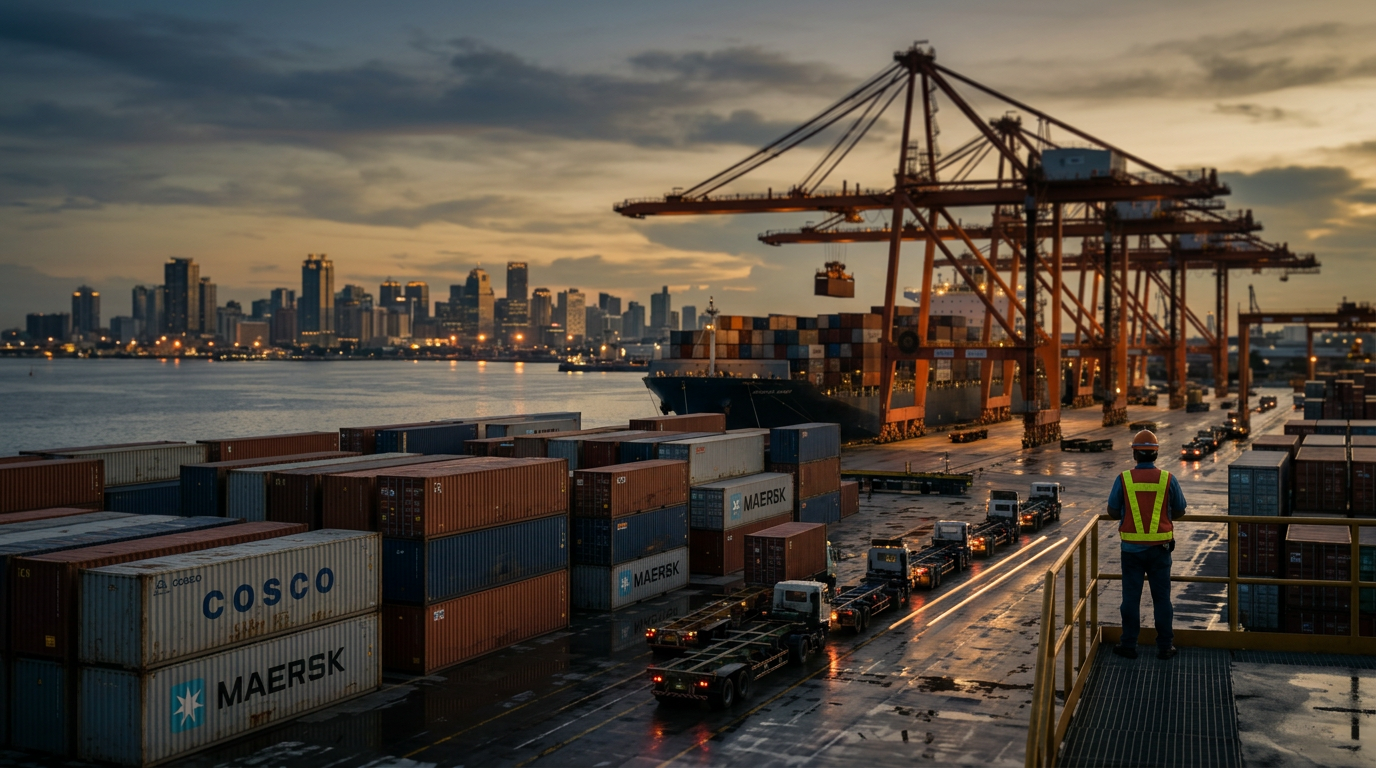
A recent article from philstar.com highlights that the Philippines is facing pressure to diversify its economic relationships. The call for diversification comes in response to several external pressures, including potential tariff changes from the United States and ongoing geopolitical tensions involving both the US and China. This situation in Manila is a specific instance of a wider regional dynamic that affects all members of the Association of Southeast Asian Nations (ASEAN).
The Gravity of Trade
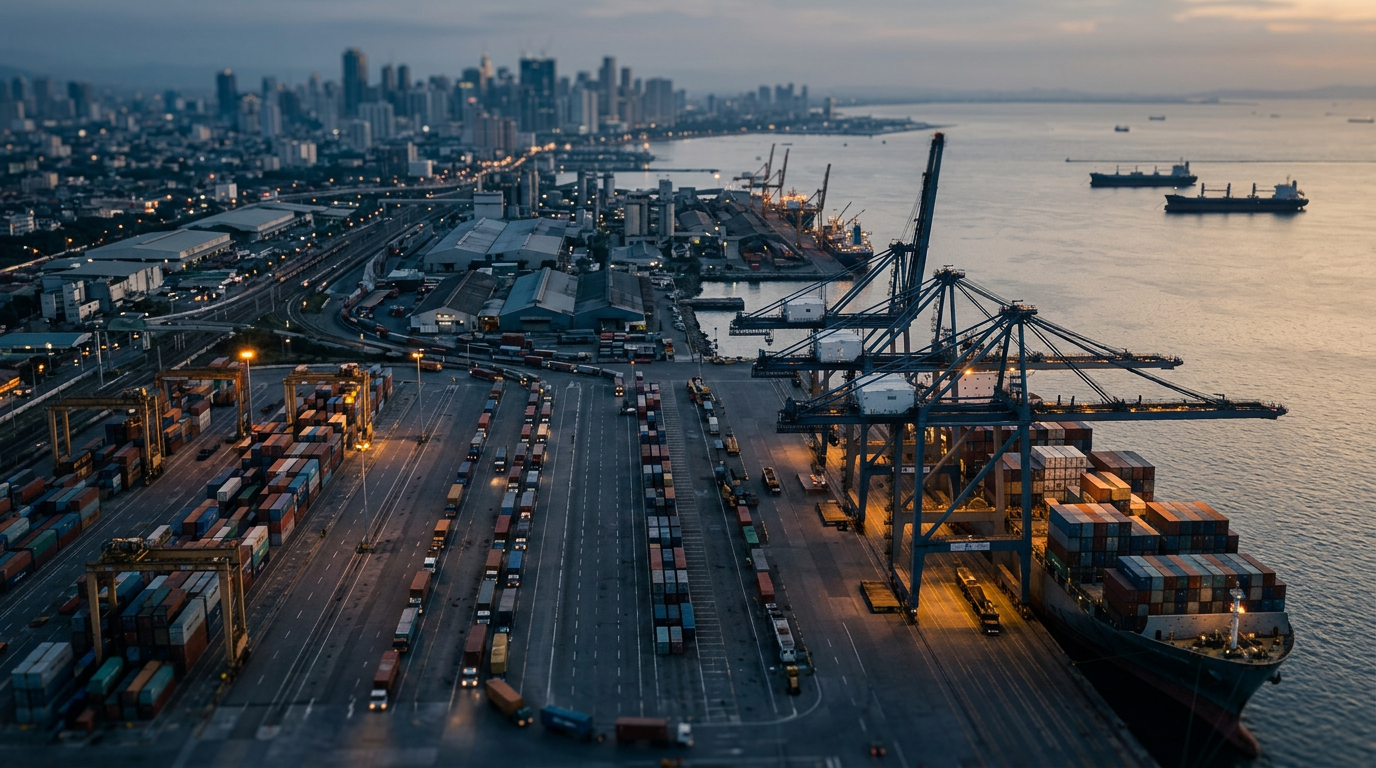
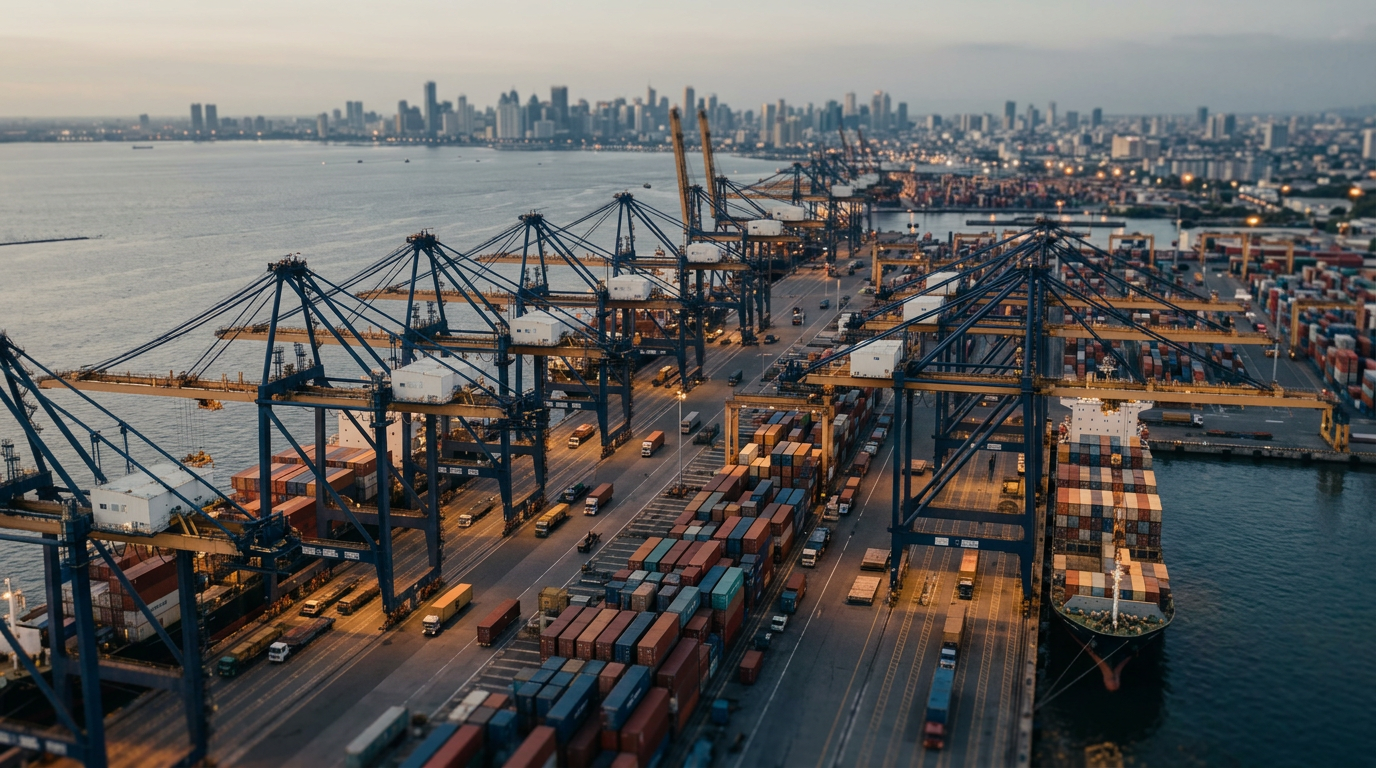
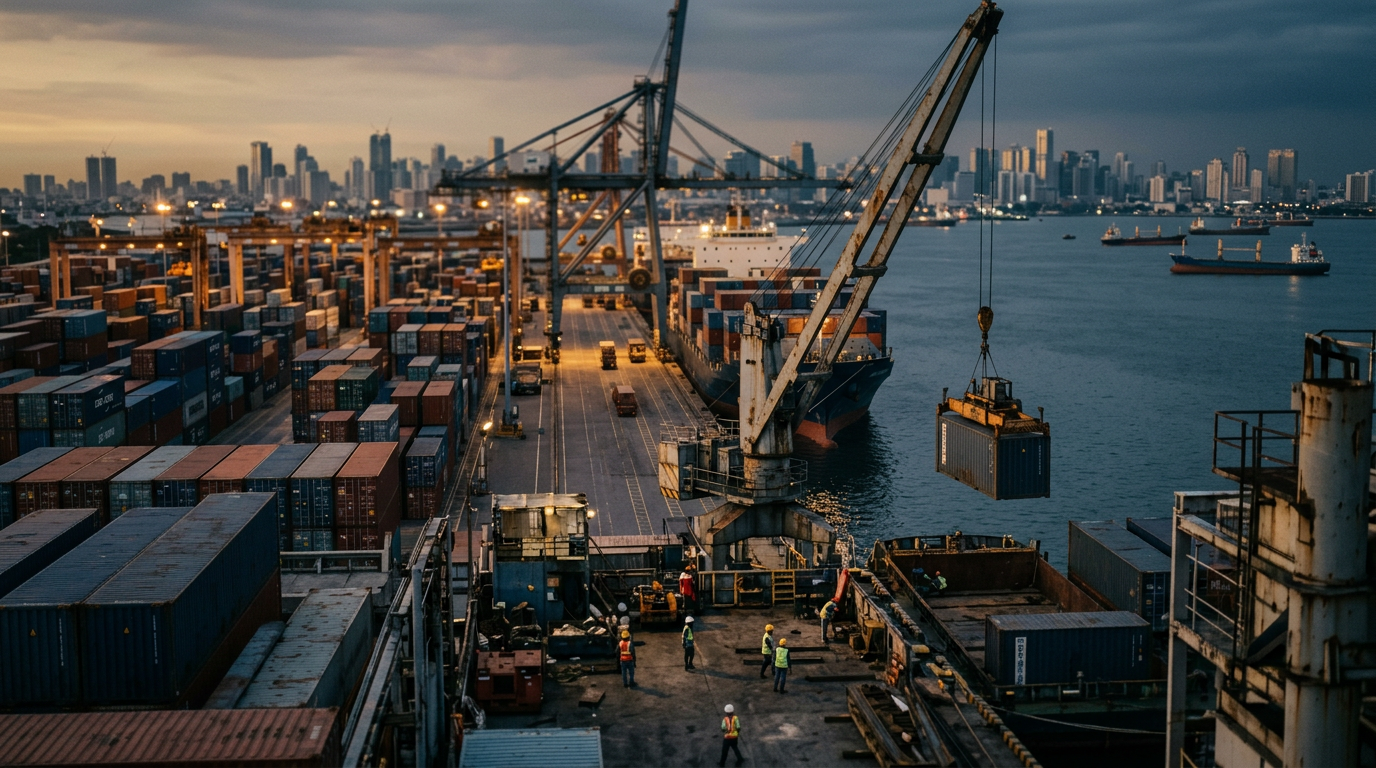
For the Philippines, as for its ASEAN neighbors, the economic relationship with China is substantial and has grown consistently over the past two decades. This integration is not merely a matter of convenience but a result of geographic proximity, complementary economic structures, and deliberate policy choices by governments across the region. The result is that China is now a primary trade partner for most ASEAN states, a top source of foreign investment, and a key player in infrastructure development through initiatives like the Belt and Road Initiative.
The challenge articulated in the news hook is not about ending this relationship, but about managing its inherent risks. The deep economic ties that bring prosperity also create dependencies. These dependencies can become vulnerabilities when geopolitical conditions shift, as they are currently. An over-reliance on any single economic partner can limit a nation's policy choices and expose its economy to external shocks, whether from trade disputes, political disagreements, or another country's domestic economic policies.
Managing Dependency
The core issue for the Philippines and other ASEAN countries is one of balancing economic benefits against strategic autonomy. As the book "ASEAN Rising" notes, "Trade depth with China is now a structural feature, not a cyclical one." This acknowledges that the extensive commercial ties are permanent fixtures of the regional economy. Therefore, the focus must shift from questioning the engagement itself to improving the management of it.
Effective management involves several components. First is the institutional framework. ASEAN as a bloc provides a platform for member states to coordinate their approaches to China, strengthening their collective bargaining position. Agreements like the Regional Comprehensive Economic Partnership (RCEP) help to embed the China relationship within a broader, rules-based multilateral structure, which can mitigate the risks of bilateral dependency. Second is the execution of national-level industrial policy. Governments must invest in domestic capabilities and infrastructure to ensure that their economies can absorb and benefit from Chinese capital and trade, rather than being overwhelmed by it. This includes fostering a skilled workforce and competitive local industries that can participate in regional supply chains on favorable terms.
Diversification as a Strategy
Diversification, as suggested for the Philippines, is a key strategy for managing dependency. This does not mean disengaging from China, but rather actively cultivating stronger economic ties with other major partners, such as Japan, South Korea, the European Union, India, and the United States. It also means strengthening intra-ASEAN trade and investment, creating a more resilient and balanced regional economy.
Capital and infrastructure are central to this effort. Attracting a diverse range of foreign direct investment requires a stable and transparent regulatory environment. For infrastructure, it means ensuring that projects are financially viable and serve the host country's long-term interests, regardless of the funding source. By building a broader base of economic partners, ASEAN nations can reduce their vulnerability to pressure from any single direction and maintain their strategic "optionality" - the ability to make independent policy choices.
What to watch: Observers should monitor the specific policies that the Philippine government and its ASEAN counterparts enact to diversify their trade and investment partners. Pay attention to the progress of intra-ASEAN economic integration projects and the bloc's ability to maintain a unified stance in its external economic relations, particularly in forums like the East Asia Summit and within the RCEP framework. The balance between bilateral gains with China and collective regional resilience will be a defining feature of ASEAN's path forward.