
ASEAN Analysis & Commentary
Every analysis published on ASEAN Rising is sourced, datestamped and signed. We're more interested in being right in 12 months than first in 12 minutes.
Foundation pieces
Start here. The three pieces below set out the lens ASEAN Rising uses to read every story.
ASEAN Rising's core lens. Execution Economics is the study of whether countries, companies and institutions can convert obvious potential into delivered outcomes - and which six pillars decide the answer.
The region has capital, demographics, location and policy ambition. None of that has ever been the binding constraint. The next decade is an execution test, not a potential test - and it is already being scored.
Malaysia is the test case for whether ASEAN's middle powers can turn FDI, semiconductors and data centres into compounding domestic capability. Read the live coverage and execution scorecard.
Analysis tagged #energy
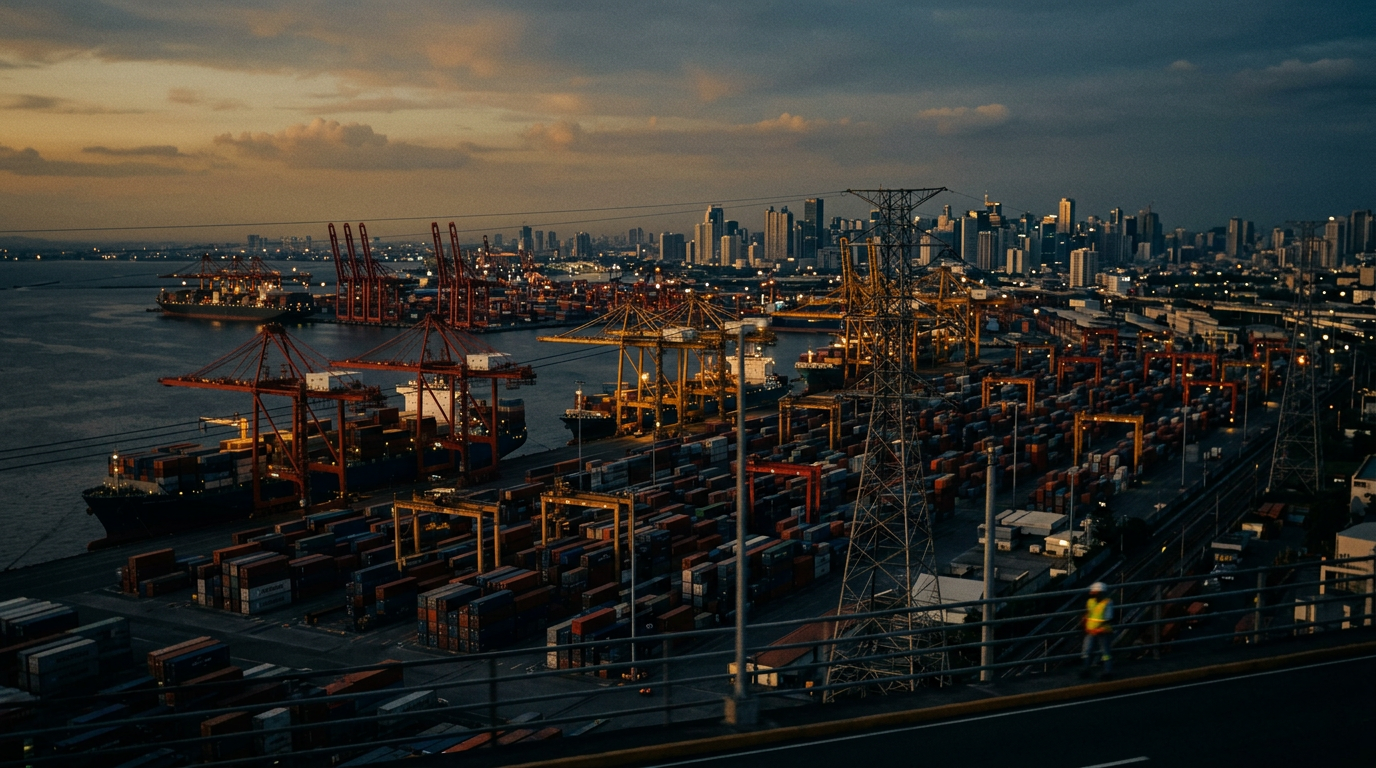
 Philippines
ASEAN Energy Ministers Meet to Discuss Regional Grid and China's Role
This week's 44th ASEAN Energy Ministers Meeting in Manila will have China's role in the regional energy grid on its agenda, either formally or informally. For ASEAN governments, the question is how to manage this dependency without losing strategic options.
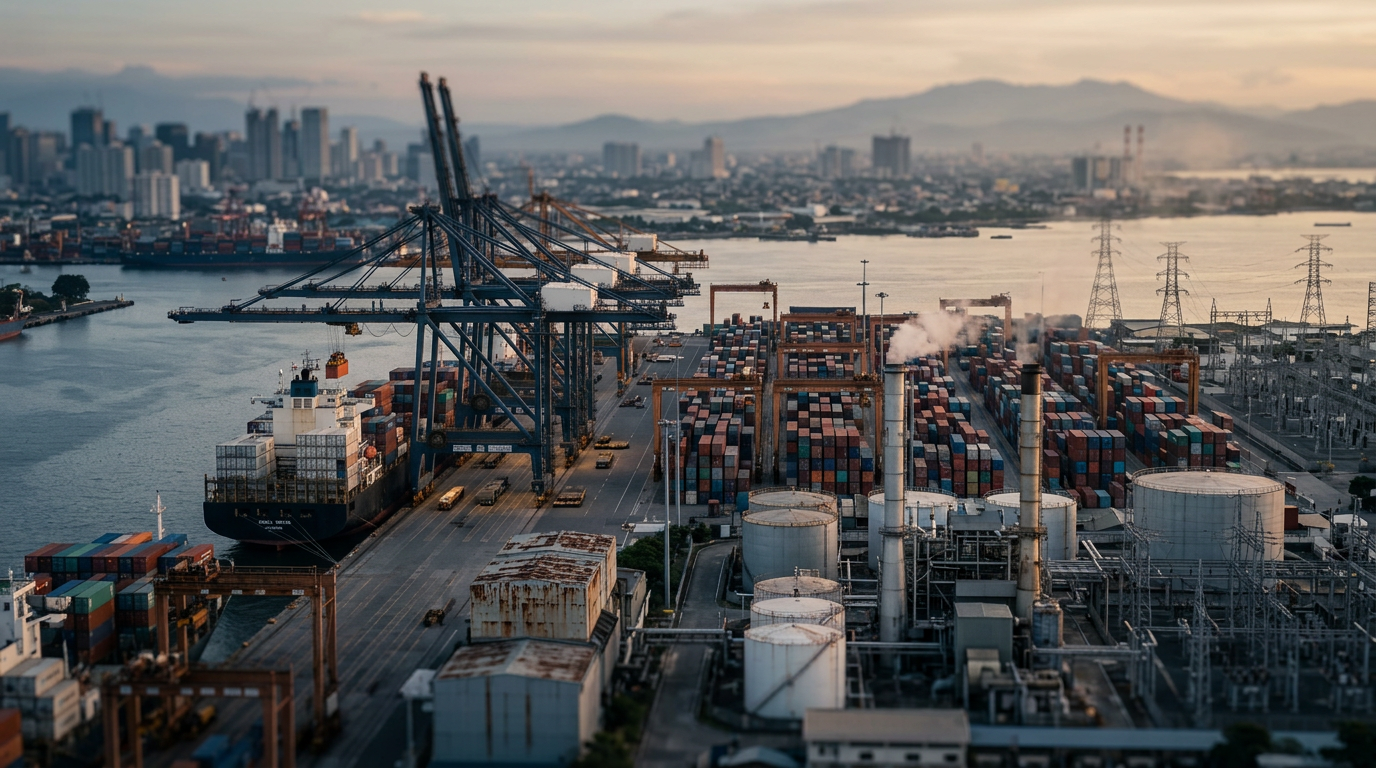 Philippines
ASEAN Energy Ministers to Tackle China Trade, Dependency
The 44th ASEAN Energy Ministers Meeting in Manila will again test the bloc's ability to manage its deep, structural trade dependency on China. Can ASEAN states cooperate to secure their interests, or will they compete for national advantage?
 Philippines
ASEAN's Energy Transition and the China Question
The 44th ASEAN Energy Ministers Meeting in Manila will test the bloc's ability to coordinate on energy security while managing its deep trade and investment dependency on China, a central theme in regional institution building.
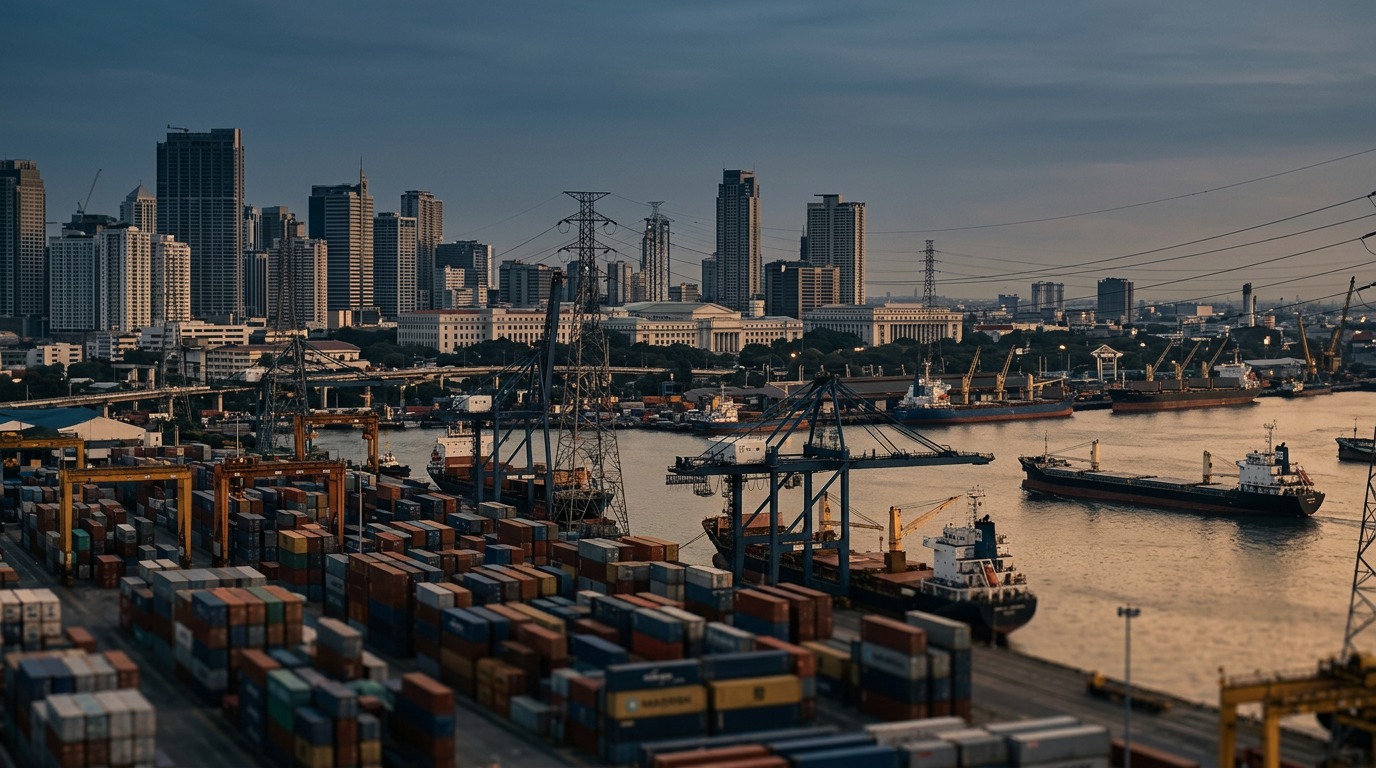 Philippines
ASEAN Energy Ministers Meet in Manila Amid Shifting Trade Winds
Energy security and economic dependency are on the agenda as ASEAN energy ministers convene in Manila, reflecting a structural shift in regional trade dynamics.
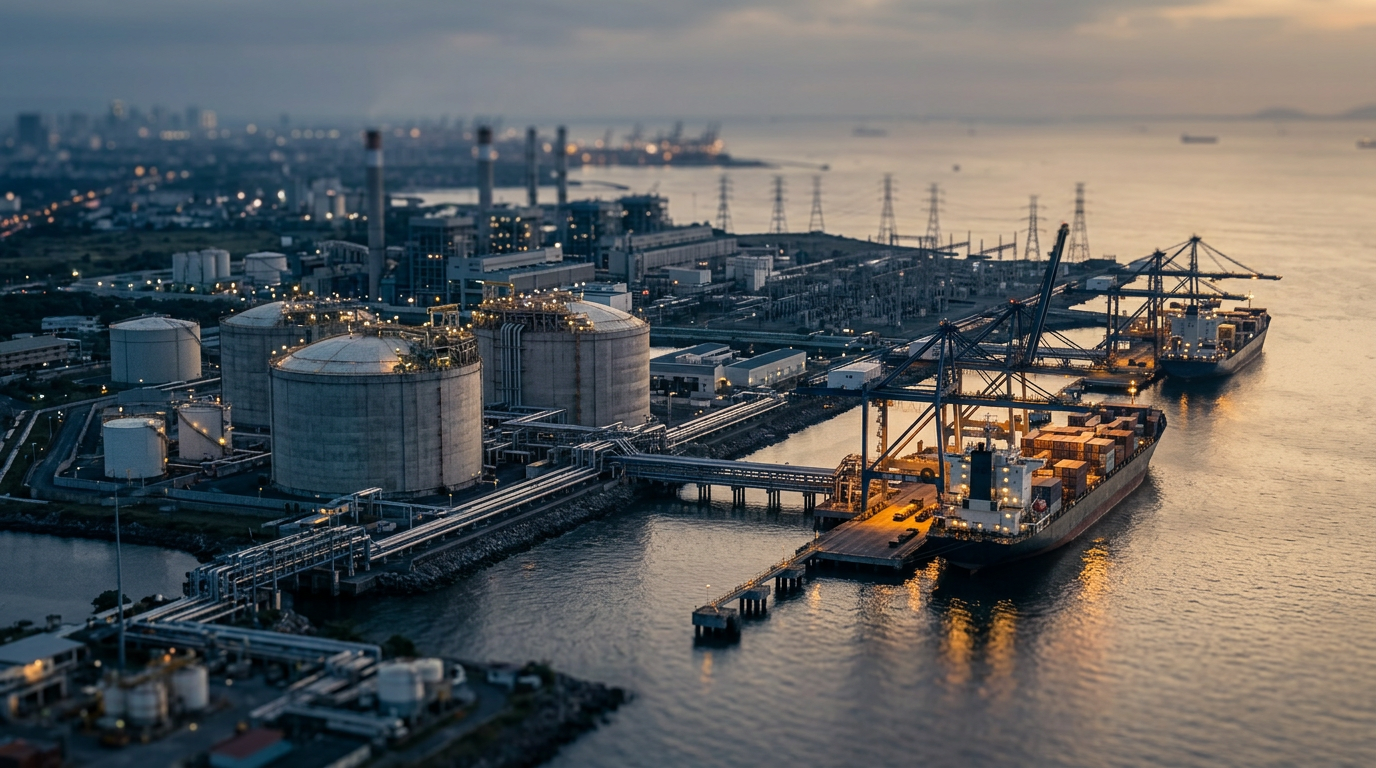 Philippines
ASEAN Energy Security and the China Question
The ASEAN Energy Ministers' meeting in Manila puts the focus on regional energy security. This brings to the front the deep trade and investment relationship between ASEAN and China, particularly in the energy sector, and the strategic need for ASEAN to manage this dependency.
 Philippines
ASEAN Energy Ministers Meet with an Eye on China
The 44th ASEAN Energy Ministers Meeting in Manila will test the bloc's ability to balance deep energy trade with China against the need for strategic autonomy and a secure, diversified energy grid.
 Philippines
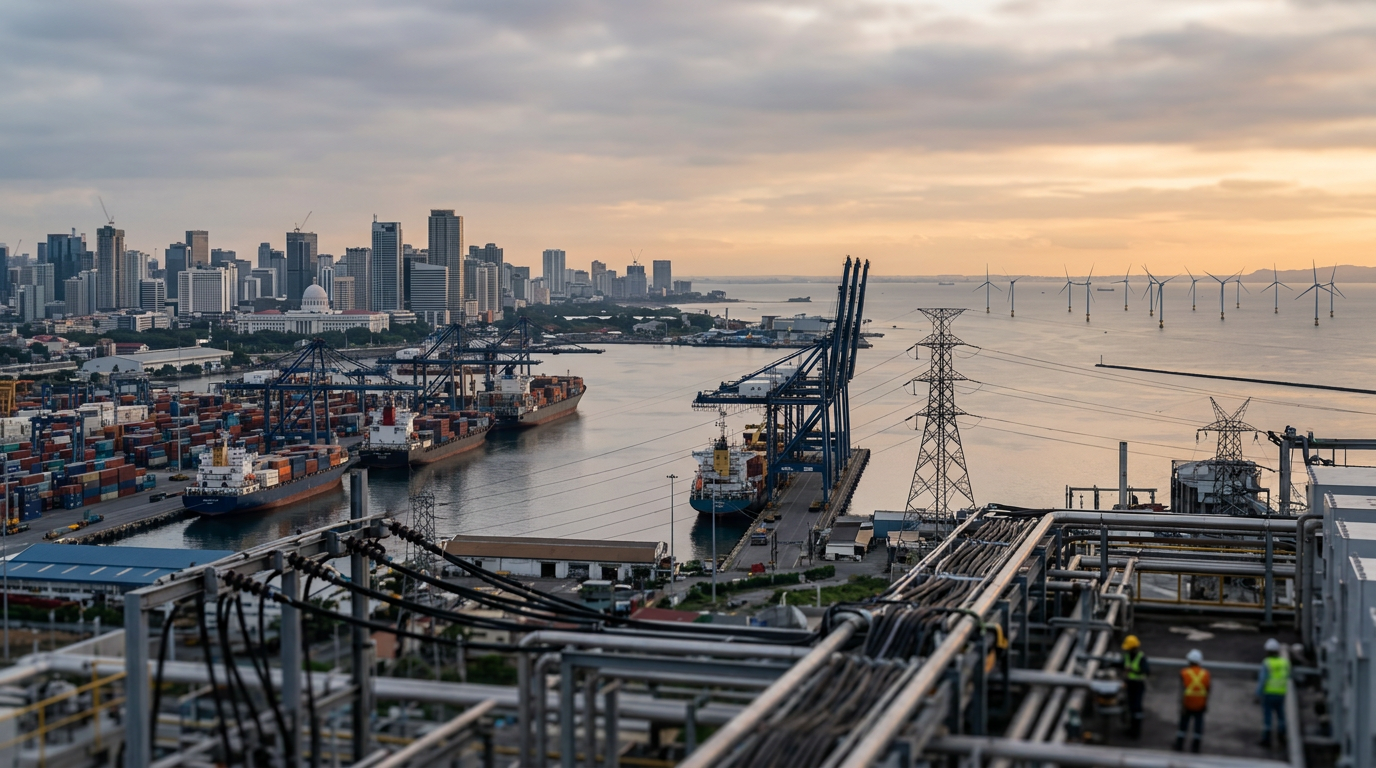
ASEAN Energy Ministers Meet in Manila to Address Grid and Governance
The 44th ASEAN Energy Ministers meeting in Manila confronts the dual challenge of harmonizing the region's power grid while managing its deep trade and investment dependency on China in the renewables sector.
 Philippines
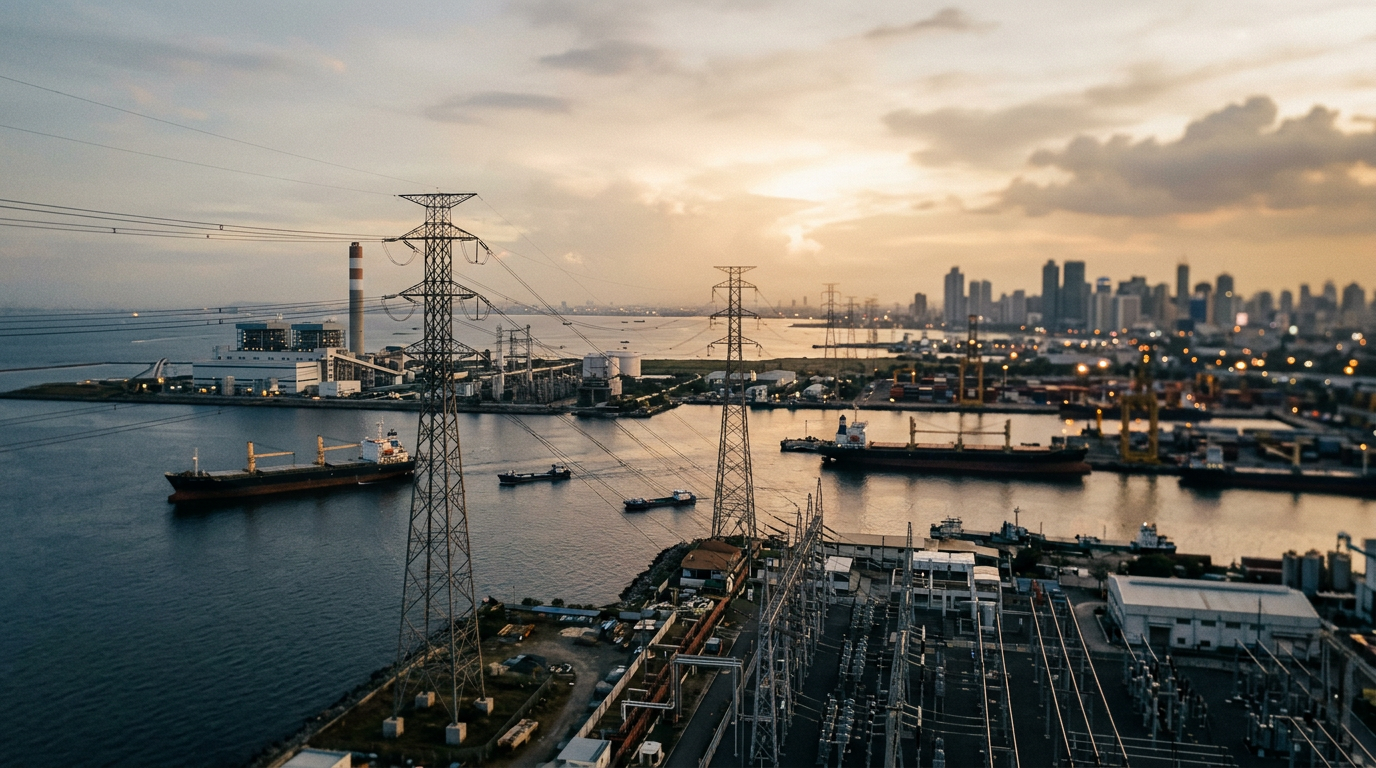
ASEAN Energy Grid Gains Traction. Is China the Default Partner?
The 44th ASEAN Energy Ministers meeting in Manila advances plans for an integrated regional power grid, but China's deep involvement in regional infrastructure raises questions about dependency.
 Thailand
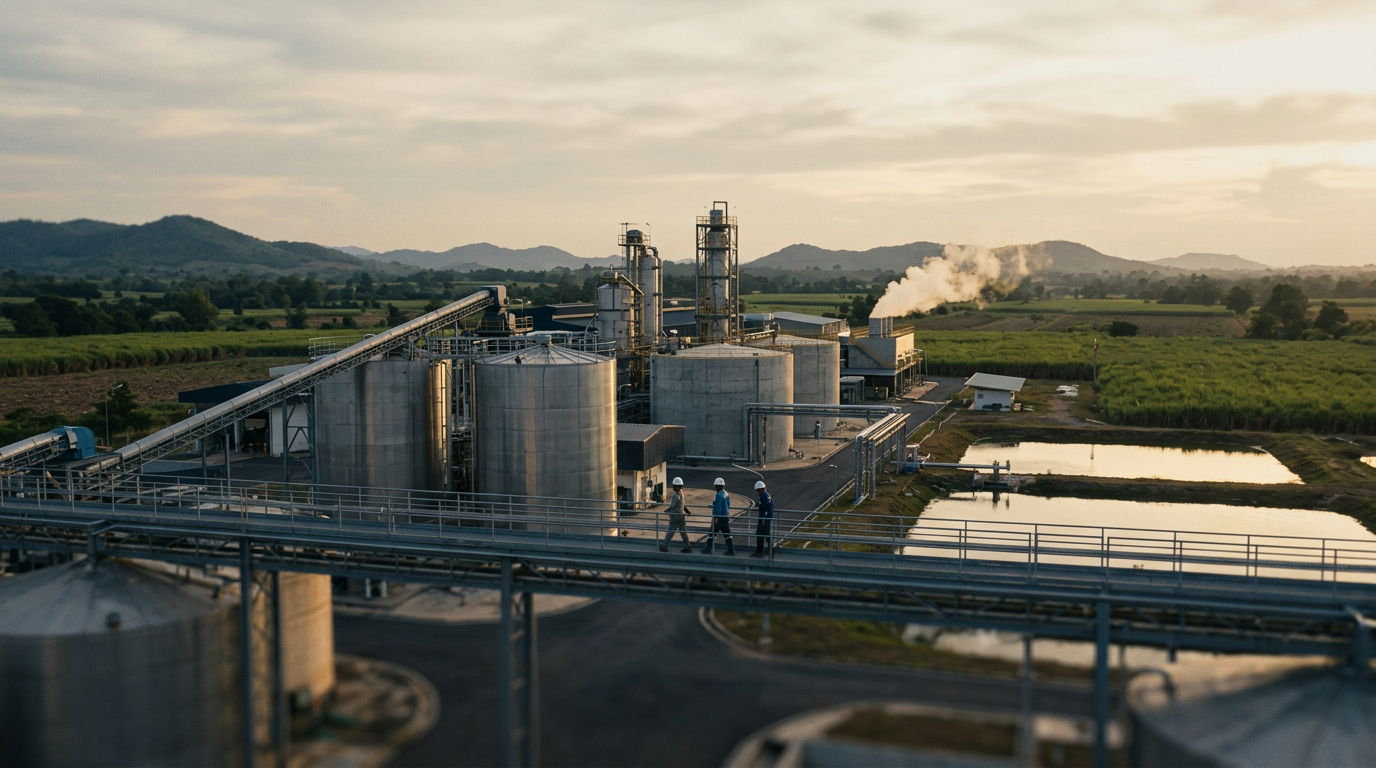
 Bets on Bioenergy to Bolster Energy Security
Thailand plans to elevate bioenergy in its new Power Development Plan, but turning strategy into reality will depend on institutional capacity and execution.
 Thailand
 Prizes Point to a Deeper Institutional Story
Chevron's recent innovation awards in Thailand are a useful reminder that institutional reliability is a core component of comparative advantage in Southeast Asia.
 Thailand
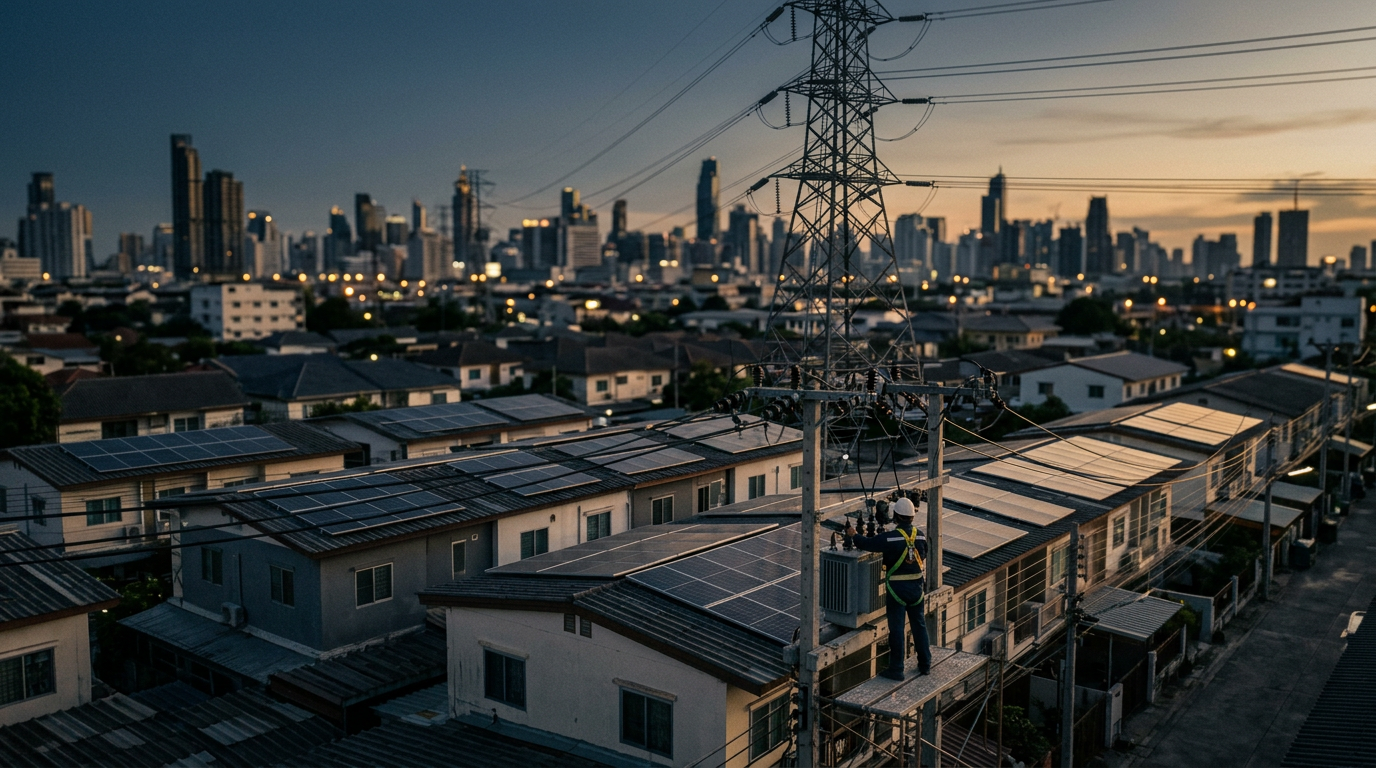
 Bets on Household Solar to Boost Grid
Thailand's plan to fund household solar is a test of its state capacity. Delivering the promised infrastructure on time will be a strong signal of institutional reliability.
 Singapore
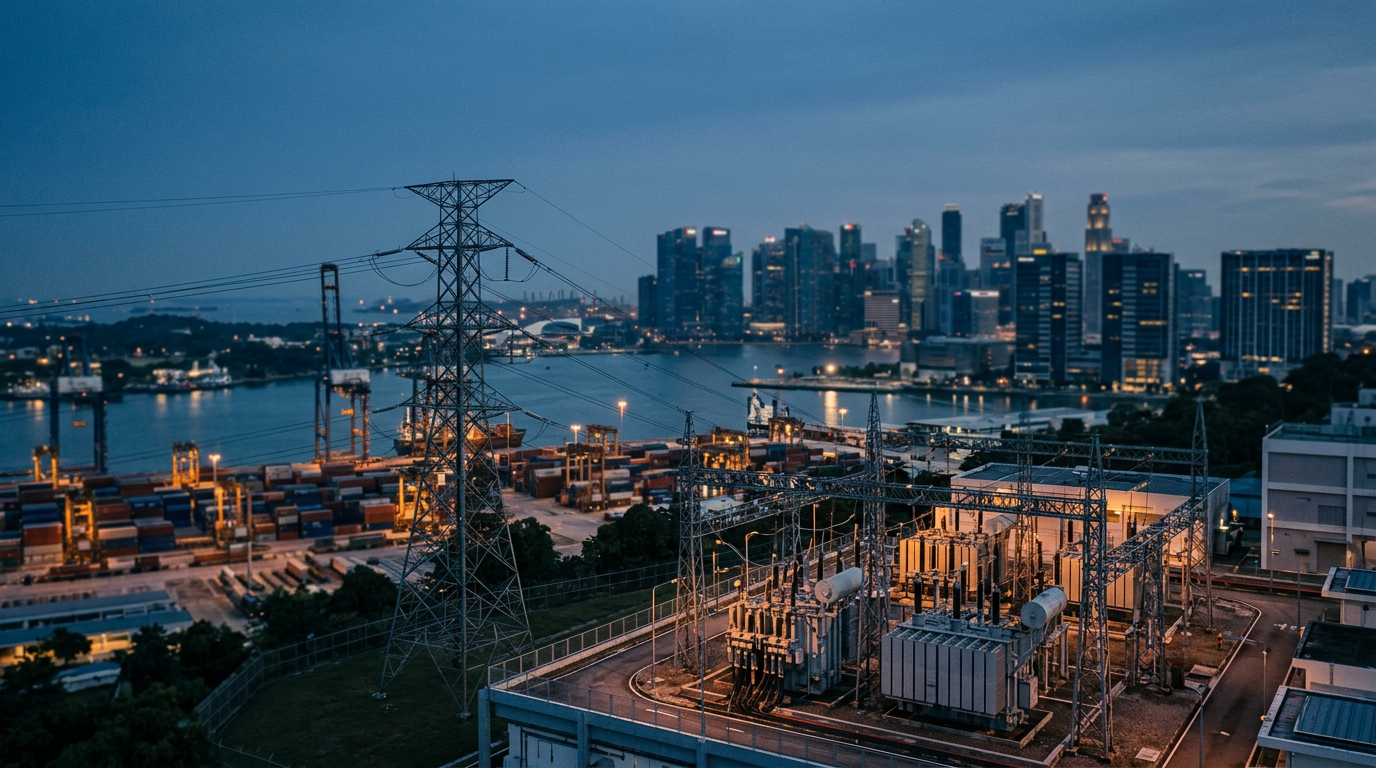
The ASEAN Power Grid Needs More Than Announcements
The new Singapore-World Bank partnership to make the ASEAN Power Grid investable is a positive step, but turning ambition into reality requires a focus on institutional reliability and execution.
 Thailand
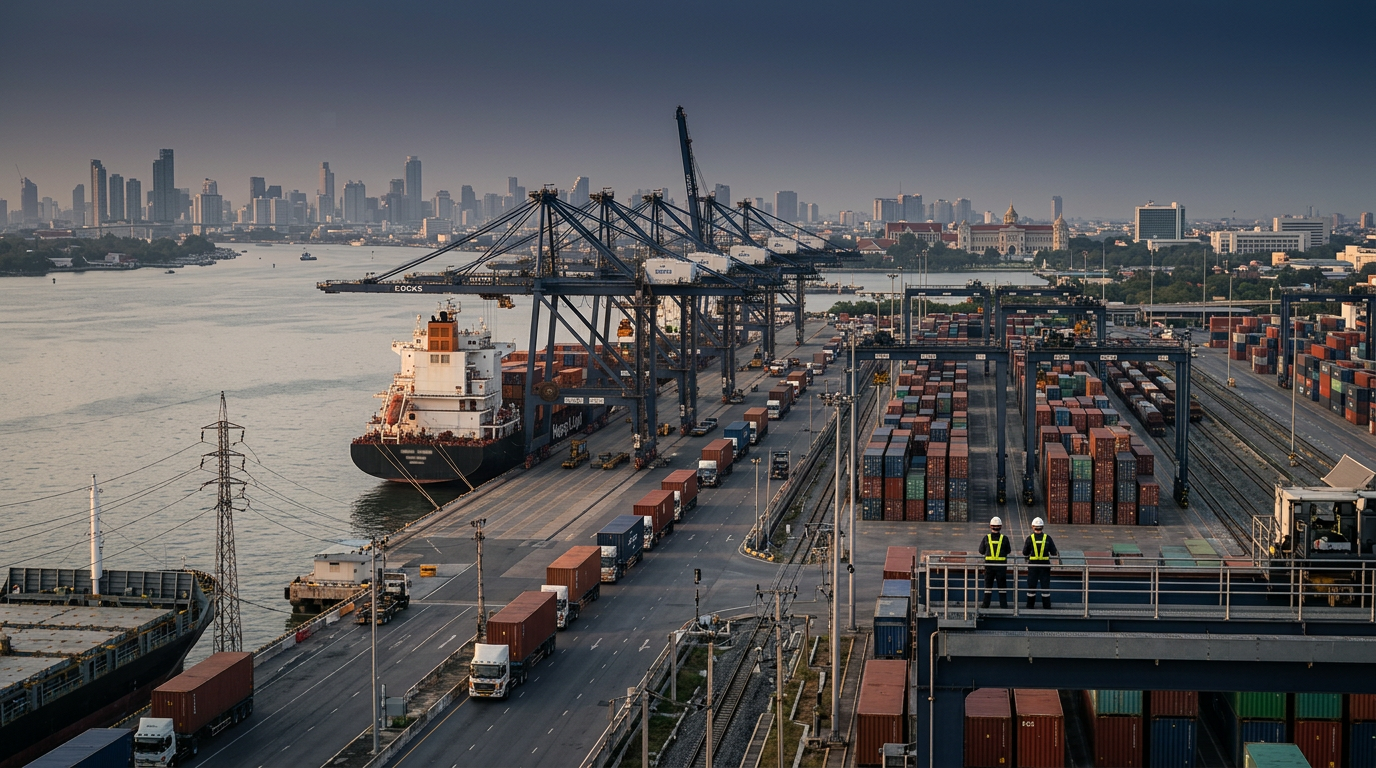
Reliable institutions and state capacity
 Thailand
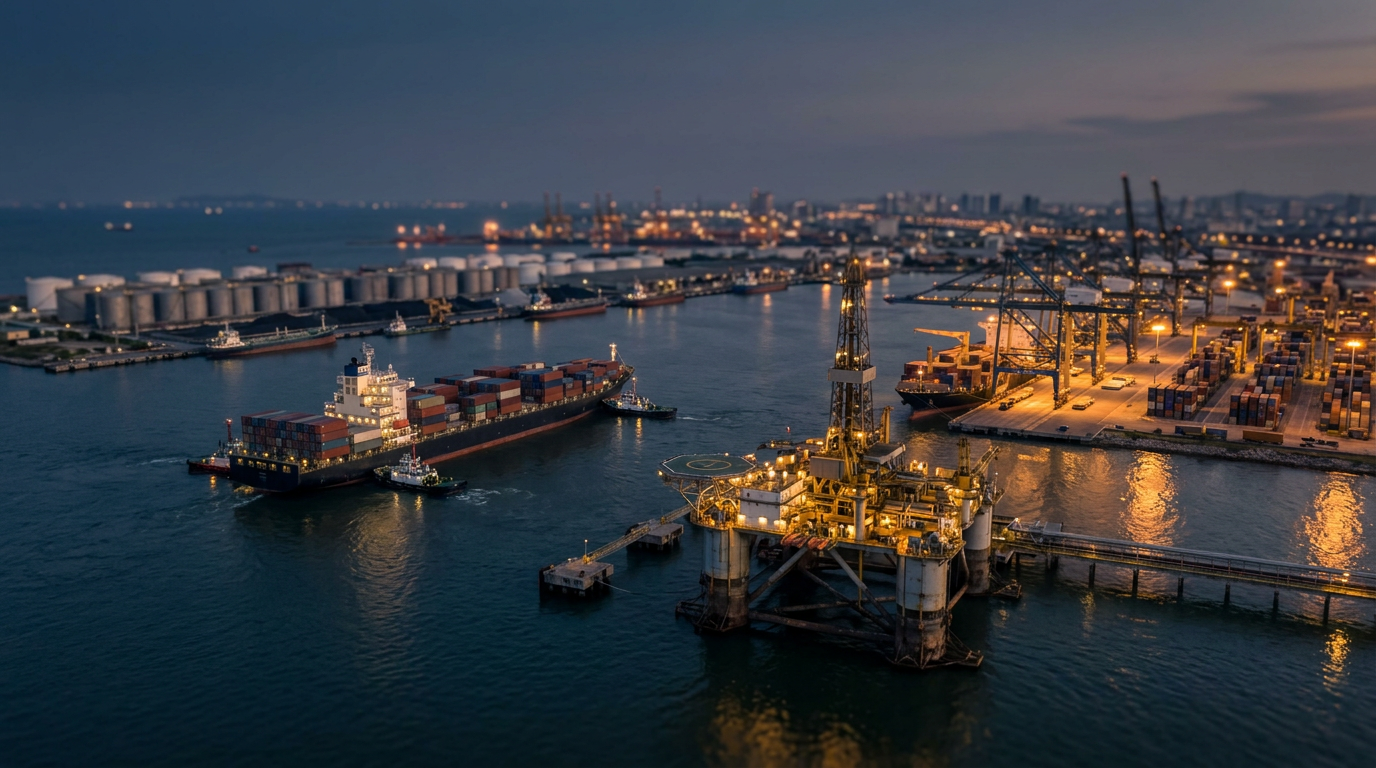
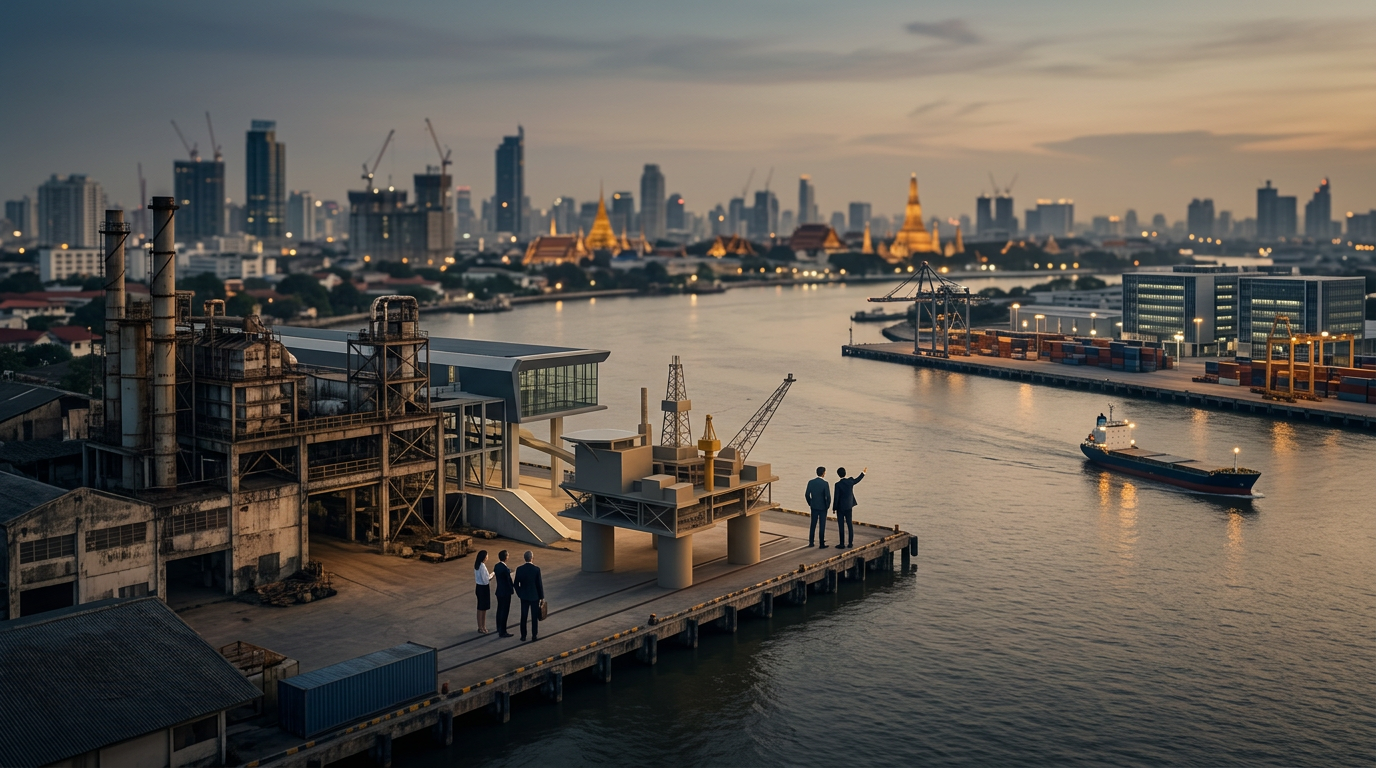
 Prizes Competence Over Novelty
An award for reusing an oil platform illustrates a deeper point: Boring but reliable execution is becoming a core component of comparative advantage in Southeast Asia.
 Thailand
's infrastructure reuse is a sign of institutional strength
Thailand's reuse of oil and gas platforms points to a growing sophistication in its industrial base. This is a sign of institutional reliability, which has become a source of comparative advantage in Southeast Asia.
 Thailand
 Rethinks State Capacity
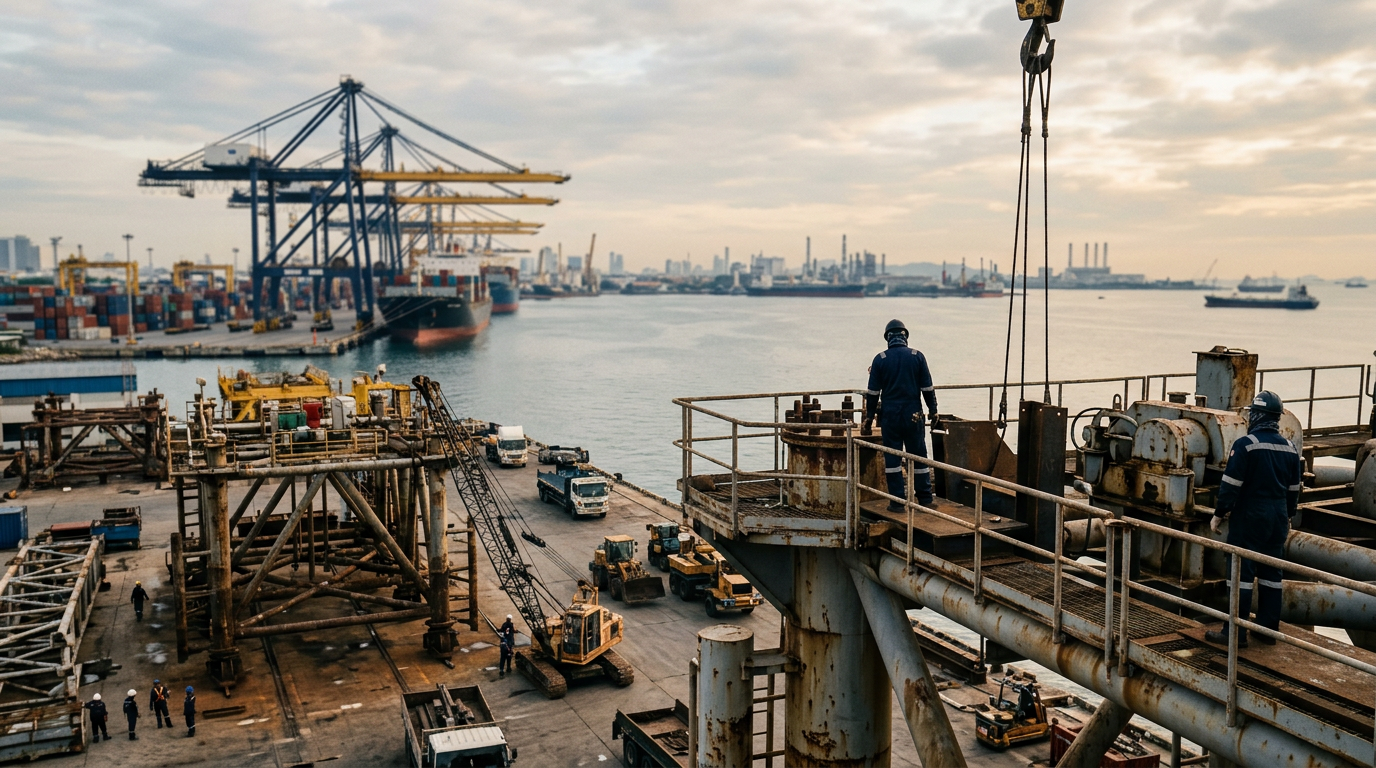
Chevron's award for reusing an oil platform is more than an engineering prize. It is a glimpse of an ASEAN where "institutional reliability has become part of comparative advantage."
 Thailand
Chevron Thailand's award-winning wellhead platform reuse project is a small but telling indicator of the institutional capacity that separates advanced and developing economies.
 Thailand
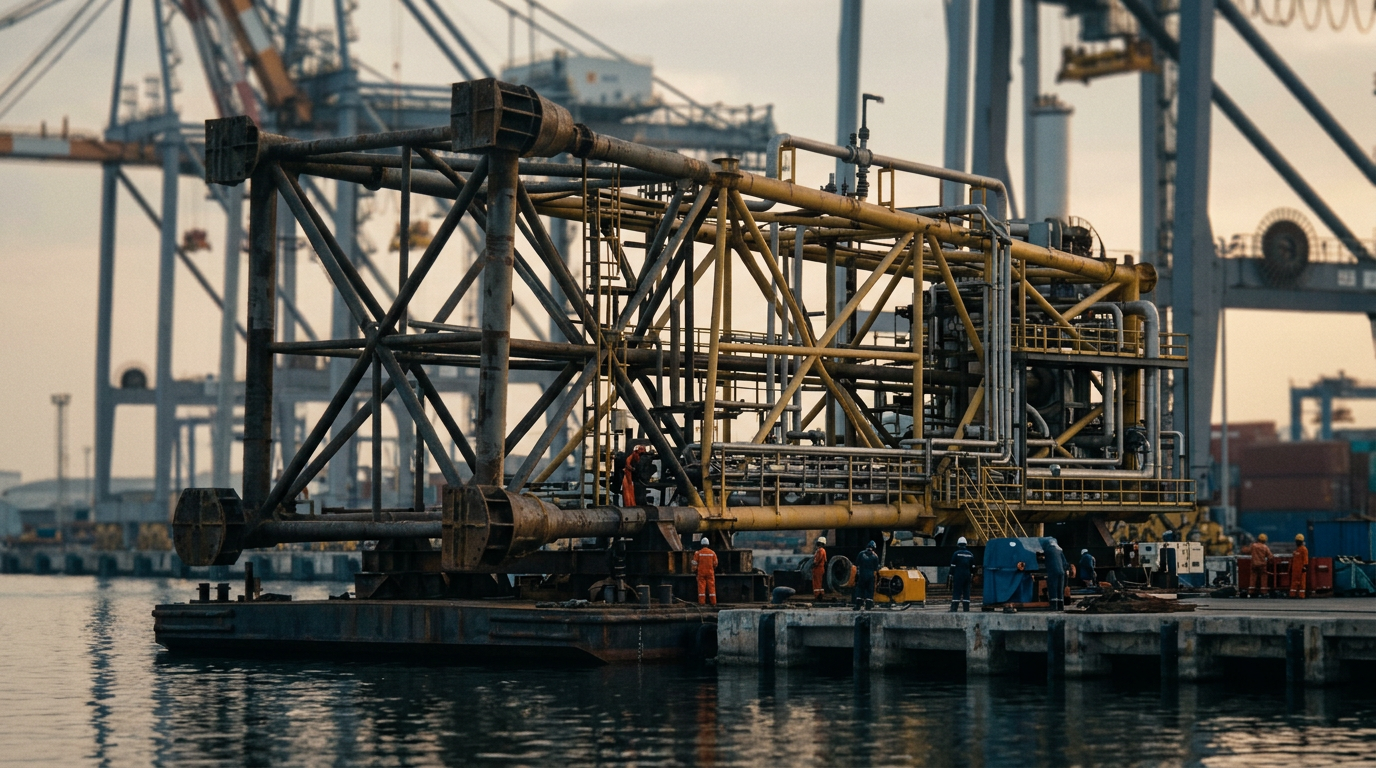
 Turns to Infrastructure Reuse, Signaling a Shift in Industrial Strategy
Chevron's recent award for its 'Total Wellhead Platform Reuse project' in Thailand is more than an engineering achievement. It points to a broader shift in how industrial infrastructure is perceived, from one-off capital expenditures to long-term, reusable assets.
 Thailand
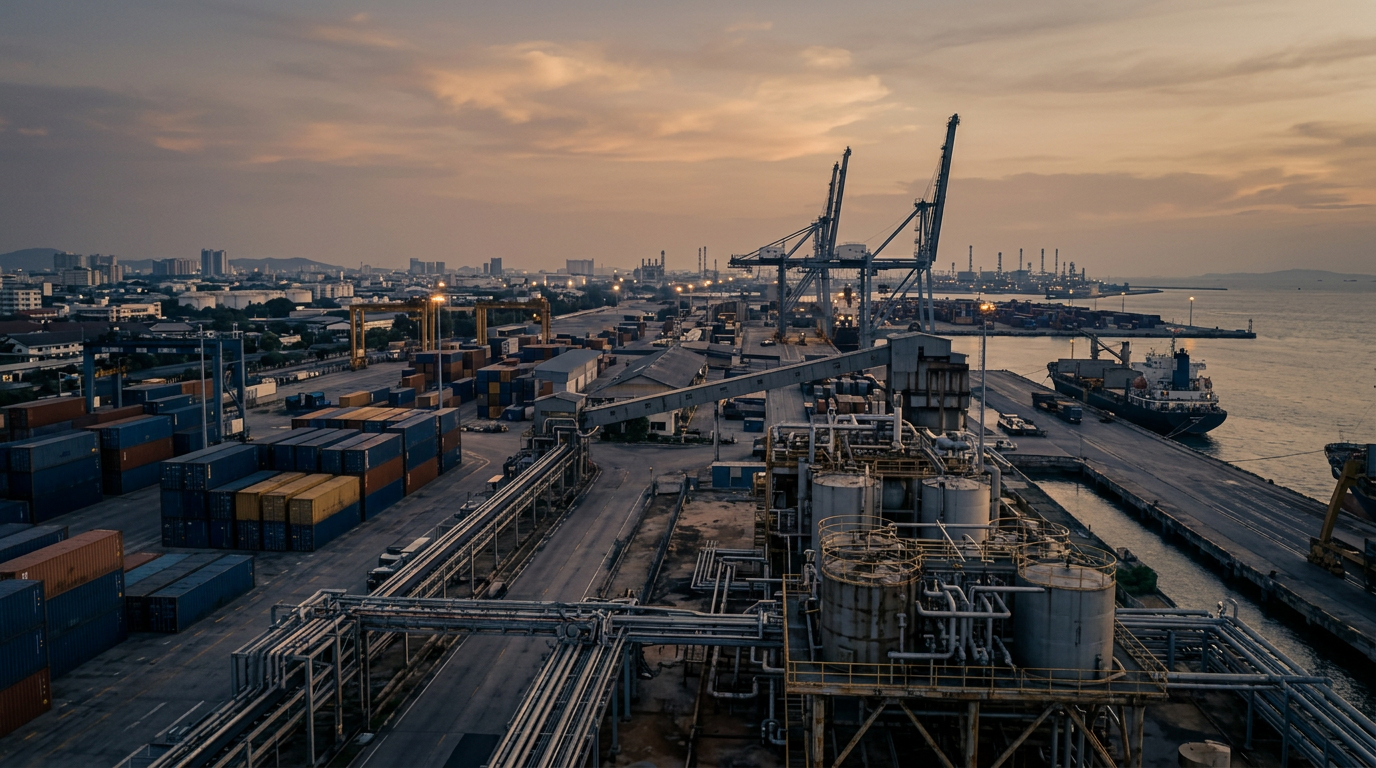
Reliability as a Resource: Chevron's Thailand Platform Reuse
Chevron's award-winning platform reuse project in Thailand shows how usable infrastructure creates more value than announced infrastructure.
 Thailand
 Prizes Signal a New Infrastructure Focus
An award for Chevron's platform reuse project in Thailand is a small but telling indicator of a broader shift in ASEAN infrastructure strategy. The new emphasis is on upgrading existing assets and improving institutional processes, not just announcing new megaprojects.
 Philippines
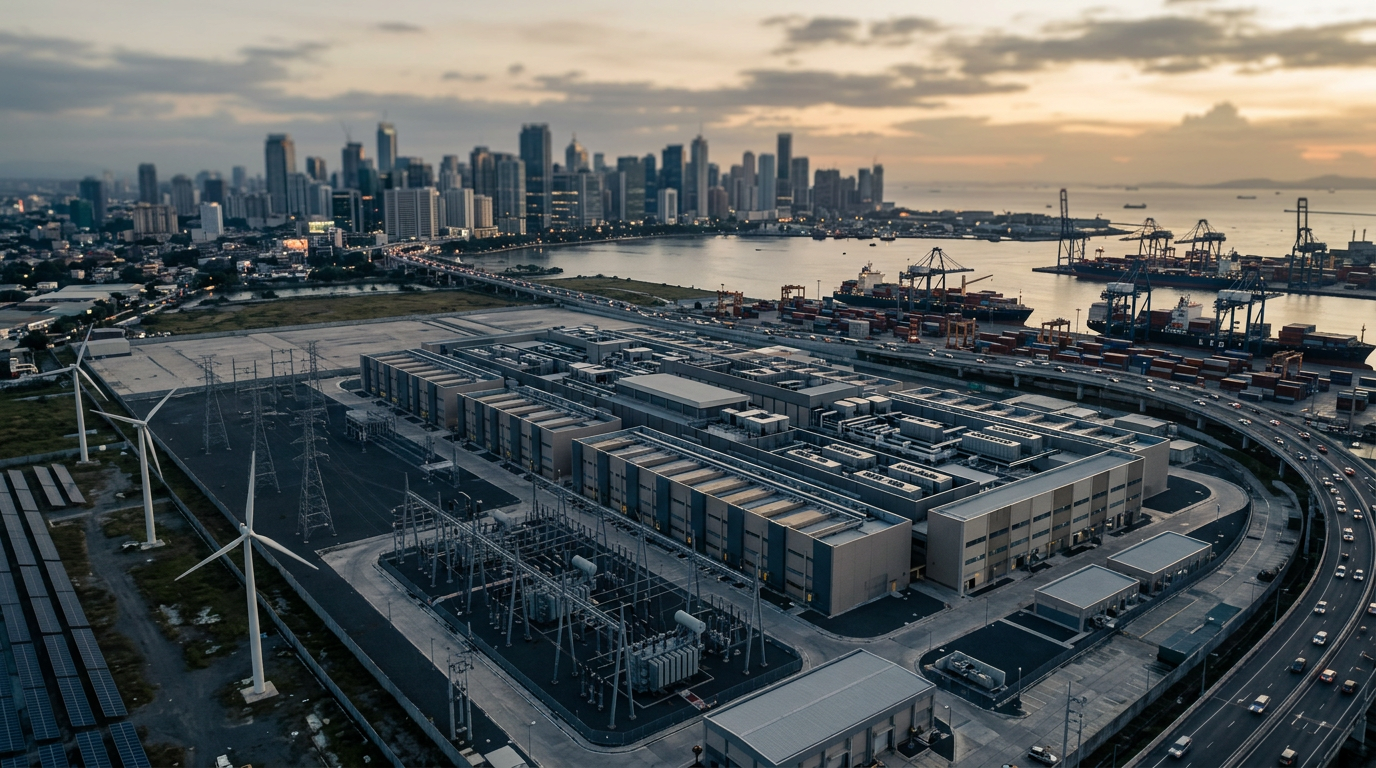
 Data Center Ambitions Require Coordinated Capital
The partnership between Meralco PowerGen and VITRO REIT to develop renewable energy-powered data centers in the Philippines is a positive step. However, sustained success in the hyperscale data center market requires more than just clean power; it demands a holistic approach to.
 Singapore
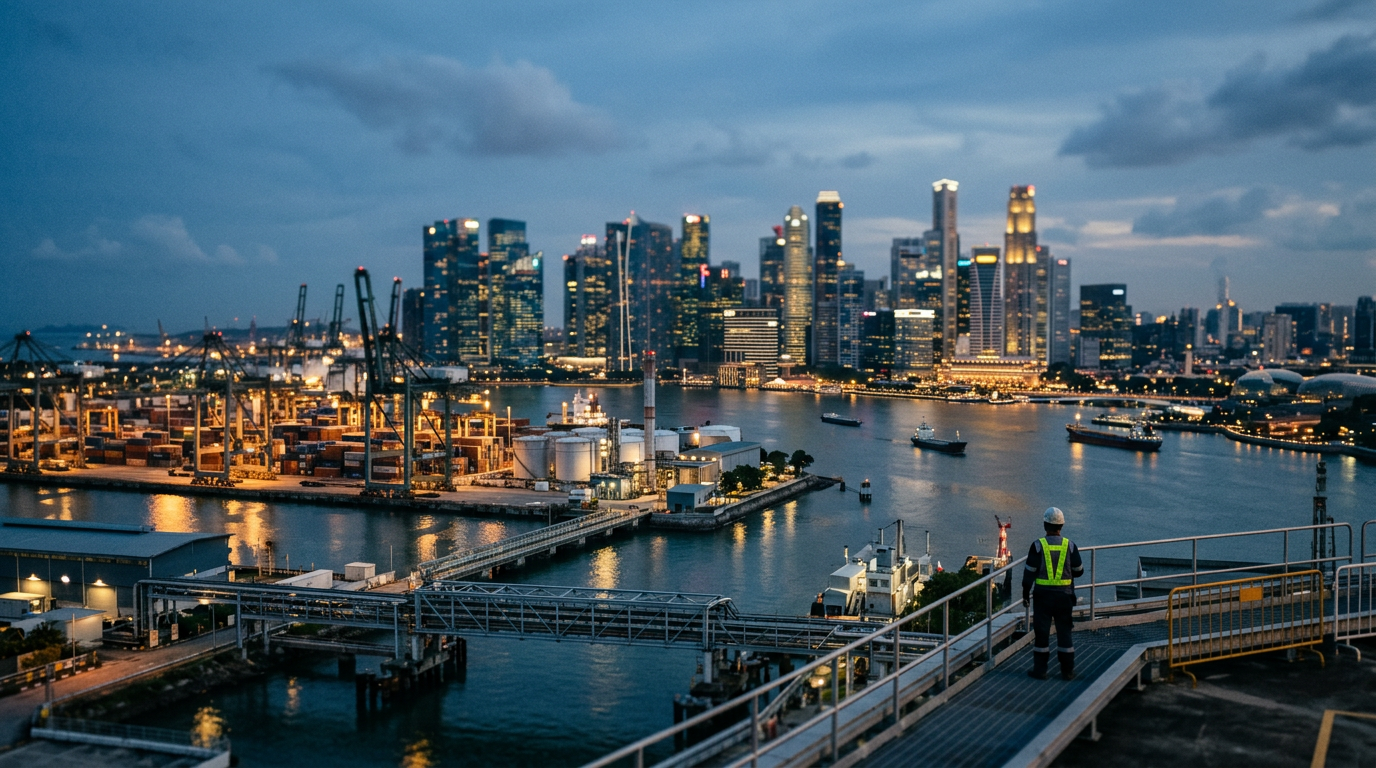
's Power Market Delivers a Lesson in Stability
The recent volatility in global energy markets has shown how Singapore's market structure and institutional capacity give it a competitive edge.
 Philippines
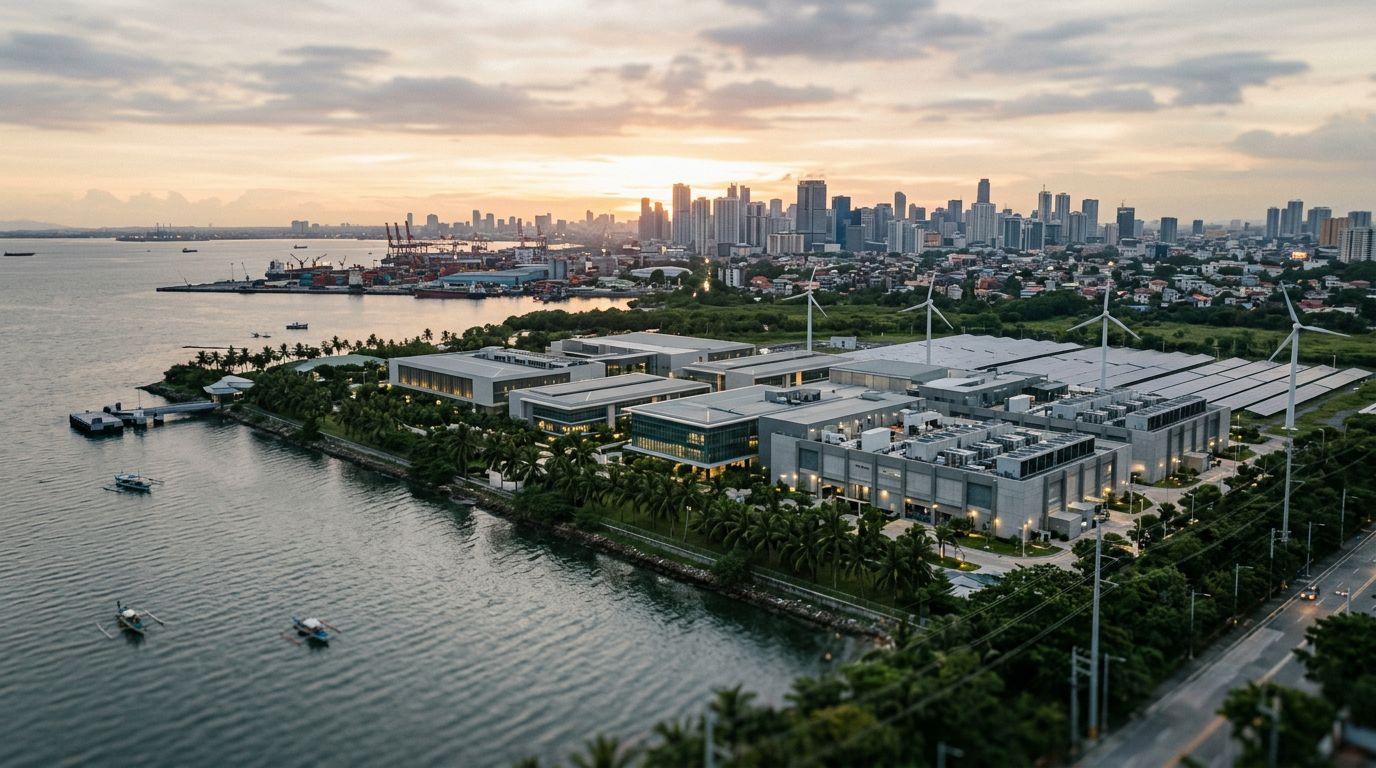
The Philippines Pursues Hyperscale with Green Energy
A new venture aims to power data centers with renewable energy, but attracting hyperscale investment requires more than just clean power.
 Singapore
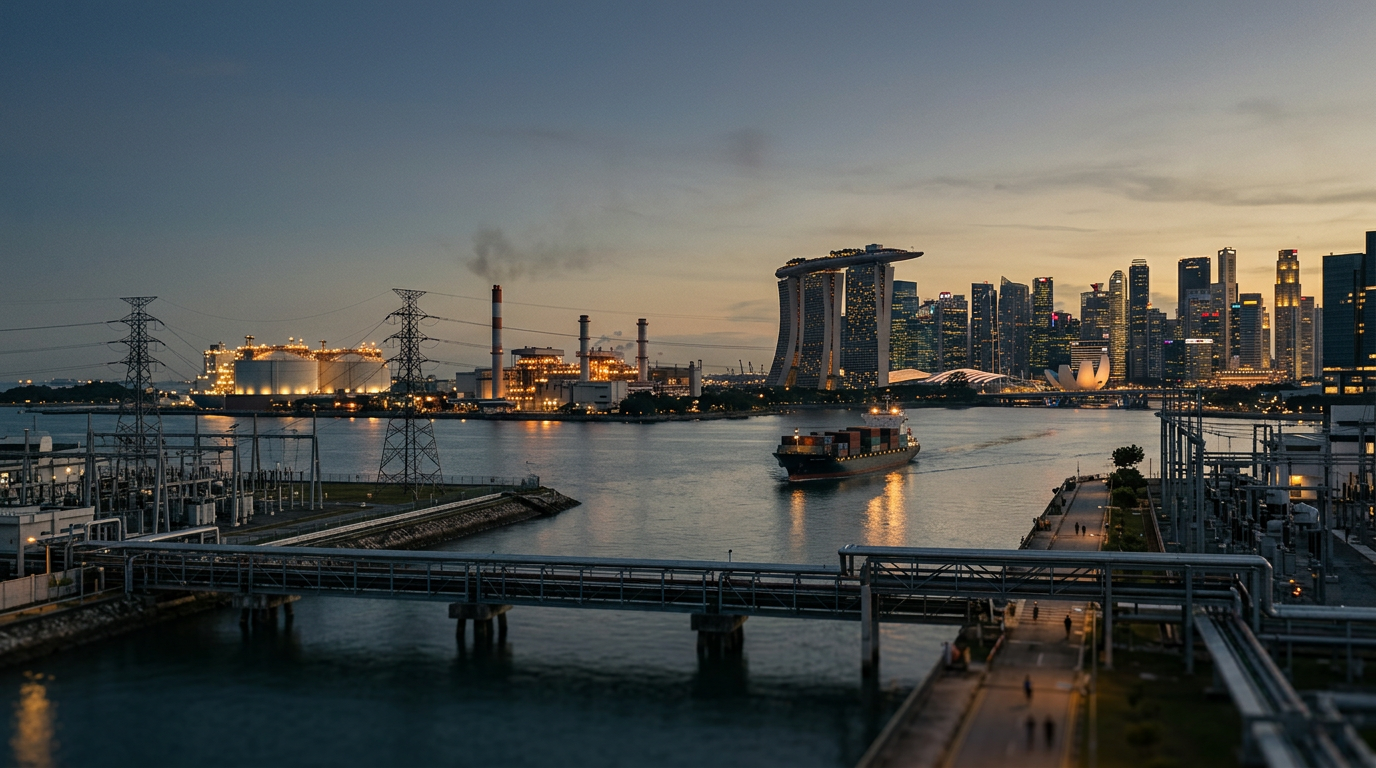
's Power Market Delivers a Lesson in Institutional Reliability
Recent volatility in global energy markets has seen Singaporean households seek out fixed-price electricity plans. This is a sign of a mature market, where reliable institutions offer consumers choice and certainty even in turbulent times.
 Singapore
State Capacity is a Utility
A state that can deliver essential services on time and on budget has a powerful advantage in a world of volatile energy prices and geopolitical risk.
 Philippines
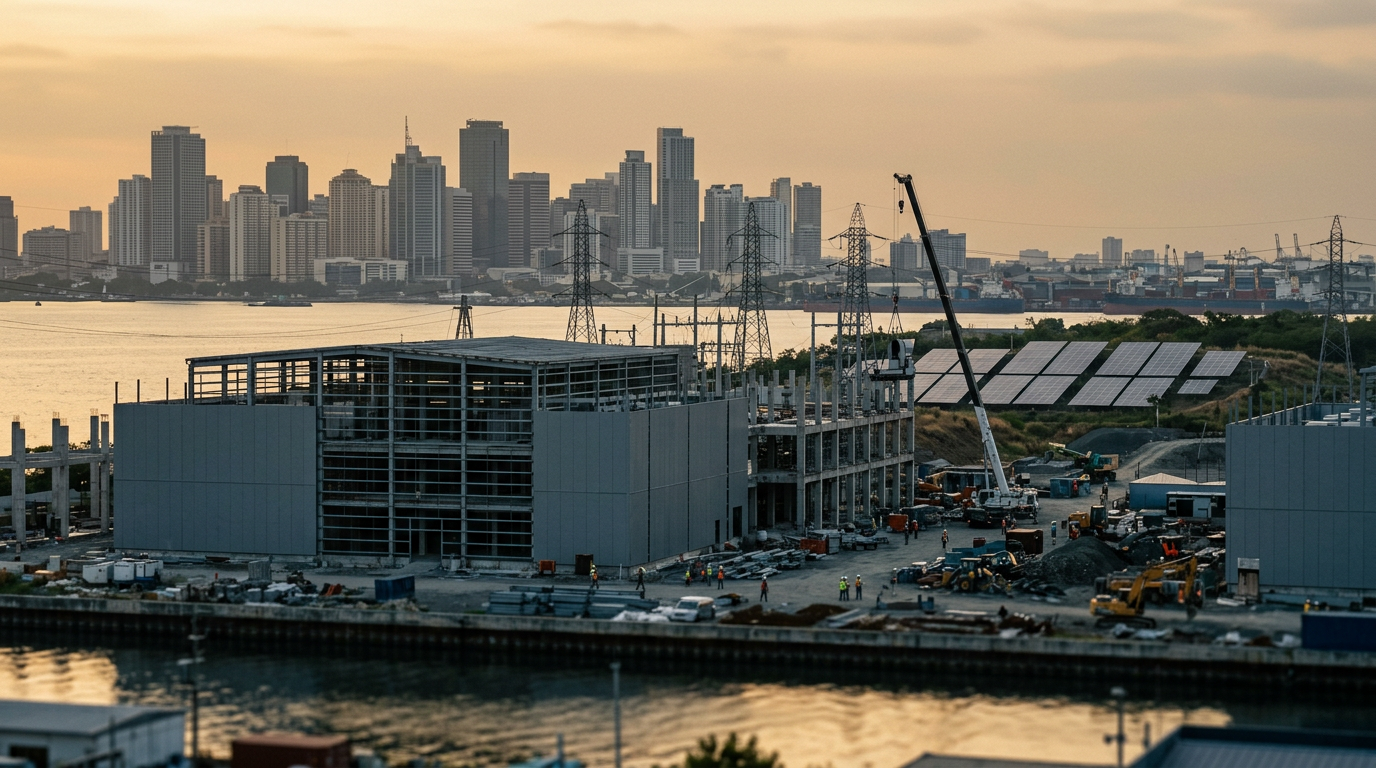
The Philippines' Data Center Land Grab Needs More Than Just Power
A new venture between Meralco and PLDT aims to power data centers with renewable energy. The project's success will depend on a level of capital coordination that goes well beyond electricity.
 Singapore
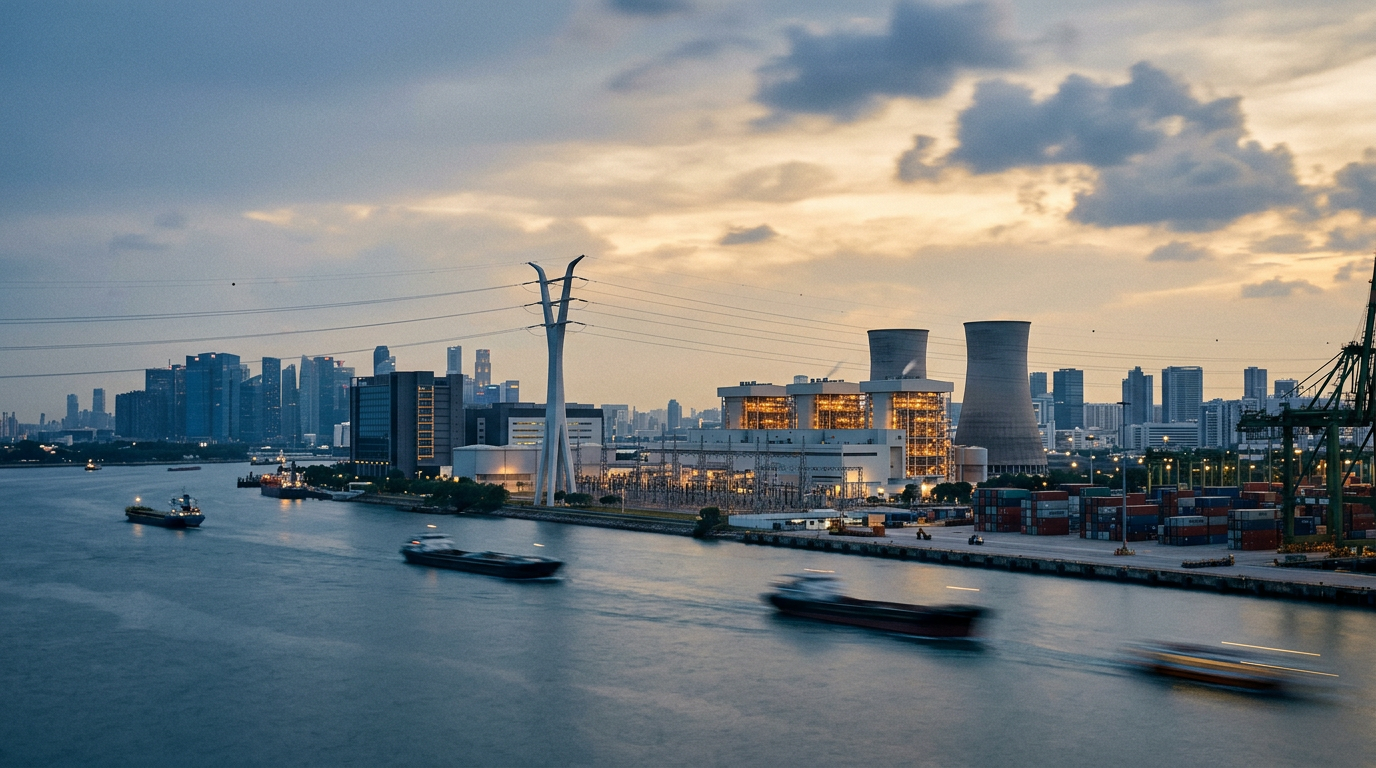
's Power Market Delivers Stability Amid Volatility
Singapore's liberalized electricity market is providing consumers with choice and some insulation from global energy shocks. This highlights the benefits of strong regulatory institutions and a focus on execution, a core theme of ASEAN's development.
 Malaysia
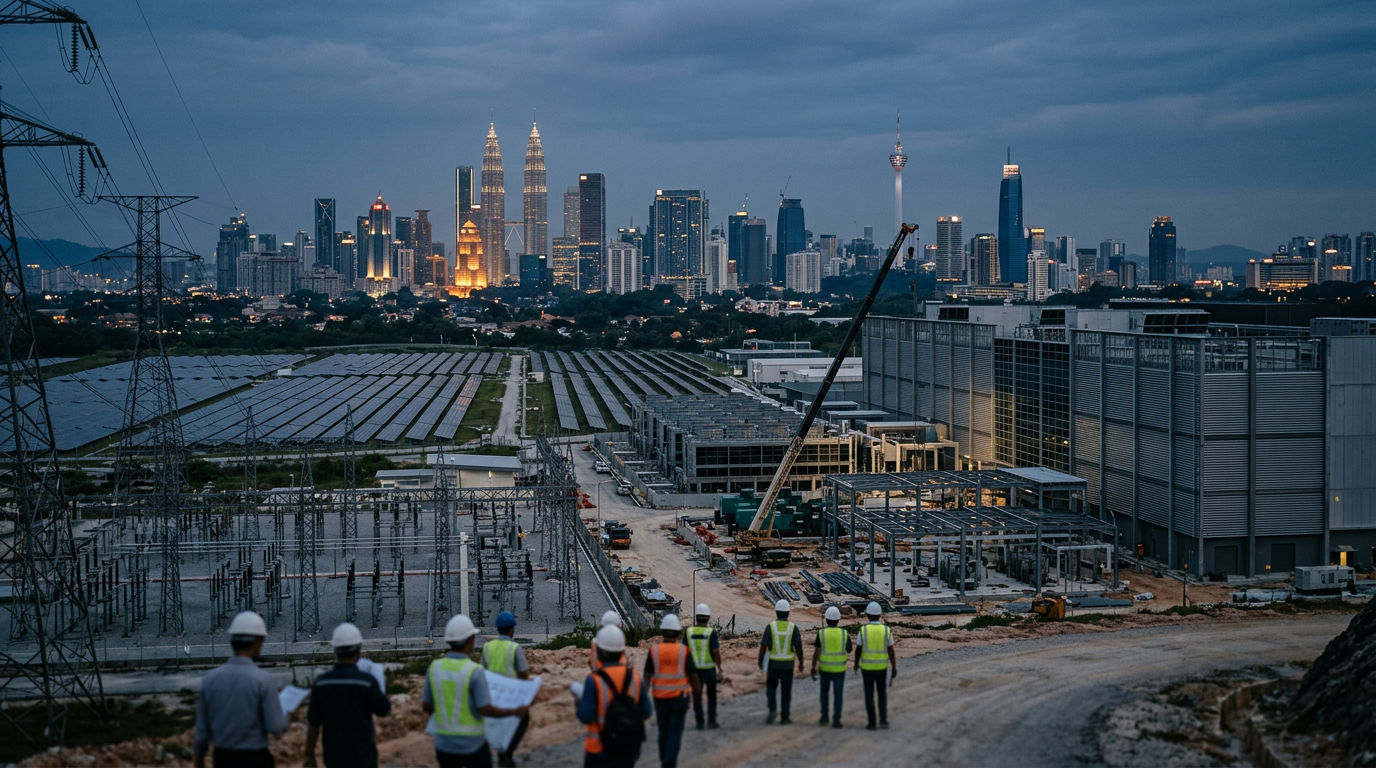
The Philippines' Data Center Ambition Hinges on Coordinated Power
A new venture aims to power data centers with renewable energy, but success will require more than just clean electricity. It demands the kind of deep capital and infrastructure coordination that has propelled regional leaders.
 Malaysia
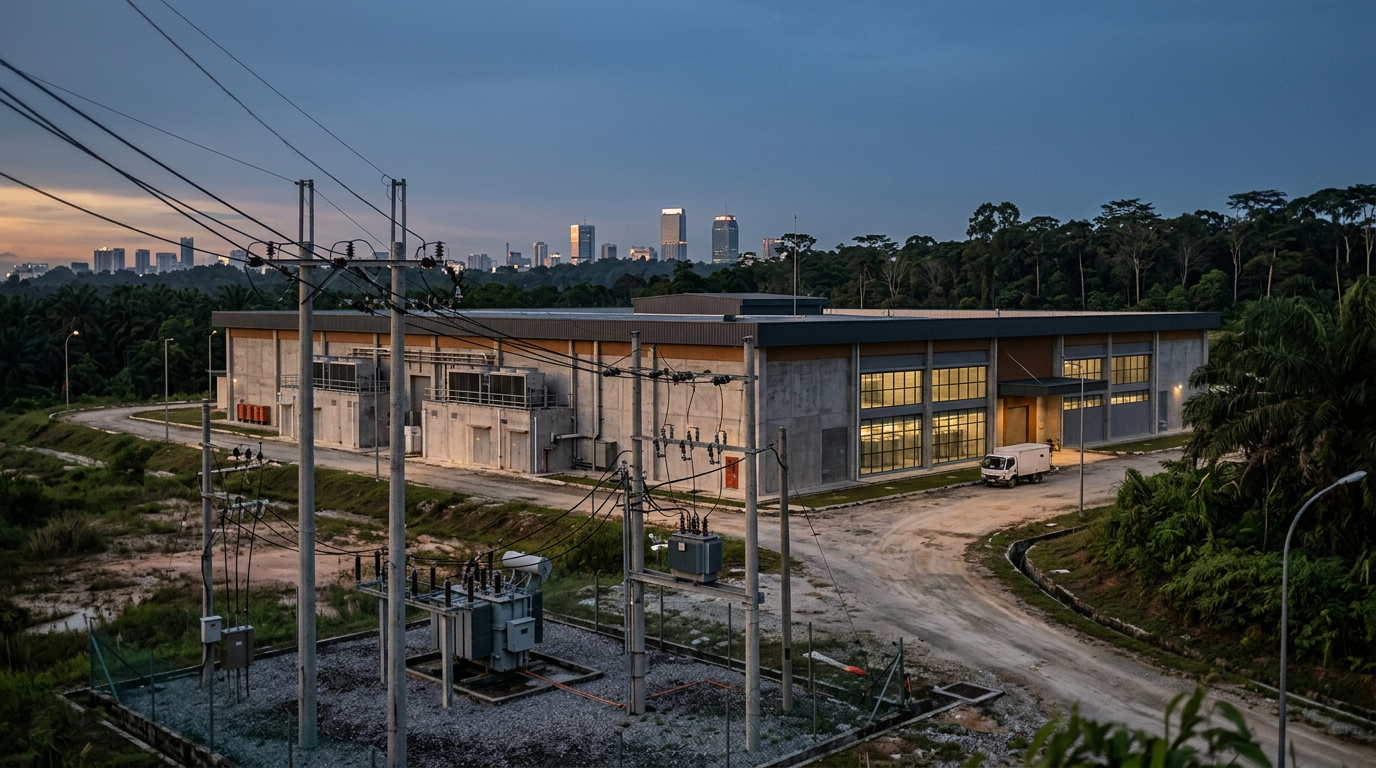
's Data Center Ambitions Test Its Power Grid
A new partnership between Meralco PowerGen and VITRO REIT to build renewable energy-powered data centers in Malaysia highlights the country's growing pains. While attracting hyperscale investment is a goal, the strain on the national power grid reveals the necessity of.
 Malaysia
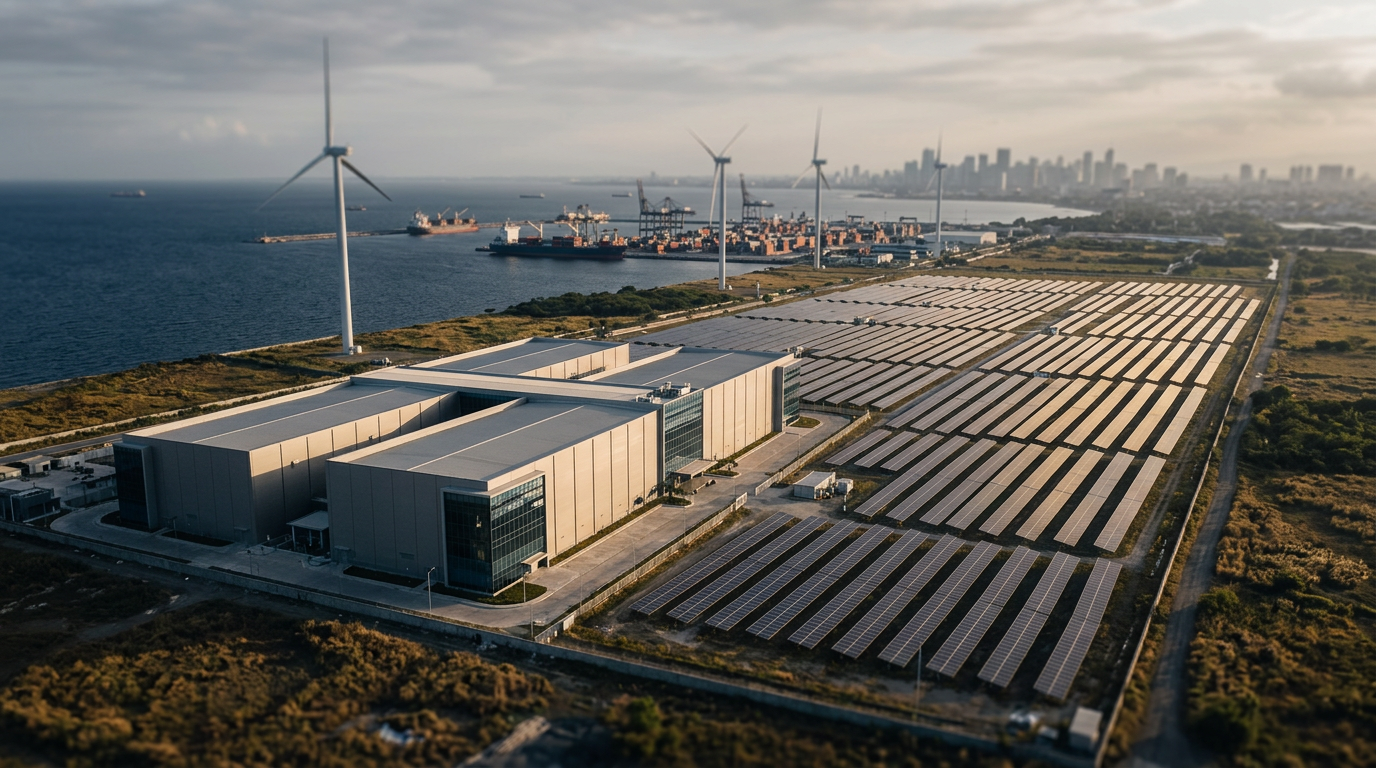
The Philippines Pursues Hyperscale with Green Energy
A new venture in the Philippines aims to pair renewable energy with data centers, a test of the country's ability to coordinate capital and infrastructure to attract hyperscale investment.
 Malaysia
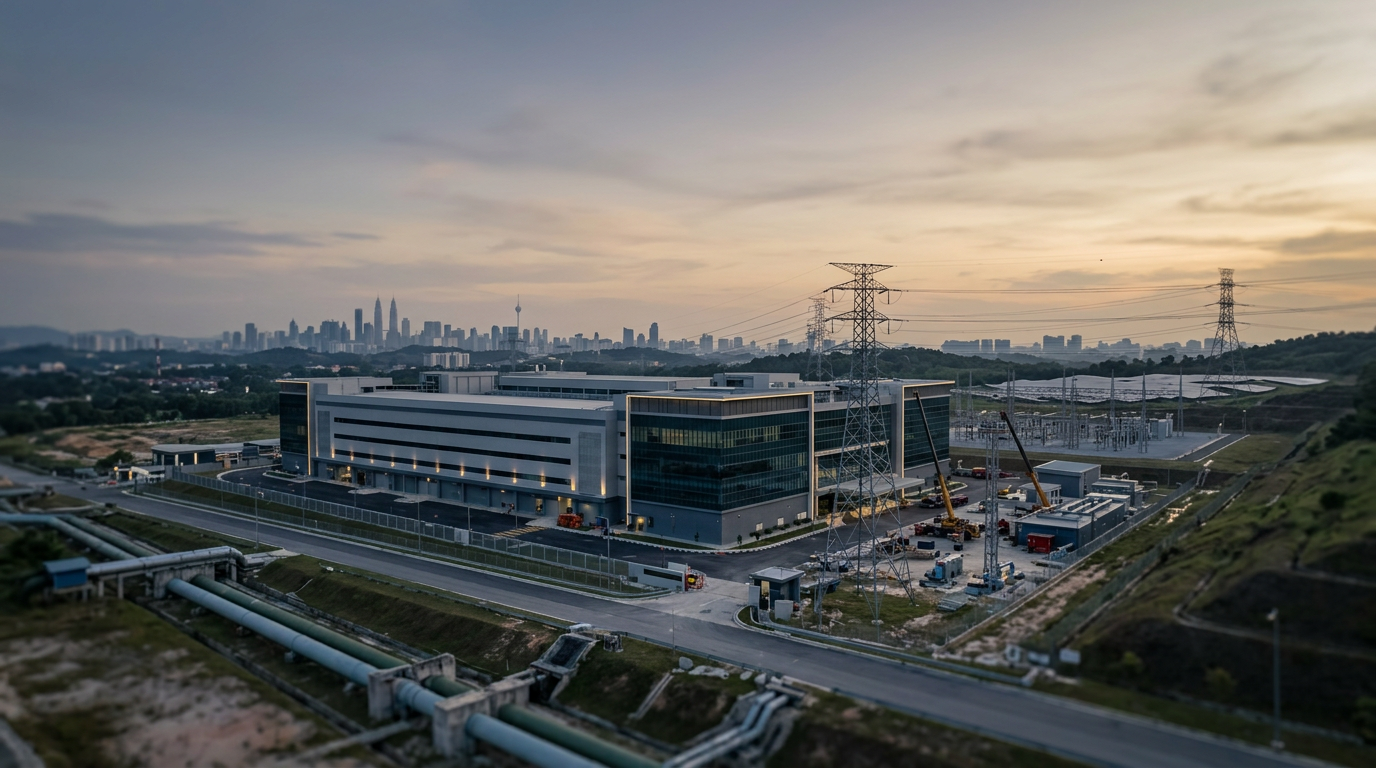
's Data Center Ambition Hinges on Coordinated Infrastructure
A recent joint venture to build renewable energy-powered data centers in Malaysia highlights the nation's ambition to become a regional hub. However, success will depend on more than just attracting investment; it requires the kind of deep infrastructure and utility.
 Singapore
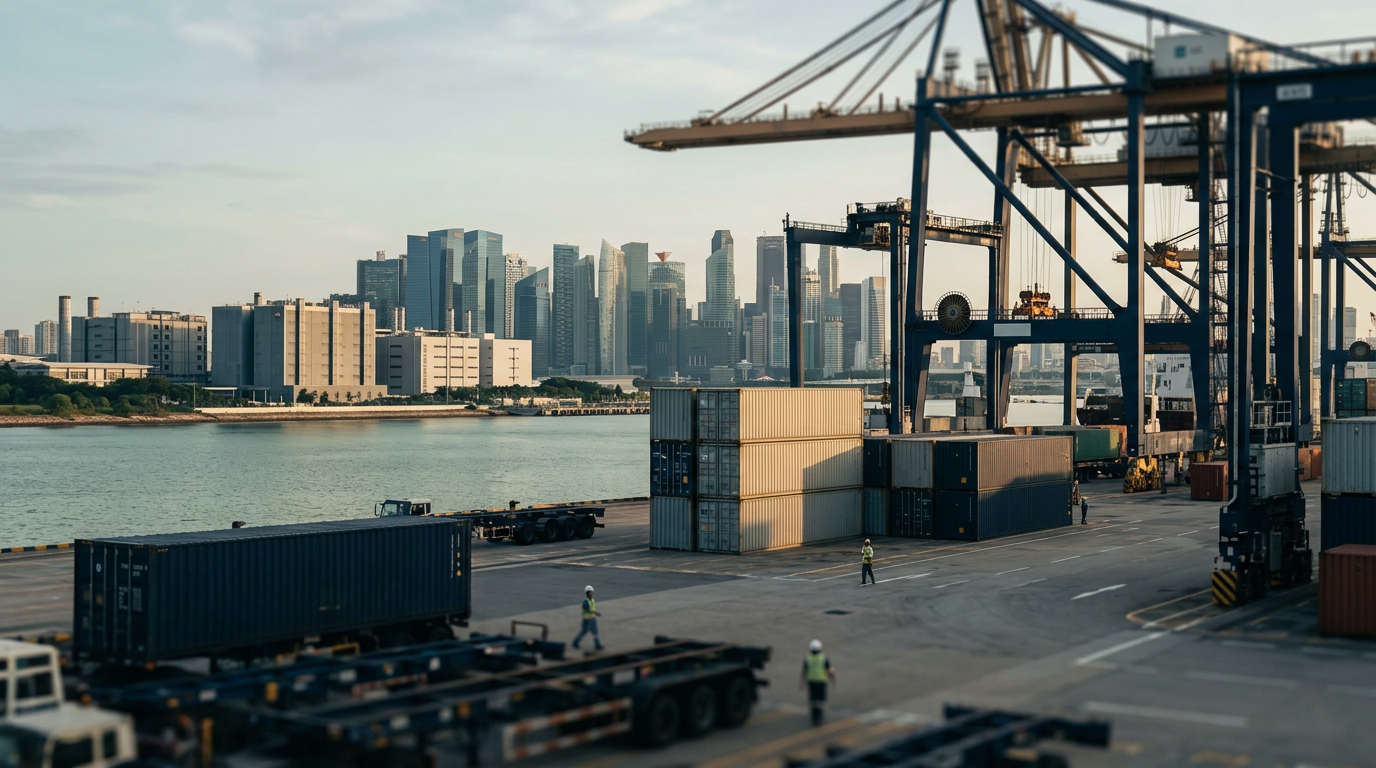
's Power Market Delivers a Lesson in Stability
The recent volatility in Singapore's electricity market highlights a core regional theme: predictable state capacity is a competitive advantage.
 Singapore
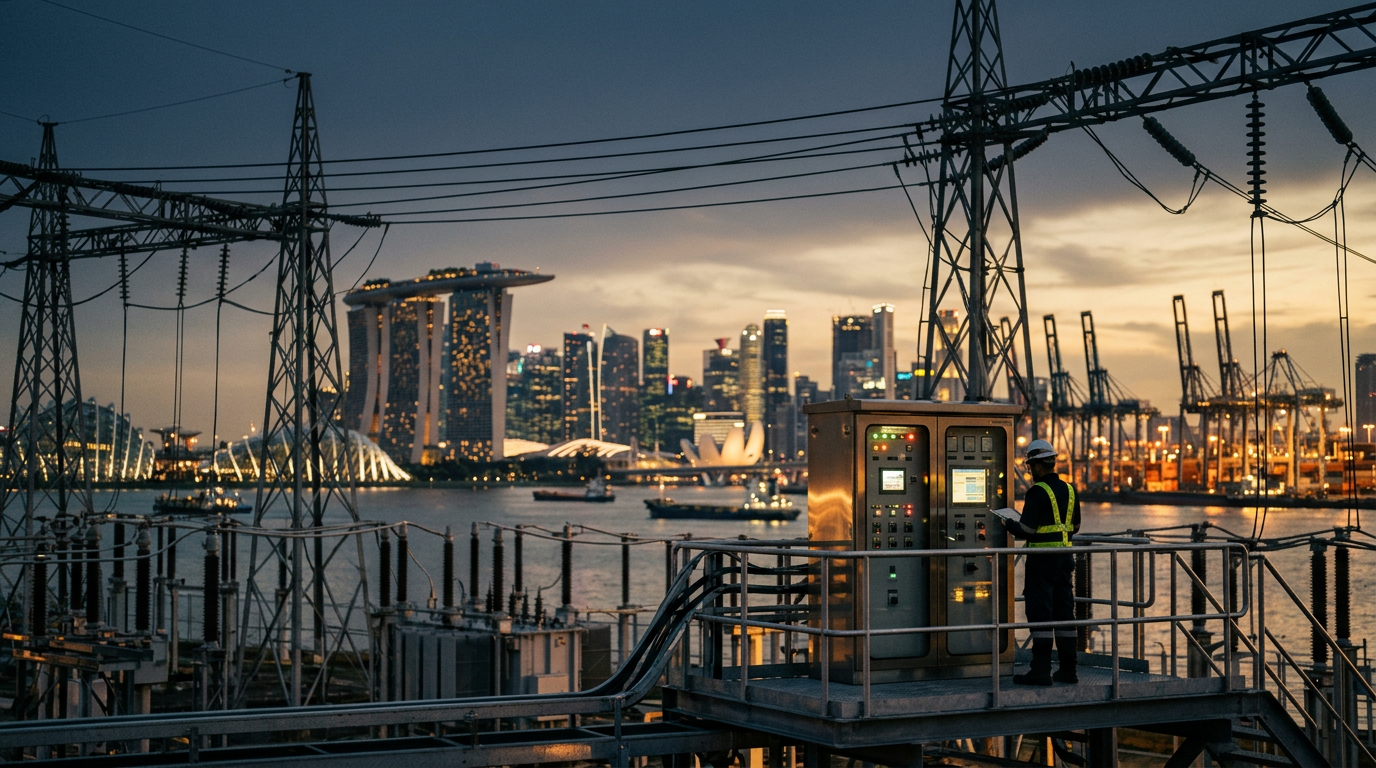
's Open Electricity Market Navigates a Turbulent World
Amid global energy shocks, Singapore's agile electricity market demonstrates the value of institutional design and execution.
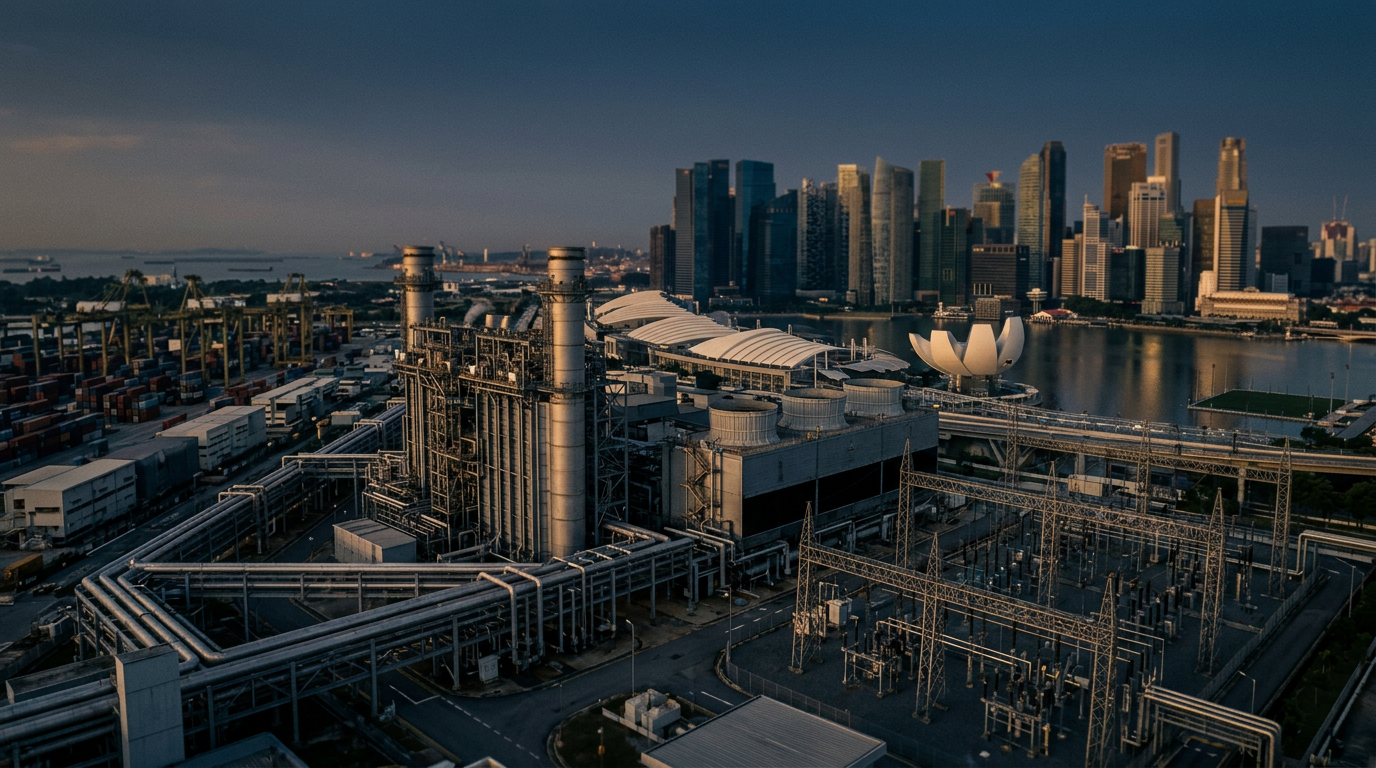 Singapore
's Power Market Delivers Choice Amid Uncertainty
Singapore's liberalized power market offers consumers more choice and pricing certainty in the face of global energy shocks, a case study in how institutional design builds resilience.
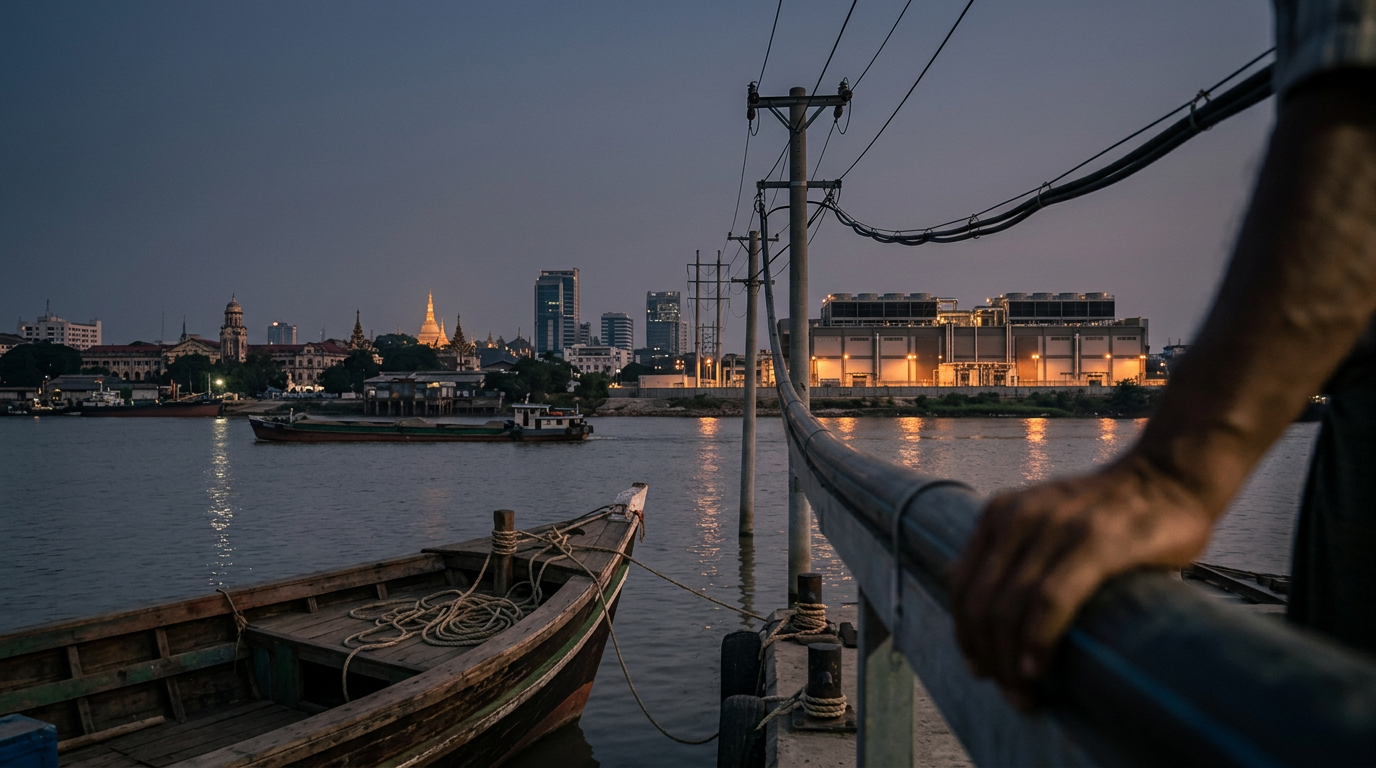
 Myanmar
Data Centers Demand State Capacity
The new generation of data centers in Southeast Asia demands a new generation of reliable public infrastructure, starting with the power grid.
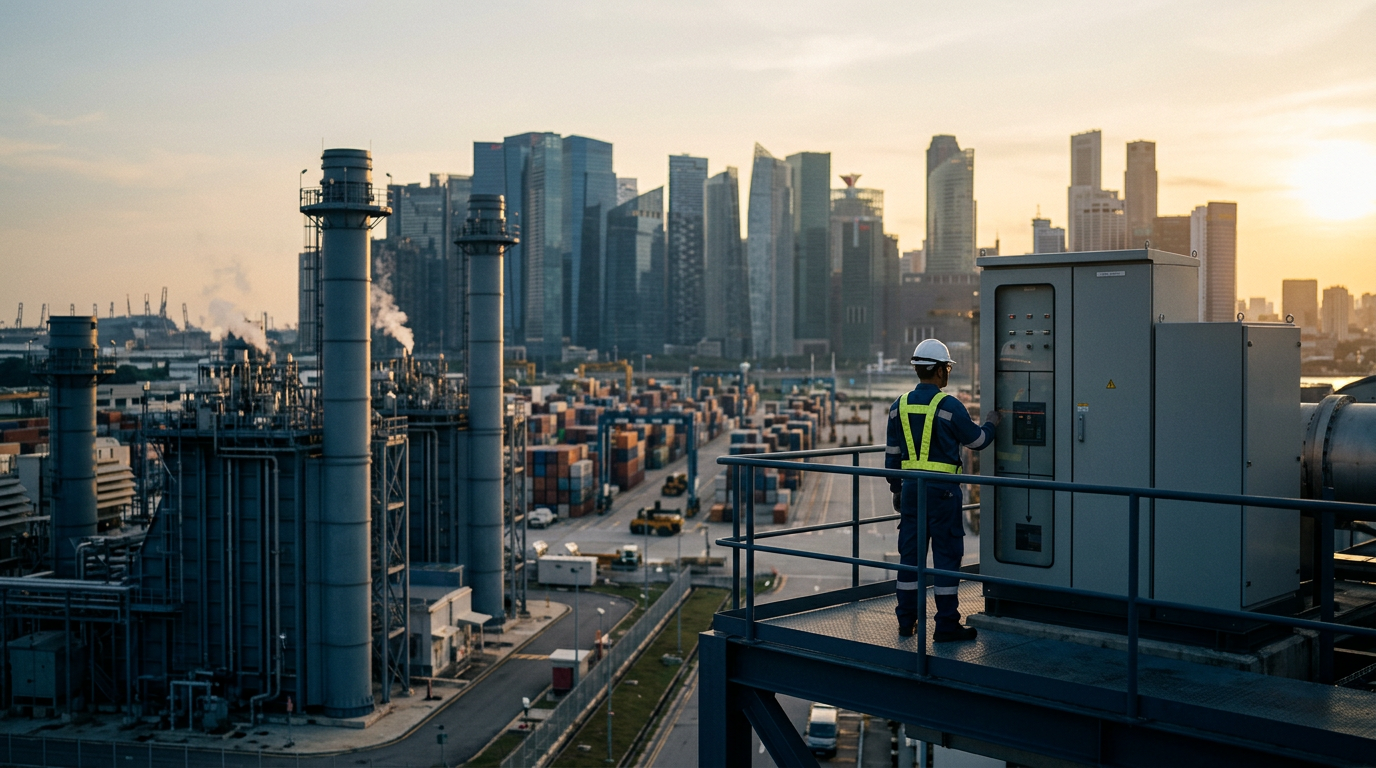 Singapore
's Power Market Delivers a Lesson in Reliability
A predictable regulatory environment and a diversity of supply options give Singapore's households and businesses a buffer against global energy shocks.
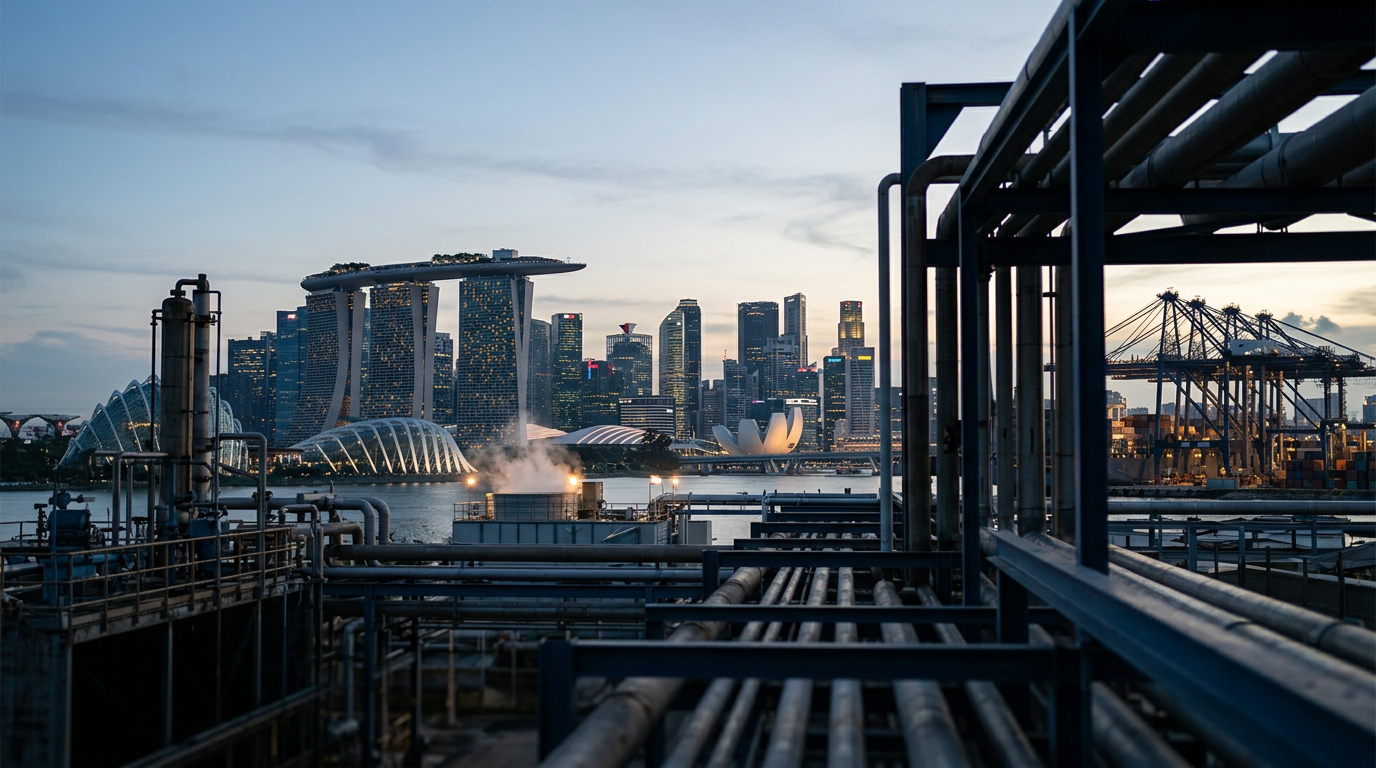 Singapore
's Energy Market Under Pressure
In a volatile global energy market, Singaporean households and businesses are turning to fixed-price electricity plans. This move highlights the value of predictable state institutions in managing economic uncertainty.
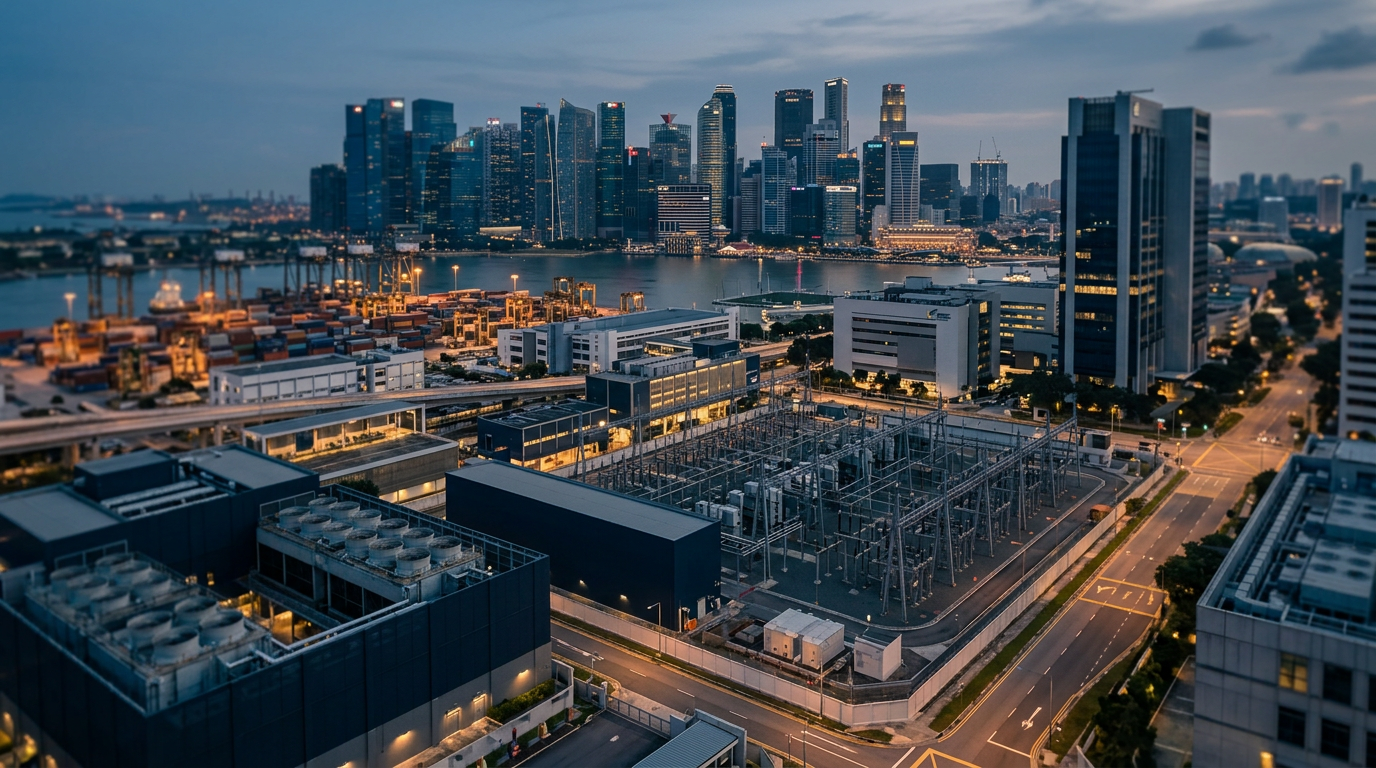 Singapore
's Power Market Delivers Stability Amid Volatility
Amid global energy price volatility, Singapore's electricity market demonstrates the value of institutional design in delivering reliable services and predictable pricing for consumers and businesses.
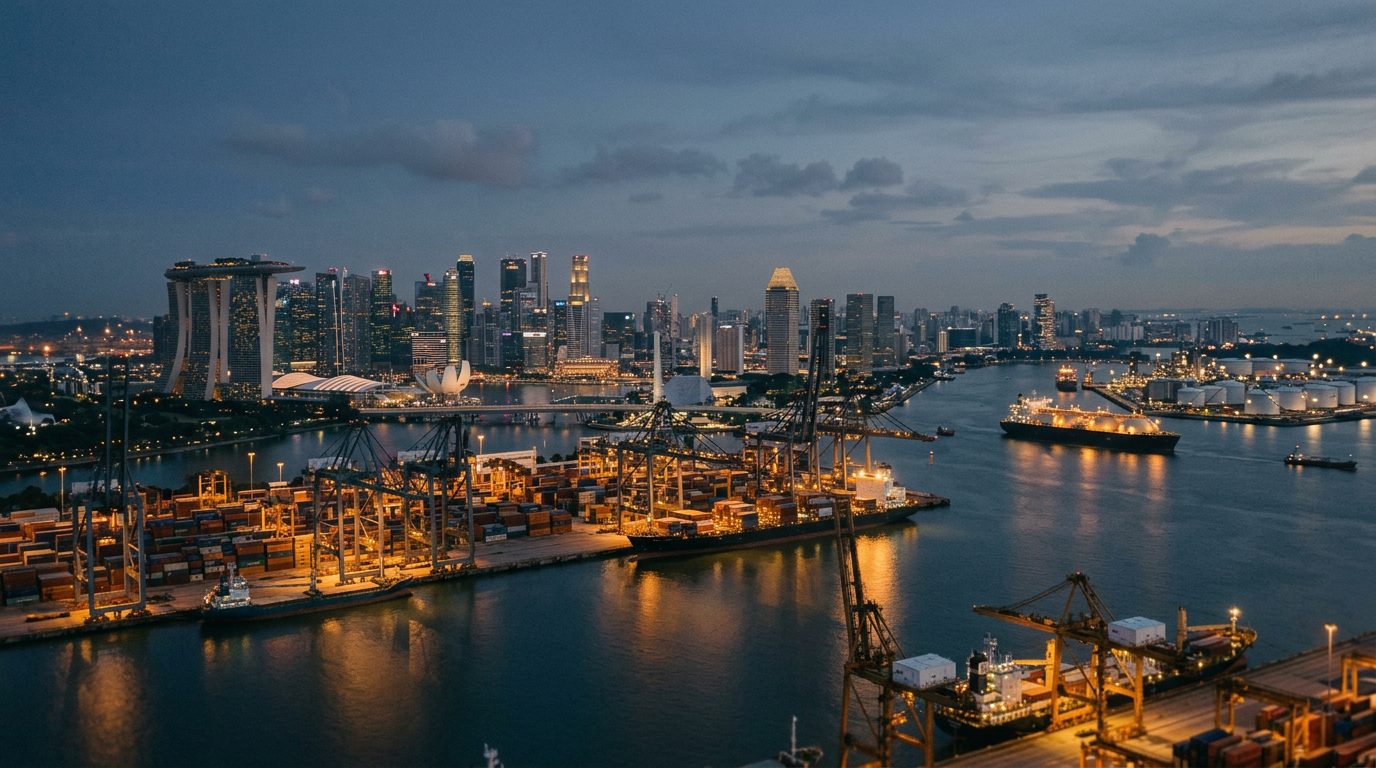 Singapore
's Power Market Delivers Stability Amid Global Volatility
Singapore's functional energy market provides a buffer against global energy shocks, demonstrating how institutional reliability creates a competitive edge.
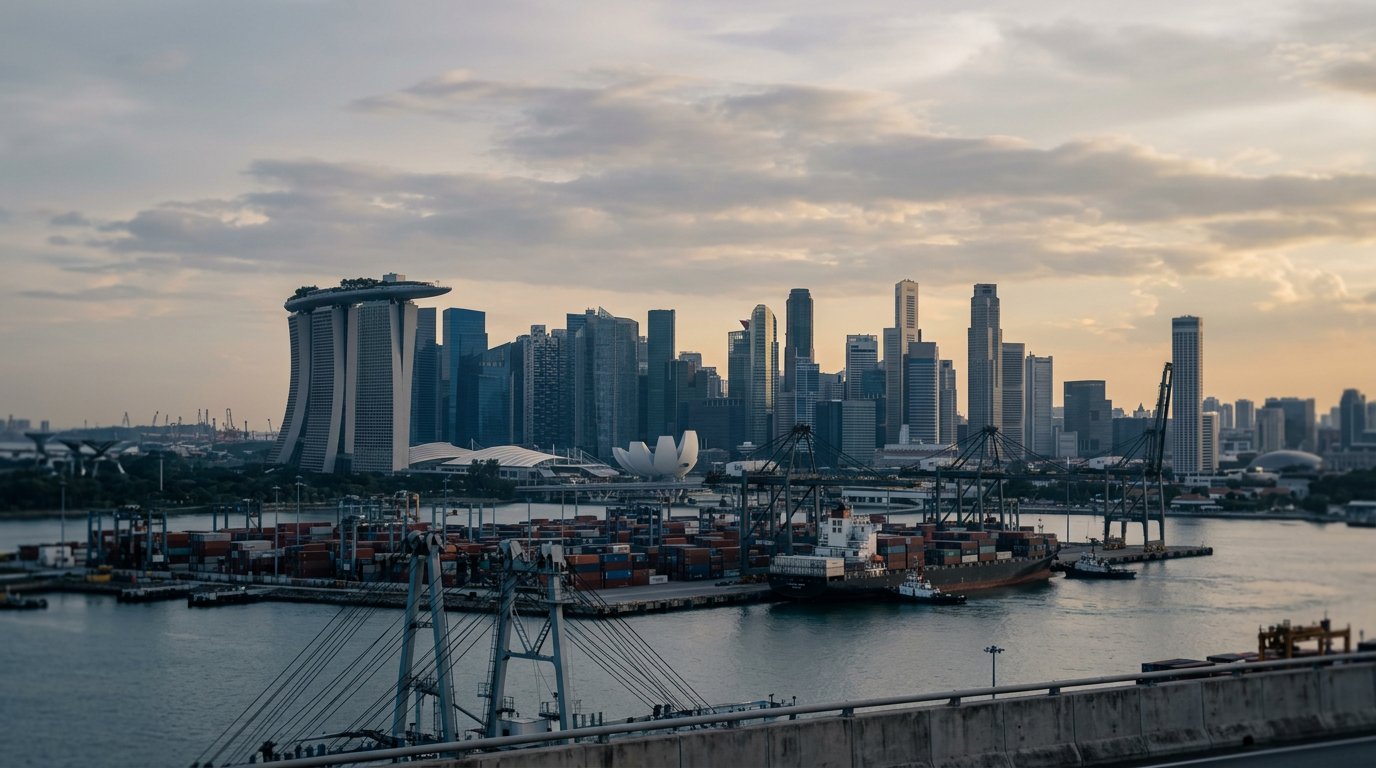 Singapore
's Power Market Points to Institutional Strength
In an uncertain world, the quiet competence of Singapore's energy regulation offers a competitive advantage.
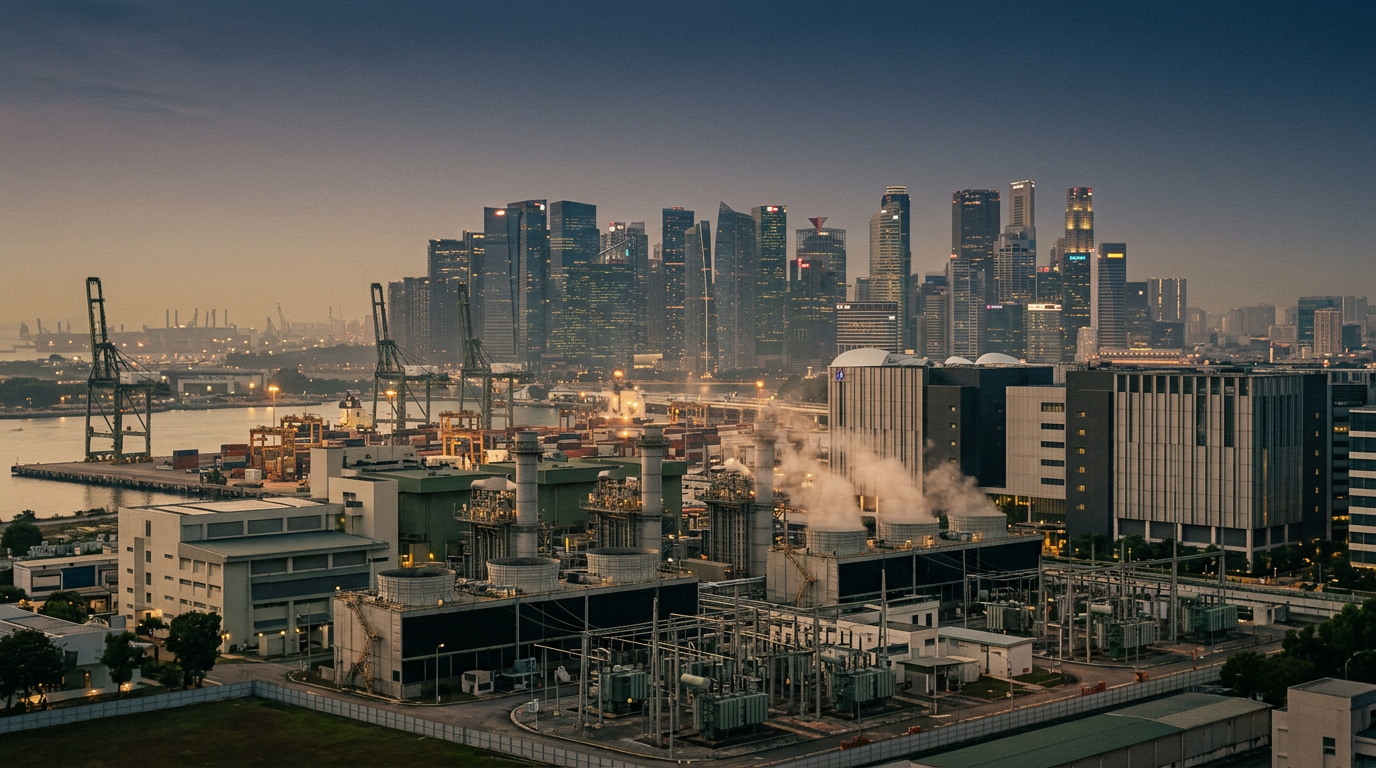 Singapore
's Power Market Delivers a Lesson in Reliability
In a volatile world, Singapore's electricity market demonstrates the value of strong institutions and a dependable state. Its ability to provide stable power prices when global markets are in turmoil shows that institutional reliability is a core part of national comparative.
 Myanmar
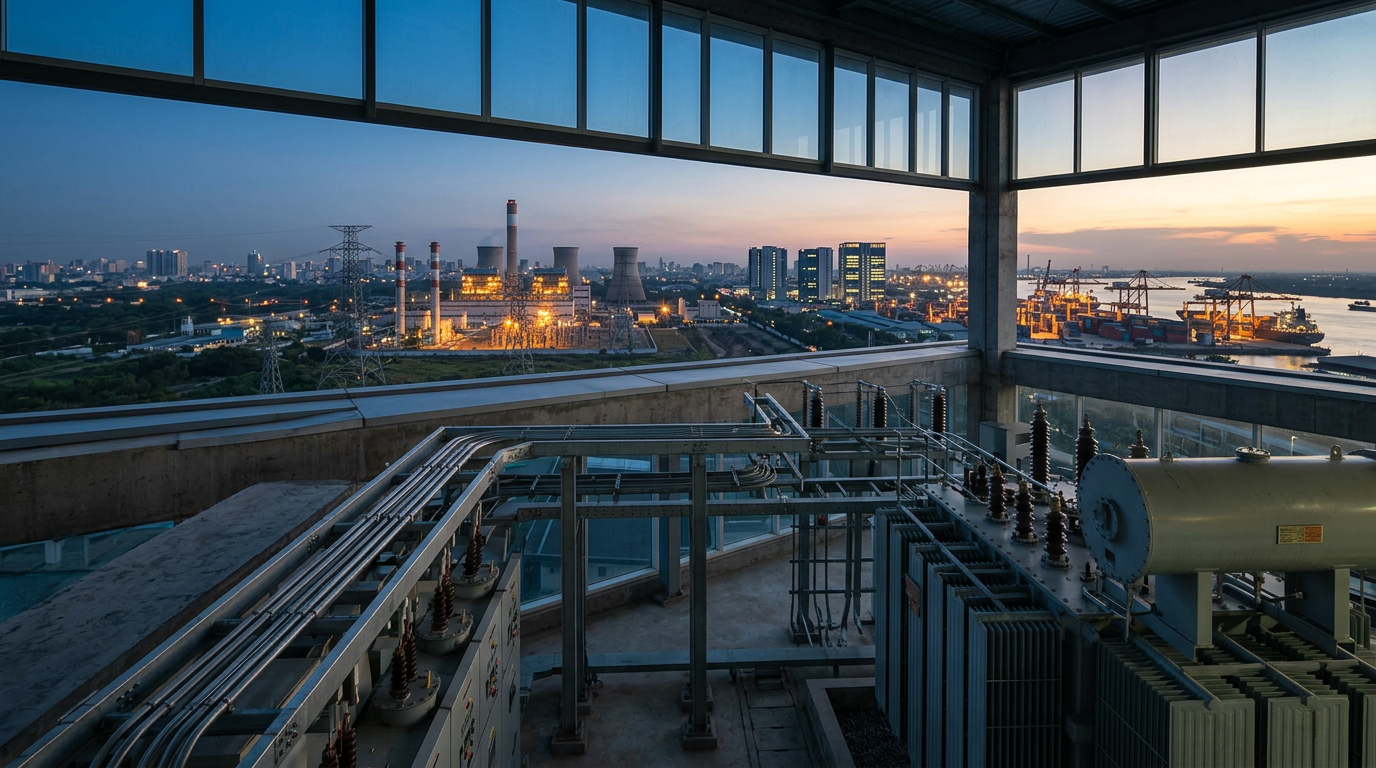
Reliability and Regional Power Grids
Recent advances in power hardware for data centers offer lessons for ASEAN. Industrial policy focused on execution and delivery can build trust and attract capital.
 Singapore
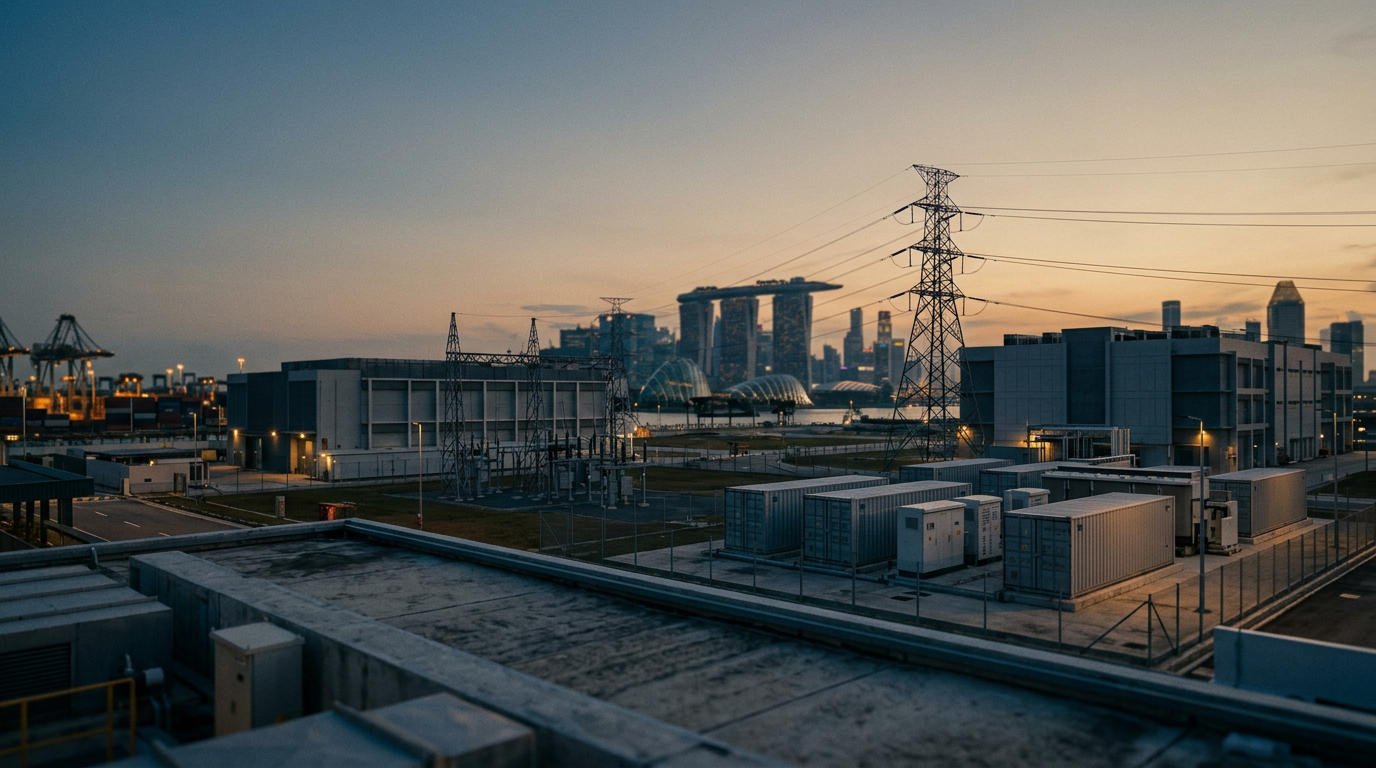
's Power Market Delivers Stability Amid Volatility
Global energy shocks are a reminder that a resilient grid is a national asset. The city-state's market-based approach, and the institutions that support it, offer a case study in building that resilience.
 Myanmar
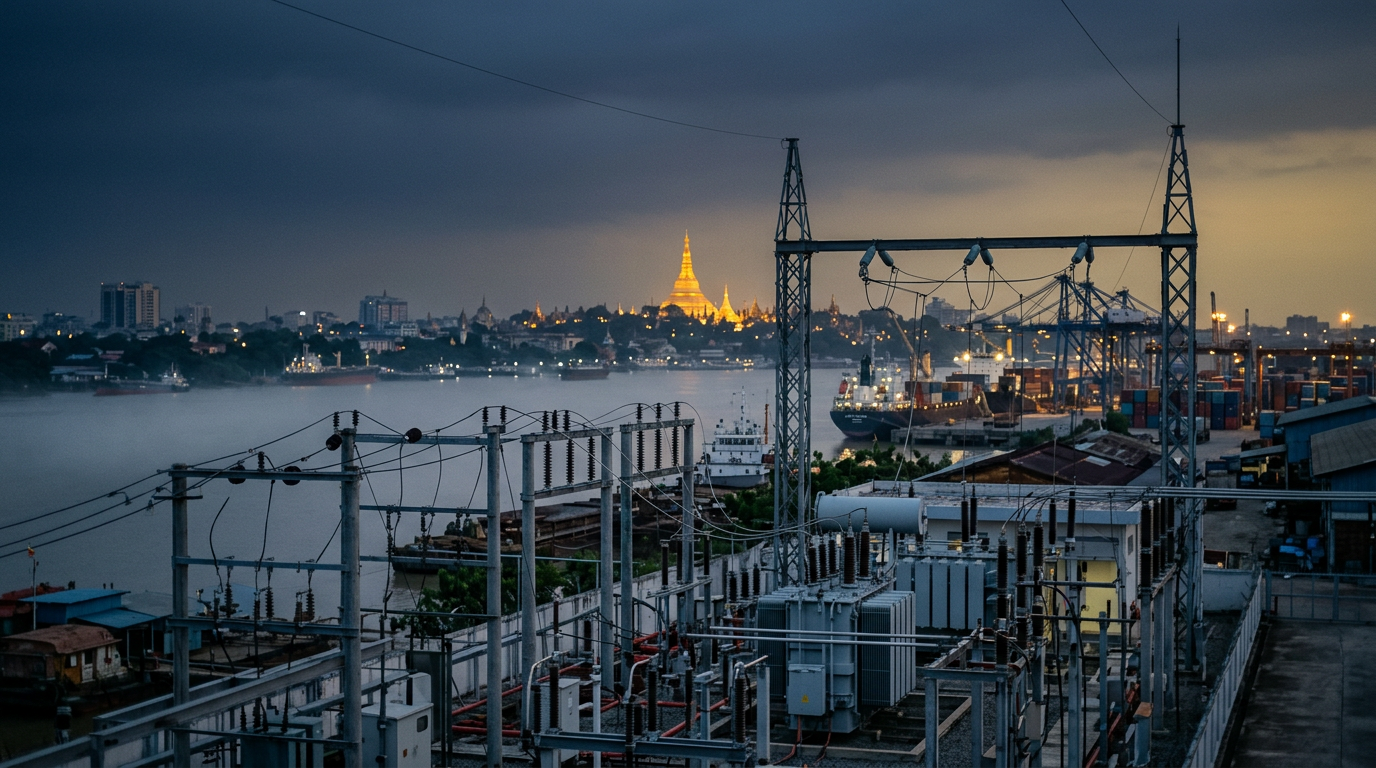
The Quiet Revolution in ASEAN's Power Infrastructure
A recent partnership between Infineon and Eaton in next-generation transformer technology is a reminder that in the race for digital leadership, reliable power is non-negotiable. For ASEAN, this is about more than just keeping the lights on.
 Thailand
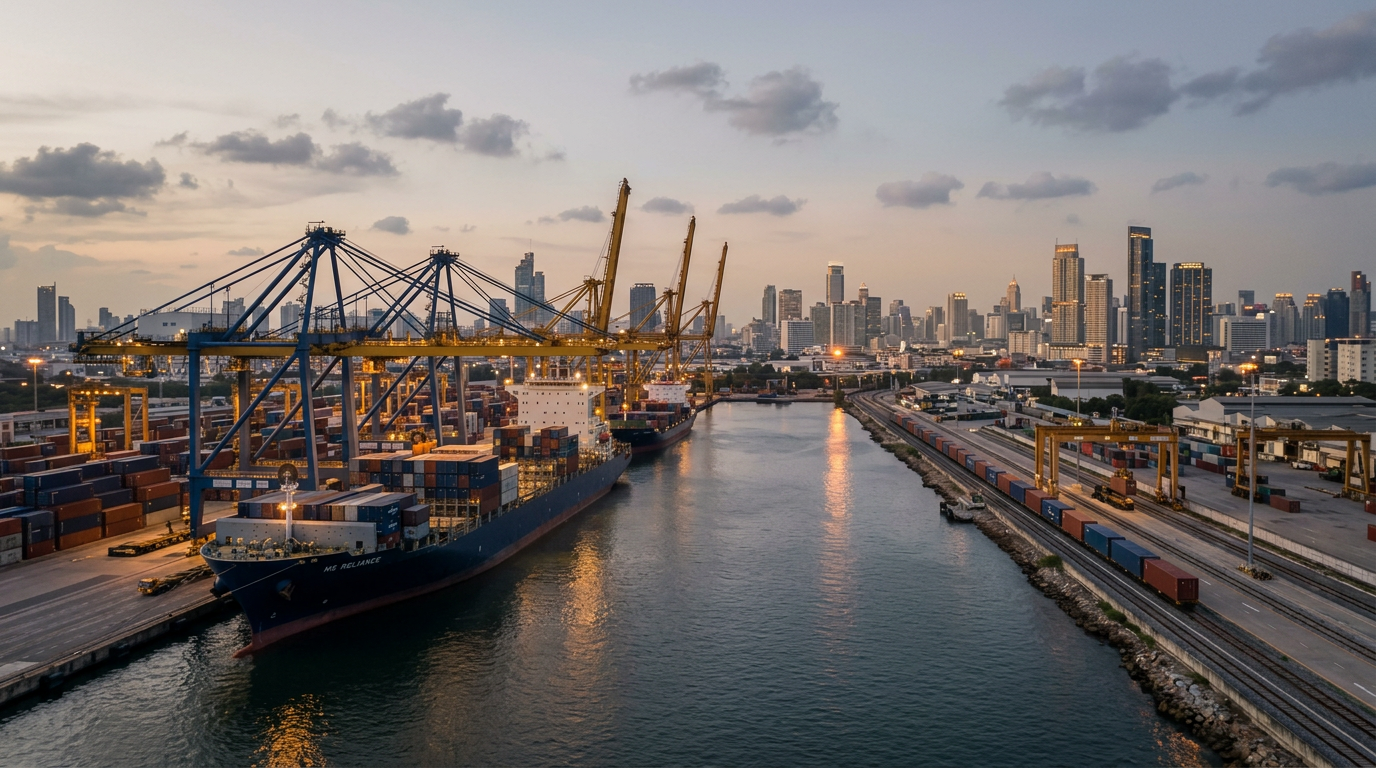
Institutional reliability has become part of comparative advantage. A usable state is often more valuable than an exciting one. Infrastructure that arrives on time signals more than infrastructure that is merely announced.
 Thailand
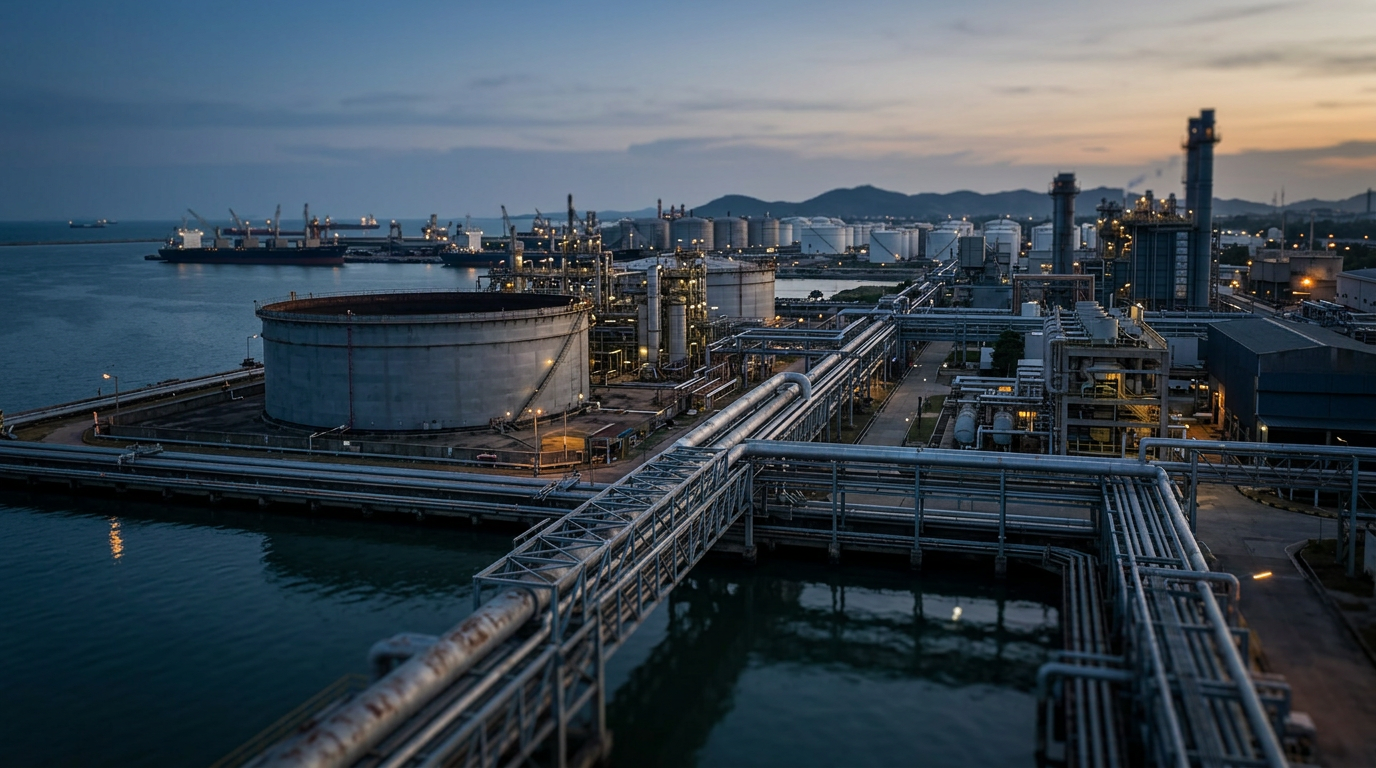
Thai state-owned enterprise Electricity Generating Plc
 Myanmar
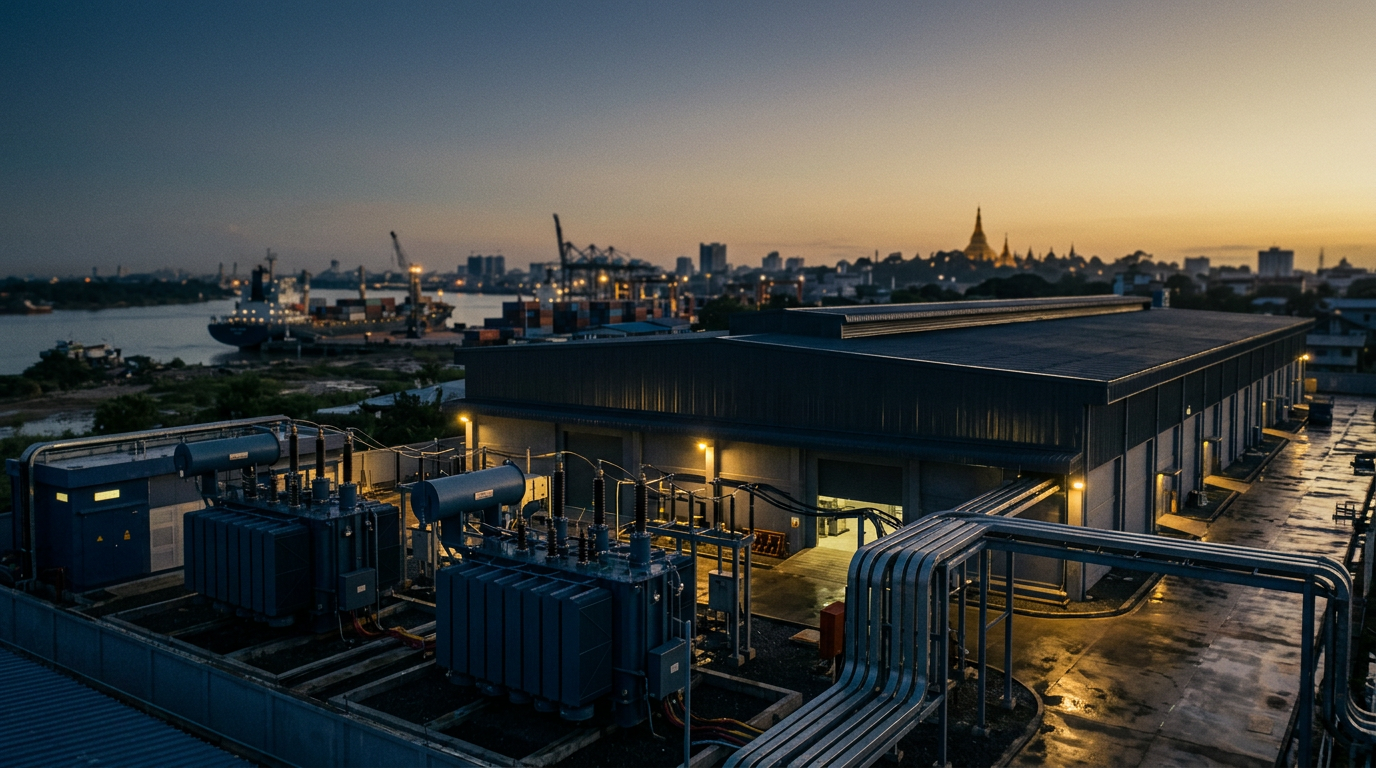
The Quiet Revolution in ASEAN's Power Infrastructure
A recent partnership between Infineon and Eaton to develop next-generation transformers for data centers highlights the growing need for sophisticated power management to support the region's digital ambitions. This shift underscores a core theme of ASEAN's development: the.
 Vietnam
's Data Center Ambitions Meet Reality
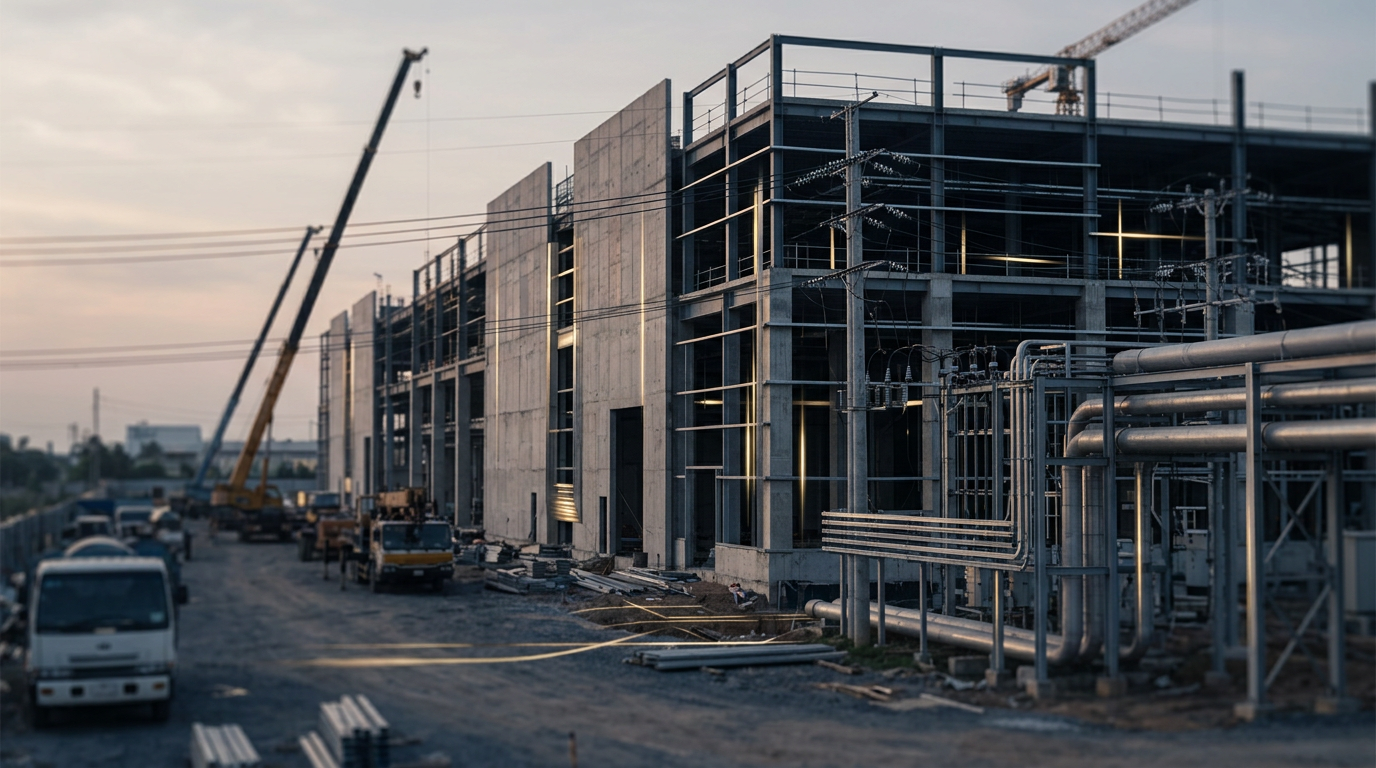
Vietnam's data center boom is hitting constraints. Power, site, and tariff issues are creating a reality check for investors, echoing the book's core theme: "Capital coordination is itself an industrial input."
 Malaysia
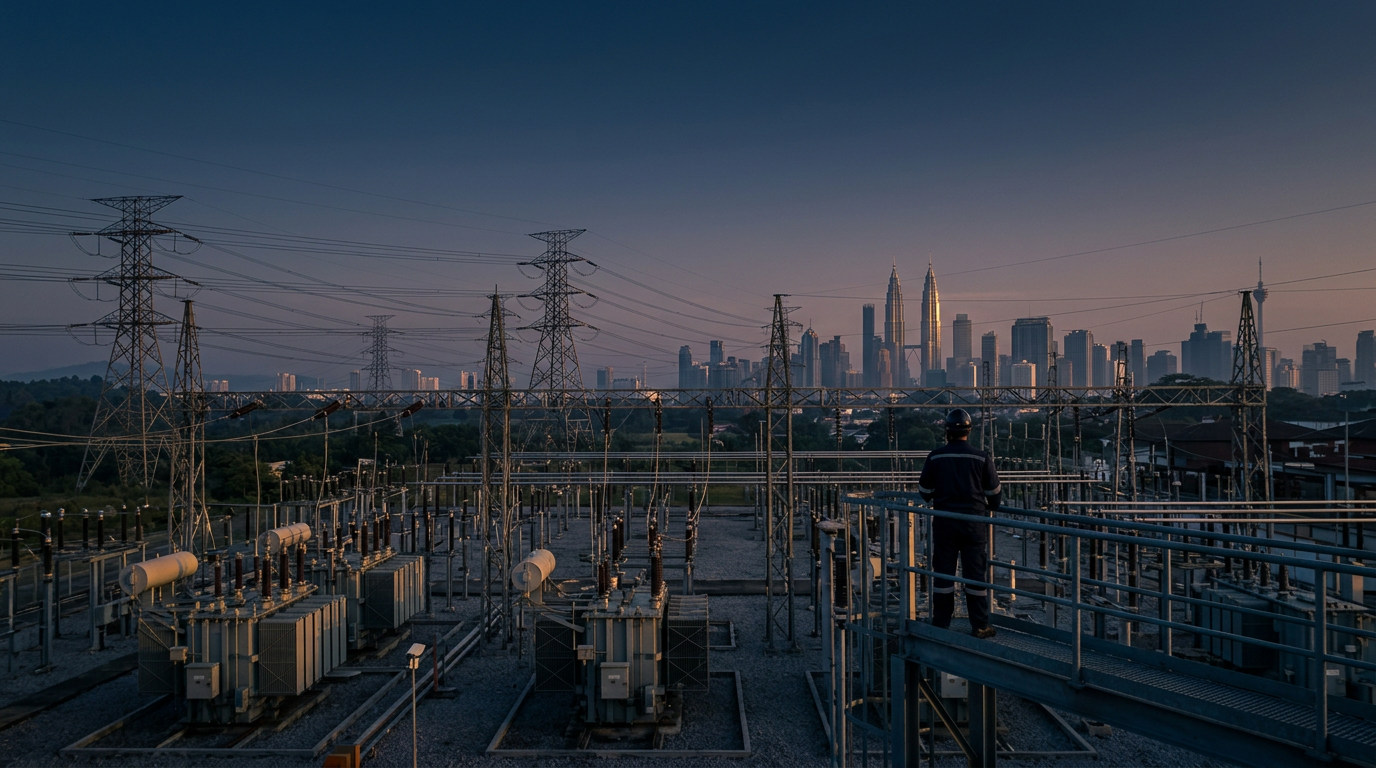
's electricity price spike tests its institutions
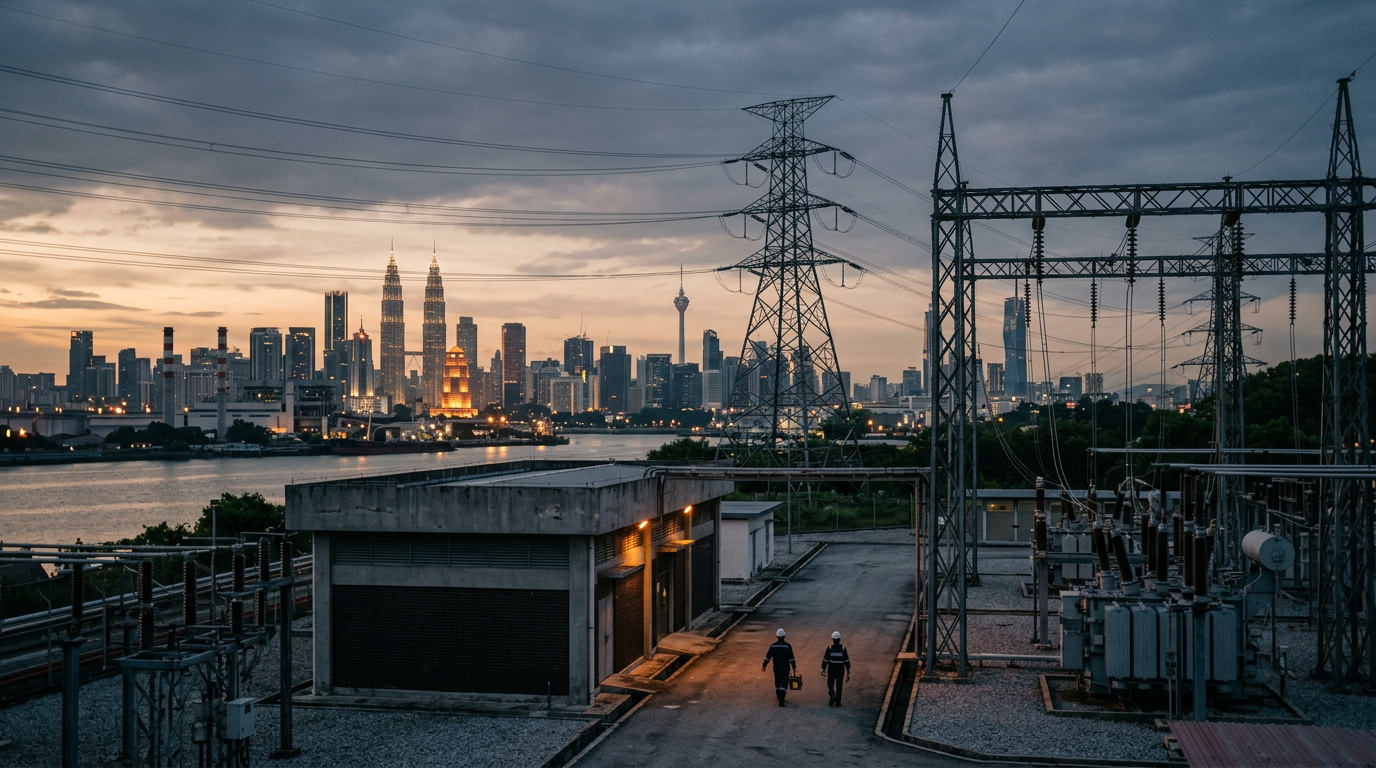
Rising spot electricity prices in Malaysia are a textbook case of state capacity under pressure. The real test is not the price spike itself, but the institutional response to it.
 Malaysia
's Energy Market: A Test of Institutional Strength
Recent volatility in Malaysia's spot electricity market highlights the tension between market liberalization and the need for stable, predictable energy infrastructure.