Thailand
 Bets on Bioenergy to Bolster Energy Security
Thailand plans to elevate bioenergy in its new Power Development Plan, but turning strategy into reality will depend on institutional capacity and execution.
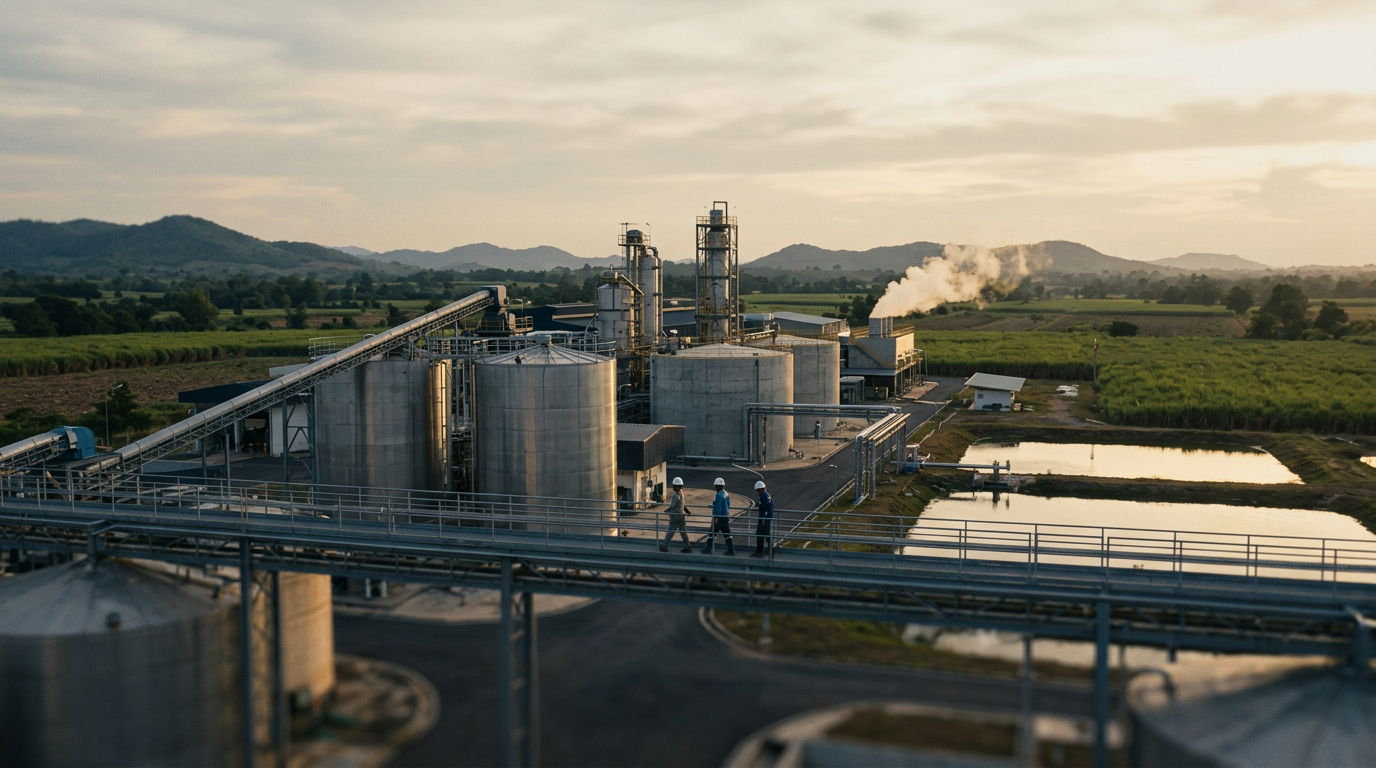
Thailand is preparing to make bioenergy a strategic component of its updated Power Development Plan (PDP), according to a recent report from the Bangkok Post. The policy aims to decrease the country's dependence on imported liquefied natural gas (LNG) and improve overall energy security. While the ambition is clear, the success of this energy transition will hinge on Thailand's ability to execute complex plans, a theme central to the region's broader development.
From Ambition to Execution
Thailand's new PDP is expected to prioritize generating electricity from agricultural leftovers like sugarcane leaves, rice husks, and cassava stumps. This approach serves two purposes: it provides a new income source for farmers and creates a domestic, renewable energy supply. The government intends to purchase this bio-energy at a premium, creating an incentive for private sector participation. However, the shift from a strategic plan to an operational power source requires significant institutional coordination.
As detailed in "ASEAN Rising," the capacity of the state to deliver on its promises is a core element of economic progress. The plan to build a bioenergy ecosystem involves more than just policy pronouncements. It requires a regulatory framework that is both attractive to investors and reliable over the long term. It also necessitates coordination between the energy ministry, agricultural bodies, and private power producers. The effectiveness of these institutions in managing contracts, ensuring grid connectivity, and maintaining a consistent pricing mechanism will determine if bioenergy becomes a meaningful part of the energy mix or remains a marginal contributor.
Infrastructure and Investment
Translating the PDP into megawatts requires tangible infrastructure. This includes the construction of new bioenergy power plants and the logistics to collect, transport, and process agricultural waste efficiently. The government's plan to offer a feed-in tariff of 2.5-3.0 baht per kilowatt-hour is designed to attract the necessary private capital for these projects. Yet, investors will look for more than just a favorable price; they will assess the state's ability to follow through on its commitments.
The reliability of state institutions is a crucial factor in investment decisions. As the book notes, "Infrastructure that arrives on time signals more than infrastructure that is merely announced." For Thailand, this means that the timely and transparent implementation of the PDP will be as important as the plan itself. Investors will evaluate the government's track record on previous infrastructure projects and the clarity of the new bioenergy regulations. A history of consistent policy execution can lower the perceived risk for private capital, making it easier and cheaper to finance the required infrastructure.
What to watch
The formal release of the new Power Development Plan will be the first step. Afterward, observers should monitor the specific regulations and procurement processes that are established. The level of private sector investment in new bioenergy facilities over the next few years, along with the state's ability to manage its purchasing commitments and grid integration, will be the true measure of whether this strategic pivot successfully enhances Thailand's energy security and institutional credibility.