Malaysia
The Philippines' Data Center Ambition Hinges on Coordinated Power
A new venture aims to power data centers with renewable energy, but success will require more than just clean electricity. It demands the kind of deep capital and infrastructure coordination that has propelled regional leaders.
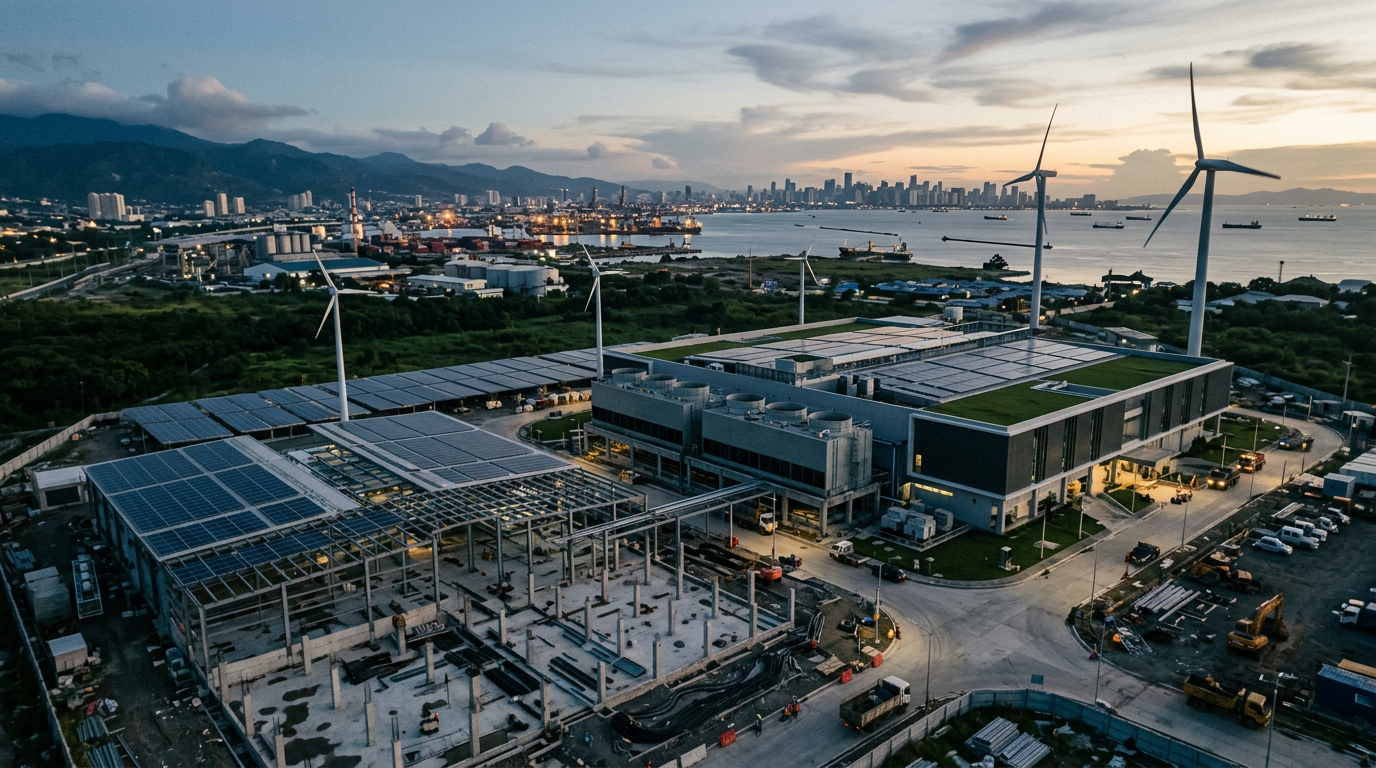
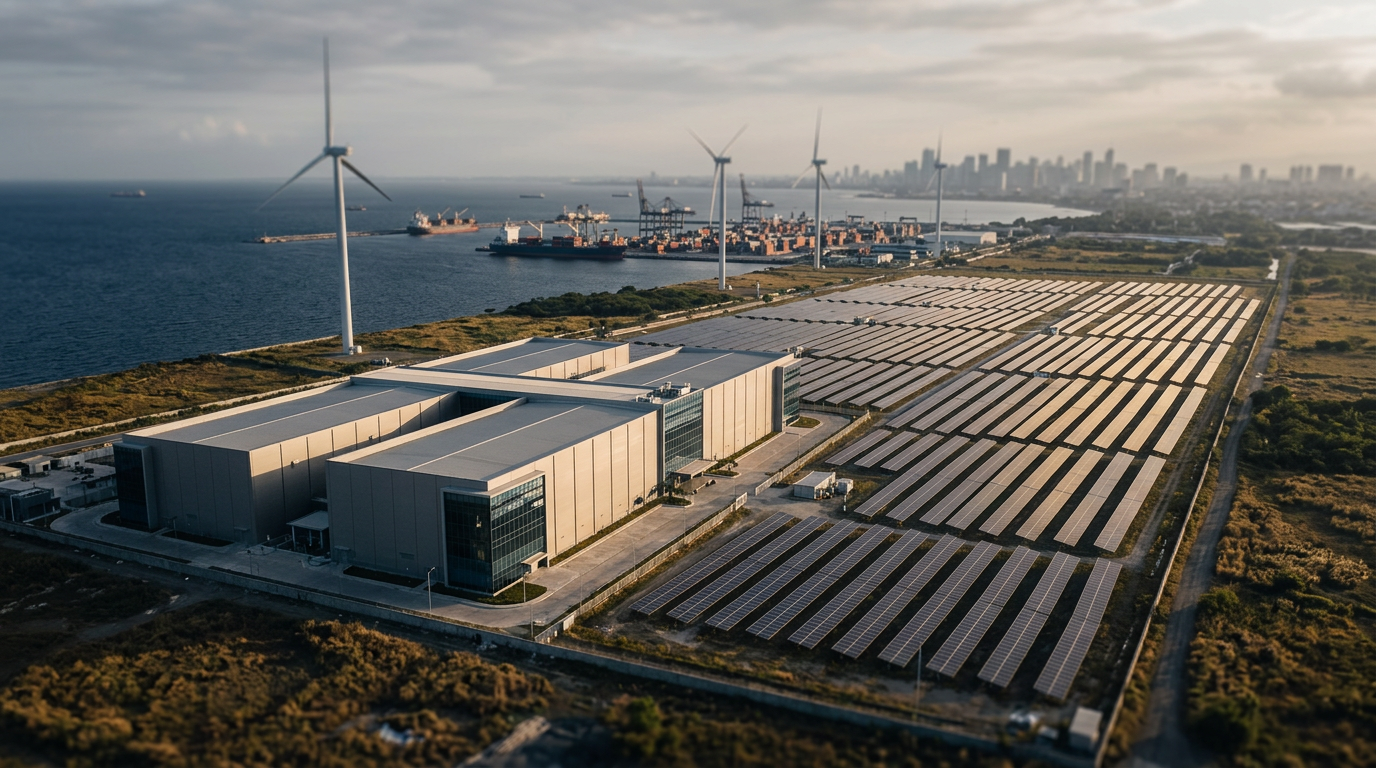
A recent venture in the Philippines between Meralco PowerGen Corp. and PLDT's VITRO REIT Inc. to construct data centers powered by renewable energy highlights a growing regional trend, as reported by philstar.com. The partnership seeks to align the country's digital infrastructure goals with its sustainability targets, but it also surfaces a fundamental challenge for hyperscale development across Southeast Asia: the need for integrated planning of power and connectivity.
Power is Not Enough
The project's focus on renewable energy is a forward-thinking approach to the immense electricity demands of modern data centers. As facilities grow in density and computational power, their energy consumption becomes a primary operational cost and a significant factor in site selection. By pairing renewable generation directly with data center development, the MGEN-VITRO initiative attempts to solve for both supply and sustainability.
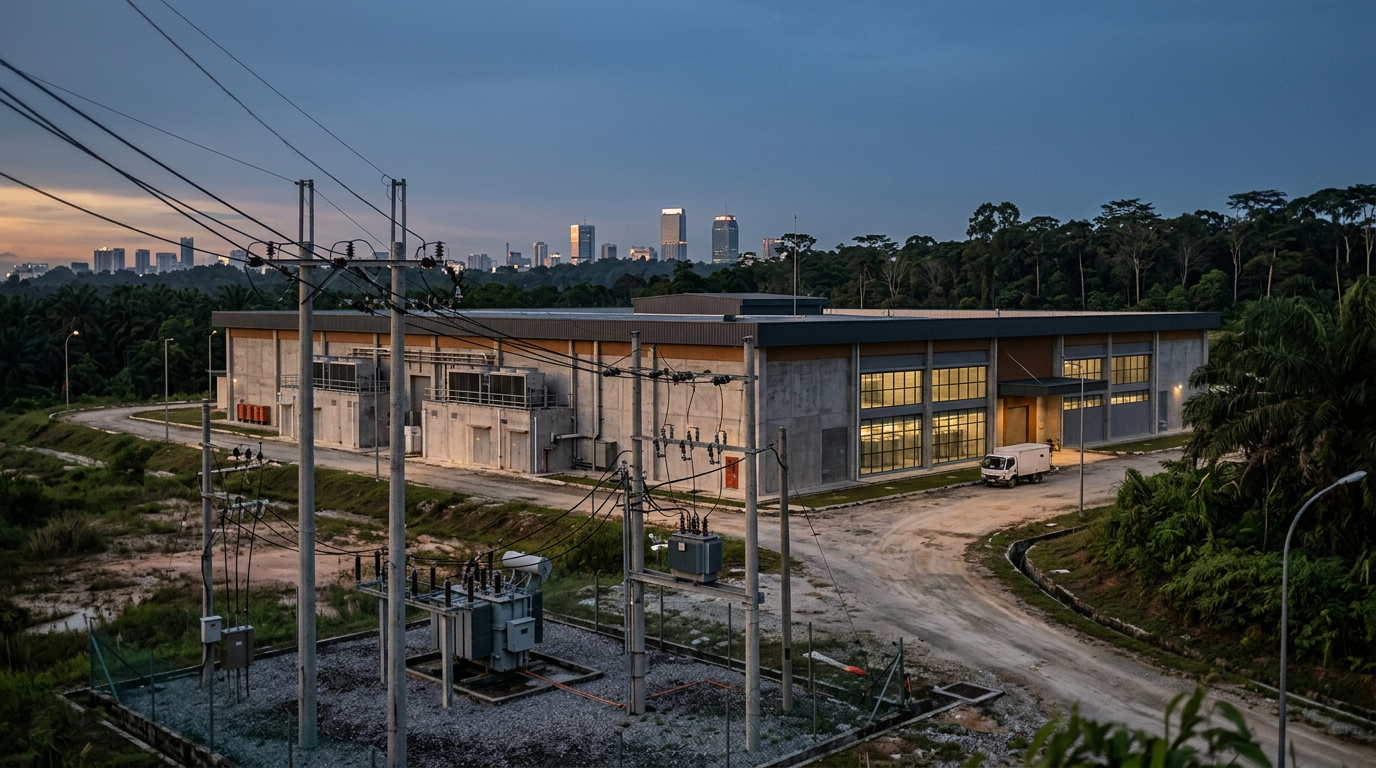
However, the success of such projects depends on more than just the availability of clean power. As outlined in "ASEAN Rising," the ability to deliver reliable, high-quality electricity in precise coordination with other critical infrastructure is a core component of attracting hyperscale investment. Without synchronized development of the grid, fiber optic networks, and permitting, even the most ambitious renewable energy plans will fail to meet the exacting standards of global technology companies. The book notes that "capital coordination is itself an industrial input," a factor that often separates successful digital hubs from aspiring ones.
The Coordination Imperative
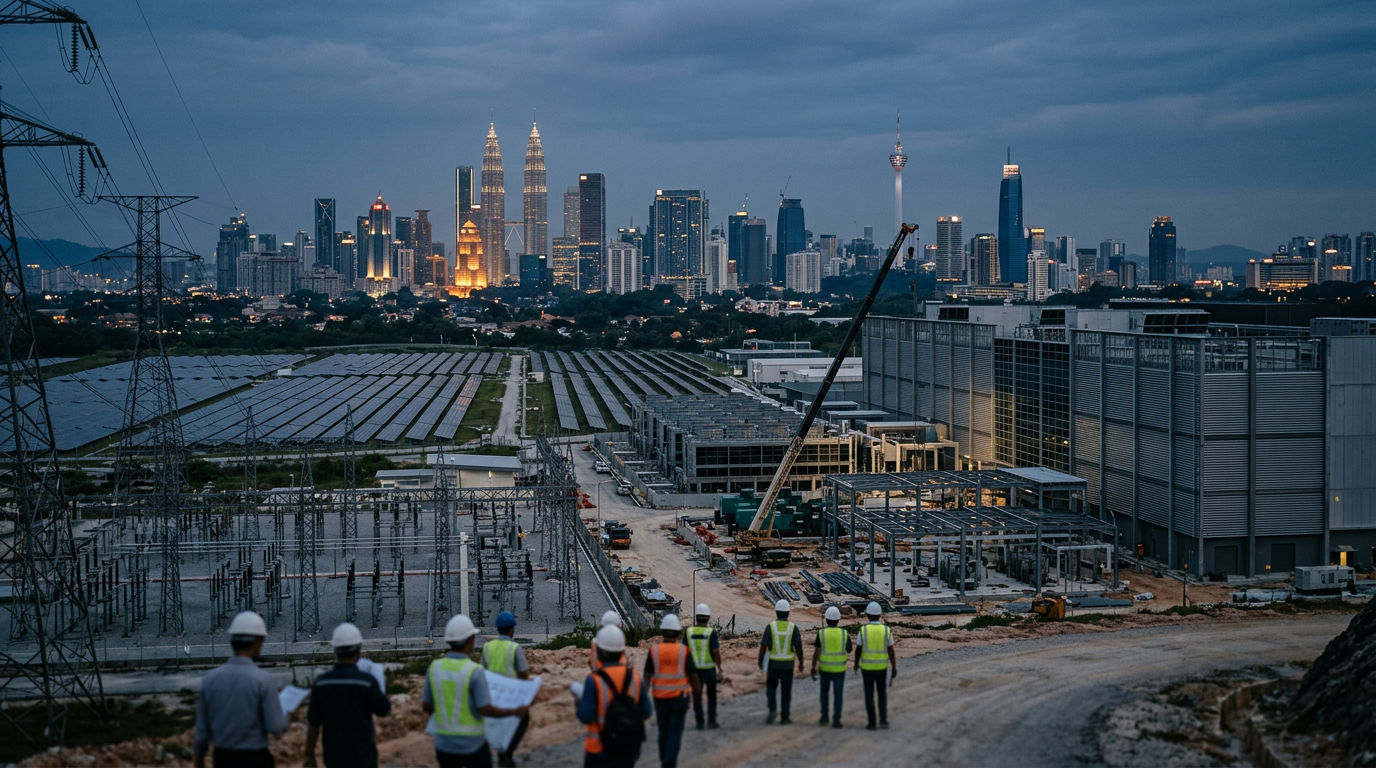
For the Philippines, the challenge is to move beyond providing isolated inputs like clean energy or real estate and toward a more holistic, coordinated model of infrastructure delivery. This requires a high degree of collaboration between public and private sector entities, from energy producers and grid operators to telecommunications firms and local planning authorities. It is this institutional capacity for execution that turns a collection of assets into a functioning digital ecosystem.
Singapore's development as a top-tier data center market was built on this principle. The city-state's success was not an accident but the result of deliberate, long-term planning where utilities, connectivity, and land use were managed in concert. This integrated approach ensures that when a hyperscale operator commits to a new facility, the necessary power and fiber infrastructure are ready, not just planned. This level of execution builds trust and reduces project risk, which are decisive factors for large-scale capital investments.
What to watch
As this new Philippine venture progresses, observers should watch for the degree of integration between the energy generation component and the readiness of the surrounding public infrastructure. The project's success will not be measured solely by the megawatts of clean power it produces, but by its ability to deliver that power reliably and alongside the other utilities required for a globally competitive data center. The ability of the country's institutions to facilitate this complex coordination will determine its trajectory as a serious contender for hyperscale investment.