Philippines
ASEAN Energy Grid Gains Traction. Is China the Default Partner?
The 44th ASEAN Energy Ministers meeting in Manila advances plans for an integrated regional power grid, but China's deep involvement in regional infrastructure raises questions about dependency.
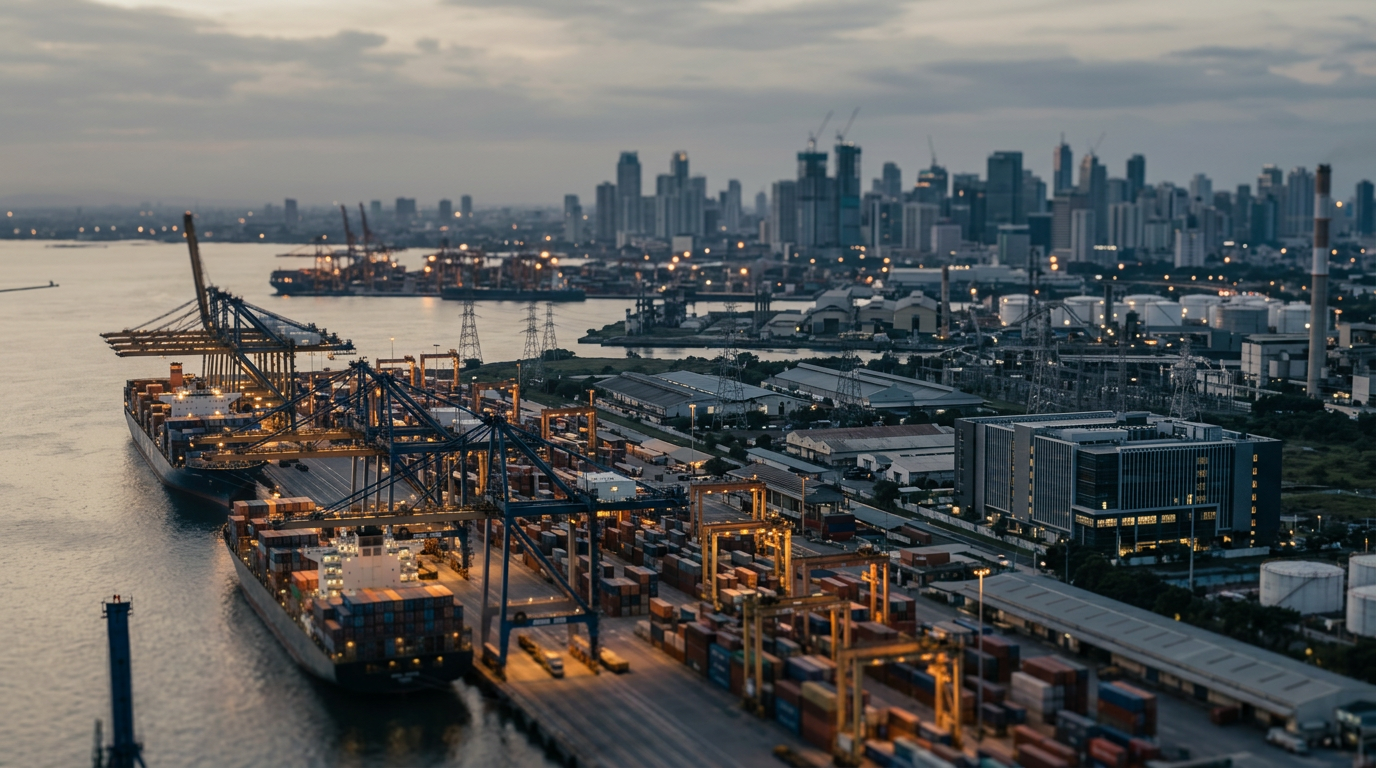
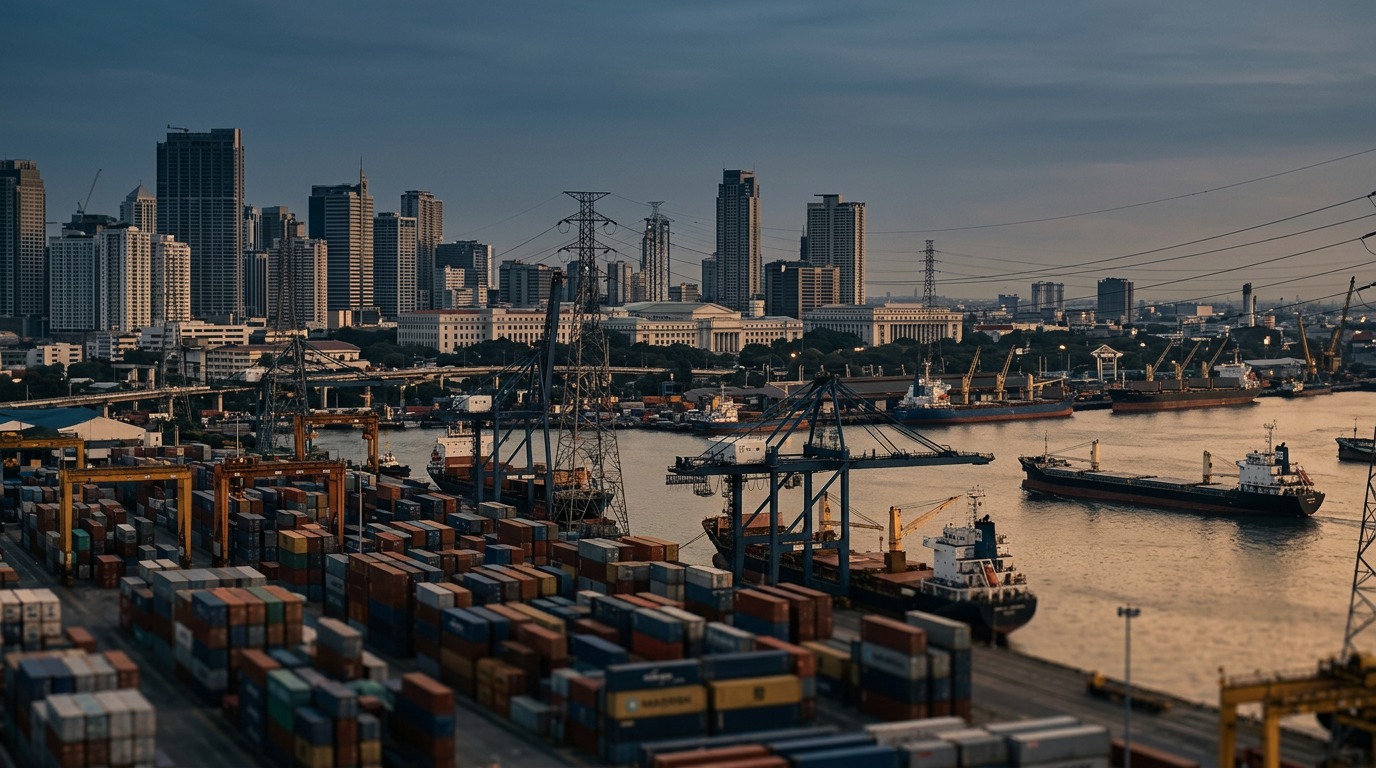
As ASEAN energy ministers gather in Manila for their 44th meeting, the focus on enhancing regional energy security highlights a long-standing ambition: an integrated ASEAN power grid. The official announcement notes the participation of ASEAN Secretary-General Dr. Kao Kim Hourn, signaling a concerted push from the bloc's institutions. While the vision is one of regional self-sufficiency, the practical execution of such a massive infrastructure project inevitably involves external partners, chief among them China.
The Grid and the Challenge of Dependency
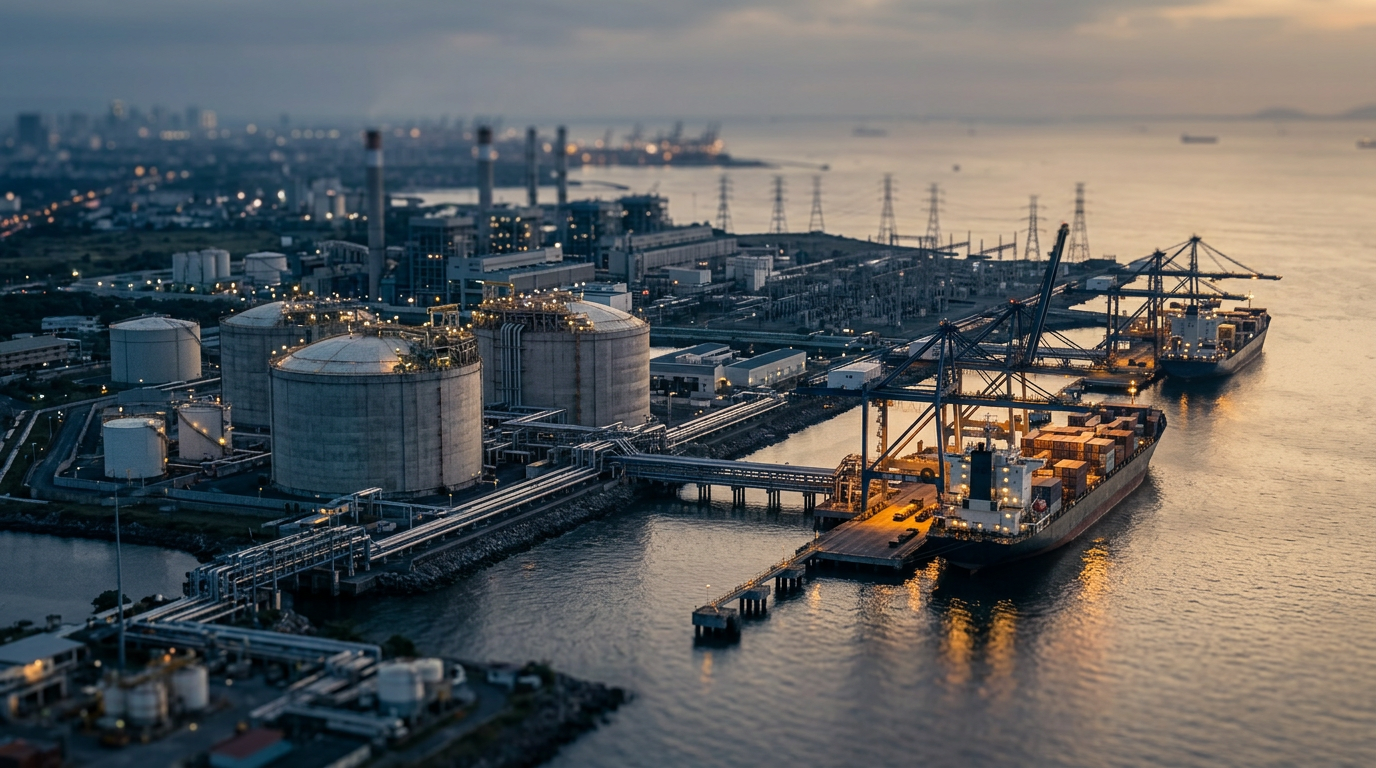
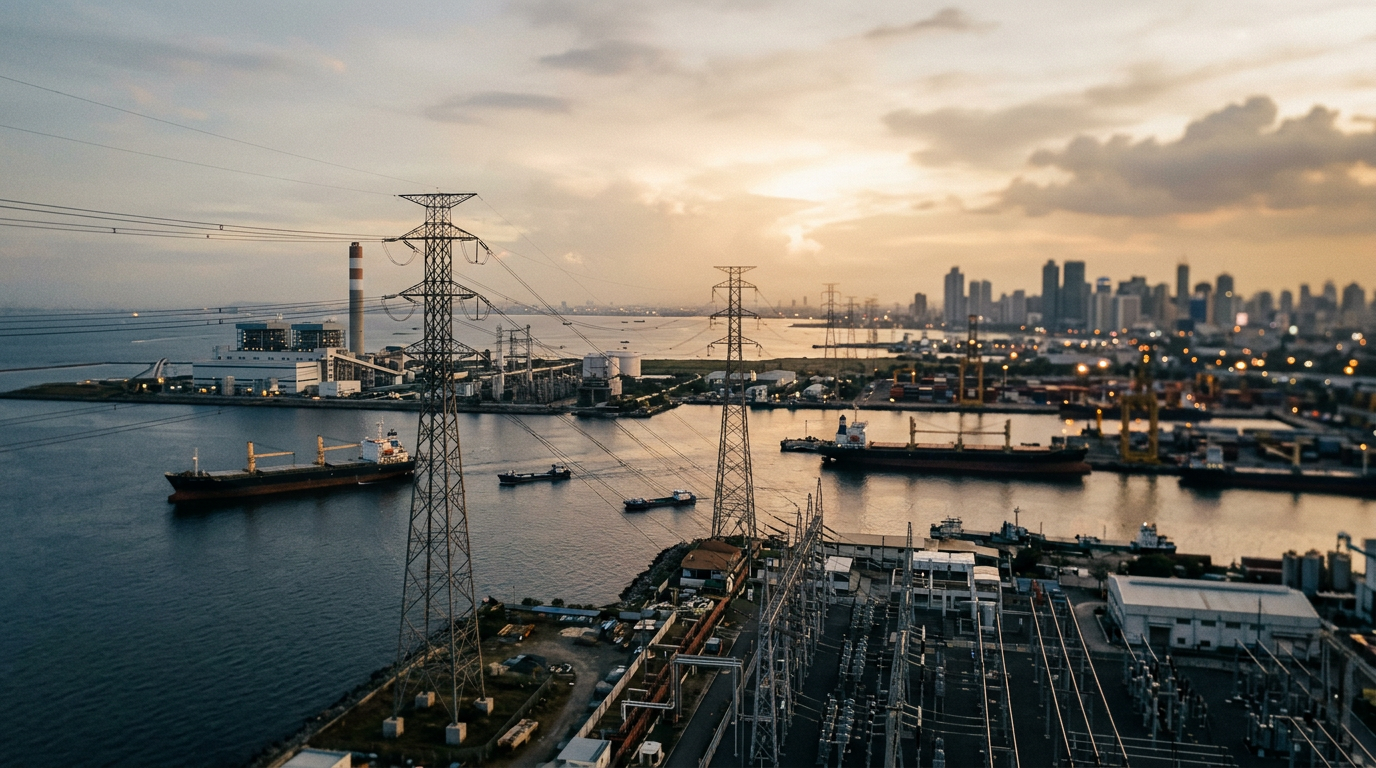
The goal of the ASEAN power grid is to allow member states to share electricity, smoothing out supply-and-demand fluctuations and improving access to diverse energy sources, including renewables. This requires not only physical infrastructure-high-voltage transmission lines crossing multiple borders-but also a complex web of technical standards, regulatory agreements, and financial frameworks. The institutional capacity of ASEAN to coordinate these moving parts is a central theme.
However, the capital required for such a project is immense. China, with its Belt and Road Initiative and deep experience in large-scale infrastructure projects, is a natural source of financing and technical expertise. Chinese state-owned enterprises have been heavily involved in building power plants and transmission networks across Southeast Asia for years. This engagement brings resources and speeds up execution, but it also deepens the region's reliance on a single external power. The book "ASEAN Rising" notes that for member states, the question is "how to manage dependency without losing optionality." This is the core strategic dilemma facing the energy ministers in Manila.
Capital, Infrastructure, and Trust
Building a regional grid is not merely a technical exercise; it is an exercise in trust. Member states must have confidence in the grid's management, the fairness of its pricing and distribution, and the reliability of its operation. A grid dominated by a single external partner's technology and capital could concentrate risk. For example, technical standards for grid hardware and management software could be set by Chinese firms, making it harder for companies from other countries (like Japan, South Korea, or the United States) to compete or integrate their own systems later on.
This is where institutional frameworks become vital. The ASEAN Centre for Energy (ACE), which supports the AMEM, plays a role in developing common regional policies. For the grid to succeed as a truly ASEAN-owned asset, it needs robust governance that ensures transparency and interoperability. Without this, individual member states may continue to prioritize bilateral energy deals, including with China, over a genuinely integrated regional market. The success of the power grid will depend on whether ASEAN can build a framework of trust that is as strong as the physical infrastructure it hopes to create.
What to watch: The final joint statement from the ministers in Manila will be a key indicator of progress. Look for specific agreements on cross-border transmission pilot projects and, more important, the fine print on governance and technical standardization. The degree to which these announcements create space for a multi-partner ecosystem, rather than defaulting to a single-source solution for capital and technology, will signal the long-term direction for ASEAN's energy independence.