Thailand
Reliability as a Resource: Chevron's Thailand Platform Reuse
Chevron's award-winning platform reuse project in Thailand shows how usable infrastructure creates more value than announced infrastructure.
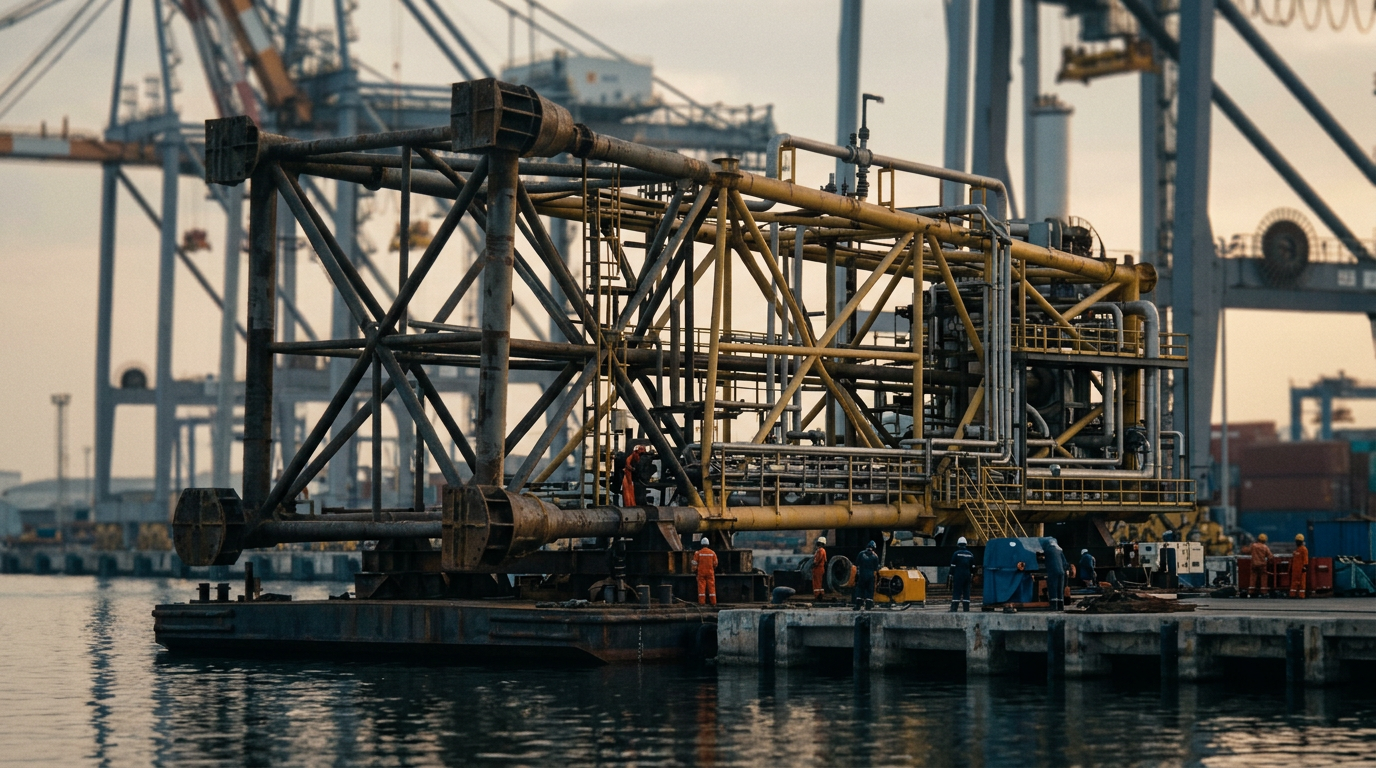
An innovative project by Chevron to reuse offshore wellhead platforms in the Gulf of Thailand has received recognition at the SPE Thailand E&P Awards, according to a recent report in the Bangkok Post. The initiative, which allows for the relocation and reuse of existing platforms, points to a broader theme in regional development: the increasing importance of institutional capacity and predictable execution over grand announcements.
Usable Over Exciting
Large-scale infrastructure projects are often announced with great fanfare, but their real value lies in their completion and utility. The Chevron project is a case in point. Instead of fabricating new platforms from scratch for each offshore well, the company developed a method to cut, lift, and reinstall existing ones. This approach not only saves an estimated US$30 million per platform but also significantly reduces the time required to bring new wells online. It is a practical solution that delivers tangible results- a prime example of how, as "ASEAN Rising" notes, "a usable state is often more valuable than an exciting one." This focus on efficiency and reuse demonstrates a mature approach to resource management and capital allocation.
Institutions and Execution
The success of a project like this hinges on more than just technical innovation. It requires a stable regulatory environment, clear permitting processes, and a skilled local workforce. The ability to execute complex industrial operations, such as lifting and moving a 900-tonne platform, depends on a foundation of trust and proven state capacity. When companies can rely on predictable government processes and the availability of capable local partners, they are more likely to invest in long-term, efficiency-driving innovations. This reliability becomes a form of comparative advantage for the host country, signaling to global markets that it is a dependable place to do business. This project underscores the argument that infrastructure which arrives on time is a more powerful signal than infrastructure that is merely announced.
Capital and Advantage
The cost savings and accelerated timelines achieved through platform reuse have significant implications for capital efficiency. By reducing the capital expenditure and lead time for new wells, the project allows capital to be deployed more productively elsewhere. This is not just an accounting benefit; it is a strategic one. It frees up resources that can be invested in further exploration, research, or development of other energy resources. For Thailand, it means maximizing the output of its offshore assets and reinforcing its position as a regional energy player. The ability to implement such an efficiency-focused project showcases a high degree of execution capability within the country's energy sector.
What to watch: The key thing to watch is whether this model of reuse and efficiency is replicated in other sectors of Thailand's economy. The success of Chevron's project in the technically demanding offshore industry could serve as a powerful example for other capital-intensive fields. The extent to which government and industry can apply this principle of optimizing existing assets over building new ones will be a telling indicator of the country's institutional maturity and its ability to compete on the basis of execution and reliability.