Singapore
's Power Market Delivers a Lesson in Institutional Reliability
Recent volatility in global energy markets has seen Singaporean households seek out fixed-price electricity plans. This is a sign of a mature market, where reliable institutions offer consumers choice and certainty even in turbulent times.
Recent volatility in global energy markets has led Singapore electricity retailers to expand their offerings, including fixed-price plans, to meet higher demand from households seeking certainty. As reported by the Business Times, consumers are looking for stability as geopolitical tensions, including the Middle East conflict, contribute to rising power bills. This response from the market is a practical demonstration of how effective institutions can provide a buffer against external shocks.
Choice and Certainty
The ability of Singaporean consumers to choose from a variety of electricity retailers and plans is a direct result of the nation's long-term market liberalization efforts. The Open Electricity Market (OEM) was fully launched in 2019, allowing households to switch from the incumbent provider, SP Group, to other retailers offering different pricing models. This structure creates competition, which in normal times can lead to lower prices. However, its true value is revealed during periods of global price volatility. The availability of fixed-price plans offers consumers a shield, allowing them to lock in rates and avoid the uncertainty of fluctuating wholesale energy prices. This is not a feature of all markets; it is the outcome of a deliberate, well-executed institutional design.
The Value of a Usable State
This situation illustrates a core theme of "ASEAN Rising": the growing importance of institutional reliability. A market that provides predictable outcomes and clear choices, especially under stress, is a hallmark of a high-capacity state. The energy crisis following Russia's invasion of Ukraine saw several retailers in Singapore exit the market, unable to sustain their business models against soaring wholesale costs. While disruptive, the system held. The Energy Market Authority (EMA) ensured that consumers were seamlessly transferred back to SP Group, guaranteeing continuity of supply. Now, as new pressures emerge, the remaining retailers are robust enough to offer plans that cater to a renewed demand for predictability. This resilience demonstrates that a "usable state is often more valuable than an exciting one," as the book notes. The quiet functioning of the market is a form of comparative advantage.
Infrastructure as a Signal
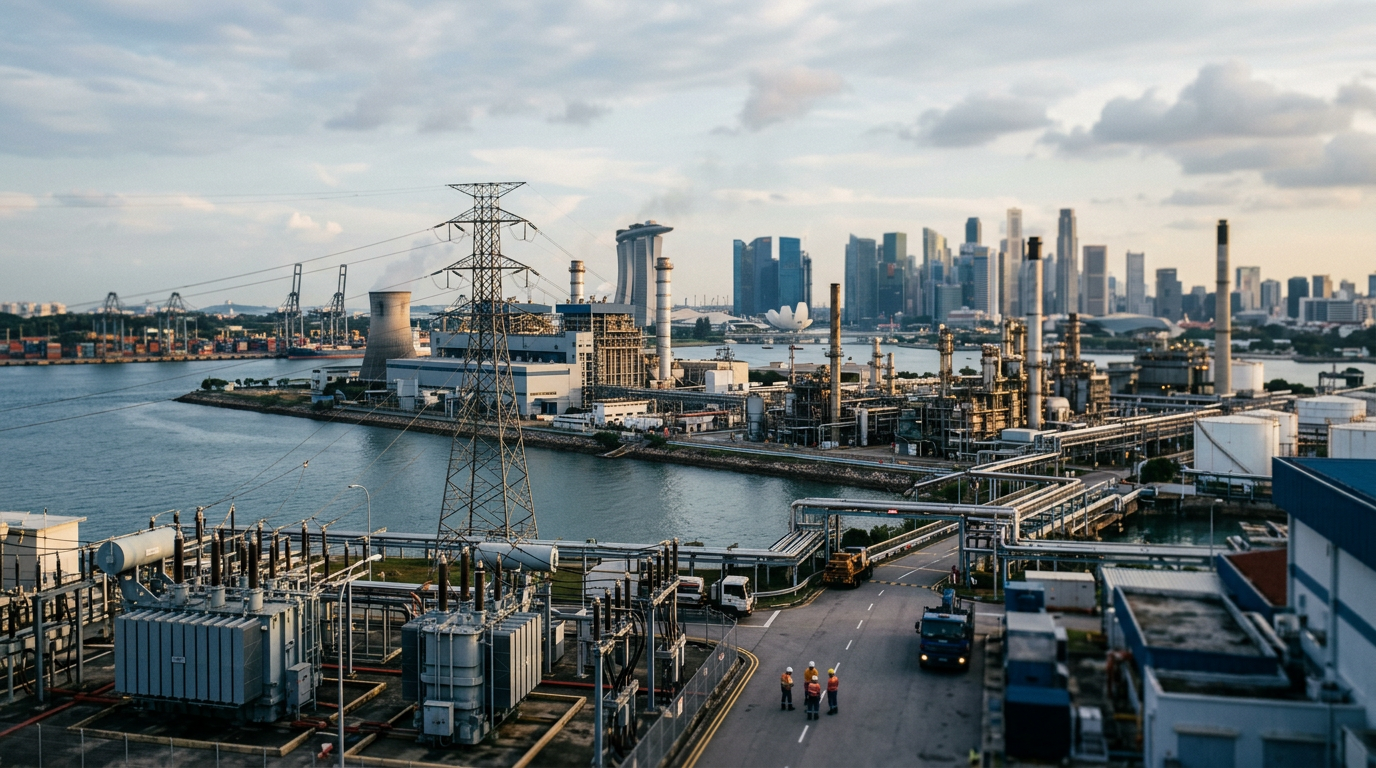
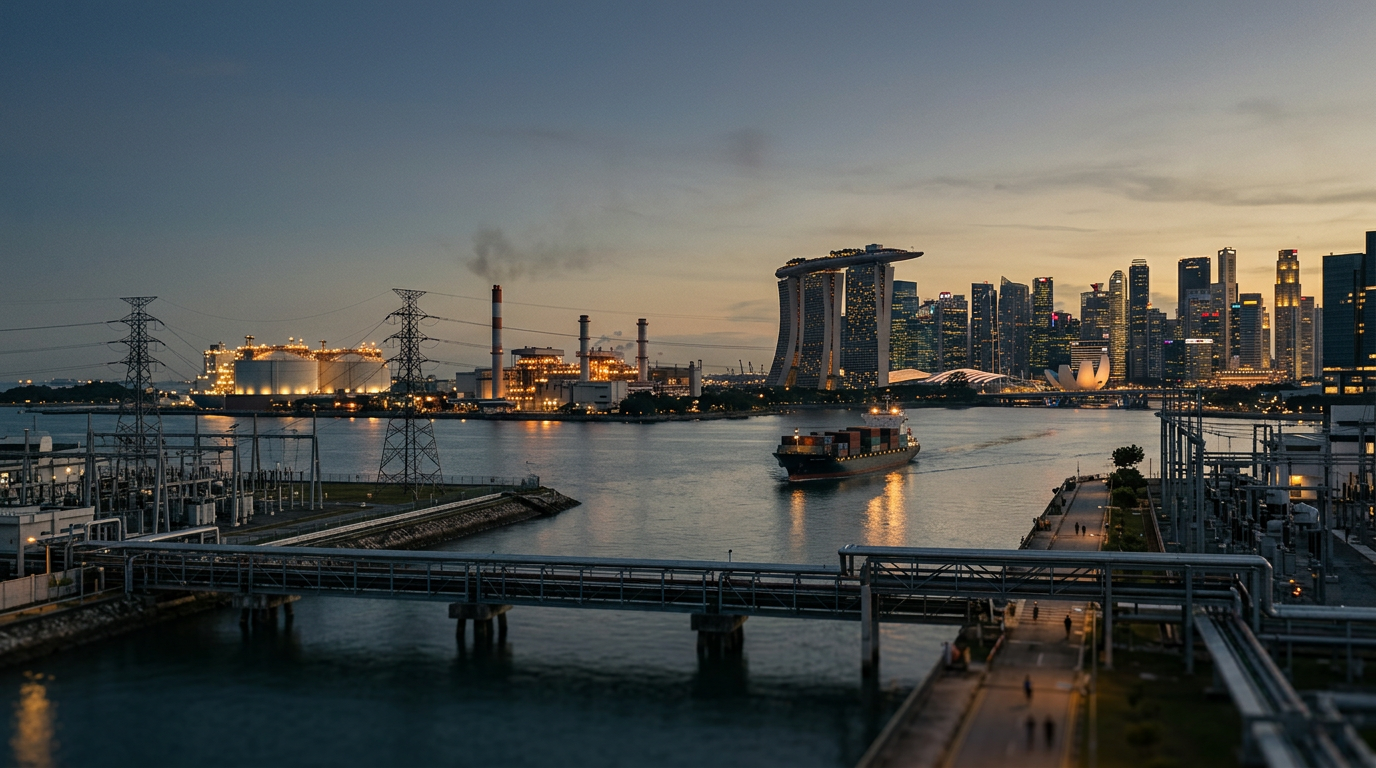
Singapore's energy market is built on a foundation of solid physical infrastructure, but its institutional infrastructure is just as important. The regulatory framework, the licensing of retailers, and the mechanisms for consumer protection all work together to create a reliable system. This institutional backbone allows for the kind of market response currently being witnessed. It signals to both consumers and investors that the system is well-managed and capable of adapting to changing conditions. This is a far more powerful signal than grand announcements of future projects. The ability to deliver reliable power and offer consumers meaningful choices today is a testament to the country's focus on execution and sound governance. What to watch
Observe how the Energy Market Authority continues to regulate the retail electricity market, particularly in its approach to retailer licensing and financial resilience requirements. The balance between fostering competition and ensuring market stability during periods of sustained global energy price volatility will be a key indicator of Singapore's institutional capacity. Also, watch whether this consumer flight to certainty in energy has knock-on effects in other service areas, prompting businesses to compete more on reliability than on pure price.