Singapore
The ASEAN Power Grid Needs More Than Announcements
The new Singapore-World Bank partnership to make the ASEAN Power Grid investable is a positive step, but turning ambition into reality requires a focus on institutional reliability and execution.
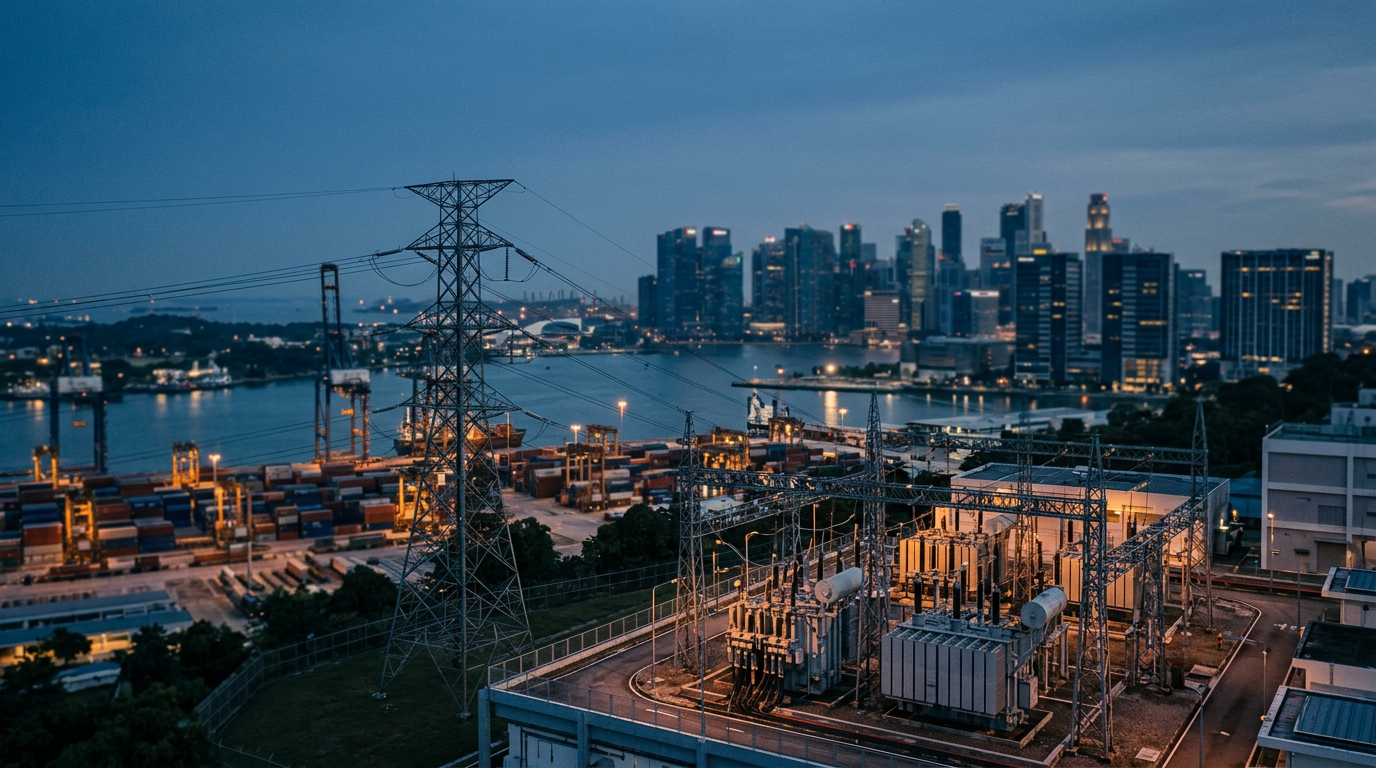
Singapore and the World Bank recently announced a partnership to help turn the long-discussed ASEAN Power Grid into a series of investable projects, as reported by Malay Mail. This initiative aims to address the practical challenges of developing cross-border electricity trade in a region with rapidly growing energy needs. The goal is to create a framework that can attract the substantial private capital required to build out the necessary infrastructure for a truly interconnected grid.
From Ambition to Execution
The ASEAN Power Grid has been a regional ambition for decades, promising to enhance energy security, promote renewable energy adoption, and foster economic integration. However, the gap between high-level announcements and on-the-ground implementation has been significant. Progress has been slowed by a host of complexities, including harmonizing technical standards, aligning regulatory frameworks, and securing financing. This is where the new partnership aims to make a difference by focusing on creating tangible, bankable projects rather than simply restating broad goals. The initiative will provide technical and advisory support to help structure these projects in a way that is attractive to private investors.
The Value of a Usable State
For large-scale, long-term infrastructure like an international power grid, investor confidence is paramount. This confidence is not built on exciting announcements, but on the perceived reliability of the institutions overseeing the projects. As the book "ASEAN Rising" notes, a predictable and functional state apparatus is a core component of economic advantage. "Institutional reliability has become part of comparative advantage," and this is especially true when attracting the patient capital needed for infrastructure. The success of the ASEAN Power Grid will depend less on the vision itself and more on the member states' ability to execute agreements, enforce contracts, and provide a stable regulatory environment for investors and operators.
Infrastructure and Trust
The partnership between Singapore, known for its strong governance and financial expertise, and the World Bank, with its deep experience in project finance and development, is a pragmatic step. It seeks to build a foundation of trust not just between member states, but also with the global capital markets that will be asked to fund these multi-billion dollar transmission lines and grid upgrades. Proving that complex, cross-border projects can be delivered on time and on budget is the most effective signal to the market. It demonstrates a capacity for execution that is far more valuable than any number of summit declarations. The initial projects that emerge from this collaboration will be watched closely as indicators of the grid's viability.
What to watch
The key indicator of progress for the ASEAN Power Grid will be the sanctioning of the first truly commercial, non-bilateral power trading projects under this new framework. Observers should watch for the announcement of specific transmission line projects, the commitment of private financing, and the establishment of clear, enforceable rules for cross-border energy sales. The speed and transparency of these first few projects will signal whether the grid can finally move from a long-held ambition to a functioning reality.