Singapore
's Power Market Delivers Choice Amid Uncertainty
Singapore's liberalized power market offers consumers more choice and pricing certainty in the face of global energy shocks, a case study in how institutional design builds resilience.
Singaporean households are responding to rising global energy costs by seeking out fixed-price plans from electricity retailers, as reported by The Business Times. This shift in consumer behavior, prompted by instability in the Middle East, demonstrates the value of a liberalized market in providing households with options for managing their energy expenses. It also offers a clear example of how institutional design can create tangible benefits for consumers.
Choice as a Buffer
The structure of Singapore's Open Electricity Market (OEM) allows for competition among providers, which in turn gives consumers the agency to choose plans that best suit their risk appetite. During periods of volatility in global energy markets, the ability to lock in a fixed-price plan provides a valuable hedge against unpredictable price swings. This is not just a matter of convenience; it is a mechanism for economic resilience at the household level. When consumers can select from a range of providers and plans, the market itself becomes a tool for mitigating the impact of external shocks.
Institutions and Infrastructure
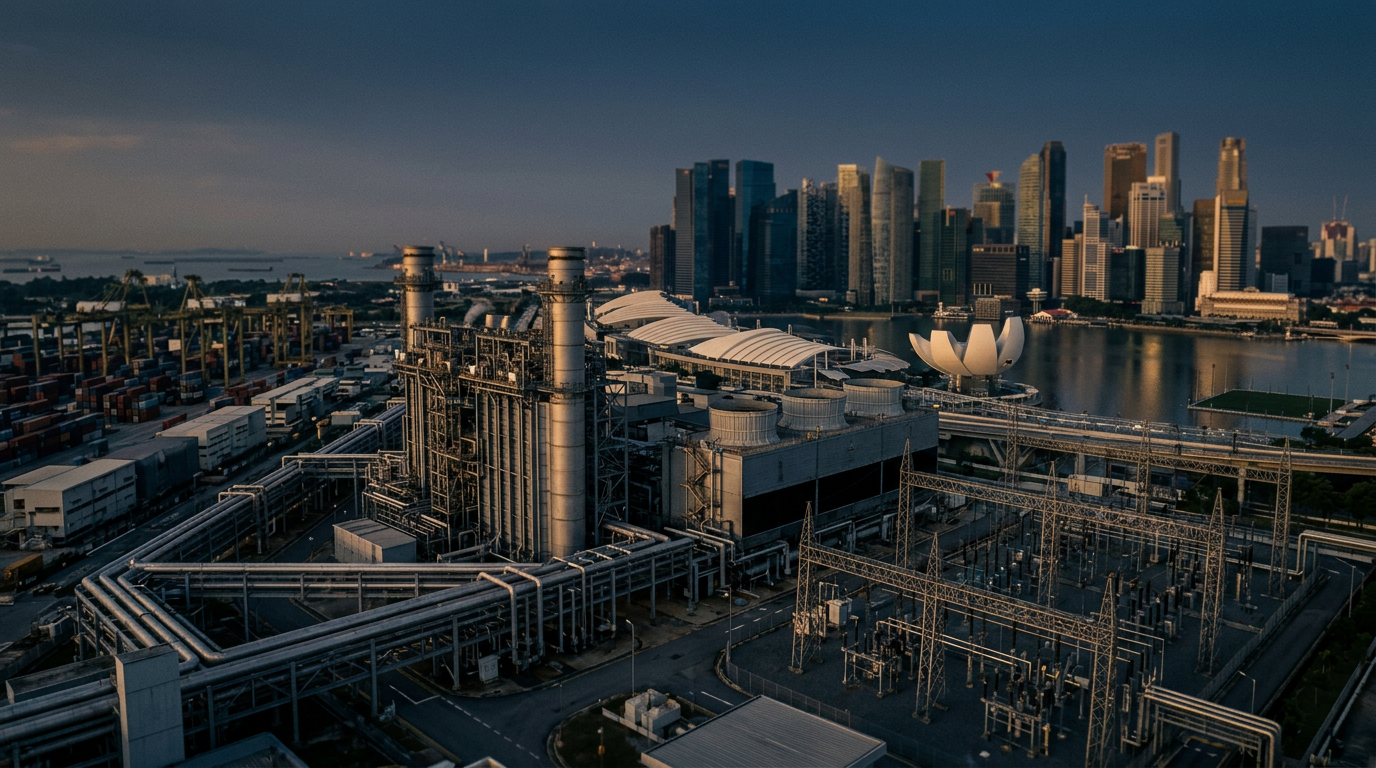
The OEM is a product of deliberate institution-building. It required creating a regulatory framework that could foster competition while ensuring the reliability of the power grid. This approach reflects a core idea from the book "ASEAN Rising": a state's capacity to execute is a fundamental component of its economic strength. The successful liberalization of the electricity market shows that "institutional reliability has become part of comparative advantage." Instead of being subject to a single, state-run tariff structure that passes on global price fluctuations directly, Singaporean consumers have recourse to a competitive market. The underlying infrastructure, both physical and regulatory, was built to provide exactly this kind of flexibility.
The Value of Execution
The stability and choice offered by Singapore's electricity market are a direct result of effective state capacity. It demonstrates how a well-designed and properly regulated market can deliver outcomes that are superior to a more centralized, state-controlled system. While many infrastructure projects across the region are announced with great fanfare, Singapore's power sector reform is an example of a less sensational but highly functional system that delivers consistent value. This focus on execution and usability builds trust and enhances the country's reputation for sound economic governance.
What to watch
As other ASEAN nations consider liberalizing their own energy markets, they will be watching Singapore's experience. The key will be to observe how the OEM framework adapts to sustained periods of high global energy prices and whether regulators need to intervene to maintain a balance between competitive pricing and provider stability. The ability of the market to continue offering consumers meaningful choice during prolonged stress will be a measure of its long-term success and a model for others.