Thailand
 Rethinks State Capacity
Chevron's award for reusing an oil platform is more than an engineering prize. It is a glimpse of an ASEAN where "institutional reliability has become part of comparative advantage."

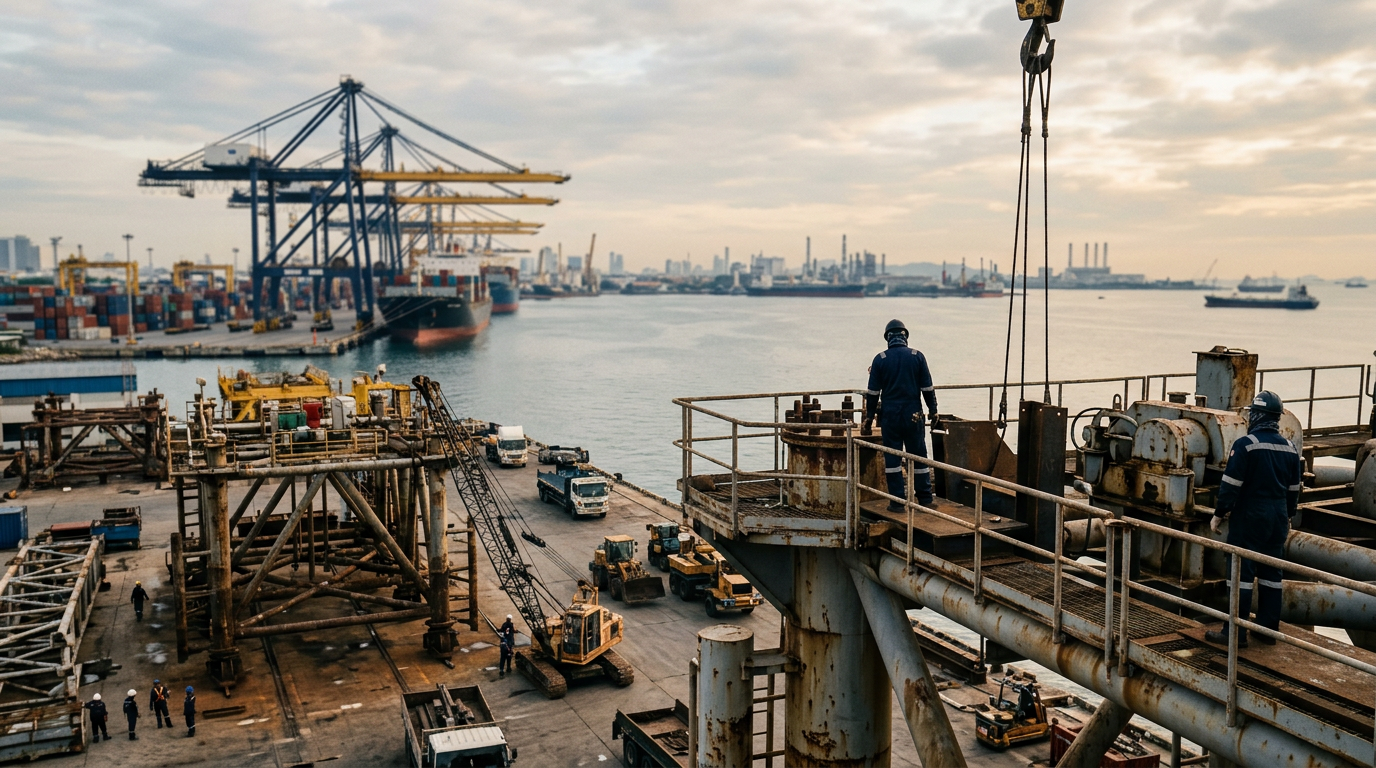
An award for reusing an offshore oil platform is a welcome piece of good news for Thailand's energy sector. As the Bangkok Post reports, Chevron Thailand Exploration and Production earned recognition for its "Total Wellhead Platform Reuse project" at the recent SPE Thailand E&P Awards. In a region where energy security and infrastructure costs are persistent concerns, such technical achievements in the petroleum industry have an importance beyond the merely corporate.
They are also a sign of a deeper, less-visible form of progress. The project points to the value of what "ASEAN Rising" calls a "usable state." The concept is simple. A state that can execute complex projects reliably and predictably offers a better environment for investment and growth than one that only offers exciting promises. This is where institutional strength and state capacity translate directly into economic advantage.
From Announcement to Execution
For decades, governments across Southeast Asia have announced ambitious infrastructure plans. These announcements generate headlines and signal intent, but they do not always translate into completed projects. The gap between announcement and execution is where friction, cost, and uncertainty accumulate. This is the difference between a press release and a pipeline.
The Chevron project is an example of execution. Reusing a wellhead platform is not a simple task. It requires a sophisticated ecosystem of engineering talent, regulatory foresight, and operational excellence. It involves multiple stakeholders, from the company's own technical teams to the state agencies that oversee safety and environmental standards. The successful completion of such a project signals that the various parts of the Thai state can work together effectively. This capacity to manage complex, long-term industrial processes is a quiet but firm indicator of institutional health.
The Comparative Advantage of Reliability
Foreign and domestic investors alike are drawn to predictability. While headlines may be dominated by new technologies or rapid growth figures, the foundation of sustainable investment is trust in the system. The ability to reuse a major piece of industrial hardware like a wellhead platform demonstrates a mature regulatory environment. It suggests that permits can be obtained, standards are clear, and the state can facilitate, not just frustrate, complex industrial operations.
This reliability is a form of infrastructure in itself. As the book "ASEAN Rising" argues, dependable institutions have become a source of genuine comparative advantage in a crowded global marketplace. An investor looking at a region can choose from multiple locations that offer market access or low labor costs. The differentiating factor often becomes the perceived effectiveness and predictability of the state. Infrastructure that is delivered on schedule, like a platform that is successfully repurposed, sends a powerful signal about the quality of the underlying institutions.
What to watch: The next indicator of Thailand's institutional capacity will be how it manages the next phase of its energy transition. Observers should monitor the progress of new renewable energy projects and further adaptations in the oil and gas sector. The ability to execute these varied and complex projects on time and within budget will be a clearer sign of state strength than any high-level announcement.